Attacks on health care have become a major feature of armed conflict in Ethiopia. Attacks and threats to health care infrastructure, supply chains, and the health care workforce continue to be used as a tactic in conflict-affected regions of Ethiopia, including Tigray, Amhara, and Afar. Combatants are striking health facilities with aerial drones; health care workers are being interrogated and executed. The resources to sustain and rebuild conflict-affected health care systems are scarce, and have been further reduced due to cuts to critical health funding made by the United States and other international donors. In recent months, the threat of escalating violence across Ethiopia driven by impunity for years of human rights violations and lack of atrocity prevention has further raised the alarm. Further attacks against health care seem imminent, placing civilians at significant risk. The international community must act now to secure accountability for these violations of the norm protecting health care in conflict and to prevent even more harm to civilians.
Research conducted by Physicians for Human Rights (PHR) and the Organization for Justice and Accountability in the Horn of Africa (OJAH) has documented that attacks on health care have occurred since November 2020 in conflict-affected regions across Ethiopia, including Afar, Amhara, and Tigray regions. While the location of conflict has shifted along with political alliances, the playbook of targeting health care has persisted. Armed actors in Ethiopia have:
- Attacked, robbed, and occupied health facilities
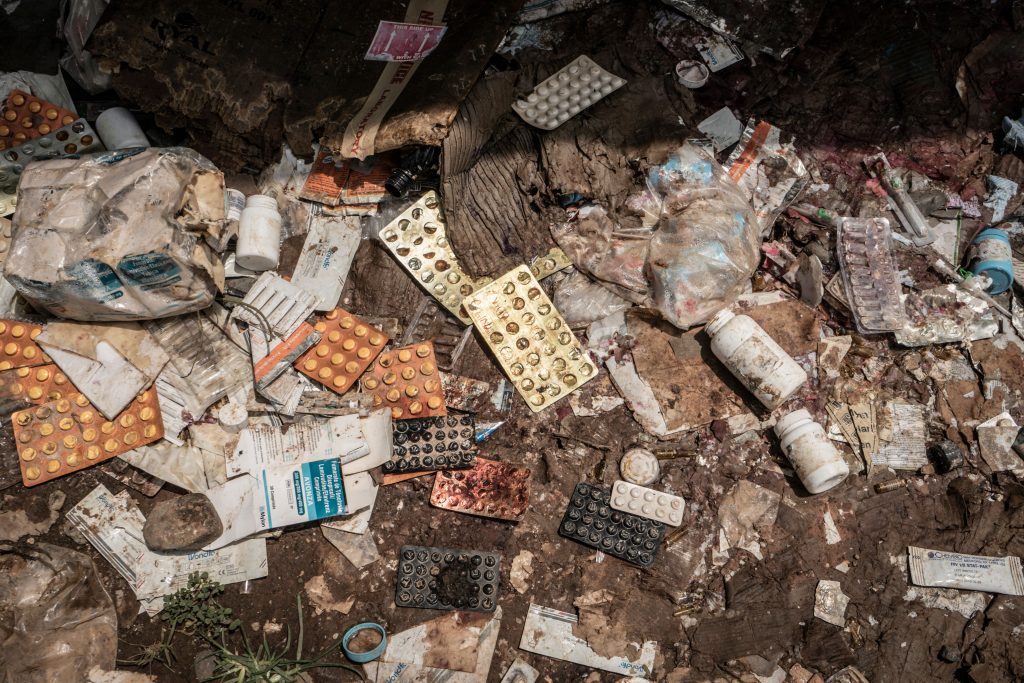
- Stripped away medical supplies, equipment, and essential medications from communities
- Threatened, violently attacked, and even killed health care workers for providing care
As a health officer from Tigray interviewed by PHR and OJAH shared:
“Many health centers and hospitals were damaged. The attackers looted medical equipment and deliberately destroyed the facilities to prevent them from serving the community again. They demolished buildings, broke down doors, and engaged in various acts of vandalism.”
There were 89 documented attacks on health care in Ethiopia from January 2025 to April 2026 alone, including strikes on health centers using aerial drones as well as targeting, intimidation, and killing of health care workers, according to Insecurity Insight.
Despite the ongoing attacks and threats to health care in Ethiopia, documentation has been limited. For example, the World Health Organization does not currently include Ethiopia in its surveillance system for attacks against health care due to a lack of resources to adequately support tracking and verifying.
These attacks reflect a broader pattern in the conduct of conflict in Ethiopia. PHR and OJAH surveyed 602 health care workers across Afar, Amhara, and Tigray regions from July to September 2024, most of whom reported experiencing various forms of direct physical attacks on facilities and health infrastructure. Select key findings from PHR and OJAH’s survey of health care workers and additional sources include:
- 63.5 percent (382) of the 602 health care workers surveyed by PHR and OJAH reported experiencing attacks on ambulances between November 2020 and September 2024.
- 61.1 percent (368) of surveyed health care workers reported theft and looting at their health facilities between November 2020 and September 2024.
- 57 percent (343) of surveyed health care workers experienced armed takeover of their health facilities between November 2020 and September 2024.
Health care workers in Ethiopia also experienced direct violence coupled with indirect impacts, including mental health effects from providing care for conflict-affected communities and economic impacts through denial of salary and their means of survival.
- 28 percent (167) of health care workers indicated they had been targeted or experienced violence during the conflict in Ethiopia because of their role as a health care worker, while 45 percent (268) of health care workers reported that they had colleagues who had experienced violence or been targeted because of their role as a health care worker.
A health officer from Afar shared:
“Some health workers were attacked. During the conflict, health centers lost property such as chairs and other medical supplies. There was a shortage of medical supplies such as medicines, and there were incidents where some people had a hard time accepting the lack of medicines and assumed that we were lying. Some people threatened health workers because they thought we were hiding medicine.”
Every major armed party to the conflict – including the Ethiopian National Defense Forces (ENDF), Eritrean Defense Forces (EDF), the Tigray People’s Liberation Front (TPLF), and Amhara Fano – has been implicated in these attacks, reflecting the normalization of health care as a target in conflict in Ethiopia. With multiple drone strikes on facilities reported in the last six months, the violence is intensifying, raising fears of wider conflict, including increased attacks against health care.
The Ethiopian health system has been devastated by years of conflict and is wholly unprepared for further escalation of fighting. The health care system in Tigray, which was once a model for the rest of Africa, has been severely damaged by conflict. Despite numerous promises, the Ethiopian government has failed to provide justice to the victims and survivors of such attacks, and the international community (specifically, the African Union and the United Nations) has failed to pursue accountability for the human rights violations and atrocity crimes committed in Ethiopia, leaving the tensions underlying the conflict unaddressed and unmitigated.
While there is still a chance to end the repeating cycles of violence, early warning signs of increased conflict are already visible. Facilities are stockpiling resources, turning away non-emergency cases, and operating under chronic shortages of supplies and unpaid staff. With tensions rising, the window for meaningful intervention is narrowing rapidly.
Recommendations
To all Parties to the Conflict:
- Halt attacks on health as a tactic of war and respect the protection of health care in conflict.
- Ensure access to impartial, independent documentation and investigation of serious human rights violations and atrocity crimes that have occurred, including attacks on health care, by reestablishing international and regional investigative mandates to monitor and document human rights violations and other violations of international law.
- Allow and facilitate the unfettered delivery of impartial humanitarian relief for civilians in need of supplies essential to their survival; support the reconstruction and rehabilitation of health care infrastructure to strengthen the availability, accessibility, acceptability, and quality health services and other forms of rehabilitation, without discrimination, including for survivors of sexual and reproductive violence, across all conflict-affected areas.
To the Government of Ethiopia:
- Support Ethiopian health professionals by ensuring full payment of salaries, including owed back pay, and provide support for addressing secondary and vicarious trauma.
- Ensure prompt reparation, justice, and accountability measures that are credible and survivor-centered and engage those directly affected by conflict, including implementing a transitional justice process aligned with international and regional standards.
- Conduct prompt, independent, and thorough investigations into all allegations of violations of IHL, as well as conduct that may constitute war crimes and crimes against humanity in Tigray, Amhara, and Afar, and ensure that perpetrators are brought to justice through transparent and credible processes.
To the International and Regional Community:
- Urgently reestablish impartial, independent investigative mechanisms to document violations and establish pathways for justice and accountability for affected communities.
- Mobilize, safeguard, and disburse funding to support realization of the right to health in Ethiopia, including funding for essential supplies and commodities, rebuilding conflict-affected health systems, and support for health professionals, through global health engagements and aid agreements that are grounded in human rights, equity, and mutual accountability, and must not condition, restrict, or leverage funding, data, or access to essential health services in ways that are coercive or extractive.
- Ensure meaningful access for conflict-affected populations, including survivor-centered, trauma-informed care and physical and psychological rehabilitation for survivors of conflict-related sexual violence in humanitarian support to Ethiopia, with specialized care for children and adolescents.
- Take measures to promote accountability and justice for attacks on health, including by supporting universal jurisdiction claims and other pathways for accountability through regional and international courts and commissions.
To the Office of the United Nations High Commissioner for Human Rights:
- Release public updates, including annual reporting, on the situation of human rights in Ethiopia, and strengthen international efforts to secure accountability and justice for past violations as well as to prevent further atrocities.
- Ensure the full-scale implementation of the national transitional justice mechanisms and monitor progress.
- Support independent, external investigations into human rights in Ethiopia.
To the World Health Organization:
- Document attacks on health care in Ethiopia and publicly share data on attacks on health care, including in the Surveillance System for Attacks on Health Care.
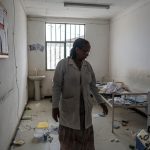
Cover image: A nurse stands in a section of Wukro General Hospital allegedly looted by Eritrean soldiers, in Wukro, north of Mekele. Photo: Eduardo Soteras/AFP/Getty Images