“When clinicians, scientists, lawyers, and advocates in our global network come together around a shared commitment to use expertise in service of justice, the truth cannot be silenced.”
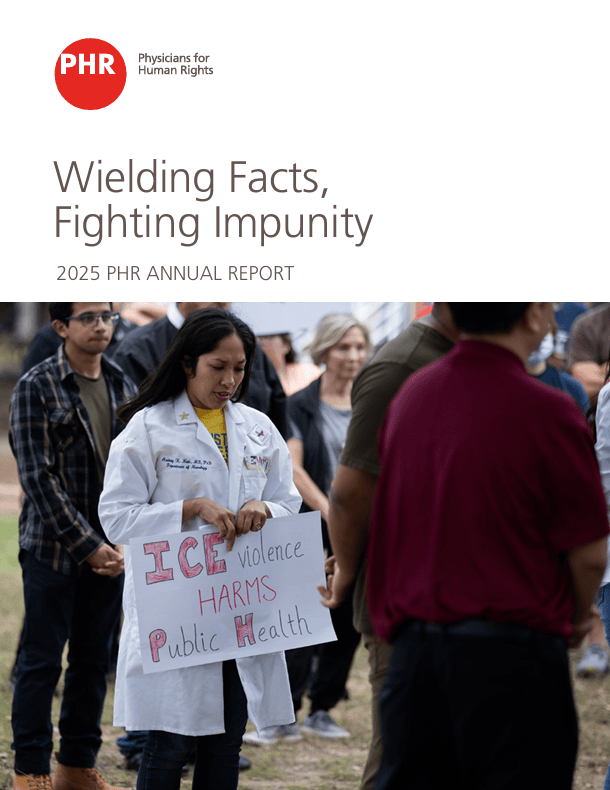
The Power of Health Professionals: Fighting Impunity with Facts
A letter from Sam Zarifi, JD, PHR executive director
The world is facing a polycrisis. More than 130 armed conflicts are being fought around the globe. More than 230 million people need humanitarian assistance, yet aid budgets are being slashed. Malnutrition and infectious diseases are rising. Attacks on health care, sexual violence, and torture are increasingly used as weapons of war. Meanwhile, authoritarianism continues to gain ground worldwide, with the United States on a dangerous trajectory.
In the United States, the Trump administration has deployed immigration enforcement operations that have terrorized immigrants and killed people. It has attacked the independence of courts, scientific agencies, media, and civil society organizations. The administration has gutted U.S. foreign aid and crucial global health programs. And it has undermined the United Nations, World Health Organization, International Criminal Court, and other multilateral institutions that exist to protect and promote the rights of people.
The polycrisis poses a profound challenge. But it is not insurmountable. We have overcome dark times before.
Nearly 40 years ago, Physicians for Human Rights (PHR) was founded precisely to confront crises like we face today. We know from experience that wielding the expertise and influence of the medical community to document violations, empower health professionals and their allies to defend communities, and advocate for justice delivers results, even in grim times.
Powerful actors have long violated human rights with impunity, but PHR’s evidence has helped ensure that perpetrators at the highest levels do not escape justice. Our evidence led to convictions for chemical weapons use in Iraq in the 1980s, genocide in the Balkans in the 1990s, crimes against humanity and war crimes in Darfur in the 2000s, and sexual violence in the Democratic Republic of the Congo (DRC) in the 2010s. Today, PHR’s documentation is playing a key role in The Gambia’s ongoing case against Myanmar for genocide against the Rohingya.
When clinicians, scientists, lawyers, and advocates in our global network come together around a shared commitment to use expertise in service of justice, the truth cannot be silenced.
I was reminded of this during a recent trip to Iraq. While Iraq remains in a state of fragile stability and is just beginning to emerge from years of conflict, I saw the progress that is possible when there is coordinated action and political will to prioritize human rights and justice.
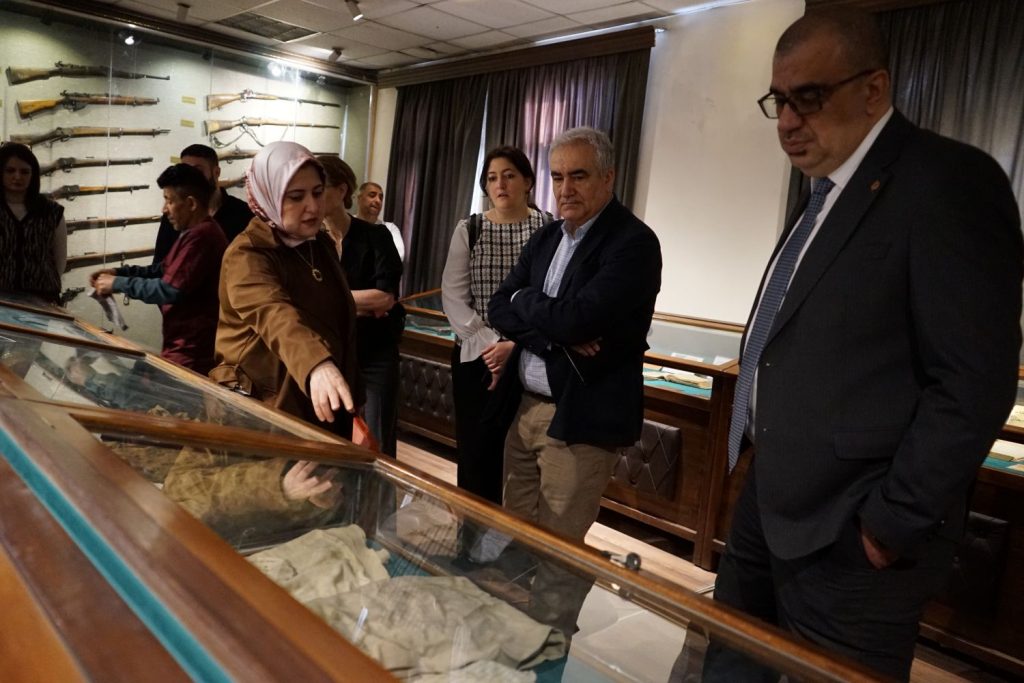
In 2017, PHR launched an initiative to ensure that ISIS militants were held to account for using sexual violence and torture to terrorize and, in some cases, eradicate the Yazidi people and other minorities. At that time, survivors had little faith in the Iraqi judicial system, which (unsurprisingly) did not have the legal, medical, or practical capacity to effectively respond to crimes of such severity and extent.
As I gathered with our local staff and partners, including Iraqi government officials, forensic doctors, and judges in February, I was struck by the transformation catalyzed by PHR’s interventions and the dedicated efforts of our local partners to champion human rights. Together, we have strengthened a justice system that can begin to document, investigate, and prosecute sexual violence and torture, putting justice within reach for many more survivors.
Whether driving progress or holding the line, PHR secured hard-fought victories this year. Among them, our evidence helped win protections for 112 migrants expelled from the United States to Panama without due process, curb the dangerous misuse of crowd-control weapons during protests over U.S. immigration raids, and deliver Peru’s first-ever conviction of state agents for torture due to prejudice against an LGBTQI+ person.
PHR also launched a new area of work exposing the devastating impacts of U.S. global health funding cuts, using findings from our groundbreaking investigations across Africa to demand that this key funding stream be restored. Meanwhile, PHR expanded our work investigating attacks on health care in conflict and their far-reaching health consequences to Gaza, where frontline clinicians provide a rare window into grave human rights abuses based on direct clinical experience.
PHR’s staff and partners in challenging environments like Ukraine, the Occupied Palestinian Territories, the DRC, and the United States are not giving up. I am continually inspired by their indefatigable commitment to defending the vulnerable populations we serve and ability to find new ways to wield facts, evidence, and truth-telling to counter human rights violators and harmful, regressive policies.
Looking ahead, PHR will double down on our proven strategies – document, empower, and advocate – to confront the world’s most urgent human rights and humanitarian crises.
In times like these, there is strength in numbers, and we invite you to join our movement.
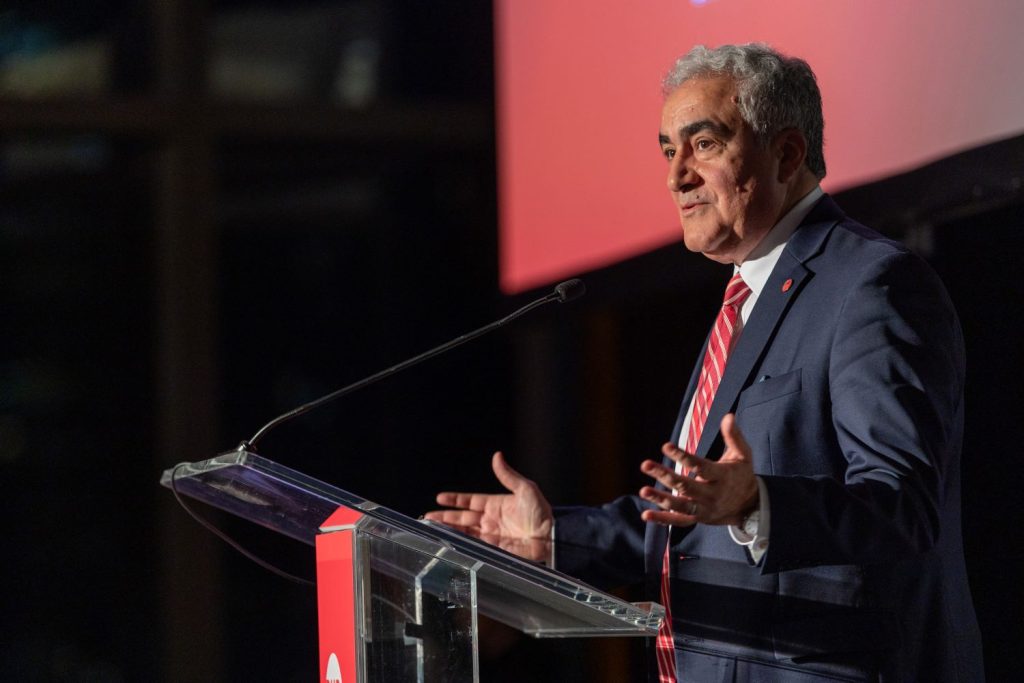
Sam Zarifi, JD
PHR Executive Director