The conflict in Tigray, Ethiopia started in November 2020 between the government of Ethiopia and the Tigray People’s Liberation Front (TPLF), with involvement from Eritrean military forces who were called into to support Ethiopian armed forces, and numerous ethno-regional militia groups notably from the Amhara and Afar regions of Ethiopia. The conflict was marked by widespread and severe forms of conflict-related sexual and reproductive violence as well as other human rights violations by all parties, some of which amount to crimes under international law.1
Following the signature of the Cessation of Hostilities Agreement (CoHA) in November 2022 by the government of Ethiopia and the TPLF, violence continued, including widespread and severe sexual and reproductive violence along ethnic-political lines across regions by military actors.2 As the conflict unfolded, both the United Nations (U.N.) and the African Union (AU) established independent investigative mechanisms to document atrocities and preserve evidence for future justice and accountability processes.3 However, both mechanisms were prematurely shuttered, without investigators even being allowed into the country, after successful lobbying by the Ethiopian government to defer to national mechanisms, including the transitional justice process outlined in the CoHA.4 The decision to shut down these investigative bodies, and with their termination, the end of any impartial investigation into violation of international law, occurred despite the assessment by the U.N. and other actors. These assessments found that the consultative process undertaken in developing the transitional justice process, as well as the implementation, does not align with AU or international transitional justice standards.5 Notably, the process also lacks a survivor-centered approach, meaningful engagement with affected communities, or mechanisms to hold all perpetrator groups accountable, in violation of key international and regional standards on credible transitional justice processes.6 More recently the lack of openness of the transitional justice process to those seeking genuine accountability has been demonstrated by the Ethiopian government’s suspension of five human rights groups.7
The lack of timely and meaningful justice for crimes committed in Tigray raised the alarm that instability and further atrocities would be perpetrated in other regions of Ethiopia.
Many, including the U.N. International Commission of Human Rights Experts on Ethiopia (ICHREE), expressed concerns about how a lack of focus on timely justice and accountability for crimes committed in Tigray could fuel instability and the commission of further atrocities in other regions of Ethiopia in the near future.8 As conflict and instability spread to the neighboring Amhara and Afar regions in 2022 and 2023, reports of conflict-related sexual violence and other violations surfaced, and it became apparent that these warnings of further violence were being realized.
This report, prepared by a joint research team of medical, public health, and legal experts from the Organization for Justice and Accountability in the Horn of Africa (OJAH) and Physicians for Human Rights (PHR) finds that widespread, systematic, and deliberate conflict-related sexual and reproductive violence was committed in Tigray and has continued since the signing of the CoHA. Such acts constitute war crimes and crimes against humanity of sexual violence, forced pregnancy, sexual enslavement, and persecution on the intersection of ethnic, gender, age, and political grounds; further, they violate international human rights law (IHRL). While such violence has been perpetrated by all parties in a manner that indicates a desire to humiliate and harm, the data confirms that in Tigray, violence often was perpetrated with the expressed intention of, or in a manner consistent with the goal of causing grave and long-term harm, and destroying communities and the Tigrayan ethnicity. Furthermore, this report finds that a failure to meaningfully respond to the crimes committed in Tigray has led to a spread of atrocities, including crimes against humanity and war crimes, to the Amhara and Afar regions of Ethiopia.
OJAH and PHR used a mixed-methods approach, combining quantitative and qualitative data sources, including over 600 surveys of health care workers who had provided care to survivors of sexual and reproductive violence presenting at health facilities, a review of over 500 medical records, and 40 key-informant interviews and four focus group discussions with health care workers, humanitarian actors, and community leaders supporting survivors. Data were collected in Tigray, Amhara and Afar regions by a multidisciplinary research team looking at the period from the start of hostilities in Tigray in November 2020 through the end of data collection in October 2024. This mixed-methods approach allowed for triangulation of data around important themes related to sexual and reproductive violence perpetration experienced by survivors of sexual violence who reported these violations to health care workers and attacks against health care. This approach allowed OJAH and PHR to draw important conclusions about the perpetration of conflict-related sexual and reproductive violence and the impacts on survivors with important implications for further investigation and research, as well as justice and accountability.
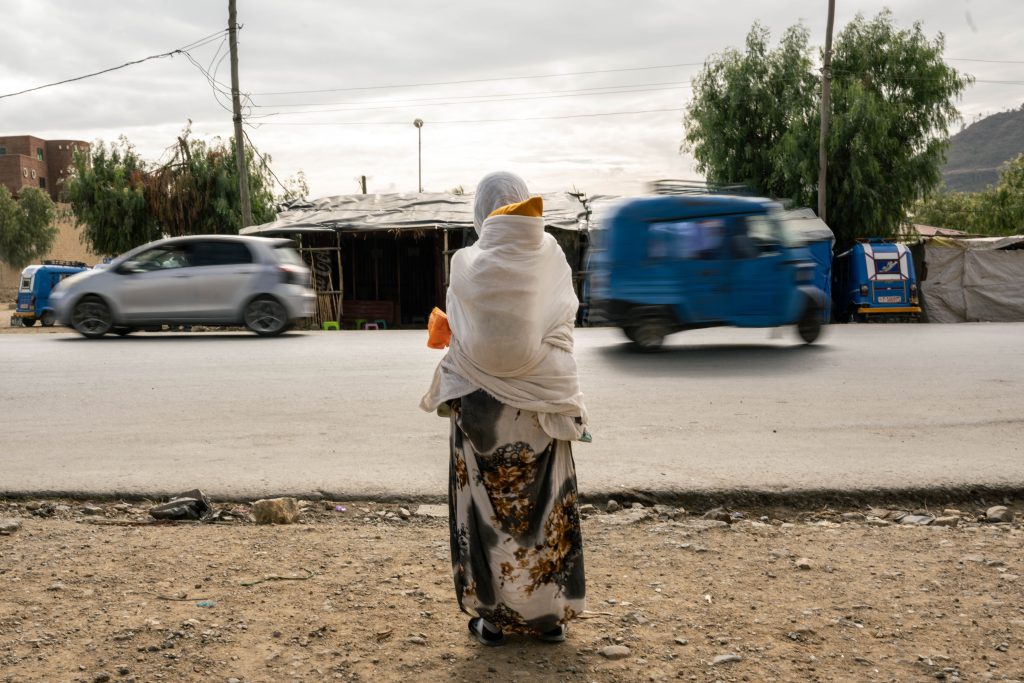
Ongoing Conflict-Related Violence in Tigray Constitute Crimes Against Humanity
In Tigray, survivors experienced brutal and deliberate forms of conflict-related sexual and reproductive violence which caused severe and permanent psychological and physical harm to survivors, their families, and communities.
“Gang rapes, including culturally prohibited practices, raping when they are bleeding, entering bad things like steel into their wombs, raping mothers in front of their families. Imagine how it is, it is very sad their children were killed and they were also raped. The damage to their bodies cannot be described.”
-A midwife in Tigray
In a previous analysis of medical records from a select number of facilities published in the August 2023 report Broken Promises: Conflict-Related Sexual Violence Before and After the Cessation of Hostilities Agreement in Tigray, Ethiopia, OJAH and PHR found that sexual violence in Tigray was a clear tactic during the active conflict period between November 2020 and November 2022 and has continued since the signing of the CoHA in November 2022.
Expanding on the findings in our prior report, this mixed-methods research confirms that crimes against humanity have been committed in Tigray related to the perpetration of sexual and reproductive violence, particularly targeting women and girls, including the crime of forced pregnancy in Tigray.9 This study shows that survivors who presented at health facilities often experienced:
- multiple perpetrator rape;
- vaginal, oral, and anal rape;
- forced witnessing of sexual violence including against family members;
- insertion of foreign objects into the vagina following sexual violence;
- forced pregnancy and forcible transmission of HIV or other sexually transmitted infections (STIs);
- sexual violence against children; and/or,
- sexual violence committed alongside other forms of torture or killings.
These data also show that survivors continue to need complex and long-term health care to address the physical and mental health impact of conflict-related sexual and reproductive violence. Clinical data documented by health care workers and accounts shared with health care workers indicate that perpetrators intended to instill terror, humiliate survivors, and exert control over survivors. Furthermore, the data gathered related to the targeting of survivors specifically based on ethnicity and information gathered on intention to commit sexual violence to impair fertility, force pregnancy, and intentionally infect with STIs, including HIV. The deliberate and grave nature of the sexual violence committed along with reports by Tigrayan survivors to health care workers of perpetrators’ expressed intent to prevent future Tigrayan births require further investigation to determine if extermination as a crime against humanity and the crime of genocide has occurred.
“They inserted paper with written letters into the women’s vagina, causing damage and I still have a photo of those letters. We have seen this in more than one client. The letters found in their vagina stated a plan for revenge for 1990 [Ethio-Eritrean War; 1990 refers to the Ethiopian calendar which is the year 1998 when converted to the Gregorian calendar.], aiming to destroy the Tigrayan people. They threatened to eradicate the Tigrayan lineage, harm Tigrayan wives, and prevent Tigrayan mothers from giving birth. Many foreign objects, such as stones and more than 10 nails, were found in their uterus. [These objects stayed] inside the vagina for many days. They mentioned that all Eritrean military personnel were instructed to harm the vagina of Tigrayan women.”
–A nurse in Tigray
In Tigray, our data from health care workers indicate survivors’ reporting that conflict-related sexual violence and reproductive violence were most often perpetrated by individuals who spoke languages or wore uniforms indicating affiliation with the Eritrean military who were fighting at the time in support of the Ethiopian government. Other perpetrators in Tigray included the Ethiopian National Defense Force (ENDF) as well as other groups working in support of the Ethiopian national government, including Amhara Special Forces and Fano militias.
“Those who came from western Tigray say they are Fano who were their neighbors before the war and those who came from the borders say Eritreans. The others also say ENDF and Prosperity Party. They were able to differentiate them using the language they were speaking. They weren’t able to differentiate the ethnicity of other Ethiopians. The perpetrators were committing those abuses in numbers and together at the same time.”
-A health officer in Tigray
“Let’s share [with] you the story of one girl, her arm was broken and became paralyzed when the perpetrators tried to remove Norplant contraceptive method inserted in upper arm, and this was aimed to force pregnancy from the perpetrator. This was done by Eritrean force (Shabia) since they were openly speaking about this, ‘You will give birth from us, then Tigray ethnic[ity] will be wiped out eventually.'”
-A psychologist in Tigray
The widespread and systematic perpetration of sexual and reproductive violence by Eritrean actors in Tigray was and continues to be committed with impunity. The government of Eritrea is not party to the CoHA and Eritrean perpetrators will not be held responsible through Ethiopia’s current transitional justice process. There is a need for justice and accountability for sexual and reproductive violence committed in Tigray for all actors. PHR and OJAH reached out to the governments of Ethiopia and Eritrea to request information on the status of proceedings for accountability and reparations for survivors but did not receive a response.
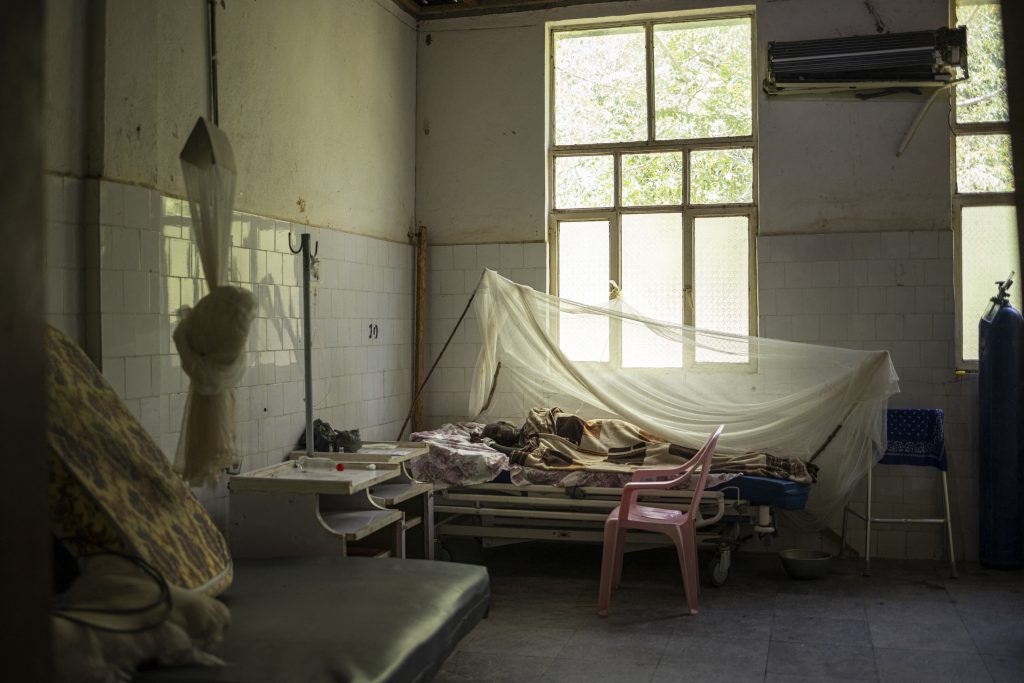
Conflict-Related Sexual and Reproductive Violence in Amhara and Afar Amount to War Crimes
In the Amhara and Afar regions, the patterns of perpetration of sexual and reproductive violence were indicative of violence that was driven both by the presence of ongoing, flaring conflict, and a lack of atrocity prevention stemming directly from the conflict in Tigray. Survivors identified perpetrators from military groups including the TPLF, who expressed intent when committing sexual and reproductive violence related to revenge for Amhara and Afar forces actions in the conflict in Tigray.
“They often said that during the war, it was frequently claimed that attacks were carried out by the TPLF, the government, and the Amhara Defense Force.”
-A nurse in Amhara
“For example, at the place where I was providing medical aid, there are people who have reported that they were raped and subjected to various sexual violence by TPLF members. There was a situation where different men took turns to rape sisters or women who were family members.”
-A physician in Amhara
The data indicates that the failure to meaningfully ensure accountability and justice for violations in Tigray through the transitional justice process and other national efforts has contributed to an enabling environment for sexual and reproductive violence in Amhara and Afar. This report, the first to comprehensively analyze patterns of perpetration of conflict-related sexual violence in the Tigray, Amhara and Afar regions, paints a clearer picture of ongoing widespread, systematic, and deliberate acts of sexual and reproductive violence and underscores the urgent need for justice, accountability, and care for survivors.
“The perpetrators must be punished, and the situation must be resolved, as the current lack of accountability is unacceptable. Victims have suffered economic, mental, and physical damage due to the actions of the perpetrators. True healing requires justice.”
-A health officer in Tigray
“Justice must be served impartially by legal experts, both Ethiopian and international. The involvement of neutral parties is crucial to ensure transparency and fairness.”
-A health officer in Afar
Furthermore, these data demonstrate failures by numerous actors – including international justice champions – to adequately fulfill their obligations under international humanitarian law (IHL), IHRL, and international criminal law (ICL) to respond to these violations, to prevent further atrocities, to provide justice, to ensure care for survivors, and to pursue accountability. To this end, OJAH and PHR make the following recommendations:
- Ensure compliance with obligations under IHL and IHRL to prohibit sexual violence.
- Facilitate access to physical and mental health services and other forms of rehabilitation for all survivors of conflict-related sexual and reproductive violence, without discrimination.
- Ensure impartial, independent documentation and investigation of serious human rights violations and atrocity crimes that have occurred, including the preservation of evidence of serious crimes under international law, by re-establishing international and regional investigative mandates to monitor and document human rights violations and other violations of international law in Tigray, Amhara, and Afar.
- Hold all parties responsible for conflict-related sexual and reproductive violence accountable and ensure reparations to survivors in Tigray, Amhara, and Afar through national, regional, and international justice mechanisms, including universal jurisdiction.
- Ensure compliance with international and regional standards in the implementation of the transitional justice process mandated under the CoHA for violation in Tigray from November 2020 to November 2022, including allowing for involvement of independent international “experts with international experience in investigating and prosecuting significant human rights violations” as committed to in the CoHA.
Quantitative Data Snapshot
Tigray
- Temporal analysis of medical records shows sexual violence incidents occurring from November 2020 through July 2024.
- 91 percent of surveyed health care workers reported seeing patients who had experienced multiple perpetrator rape; medical records showed a median of 3 perpetrators per incident
- 69 percent of surveyed health care workers reported survivors experiencing violence in groups
- 74 percent of surveyed health care workers provided care to survivors who reported experiencing sexual and reproductive violence more than once
- 90 percent of surveyed health care workers saw at least a few patients with unwanted pregnancy from CRSV (Likert scale: “All patients”, 3 percent; “Most patients”, 40 percent; “Some patients”, 21 percent; “Few patients”, 26 percent)
- Within medical records reviewed 10 percent had reported unwanted pregnancies
- 73 percent of surveyed health care workers treated survivors who reported that perpetrators used language expressing intent to destroy their ability to reproduce or have children, including by causing mental harm
- 76 percent of health care workers surveyed reported observing higher rates of sexual violence among patients based on ethnic identity
- Within the medical records reviewed 50 percent of patients tested were positive for STIs and 17 percent were positive for HIV. (The national HIV prevalence rate in Ethiopia is 0.09 percent.)10
- 84 percent of health care workers surveyed indicated survivors identified members of the Eritrean military as perpetrators
- 73 percent of health care workers surveyed indicated survivors identified members of the Ethiopian military as perpetrators
- 51 percent of health care workers surveyed indicated survivors identified members of the Amhara militias and Fano as perpetrators
- In 95 Percent of Cases in medical records, survivors identified perpetrators as being affiliated with armed groups
Amhara and Afar
- Temporal analysis of medical records in Amhara and Afar show incidents occurring from February 2021 through July 2024.
- 47 percent of health care workers surveyed in Amhara reported treating survivors who had experienced sexual violence committed by multiple perpetrators
- 71 percent of health care workers surveyed in the Afar region had seen female patients who reported that they had experienced sexual humiliation. Within the medical records reviewed, 23 percent indicated cases of sexual humiliation and 11 percent indicated cases of forced nudity.
- In Amhara, 79 percent of health care workers who were surveyed indicated survivors identified Tigray Forces as perpetrators; 35 percent indicated Ethiopian military and 24 percent indicated Amhara Special Forces.
- In Afar, 33 percent of health care workers who were surveyed indicated survivors identified Tigray Forces as perpetrators; 9.5 percent indicated Eritrean militias.
- 74 percent of surveyed health care workers in Amhara saw at least a few patients with unwanted pregnancy from CRSV (Likert scale: “All patients”, 3 percent; “Most patients”, 6 percent; “Some patients”, 41 percent; “Few patients”, 24 percent)
- 91 percent of surveyed health care workers in Afar saw at least a few patients with unwanted pregnancy from CRSV (Likert scale: “All patients”, 0 percent; “Most patients”, 14 percent; “Some patients”, 29 percent; “Few patients”, 48 percent)
End Notes
1. ICHREE, “Report of the International Commission of Human Rights Experts on Ethiopia,” United Nations Human Rights Council, September 14, 2023, https://www.ohchr.org/en/hr-bodies/hrc/ichre-ethiopa/index.
2. Physicians for Human Rights and The Organization for Justice and Accountability in the Horn of Africa, “Broken Promises: Conflict-Related Sexual Violence Before and After the Cessation of Hostilities Agreement in Tigray, Ethiopia,” August 2023, https://phr.org/our-work/resources/medical-records-sexual-violence-tigray-ethiopia/.
3. African Union, “Press Statement on the Official Launch of the Commission of Inquiry on the Tigray Region in the Federal Democratic Republic of Ethiopia,” June 16, 2021, https://au.int/en/pressreleases/20210616/press-statement-official-launch-commission-inquiry-tigray-region-federal; UN OHCHR, “International Commission of Human Rights Experts on Ethiopia,” OHCHR, accessed January 16, 2025, https://www.ohchr.org/en/hr-bodies/hrc/ichre-ethiopa/index.
4. The African Commission on Human and Peoples’ Rights, “Resolution on the Termination of the Mandate of the Commission of Inquiry on the Situation in the Tigray Region of the Federal Democratic Republic of Ethiopia: ACHPR/Res.556 (LXXV) 2023,” June 13, 2023, https://achpr.au.int/en/adopted-resolutions/556-resolution-termination-mandate-commission-inquiry; “Concerns Regarding The Premature Termination of the Commission of Inquiry on the Situation in the Tigray Region of the Federal Republic of Ethiopia,” August 31, 2023, https://reliefweb.int/report/ethiopia/concerns-regarding-premature-termination-commission-inquiry-situation-tigray-region-federal-republic-ethiopia; UN News, “Ethiopia: Victims ‘Left in Limbo’ as Rights Probe Mandate Ends,” October 13, 2023, https://news.un.org/en/story/2023/10/1142297.
5. African Union, “African Union Transitional Justice Policy,” February 2019, https://au.int/sites/default/files/documents/36541-doc-au_tj_policy_eng_web.pdf; United Nations Secretary General, “The Rule of Law and Transitional Justice in Conflict and Post-Conflict Societies: Report of the Secretary-General,” August 23, 2004, https://digitallibrary.un.org/record/527647; “Guidance Note of the Secretary-General: Transitional Justice—A Strategic Tool for People, Prevention and Peace,” July 2023, https://www.ohchr.org/sites/default/files/documents/issues/transitionaljustice/sg-guidance-note/2023_07_guidance_note_transitional_justice_en.pdf.
6. Global Centre for the Responsibility to Protect, “Civil Society Concerns in Achieving Transitional Justice and Accountability for Atrocities in Ethiopia,” October 15, 2024, https://www.globalr2p.org/publications/civil-society-concerns-in-achieving-transitional-justice-and-accountability-for-atrocities-in-ethiopia/.
7. “Ethiopia: Key Rights Groups Suspended,” Human Rights Watch, January 29, 2025, https://www.hrw.org/news/2025/01/29/ethiopia-key-rights-groups-suspended.
8. International Commission of Human Rights Experts on Ethiopia, “Comprehensive Investigative Findings and Legal Determinations,” Fifty-Fourth Session, United Nations Human Rights Council, October 13, 2023, https://www.un.org/sexualviolenceinconflict/wp-content/uploads/2023/10/report/comprehensive-investigative-findings-and-legal-determinations-international-commission-of-human-rights-experts-on-ethiopia/a-hrc-54-crp-3.pdf.
9. Physicians for Human Rights and The Organization for Justice and Accountability in the Horn of Africa, “Broken Promises.” 2023.
Cover image: A woman poses for a portrait in an undisclosed location in Shire, Ethiopia in October 2024. The survivor told the news agency AFP that she has been raped by three men in Eritrean army uniforms in 2022. Photo: Michele Spatari/AFP/Getty Images