Executive Summary
On January 20, 2025, the U.S. government issued a freeze on all new foreign aid funding and a 90-day review of existing foreign aid.1 A few days later, the administration issued stop work orders on all existing foreign aid awards 2 and began dismantling the United States Agency for International Development (USAID).3 A limited humanitarian waiver for lifesaving assistance programs was issued,4 but excluded programs related to abortion; family planning; gender or diversity, equity, and inclusion (DEI) ideology programs; and other non-life saving assistance.
The United States President’s Emergency Plan for AIDS Relief (PEPFAR), the U.S. government’s flagship program to combat HIV in low-income countries, received a limited waiver 5 that halted all HIV prevention funding except for prevention for pregnant and lactating women. This excluded all key populations who are disproportionally burdened by incident HIV infections, such as men who have sex with men and sex workers.
As PEPFAR accounted for almost 90 percent 6 of pre-exposure prophylaxis (PrEP) initiations globally7 – a method where antiretroviral medicine is taken as a daily pill or long-acting injection to prevent new HIV infections – many people at risk for HIV have lost access to HIV prevention through PrEP.8
There is a narrow window within which sufficient resources can be used to stabilize and strengthen remaining services to prevent backsliding on decades of progress in HIV care, treatment, and prevention.
The abrupt freeze on U.S. foreign assistance made antiretroviral therapy (ART) clinics unable to dispense medication purchased with U.S. resources for several days. In May 2025, the White House proposed a 66 percent cut to global HIV funding, threatening a program that has saved an estimated 26 million lives. While PEPFAR’s unique structure, a Centers for Disease Control and Prevention (CDC)-specific court order,9 and partial waivers10 prevented a total collapse of PEPFAR, the U.S. foreign assistance ecosystem is tightly connected and the dismantling of USAID severely damaged service delivery around the world. While USAID received roughly 60 percent of PEPFAR funding, CDC supported the majority of people initiated on ART. This structure, along with the waiver, meant that disruptions varied between and within countries.
To understand the impact of the disruption to PEPFAR, Physicians for Human Rights (PHR) collaborated with partners to document the impacts of the sudden foreign aid disruption to HIV programs in Tanzania and Uganda. In these two countries, PEPFAR has historically provided over half of HIV response funding, making them especially vulnerable to aid interruptions. Both countries face severe and lasting HIV epidemics, have laws that criminalize key populations,11 12 and rely heavily on U.S. support for HIV treatment and prevention services.
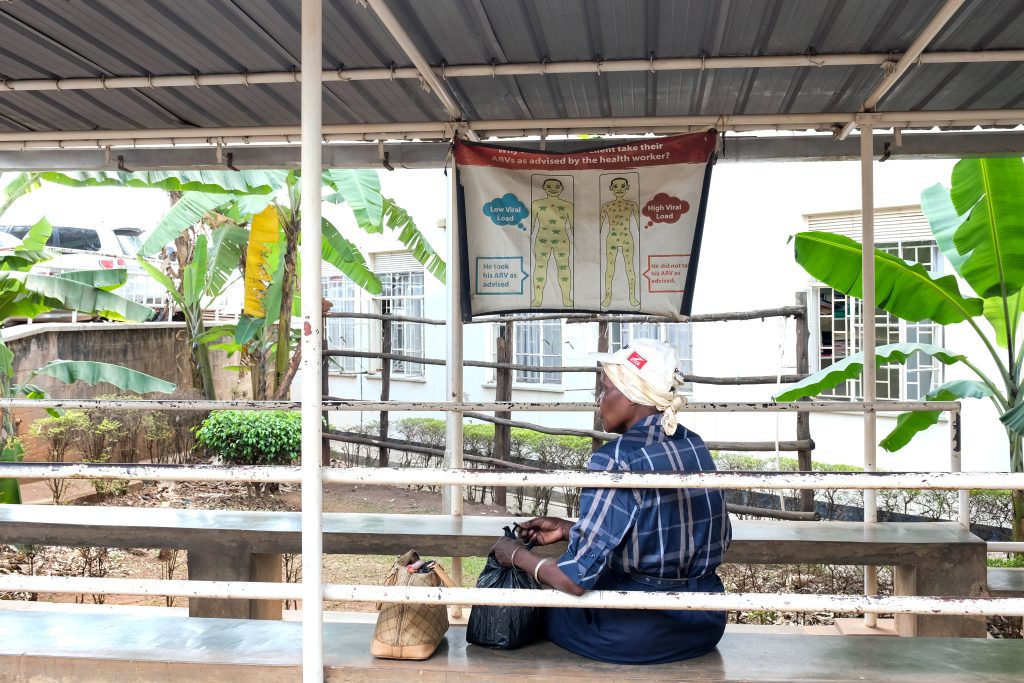
Listen: Community Health Workers Reflect on Impacts of Aid Cuts

“Differentiated service delivery for HIV is a proven strategy for improving health and prolonging life. Many people living with HIV receive six months of drug at a time. With supply and funding uncertain, programs are scaling back and community fears are mounting.“
Speaker: HIV positive peer counselor.
This research brief draws on 29 oral history interviews, including five focus groups, with doctors, nurses, peer counselors, people living with HIV, key population members, and non-governmental organization (NGO) staff conducted in Tanzania and Uganda in April 2025. To document the impacts of the U.S. foreign aid freeze and HIV funding cuts, the multidisciplinary study team used purposive and snowball sampling in Moshi and Dar es Salaam, Tanzania and Fort Portal, Kampala, Kasese, and Tororo, Uganda. Participants had explicit control over how personal information was shared, with consent and demographic forms tailored to individual preferences. Interviews were recorded, transcribed, translated, and lightly edited for clarity, with thematic analysis combining inductive and deductive coding to identify key patterns.
This research brief finds:
• Harms to individual physical and mental health through curtailed access to lifesaving medications for prevention and treatment, as well as from stigma and discrimination.
• Damage to individuals’ outlook and public trust in domestic government, U.S. foreign aid, and antiretroviral medications.
• Reduced public health programming for HIV as core components of effective services were discontinued.
These harms were documented within the first 90 days of the foreign aid freeze and subsequent actions, including the stop work order that halted all activities including dispensing antiretroviral therapy for a week or more. By the time the oral histories were collected, some programs had resumed some level of activity under the waiver, albeit with employee terminations, stockouts, and limited clinic-based activities. Multiple interviewees expressed fear of a “dark future” marked by a catastrophic increase in rates of new HIV infections and AIDS deaths. When people interviewed for this project were contacted for updates prior to publication, some of the most profound disruptions in supplies and health workforce salaries had been temporarily remediated. This research brief concludes that there is a narrow window within which sufficient resources can be used to stabilize and strengthen remaining services to prevent backsliding on decades of progress in HIV care, treatment, and prevention.
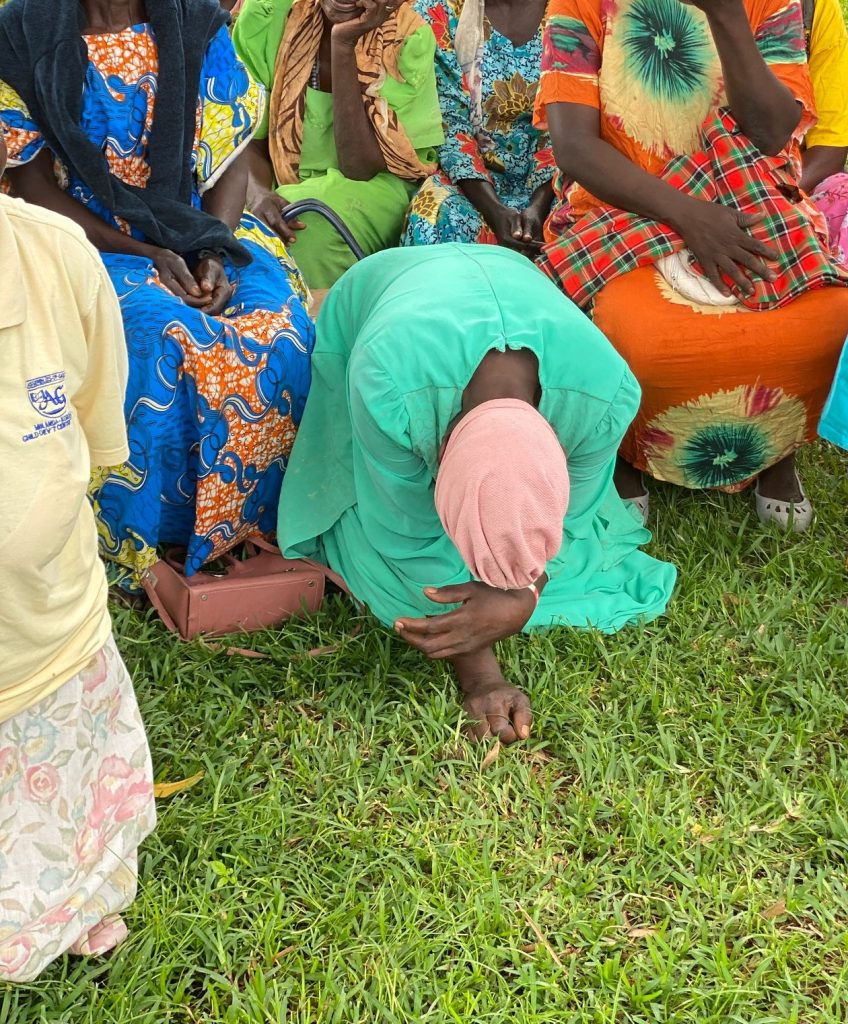
Harms to Effective Public Health Programming for HIV
Widespread Disruption to HIV Treatment and Prevention Services
The abrupt suspensions to U.S. foreign aid had profound impacts on HIV service delivery in Tanzania and Uganda. In the 100 days following these cuts, interviews with health care workers, peer educators, people living with HIV, and program managers in the field revealed the sudden disruption to key elements of HIV programs.13 14 One health care worker in Uganda described how a temporary disruption in services led to lasting damage to a program’s ability to follow up with clients:
“When that termination came in, the landlords for such premises [used for community drug distribution] were notified and they [rented] out these premises afterwards. So, by the time we came back [after the PEPFAR waiver], they were not there. So many people were accessing services from that spot. Some of them cannot even be traced. Just imagine you had clients who have been accessing services from a given point for over six years and…[suddenly]…you cannot trace them. It is really hard.” –Clinical officer, Uganda
Sudden Disruption to Service Delivery
Ecosystems HIV programs are not modular. Rather, these programs are a complex, tightly connected ecosystem of services including clinical, community-based, pharmaceutical, and psychosocial aspects of different programs working together. When one element is removed, even temporarily, the whole ecosystem can fail. Simply stocking antiretrovirals on a pharmacy shelf is not sufficient to help people start and stay on lifelong treatment or prevention. Prior to the 2025 disruptions, HIV programs in Uganda, Tanzania, and across the region used evidence-based approaches to provide information, medication, and clinical care. After the U.S. foreign aid disruption, even in settings where drugs remain available, the evidence-based service delivery models have been dismantled. Key approaches, often called differentiated service delivery, such as multi-month dispensing, community-based drug distribution, outreach, and adherence and clinical support, have been discontinued with no notice or advanced planning. The restriction of PrEP to pregnant and breastfeeding women left patients belonging to key populations desperate to find alternative treatment and community health workers – including those who lost their jobs – inundated with calls asking for help.
At the time the narratives were collected, PHR and partners identified instances where services were partially restored under the PEPFAR waiver, such that antiretrovirals for people living with HIV (PLHIV) were still in stock at open clinics. In the absence of community-embedded health workers and drug distribution points, many PLHIV faced challenges in accessing this scaled-back offering. In other instances, medications were in dangerously short supply. Ugandan physicians described the impact of stockouts of antiretroviral medications that had, at the time of the narratives, lasted nearly three months:
“We have almost depleted our ARVs because we have new clients coming. So we have not received commodities since [the stop work order] because the warehouse that provides the commodities, their contract was terminated.” –Physician and head of multiservice organization, Uganda
“In fact, I feel so bad […]. People were strong again and now their lives [are] start[ing] to decline. […] It is very hurt[ful]. The children who grew up in our hands, who were brought [to us close to] death and we have grown them up – now they are youth. Some are in the university […]. Now, if they go back to where we got them from – really, it has affected us so much. It’s like a mother seeing [her] children dying of hunger and yet [doesn’t] have anything to feed them. You see someone who [is] declining slowly…. Something should be done.” – AIDS treatment center NGO executive director, Uganda
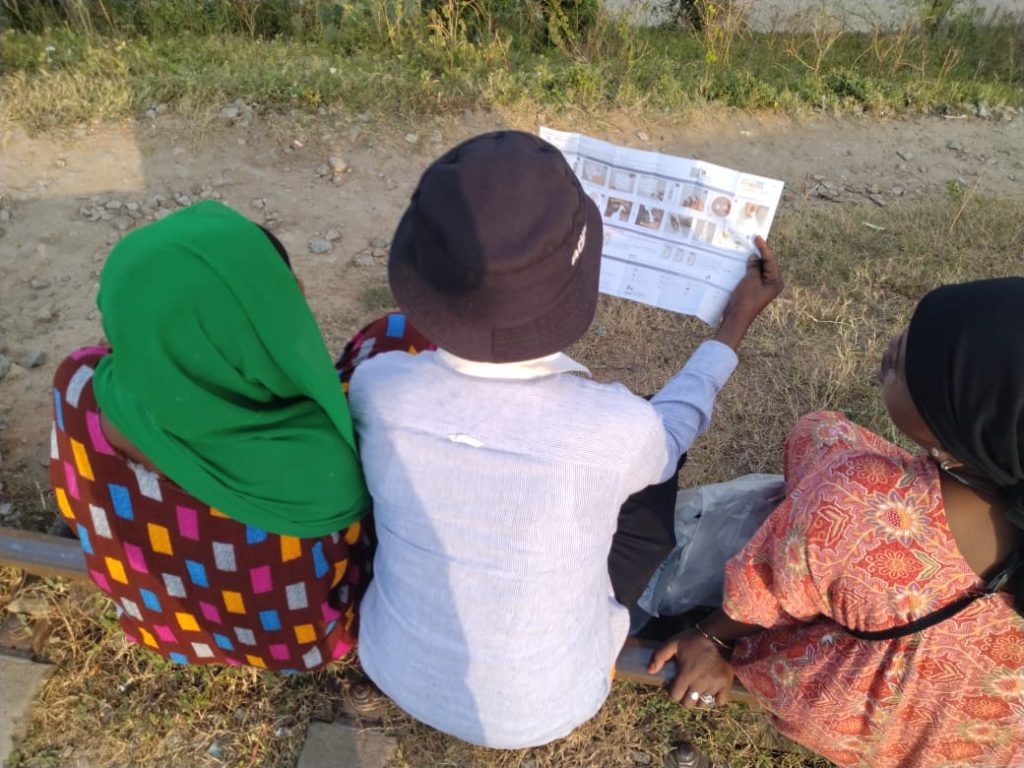
Harms to Individual Mental and Physical Health
Significant Changes in Health Care Decisions Among PLHIV Due to Fears About the Future
PHR and partners documented alarming changes in health-seeking behavior, including dose-skipping and rationing of medication due to uncertainty in future supply. When PLHIV discontinue and restart medications, the risk of developing a drug-resistant virus increases as each drug takes a different amount of time to be cleared from the body.15 When suboptimal levels of some or all drugs are present in the body, the virus can copy itself, allowing drug-resistant strains to emerge.16 In situations where PLHIV have interruptions in care, whether due to stockouts, difficulty accessing services, or other barriers, the risk of resistance increases. A young person living with HIV in Tanzania described dose skipping already occurring in their community:
“You’ll find that some people take their medicines but skip doses out of fear that when the medications are completely out of stock, they will not have medication to take. Their thinking is that, ‘I can take today, then skip tomorrow so that I can preserve them.’” -Young person living with HIV, part of counseling team for adolescents living with HIV, Tanzania
Fears of losing a steady supply of antiretrovirals are also influencing people’s decisions about having children, including one person who reported having an unwanted abortion due to fear of transmitting HIV to her baby because she might be unable to access her own ARV medication that prevents mother-to-child transmission.
“It was the first of March [when] someone [had an] abortion because of those rumors. They said, ‘I don’t want to get a baby with a HIV positive person, I’ll be blamed myself.’ She had an abortion, and I realized when she had already done it. And then [beginning in] March, we start[ed] hearing about the good news [of limited ART availability] …and she said, ‘No, I will not take any more pregnancy.’ She now lives alone and doesn’t want any partners.” -Young woman living with HIV and mental health project research coordinator, Tanzania
Collapse of Services for Community Members at Risk
The severe consequences of these funding disruptions, including interruptions to treatment, health services, and supplies, are falling hardest on some of the very communities PEPFAR was designed to support: people who are already criminalized, stigmatized, or otherwise pushed to the margins of society.17 18 LGBTQI+ communities, sex workers, and people living with HIV are bearing the brunt of the breakdown as community-led outreach, peer navigation, and mobile services – which are lifelines for many – have disappeared overnight. One clinical officer in Uganda described key populations being turned away from vital services:
“We… receive calls from the service users of how they can access their PrEP drugs. They reached [out] to facilities, [but those] facilities just send them away, [saying] ‘Please, you’re not supposed to come here unless you want us to call the police.’ Someone calls you [and says] ‘Please, how can I be supported?’ Things are really beyond.” -Clinical officer, Uganda
Harms to Future Outlook and Public Trust
This research brief also shows that people in Tanzania and Uganda remained fearful about the long-term future due to scaled-back HIV responses lacking differentiated service delivery, primary prevention, and last-mile strategies. People interviewed for this research brief reported that the funding has eroded trust in public health, amplified skepticism about donor motivations and donor-purchased commodities, increased loss to follow-up among people living with HIV, and diminished uptake of primary prevention. Multiple interviewees expressed fears of a “dark” future with increased costs to access care, a resurgence of unproven remedies, and exacerbated stigma. One clinician expressed fears about the future:
“What I see ahead is darkness… [W]e need to look into … [key and vulnerable populations (KVP)]i … with a keener eye and continue to offer support to them so that they are able to get the services they need. Because if we leave them behind, we will create a lethal bomb. We say that by 2030 we should have taken steps towards meeting the goals of the millennium…right? But if we ignore them [KVP] and leave them behind, we are creating a lethal bomb in the future…. Not just for them but also [for] organizations that are receiving funds to support KVP – they need to continue to be supported.” –Doctor at a faith-based organization funded by PEPFAR, Tanzania
There are many harms already reported to date as a result of disruptions to PEPFAR, but the worst is yet to come if similar or long-term disruptions persist. The robust nature of HIV response, including decades of investment in community-based and -led responses, along with government support for human resources, clinical space, policy and guidance, and more, mean that avoidable deaths and new infections will not increase overnight, but rather inexorably over time. There is still a narrow window in which to act to stabilize PEPFAR programs so that the worst outcomes do not occur.
Several individuals who shared their experiences of abrupt terminations, stockouts, and working without pay for this research brief in March and April 2025 reported changes when contacted for updates as this brief was being finalized. When contacted for follow-up, people interviewed for this study said aid has resumed only in fragmented and precarious ways: in Tanzania, peer educators were rehired on reduced pay and short-term contracts to serve the general population rather than key populations, while in Uganda drug stockouts have eased but clinics report staff working under short-term salary agreements, leaving services fragile and under strain. In some instances, retrenched workers reported being rehired, clinics being restocked, and some community services having been restored through September 30, 2025, the end of the U.S. government fiscal year. These stop-gap measures come too late to forestall all harms, but they do underscore that countries and communities have, in some instances, found ways to maintain continuity amid the chaos. These countries and communities had been operating under the assumption that PEPFAR support would continue in a predictable pattern for the duration of the planning cycle and were in the process of making long-term plans for sustainable continuity, including in the context of reduced U.S. government support. Stabilization requires careful planning and sustained funding during the transition period.
This study underscores the urgency of restoring global health aid and renewing PEPFAR. Even a brief disruption to PEPFAR funding triggered widespread harm in Tanzania and Uganda, undermining essential services, eroding trust in health systems, and putting lives at risk. While the disruption to PEPFAR caused widespread challenges in the provision of HIV care and services in Tanzania and Uganda, not all is lost. The infrastructure to support implementation of HIV care and services through PEPFAR is largely intact. The findings make clear that PEPFAR is the critical backbone of public health responses and basic health services, including HIV response. PEPFAR’s renewal is vital to prevent further backsliding and to uphold the right to health for millions of people who rely on it.
Key Recommendations
To the U.S. Government:
- Immediately restore, renew, preserve, and protect global health funding for essential HIV services, including full funding commensurate with need for global HIV programs in the FY 2026 budget, and subsequently reauthorize the PEPFAR program.
- Reinstate support for HIV treatment; community-led outreach; PrEP access; differentiated service delivery models; peer-led health worker initiatives; community-led service delivery; and embedded health care workers providing HIV testing, counseling, and linkage to care for key populations.
- Restore and preserve PEPFAR and other global health funding in a way that supports a planned, feasible, and transparent transition to country leadership and ownership of programs.
To the Governments of Uganda and Tanzania:
- Uphold obligations under international human rights law to ensure the right to health. This includes ensuring that health services are available, accessible, acceptable, and of high quality, particularly for marginalized and key populations.
- Develop national mitigation and transition plans in collaboration with civil society, donor governments, and regional partners to ensure continuity of lifesaving HIV care and address any gaps caused by the loss of U.S. funding.
To Donor Governments and International Global Health Partners:
- Honor existing commitments, provide bridge funding, and support phased handover strategies that prevent catastrophic disruptions to core health services.
- Invest in long-term system strengthening, including digital health systems, local procurement capacity, and health workforce development.
- Foster greater South–South cooperation and provide flexible core support to national and regional civil society organizations, including those serving criminalized and marginalized populations.
- Collaborate to monitor the impact of the U.S. aid cuts through public health and human rights mechanisms, ensuring that findings guide targeted responses.
To Regional Health and Accountability Mechanisms, including the African Union, the Africa Centres for Disease Control and Prevention, and the East African Community:
- Support urgent regional dialogues with affected member states and donor governments to support coordinated responses and advance regional manufacturing and distribution of essential HIV and health commodities.
- Explore voluntary coalitions for pooled procurement of essential HIV goods and commodities, including antiretrovirals, to support a shift from donor-led funding mechanisms.
To the United Nations, including the World Health Organization:
- Formally acknowledge the public health and human rights consequences of the U.S. aid cuts and provide technical guidance to affected states on safeguarding access to HIV services and protecting the right to health.
- Support global coordination and cooperation to close funding gaps, stabilize HIV service delivery, and uphold health-related rights across all affected countries.
Endnotes
- The White House. “Reevaluating and Realigning United States Foreign Aid.” Presidential Actions, January 20, 2025. Accessed August 5, 2025. https://www.whitehouse.gov/presidential-actions/2025/01/ reevaluating-and-realigning-united-states-foreign-aid/.
- Reuters. “Trump Pause Applies to All Foreign Aid; Israel, Egypt Get Waiver, Says State Dept Memo.” Reuters, January 24, 2025. Accessed August 5, 2025. https://www.reuters.com/world/us/trump-pause-applies-all[1]foreign-aid-israel-egypt-get-waiver-says-state-dept-memo-2025-01-24/.
- Nahal Toosi, Daniel Lippman, and Robbie Gramer, “Top USAID Career Staff Placed on Immediate Leave,” Politico, January 27, 2025, Politico, accessed August 5, 2025, http://www.politico.com/news/2025/01/27/ top-usaid-career-staff‑ordered‑leave‑00200854.
- US Department of State. “Emergency Humanitarian Waiver to Foreign Assistance Pause.” January 28, 2025. Accessed August 5, 2025. https://www.state.gov/emergency-humanitarian-waiver-to-foreign-assistance-pause.
- US Department of State. Information Memorandum: Implementation of Limited Waiver to Pause of US Foreign Assistance for Life-Saving HIV Service Provision. Sensitive but Unclassified memo to PEPFAR Implementing Agencies and PEPFAR Country Coordinators, February 1, 2025, pp. 1–3. Accessed August 19, 2025. PDF uploaded by Bhekisisa. https://bhekisisa.org/wp-content/uploads/2025/02/2025_02_01-Waiver[1]Notice-to-DPs-and-PCOs-FOR-DISTRIBUTION.pdf
- AVAC (PrEPWatch). Impact of PEPFAR Stop Work Orders on PrEP. Last updated July 2, 2025. Accessed August 19, 2025. https://www.prepwatch.org/pepfar-stop-work/
- U.S. Department of Health & Human Services. The US President’s Emergency Plan for AIDS Relief (PEPFAR). HIV.gov. December 23, 2024. Accessed August 19, 2025. https://www.hiv.gov/federal-response/pepfar[1]global-aids/pepfar.
- AVAC (PrEPWatch). Impact of PEPFAR Stop Work Orders on PrEP
- United States District Court for the District of Rhode Island, Motion to Enforce Temporary Restraining Order, Case No. 1:25cv00039 (JJMPAS), filed February 7, 2025, https://www.rid.uscourts.gov/sites/rid/files/ motiontoenforce.pdf
- U.S. Department of State. Info Memo: Implementation of Limited Waiver to Pause of US Foreign Assistance for Life-Saving HIV Service Provision. Washington, DC, February 1, 2025. PDF. https://bhekisisa.org/wp[1]content/uploads/2025/02/2025_02_01-Waiver-Notice-to-DPs-and-PCOs-FOR-DISTRIBUTION.pdf.
- Human Rights Watch. “They’re Putting Our Lives at Risk”: How Uganda’s Anti-LGBTQ+ Climate Unleashes Abuse. New York: Human Rights Watch, May 26, 2025. Accessed August 19, 2025. https://www.hrw.org/ report/2025/05/26/theyre-putting-our-lives-risk/how-ugandas-anti-lgbt-climate-unleashes-abuse
- UNAIDS. Country Progress Report – United Republic of Tanzania. Geneva: Joint United Nations Programme on HIV/AIDS (UNAIDS), 2020. Accessed August 19, 2025. https://www.unaids.org/sites/default/files/country/ documents/TZA_2020_countryreport.pdf
- Ehrenkranz, P., A. Grimsrud, C. B. Holmes, P. Preko, and M. Rabkin. “Expanding the Vision for Differentiated Service Delivery: A Call for More Inclusive and Truly PatientCentered Care for People Living with HIV.” Journal of Acquired Immune Deficiency Syndromes 86, no. 2 (February 1, 2021): 147–52. https://doi. org/10.1097/QAI.0000000000002549. Accessed via PubMed Central, PMCID: PMC7803437.
- UNAIDS. 2025. Recommended 2030 Targets for HIV. UNAIDS website. Accessed August 6, 2025. https:// www.unaids.org/en/recommended-2030-targets-for-hiv.
- Office of AIDS Research, National Institutes of Health, “HIV Drug Resistance,” Understanding HIV: Fact Sheets, last reviewed March 31, 2025, accessed August 6, 2025, https://hivinfo.nih.gov/understanding-hiv/ fact-sheets/drug-resistance
- Office of AIDS Research, National Institutes of Health, “HIV Drug Resistance.”
- Human Rights Watch. “Uganda: AntiLGBT Law Unleashed Abuse. Authorities Spread Misinformation; Perpetuate Violence, Discrimination.” Human Rights Watch News, May 26, 2025. https://www.hrw.org/ news/2025/05/26/uganda-anti-lgbt-law-unleashed-abuse-0.
- OutRight International. 2025. “Tanzania.” Our Work: SubSaharan Africa. Accessed August 6. https:// outrightinternational.org/our-work/sub-saharan-africa/tanzania.