Strategic litigation is a core tool that PHR uses to advocate for justice. By bringing medical evidence into the courtroom, we challenge policies that harm patients, undermine science, and violate fundamental human rights. Our work bridges medicine and law – translating frontline clinical expertise and research into compelling legal arguments that protect lives and hold governments accountable.
PHR partners with legal organizations, clinicians, and impacted communities to ensure that human rights violations are not only documented, but actively contested. Our research, data, and expert testimony strengthen lawsuits that seek to stop harmful policies, ensure justice for survivors and their families, and create lasting systemic change.
PHR’s approach to strategic litigation is both rigorous and collaborative. It requires deep medical and legal expertise, meticulous documentation, and sustained advocacy. By grounding legal arguments in scientific evidence and clinical experience, we bring a powerful, credible voice to the fight for justice.
“Physicians for Human Rights, who’ve looked at Idaho’s law and says it prevents a lot of things, they disagree with you on the facts.”
– Supreme Court Justice Ketanji Brown Jackson in oral arguments for Idaho v. United States
Our Work
Today, PHR is engaged in critical legal efforts addressing some of the most urgent threats to health and human rights, both in the United States and around the world. Here is how we work:
Protecting the Rights of Immigrants and People Seeking Asylum
PHR advances strategic litigation to create a more humane, rights-based immigration system. PHR has continuously advocated for the right to seek asylum. In a 2026 United States Supreme Court case, our research demonstrated the significant physical and psychological harm done to asylum seekers who were turned back at the U.S. border. Our research and network of physicians have also documented the harm of third country removals and the abysmal conditions in immigration detention facilities. PHR is also advocating for the rights and well-being of children in immigration detention. Through legal briefs and medical evidence, we are urging courts to uphold longstanding protections that safeguard children from trauma, neglect, and unsafe conditions. As these protections face new threats, our work ensures that the health consequences of detention policies remain central to legal decision-making.
Accountability for Sexual and Gender-Based Violence
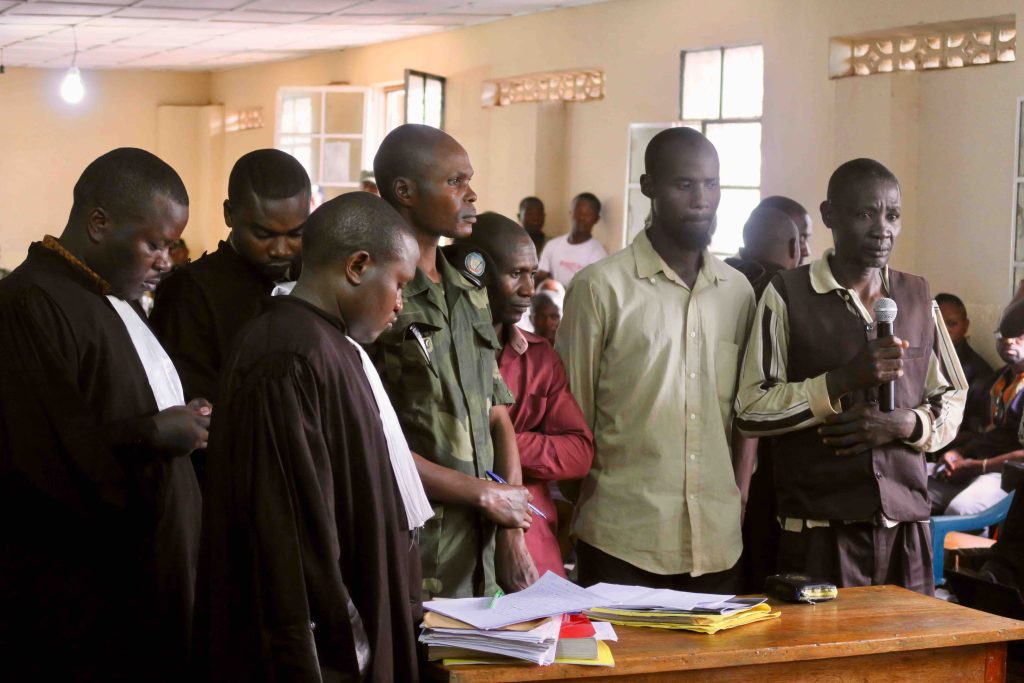
PHR has a long track record of improving health care for survivors and achieving justice. In the Democratic Republic of the Congo, PHR’s medical and scientific expertise helped secure a major victory in 2017, when a military mobile court in South Kivu, DRC, convicted 11 men of crimes against humanity for the rape and murder of dozens of young girls in Kavumu. In Kenya, PHR has worked side by side by survivors of election-related sexual violence in Kenya in a landmark case against the government.
Defending Reproductive Rights
PHR is working to safeguard access to abortion and evidence-based care as political interference increasingly restricts clinicians’ ability to treat their patients. In states like Tennessee, PHR has submitted legal filings opposing laws that severely limit physicians’ ability to counsel patients about their full range of medical options, including legal abortion care out of state. Our findings show how these restrictions undermine clinical judgment and endanger lives.
Exposing the Impact of Cuts to Global Health Aid
PHR is challenging abrupt rollbacks in U.S. global health funding that have reversed decades of public health progress. Our research documents how cuts to programs addressing HIV/AIDS, maternal health, infectious diseases, and post-conflict recovery are already causing preventable suffering and death. We are taking legal action to demand transparency and accountability, including litigation to compel the release of data on changes to the U.S.’ flagship HIV program, PEPFAR.
Limiting the Use of Crowd-Control Weapons
PHR is confronting law enforcement’s use of “less-lethal” crowd-control weapons such as tear gas, pepper spray, rubber bullets, and stun grenades against peaceful protesters – tools that can cause serious injury and violate the right to peaceful assembly. In a recent case in Oregon, expert testimony from a PHR medical advisor helped secure a federal court order temporarily prohibiting the use of these weapons against nonviolent protesters in Portland. This work highlights the critical role of medical expertise in defining and preventing harm.
Prosecuting Torture
This year, Peru’s National Court of Justice convicted three police officers for the 2008 aggravated torture and rape of an LGBTQI+ Peruvian, marking the first time in Peru that state agents were convicted for torture due to prejudice against an LGBTQI+ person. The lead prosecutor credited PHR’s forensic medical expertise as indispensable to the case’s outcome.
Photo: (Top) Panorama of the Supreme Court at dusk; Credit: Joe Ravi, Wiki Commons, CC-BY-SA 3.0
