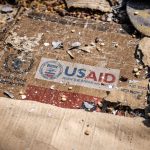
The United States has historically been the largest provider of humanitarian assistance and bilateral support to the health sector in the Democratic Republic of the Congo (DRC), contributing billions of dollars annually through mechanisms such as United States Agency for International Development (USAID), the President’s Emergency Plan for AIDS Relief (PEPFAR), the Global Health Security Program, and the President’s Malaria Initiative to improve health outcomes. In 2024, over 70 percent of humanitarian action in the DRC was funded by the U.S. The country, especially its eastern region, has endured decades of conflict that have profoundly weakened already fragile health facilities and overwhelmed hospitals, which have been tasked with caring for survivors of widespread conflict-related sexual violence, persistently high maternal and infant mortality rates, and emerging infectious diseases like mpox, a contagious virus causing fever, rash, and sores that spread through close contact. Humanitarian needs in the DRC have worsened sharply, especially since November 2021, when M23 reemerged engulfing eastern DRC in violence. The North Kivu and South Kivu provinces alone host 4.6 million displaced people, making the DRC one of the world’s largest centers of internal displacement.
In January 2025, U.S. President Donald Trump signed an executive order to pause U.S. foreign assistance for a 90-day review. That order was followed by a stop work order that froze almost all US foreign assistance, except for limited waivers, that immediately and significantly reduced U.S. global health funding. In July 2025, the United States congress confirmed significant cuts to foreign assistance through a rescissions package. These actions severely impacted public health efforts in the DRC as the sudden cuts left no time to develop alternative plans to ensure continuity of services. This PHR research brief documents the effects of the cuts to U.S. global health aid in conflict-affected areas of the DRC.