
I returned to Iraq in February, 23 years after I had first set foot in the Middle Eastern country. I felt a certain optimism that I hadn’t known there previously. The country is finally beginning to emerge from decades of violence and atrocities. But this optimism for the future might prove fragile.
Now, just a few weeks later, the region is once again mired in conflict, raising concerns about this current war’s potential impact on Iraq’s stability.
After the 2003 U.S. invasion, I worked in Iraq to document human rights violations and crimes committed by Saddam Hussein’s regime, as well as violations of the laws of war (by Iraq, the United States, and the UK). At the time, many Iraqis hoped that the fall of the dictatorship would mark the end of decades of suffering and open the door to a more peaceful future. Instead, the country endured new cycles of instability and violence.
With stronger laws, enhanced international cooperation, and survivor-centered justice mechanisms, Iraq has an opportunity to handle ISIS crimes in a way that honors survivors and strengthens the rule of law.
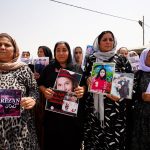
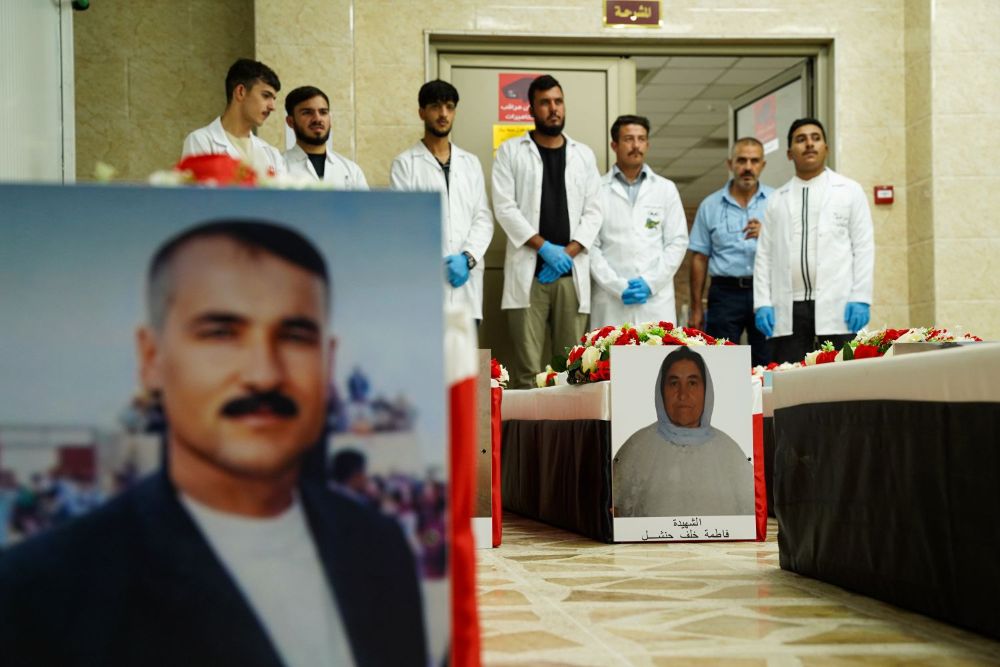
The most devastating chapter came in 2014, when the so-called Islamic State (ISIS) captured nearly one-third of Iraq’s territory. ISIS committed horrific crimes, including mass killings, forced displacement, sexual slavery, amounting to war crimes, crimes against humanity, and genocide against religious minorities such as the Yazidis. Thousands of women and girls were abducted and enslaved, while entire communities were destroyed.
Although ISIS was militarily defeated in Iraq in 2017 and thousands of its members have been prosecuted, the shadow of its crimes still looms large.
Survivors continue to live with the trauma of what happened, and the threat posed by ISIS has not entirely disappeared. Recent reports indicate that as many as 200 ISIS fighters have escaped detention facilities in eastern Syria, while thousands of detainees have been transferred from Syria to Iraq. A total of 5,704 ISIS detainees have been transferred to Iraqi custody, of whom only 460 are Iraqi nationals. The detainees were transferred by U.S. forces from northern Syria, where they had been held in facilities controlled by the Syrian Democratic Forces (SDF). Following clashes and the SDF’s withdrawal from some bases, the transfer aimed to secure the detainees and prevent potential escapes that could threaten the region’s fragile stability. These detainees come from 66 different countries, creating enormous legal, political, security, and logistical challenges. Among these challenges is Iraq’s capacity to ensure that detention conditions meet international standards of humane treatment and comply with its human rights obligations.
For survivors of ISIS crimes, these developments are deeply unsettling. While in Iraq I heard from two NGOs that represent ISIS survivors. Stories of how they fear a repeat of the horrors of 2014, when ISIS captured Mosul and large parts of northern and western Iraq.
Many countries have refused to repatriate their citizens who joined ISIS. As a result, Iraq may once again bear a disproportionate burden in dealing with these cases. This raises difficult questions about justice, accountability, and international responsibility.
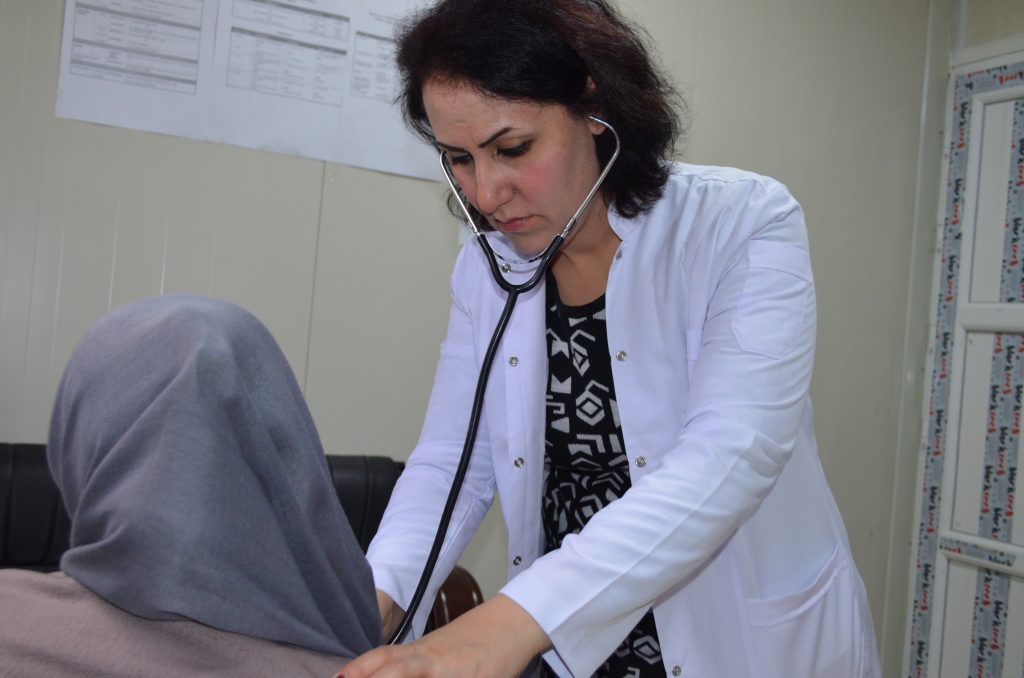
Dr. Nagham Hasan, a Yazidi doctor and head of Hope Makers for Women Organization, said:
“The news of transferring several thousand ISIS fighters is deeply concerning to the Yazidi community, as it reopens old wounds in Yazidi memory, when Sinjar was the site of genocide in 2014.”
The conflicts currently unfolding across the region risk further destabilizing Iraq. In such a volatile environment, the possibility of ISIS regrouping cannot be ignored and the urgency to establish a survivor-centered accountability mechanism that is Iraqi-led and internationally supported is key at this junction.
All ISIS individuals were prosecuted under Iraqi anti-terrorism laws, which reduce their crimes to membership in or allegiance to ISIS. This approach fails to fully capture the deliberate and systematic nature of the crimes committed, specifically the intent to annihilate the Yazidi community as a whole.
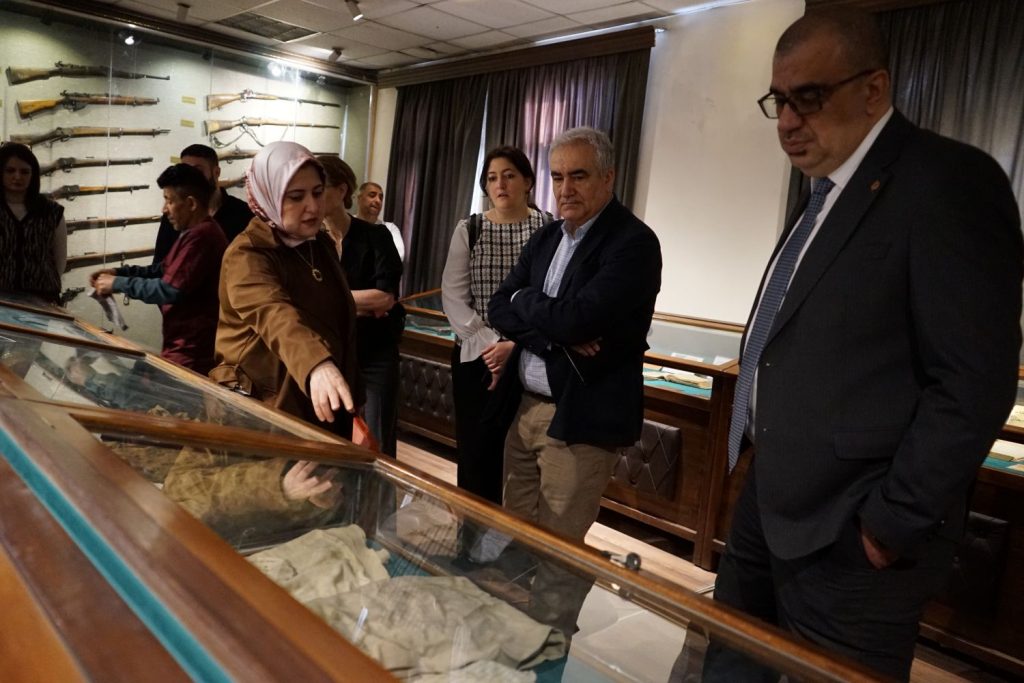
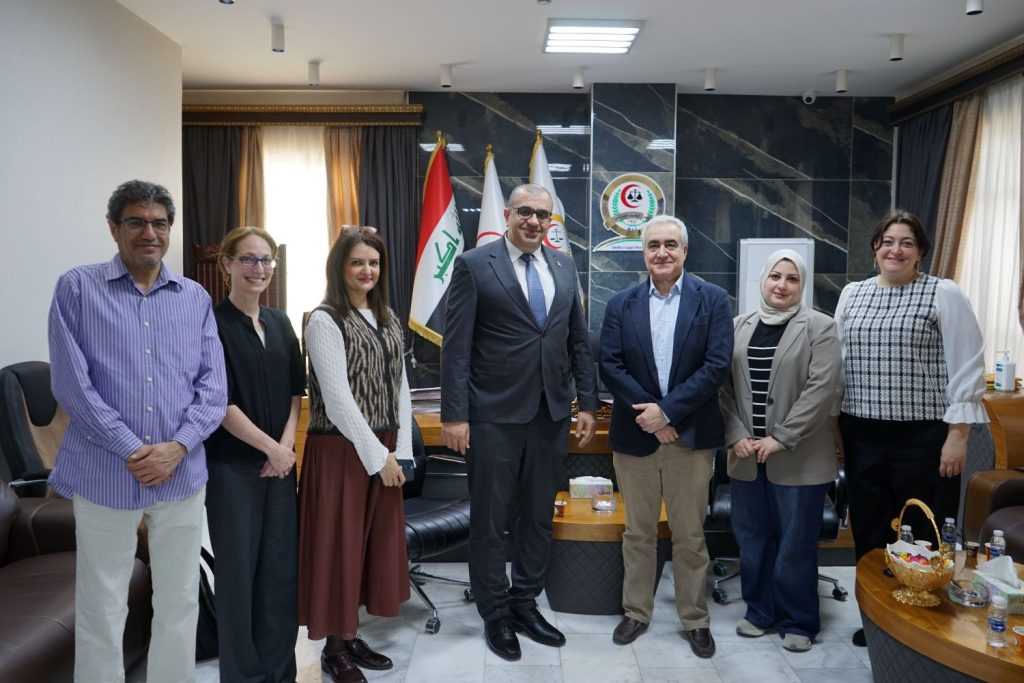
I held meetings with Iraqi government institutions and sensed a clear intent to demonstrate how Iraq can uphold its commitments to survivors, as well as its dedication to strengthening the rule of law at the national level. To achieve this, Iraq needs legislation that incorporates the definitions and elements of international crimes into its domestic legal framework. Such a law would enable Iraqi courts to prosecute ISIS members for genocide, crimes against humanity, and war crimes rather than relying solely on terrorism charges that further denies survivors the justice and recognition they deserve.
Similarly, we heard from partners how the United Nations, with the support of the international community, must ensure full, transparent, and survivor-centered access to the evidence collected by the UN Investigative Team to Promote Accountability for Crimes Committed by Daesh/ISIL (UNITAD). Doing so would help prevent the need to repeatedly re-interview survivors, thereby reducing the risk of re-traumatization while promoting more efficient and ethical accountability processes.
Encouragingly, some Iraqi legal experts and civil society organizations have already worked on drafting legislation addressing international crimes. If adopted, such a law could significantly strengthen Iraq’s ability to deliver meaningful justice for survivors.
But it is hard to assess the direction of the Iraqi government, including its collaboration with the Kurdish region, because the post of the Prime Minister remains unfilled due to tensions within the majority Shiite political groups – tensions aggravated by increasing tensions between the Islamic Republic of Iran, Kurdish groups, and the United States.
Even if the political situation stabilizes, legal reform alone will not be enough. Addressing ISIS crimes also requires stronger cooperation between the international community and Iraqi institutions. It should not be the responsibility of one country alone to address crimes of such global magnitude. The international community must support Iraq by sharing evidence, assisting with investigations, and taking responsibility for their nationals – particularly from countries with high numbers of detainees, such as Tunisia, Turkey, and Russia.
For nearly a decade, Physicians for Human Rights (PHR) has worked in Iraq to strengthen the capacity of forensic medical and judicial institutions to document torture and sexual violence according to international standards. PHR has worked on standardizing forensic documentation and is working with judicial authorities to strengthen how investigative judges handle cases involving sexual violence. In Mosul last year, PHR convened a workshop on survivor-centered justice for judicial professionals working on ISIS-related cases and implementing the Yazidi Survivors Law, which provides reparations and support for survivors of ISIS captivity.
With stronger laws, enhanced international cooperation, and survivor-centered justice mechanisms, Iraq has an opportunity to handle ISIS crimes in a way that honors survivors and strengthens the rule of law. Despite the ongoing conflicts and crises in the Middle East, the international community should not shift its attention away from confronting ISIS crimes.