
The Assad family ruled Syria for 53 years, overseeing decades of repression, a crackdown on pro-democracy protests in 2011, and 14 years of brutal armed conflict. Following nearly two years of transition after the fall of the Assad regime in December 2024, Maram Haddad – a Syrian expert who serves as PHR’s Deputy Director of Capacity Development and Evidence-Based Practice – takes stock of Syria’s progress and opportunities to advance human rights.
Q: You just returned from a mission to Syria, one of several visits you’ve made since December 2024. After 14 years of not being able to return to your home country, what did you see there and how was it to be back?
For 14 long years, I was prohibited from returning to my homeland. For 14 years I was unable to have coffee with my mother at the kitchen table, walk through the old streets of Damascus, or visit the graves of those who died while I was away. Words fail to describe what I felt when I finally landed at Damascus airport for my first visit in February 2025, after all this time and all this heartbreak for Syria. It was mixed emotions of disbelief, joy, hope, and fear of the unknown.
Since the Assad regime fell in December 2024, I have returned to Syria multiple times with a hunger to understand how I can support my country and my people as they rebuild from the ashes of the Syrian war. Nearly two years have now passed – full of meetings with Syrian civil society and colleagues across sectors who are working tirelessly to shape a different future for the country, one grounded in accountability, justice, redress, and dignity. We had long conversations over coffee in Damascus cafes, discussions that ranged from visions for the future to very real fears about security, politics, and equality.
I have come away from every trip with an overwhelming sense of hope and energy to help advance human rights in Syria, including through PHR’s distinct work.
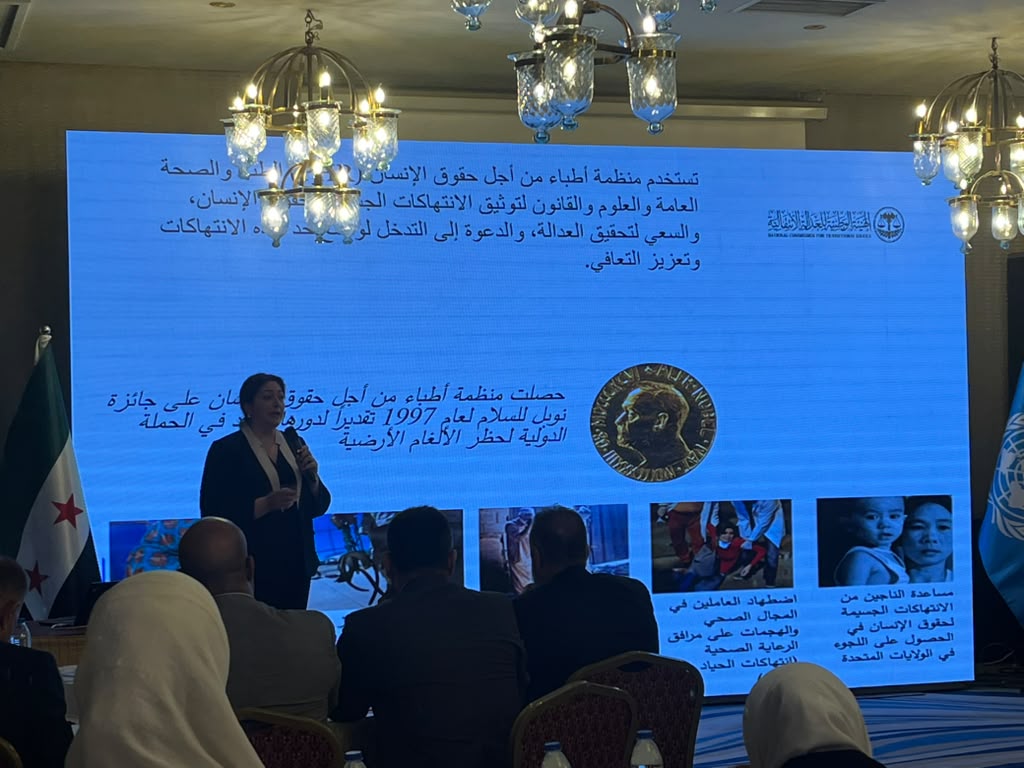
Q: What is the human rights situation in Syria today, nearly two years after the fall of the Assad regime?
Nearly two years after the sudden fall of the Assad regime, Syria is undergoing a massive transition as the Syrian people work to build systems to support human rights, health care, accountability for past crimes, and public trust. New institutions are being created while others are being restructured. The National Commission for Transitional Justice (NCTJ) and the National Commission for Missing Persons (NCMP) have been established to address the legacy of serious violations and support justice for survivors and victims.
These developments provide a foundation for human rights documentation, investigation, referral, and accountability. At the same time, Syria continues to face significant challenges and fragility, including localized flare-ups of violence and limited institutional capacity after years of conflict. Continued coordination among Syrian institutions, civil society, and international partners will be essential to consolidate these reforms, strengthen capacity, and ensure that emerging justice and accountability mechanisms are inclusive, survivor-centered, and responsive to the needs of affected communities.
Q: PHR has worked to defend human rights in Syria since 2011. How do PHR’s years of research, partnerships, and advocacy equip us to make a difference in this new era in Syria?
PHR has worked in Syria for more than a decade to document attacks on health care, the impacts of these attacks, and the targeted detention, torture, and prosecution of health care workers. Throughout this period, PHR has consistently advocated for accountability and worked to ensure that violations in Syria remained on the international agenda. This has included submitting evidence to international accountability mechanisms, engaging with the UN Human Rights Council, and providing expert medical evidence in support of efforts to pursue accountability for the use of chemical weapons in Syria, including proceedings in France.
This longstanding engagement has given PHR expertise, relationships, and an understanding of the Syrian health and human rights landscape that can be brought into this new phase. As Syria enters a period of transitional justice and institutional rebuilding, some of PHR’s longstanding relationships and partnerships are also coming full circle as we work again alongside many of Syria’s brilliant clinicians and advocates. Our years of research and advocacy provide PHR the opportunity to engage meaningfully and support Syrian-led efforts to address past violations and strengthen systems to prevent their recurrence.
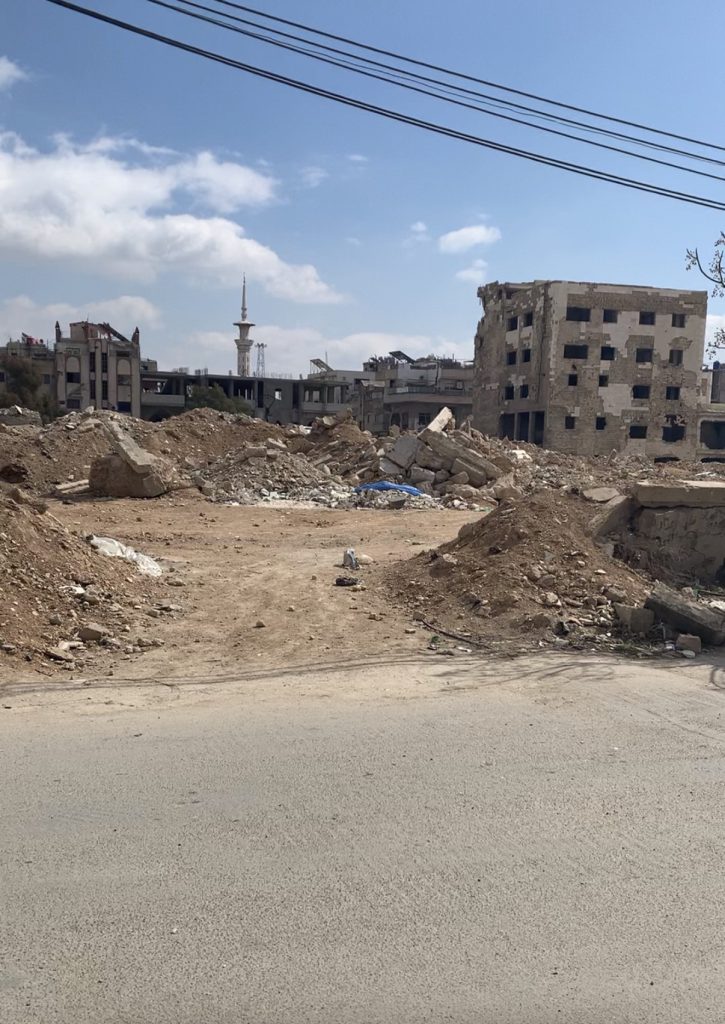
Q: What is PHR doing to empower survivors in Syria and support the capacity of Syrian partners to respond to sexual violence and torture?
For more than a decade, PHR has been well-known in Syria and globally for leading the documentation of attacks on health personnel, including through a first-of-its-kind map of attacks on health care in Syria, and for speaking out against those responsible for the attacks. At the same time, PHR has developed extensive global expertise in documenting torture and sexual violence, including through our work in Kenya, the Democratic Republic of the Congo, Ethiopia, Iraq, and many others. Building on our lessons learned across the globe, PHR is now working with Syrian partners to strengthen how torture and sexual violence are documented and how survivors are connected to care and justice.
Following the change in government, in collaboration with the UN Team of Experts on the Rule of Law and Sexual Violence in Conflict and Lawyers and Doctors for Human Rights, PHR has worked with government institutions, health professionals, and international organizations as well as civil society to assess the forensic capacity of national medical and legal stakeholders. These engagements have highlighted important gaps, but also a strong commitment and opportunity to build more effective, survivor-centered systems.
PHR’s goal is to support capacity strengthening and compliment important initiatives already underway in Syria – as well as to continue PHR’s long-standing documentation, advocacy, and accountability efforts in the country. We seek to empower Syrian institutions and practitioners, strengthening the capacity of health care providers, forensic doctors, legal professionals, and justice actors to document evidence of torture and sexual violence in safe and ethical ways.
Q: What are the main challenges survivors of sexual violence and torture in Syria face today, and what is being done to address these gaps?
Survivors of sexual violence and torture in Syria continue to face significant barriers to reporting violations and accessing care, protection, and justice. This includes fear of stigma, family rejection, and retaliation. Men and boys often face additional stigma and social and cultural taboos that contribute to underreporting. As a result, many survivors do not come forward, leaving important gaps in documentation, truth-telling, and accountability for violations committed during the conflict.
Syria’s post-Assad transitional period has created an important opportunity to establish mechanisms for truth, accountability, reparations and guarantees of non-recurrence, but significant gaps remain in the state’s institutional capacity, evidence preservation, forensic documentation, survivor protection, referral pathways, and access to legal remedies. The scale and geographic spread of violations, combined with continuing human rights concerns during the transition, competing demands on the government, ongoing calls for accountable and democratic governance, and geopolitical volatility in the region, all further complicate efforts to ensure timely and meaningful justice.
There are, however, important efforts underway to address these gaps. Syrian institutions are increasingly recognizing the need for survivor-centered approaches and stronger coordination across the health, justice, and protection sectors. The Ministry of Health is expanding health care and psychosocial support services with an emphasis on centers that are dedicated to survivors, victims, and their families. The National Commission for Transitional Justice is also developing mechanisms to document violations and engage directly with survivors and affected communities through community recovery centers. Syrian and international organizations are supporting these emerging efforts through technical assistance, capacity strengthening, and support for documentation and accountability mechanisms.
Q: What is PHR calling on Syrians and the international community to do to support human rights and accountability? And what can readers do to help?
Syria’s emerging transitional justice process will need to ensure that accountability is inclusive, survivor-centered, independent, transparent, and consistent with international human rights standards. It will also need to address not only individual perpetrators, but the structures and institutions that enabled violations to occur. Ensuring that evidence already documented by Syrian and international organizations is preserved and made usable for future accountability processes will be particularly important.
At the same time, transitional justice cannot be driven exclusively by international actors. Syrian human rights organizations, survivors, health professionals, lawyers, and other national actors have played a critical role in documenting violations for years and should remain at the center of efforts to establish truth, accountability, reparations, and guarantees of non-recurrence. International organizations can provide technical expertise, resources, mentoring, and support, but these efforts should complement, not replace, Syrian-led processes. Coordination and avoiding duplication will be essential.
There is an important role for everyone who wants to support human rights and accountability in Syria. Readers can support Syrian-led human rights organizations that continue to document violations, advocate for survivors, and monitor developments during the transition. Supporting these organizations helps ensure that Syrian voices remain central to discussions about justice and that emerging violations do not go undocumented.
Additionally, supporters can contribute to PHR’s work to strengthen forensic and medical documentation, support survivor-centered approaches, build the capacity of health professionals, and help ensure that medical evidence can contribute to accountability. After more than a decade of documenting violations in Syria, PHR is well-positioned to help connect the evidence and expertise developed over the years with the institutions and systems that will shape Syria’s future, while facilitating exchanges among regional experts and drawing on lessons learned from PHR’s engagement with Iraqi institutions as one example.
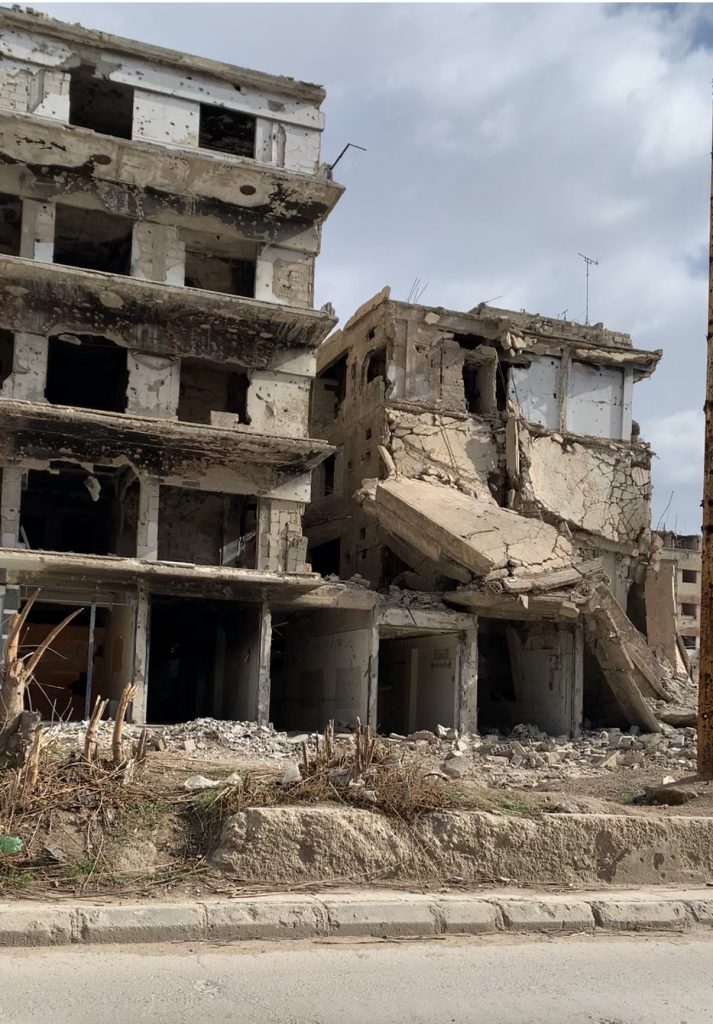
Q: Despite the great challenges Syria still faces, what gives you hope as you look to the future?
What gives me hope is the privilege of being surrounded by Syrian colleagues and friends who have spent years advocating for freedom, rights, and equality. I have met people who left comfortable lives in other countries to return home and to help rebuild Syria, people who are tireless in their determination to find ways to remake Syria – all while remaining honest and transparent about the big challenges that remain.
It has also been deeply encouraging to sit together and openly criticize the current government without having to whisper or look over our shoulders. This is not to say that things are perfect. Syria continues to face serious challenges, and there have been alarming reports of ongoing violations. But the fact that we can speak openly about these concerns and still return to Syria is a significant change – one that was unthinkable during the Assad regime.
For 14 years I had to work behind the scenes, deliberately concealing my public affiliation in human rights work in Syria, out of fear of retaliation against my family who remained inside the country. Being able to return, to speak openly, and to contribute more directly to rebuilding Syria is something I could not have imagined just a few years ago.
The road ahead is undoubtedly difficult, but after everything Syria and Syrians have endured, I find hope in the people who are determined to build a better future.
Physicians for Human Rights (PHR) is a New York-based advocacy organization that uses science and medicine to prevent mass atrocities and severe human rights violations. Learn more here.