A decade ago, the UN Security Council unanimously passed Resolution 2286 condemning attacks on health care facilities and personnel in conflict. While this resolution was hailed as a turning point, attacks on health care have since skyrocketed. 2025 saw a record 1,981 health workers and patients killed, more than twice as many killings as in 2024 and 2023 and more than eight times as many as in 2022.
When hospitals and ambulances are attacked and health workers and patients are killed, the damage extends far beyond the immediate loss of life. Health systems collapse, civilians are cut off from lifesaving medical care, and maternal and child mortality rises.
Yet attacks on health care in conflict have largely gone unpunished. Reinforcing the principle of medical impartiality requires more than just reaffirming it. It demands consistent monitoring, credible investigations, and ensuring perpetrators are brought to justice.
PHR plays a leading role in documenting attacks on health care ranging from the persecution, torture, and killing of health professionals and the bombing of hospitals and ambulances to the obstruction of access to health care and the blockading of medical aid to populations in conflict zones. PHR’s work exposes the nature, scale, and type of attacks committed and their catastrophic effects on public health, health professionals, and patients.
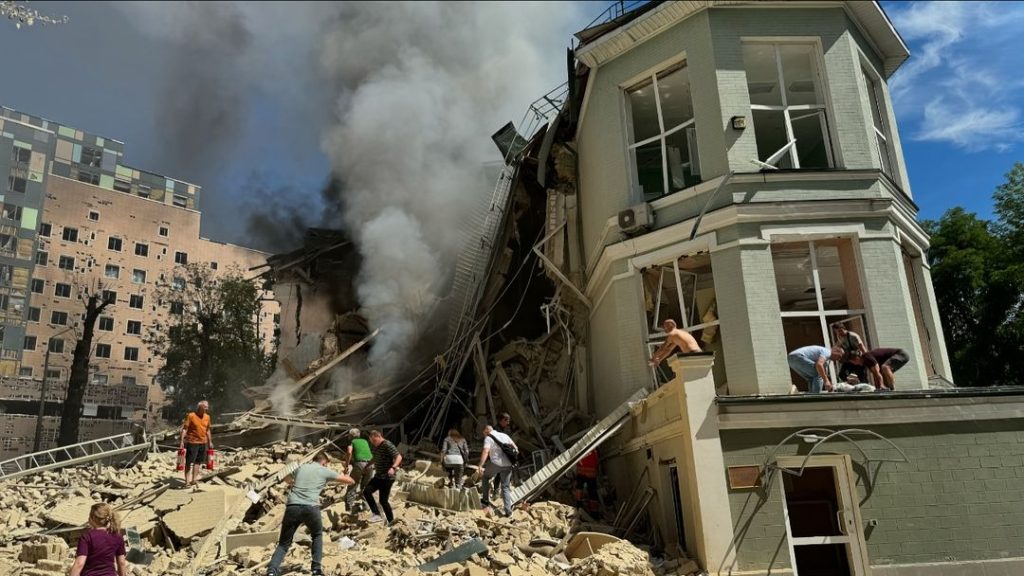
In Ukraine, PHR has collaborated with partners to document attacks on health care in the country since the start of Russia’s full-scale invasion in 2022, publishing our findings in an interactive, online map that serves as a comprehensive public resource. In 2025, we documented a staggering 662 attacks on health care in Ukraine, which killed 87 health workers and injured 152 more. This is the most attacks committed in Ukraine in any year since 2022, with attacks increasing almost 50 percent between 2024 and 2025. In the first eight months of 2026 alone, 601 attacks on health care have been perpetrated – already more than 90 percent of the total for all of 2025.
In total, PHR and our partners have documented 3,332 attacks on health care in Ukraine since February 2022, making this one of the most sustained assaults on health care in a modern war.
Leveraging this trove of evidence, along with findings from our investigations into the disappearance and torture of medics and how Russian attacks on the power grid harm health, PHR has spearheaded advocacy to push for accountability, protect health professionals, and ensure the right to health is upheld. PHR has pressured international decisionmakers to act through submissions and briefings to UN mechanisms, numerous countries’ permanent missions to the UN, and the U.S. State Department, among others. In parallel, PHR has been closely collaborating with investigative mechanisms, sharing our evidence to inform their investigations and case-building efforts.
In the Occupied Palestinian Territories, PHR has monitored attacks on health care facilities, personnel, supplies, and transport since the start of the ongoing war in Gaza in October 2023, demanding accountability for these chilling violations and protections for civilians, health workers, and medical facilities.
In 2025, the World Health Organization reported 460 attacks on health care, which killed 125 people – bringing the total number of attacks since the outset of the conflict to 2,098. PHR met this moment by collaborating with the Global Human Rights Clinic at the University of Chicago Law School to conduct two groundbreaking investigations.
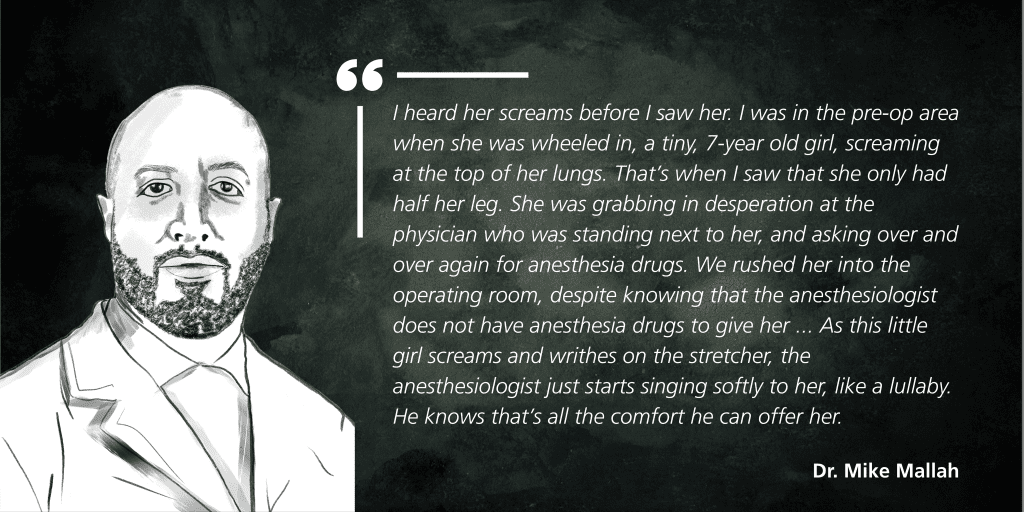
PHR and the Global Human Rights Clinic exposed how Israeli military operations and the sweeping restrictions imposed on basic medical supplies entering Gaza – including anesthesia, gauze, sanitation materials, and orthopedic tools – have compounded the collapse of its already strained health system. Our award-winning multimedia investigation, “We Could Have Saved So Many More”: Anguish and Death Caused by Israel’s Restrictions on Medical Supplies in Gaza, found that Israel’s restrictions on medical supplies have been extreme, inconsistent, and deliberately opaque and have prevented health care providers from maintaining a minimum level of medical care for civilians, leading to preventable, severe pain and suffering and loss of lives.
PHR and the Global Human Rights Council also investigated the impacts of the collapse of Gaza’s health system on the health of women and children. Our report, Destroying Hope for the Future: Reproductive Violence in Gaza, demonstrates how Israel’s destruction of Gaza’s health infrastructure and restrictions on the entry of food, medicines, and medical supplies – including obstetric equipment, infant formula, and other essential care – have contributed to sharp increases in maternal and neonatal deaths, premature births, miscarriages, and long-term harm to reproductive capacity. We concluded that these harms are not isolated incidents but part of an ongoing pattern of systematic damage to the health of women and their children in Gaza that amounts to reproductive violence by Israel.
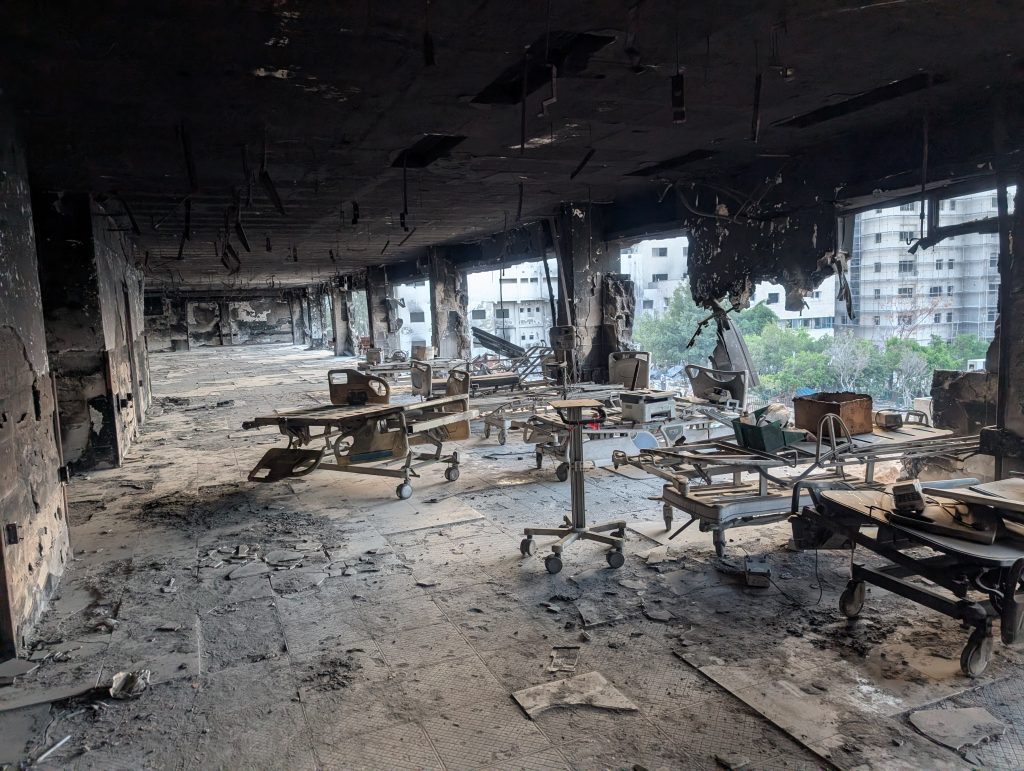
At the heart of both investigations are the firsthand accounts of international health care professionals who traveled to Gaza to provide medical care. Given how severely the flow of information from Gaza has been restricted by Israel throughout the conflict – with international investigators and journalists barred from entry to Gaza – the testimonies of these courageous clinicians are invaluable and complement the reporting of heroic Gazan clinicians.
This story was adapted from PHR’s 2025 Annual Report.
Physicians for Human Rights (PHR) is a New York-based advocacy organization that uses science and medicine to prevent mass atrocities and severe human rights violations. Learn more here.