
As part of Russia’s full-scale invasion of Ukraine, evidence is mounting of widespread torture and sexual violence perpetrated against Ukrainians. Survivors often face compounded harm from stigma, limited accountability pathways, and the challenges of navigating domestic justice systems.
Against this backdrop, Physicians for Human Rights (PHR) is sharing our specialized experience using survivor-centered, trauma-informed methods to strengthen documentation of torture and sexual and gender-based violence in Ukraine. Our model goes beyond technical skill building for individual clinicians. In contexts around the world, we work to strengthen sustainable approaches to survivor medical care and treatment, forensic documentation, and access to justice by taking a systems-wide approach. In doing so, we co-design and develop standardized forms to support forensic documentation of torture and sexual and gender-based violence that can be integrated into national response frameworks. Through decades of partnerships in places like the Democratic Republic of the Congo, Kenya, and Iraq we’ve foster multisector networks to enhance collaboration among medical, law enforcement, and legal professionals, and ensure the comprehensive and compelling evidence collected can be preserved and stand up in court as part of supporting survivors’ healing.
PHR is sharing our specialized experience using survivor-centered, trauma-informed methods to strengthen documentation of torture and sexual and gender-based violence in Ukraine.
Through our collaborations with the medical community and advocacy for institutional policy reforms, PHR is helping health care workers to more intentionally center survivors in their medical practice, with empathy and dignity, so survivors can be more supported when seeking pathways to justice and accountability.

The Challenge of Documentation
High quality medico-legal documentation is crucial to achieve justice, provide holistic care, and seek necessary redress for survivors. As the numbers of survivors of torture grow, there are deficits in experts trained in medico-legal documentation, and regulatory restrictions limit the pool of such experts. Additionally, the absence of a nationally mandated standardized form to document forensic evidence in cases of torture, including sexual violence, is another barrier to achieving justice for survivors.
PHR’s Ukraine program is addressing these challenges at both the policy and practice levels. One major focus has been supporting domestic legal reforms regulating medical documentation of domestic and gender-based violence (Ministry of Health’s Order 278). The planned amendments – currently pending adoption by the Ministry of Health – would introduce a standardized medico-legal certificate based on principles of the Istanbul Protocol, International Protocol on Documentation and Investigation of Sexual Violence in Conflict, and other international guidelines. The amendments would also incorporate a survivor-centered, trauma-informed approach to medical care and forensic documentation and allow non-forensic clinicians to contribute to documentation after appropriate training. In pursuing these policy reforms, PHR collaborated closely with health and legal professionals, and survivor representatives to cultivate national ownership of these reforms. We also worked together to introduce new innovations, such as obtaining informed consent from survivors before undergoing a medical evaluation and including conflict-related sexual violence in the scope of documentation.
Dialogue Puts New Clinical Practices in Motion
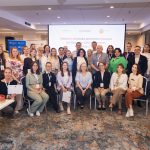
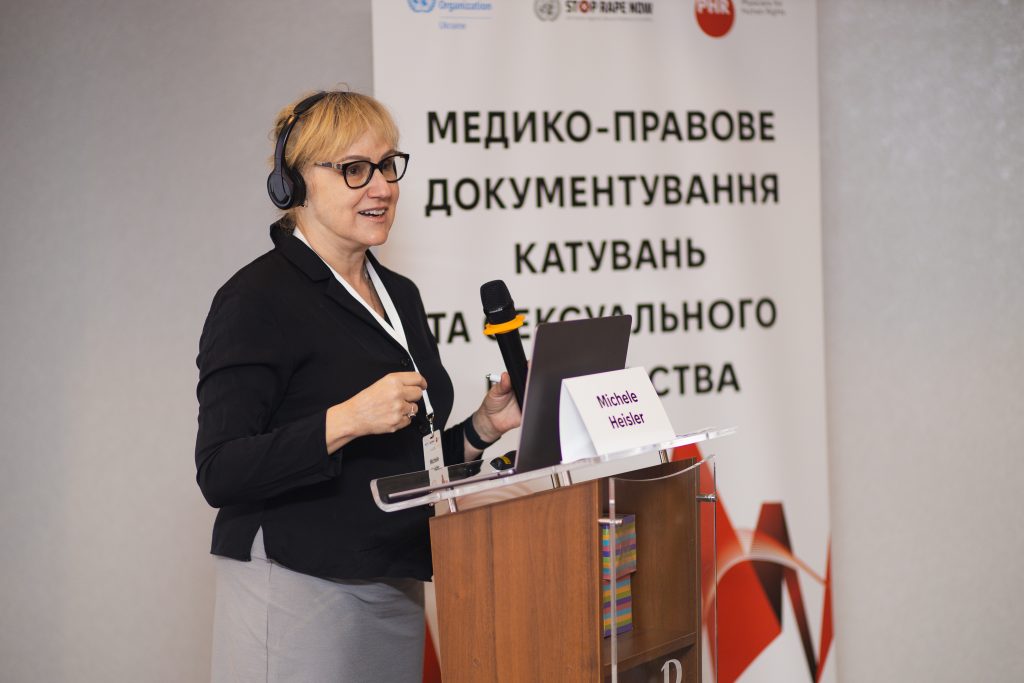
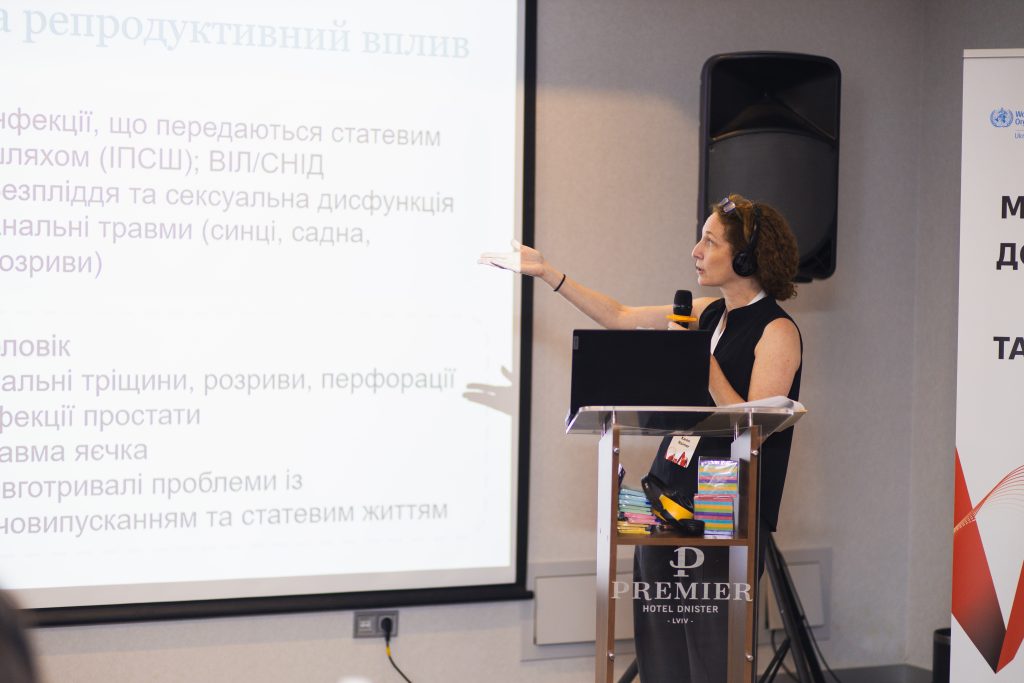
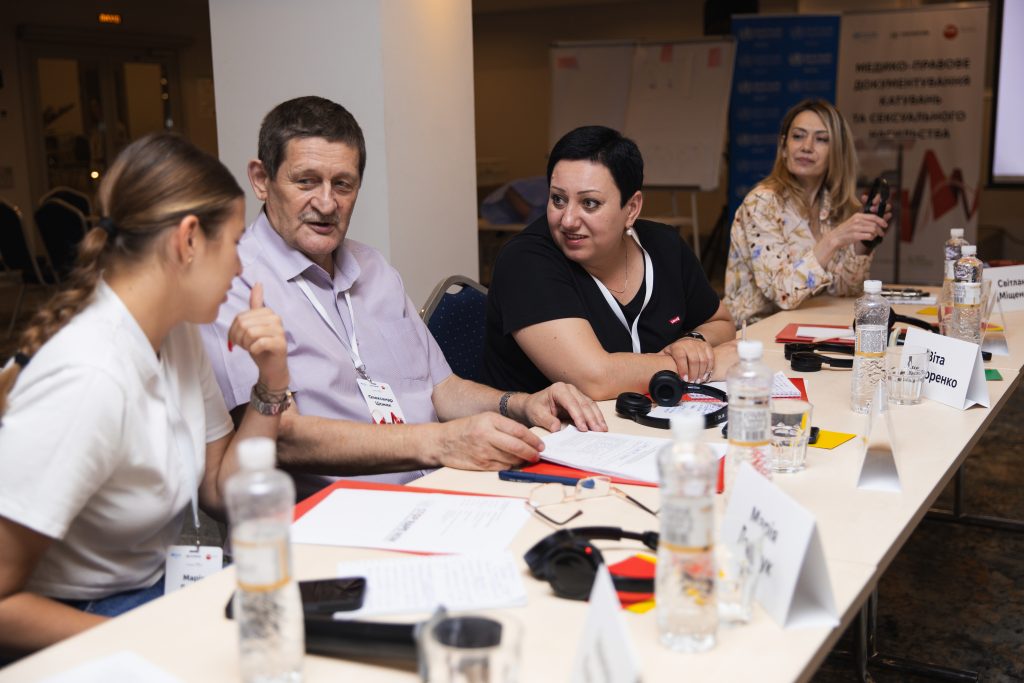
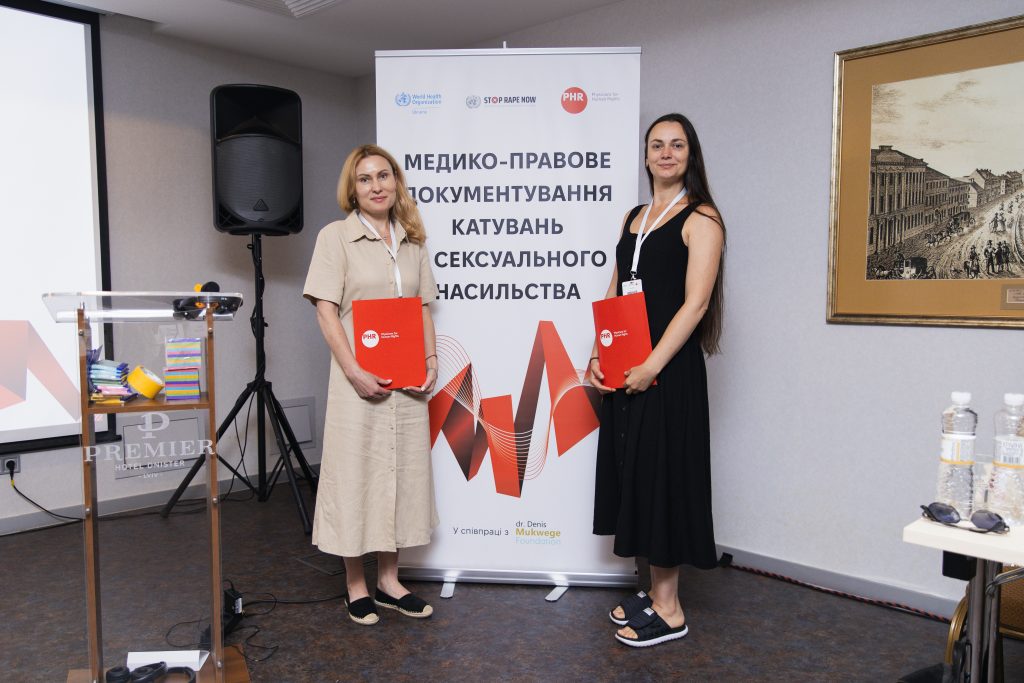
To address the need for clinicians who are trained in medico-legal documentation according to the Istanbul Protocol and other renowned standards, PHR, together with the World Health Organization (WHO), convened more than 25 Ukrainian forensic and non-forensic clinicians for a training on medico-legal documentation of torture and sexual violence in Lviv, Ukraine in July 2025. It followed an introductory overview of medico-legal documentation of torture and sexual violence delivered in June at the UNBROKEN Mental Health Center in Lviv which brought together more than 150 clinicians who work with survivors of captivity, torture and CRSV.
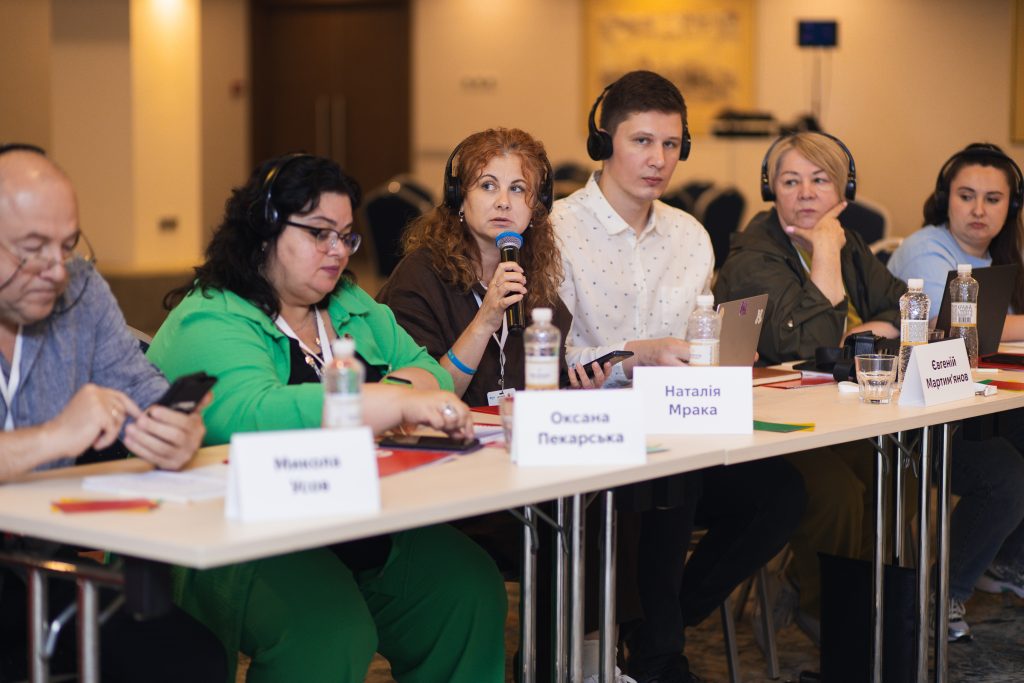
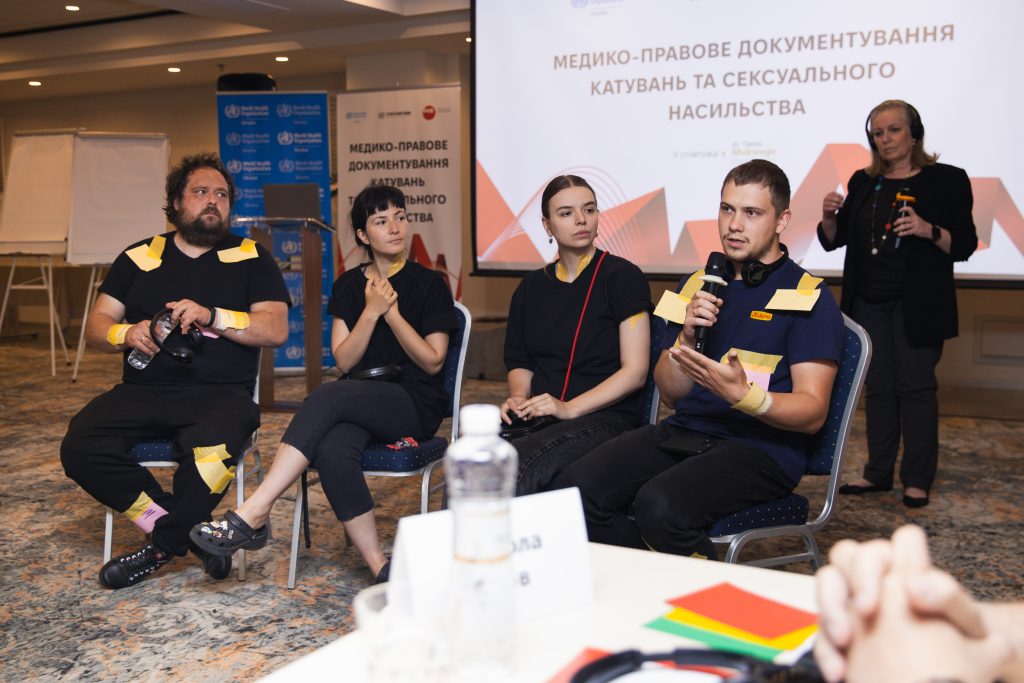
A cornerstone of the July training was the integrated survivor-clinician dialogue, which PHR organized jointly with the Denis Mukwege Foundation, where representatives from more than 10 survivor organizations shared their lived experience and the barriers they face in addressing justice. Clinicians, in turn, spoke to the systemic constraints of their work. This mutual exchange deepened trust, clarified gaps, and inspired pathways for collaboration.
Some survivors shared that the forensic evaluations they had undergone at national health facilities were traumatic experiences because the evaluations were held in rooms that reminded them of the prisons in which they were detained. For example, survivors shared that the bars on the windows of the hospital examination rooms triggered significant anxiety. Upon hearing survivors share this experience, one forensic psychiatric expert took immediate action and issued an order mandating the removal of bars on windows in all their national health institutions across the country.
Over a four-day training, clinicians practiced survivor-centered, trauma-informed interviewing, evidence documentation, and medico-legal reporting using the Istanbul Protocol guidelines and Ukrainian standardized tools. They engaged in case-based discussions and hands-on exercises while also exploring self-care strategies to mitigate vicarious trauma (the cumulative effects of exposure to information about traumatic events and experiences). Post-training assessment showed significant knowledge gains – particularly among forensic experts – and participants praised the opportunity to connect across sectors. Participants showed the strongest gains in ethical principles and interview techniques and understanding the purpose of medico-legal documentation.
As Ukraine continues to face the devastating consequences of Russia’s invasion, these collaborations show that health professionals and survivors working together can bring justice, accountability, and healing closer.