Blog

Protecting Survivors, Ensuring Justice: Week One of the Kavumu Child Rape Trial

Witnesses are cloaked head to toe to protect their identities in court.  
Photo: Physicians for Human Rights

Cloaked from head to toe to shield her identity, the witness was led into the makeshift court room and seated behind a screen. Out of sight of the 18 defendants, she addressed the court.

“Batumike’s militia killed my husband,” she said, referring to defendant Frederic Batumike, a local lawmaker. “They attacked me and I lost consciousness. When I woke up, I found my husband with machete injuries all over his body and no head. They had decapitated him.”

The witness, identified only by the codename T4, was one of dozens expected to take the stand in a landmark sexual violence trial in eastern Democratic Republic of the Congo (DRC). On Friday, November 9, proceedings began in the small village of Kavumu, where prosecutors allege Batumike and an armed militia led a campaign of violence that terrorized the community for four years. The trial is being held in what is known as a mobile court so that the proceedings can take place in the affected community.
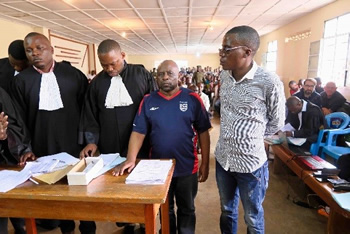
Frederic Batumike (center, blue shirt) stands in court with his attorneys and a translator. Photo: Physicians for Human Rights

Among the defendants’ purported crimes: the kidnapping, rape, and mutilation of 46 girls, some as young as eight months old. Since the first days of the investigation, Physicians for Human Rights (PHR) has worked in partnership with doctors, nurses, and psychologists, as well as military investigators, police, and lawyers, to help gather evidence and prosecute these crimes. (Read more about the case and PHR’s role here.)

While efforts to protect the identities of witnesses and victims may seem routine in these types of cases, the director of PHR’s Program on Sexual Violence in Conflict Zones, Karen Naimer, said such measures are seldom taken in Congolese courts.

“In earlier cases, victims were sometimes forced to show their faces to alleged perpetrators or stand before spectators and defendants,” Naimer said. “Not only did that put survivors at incredible risk, it also risked tainting their testimony because the presence of their alleged assailant could intimidate or silence them. Speaking out about crimes of sexual violence already requires an immense amount of courage and has the potential to re-traumatize survivors. Forcing them to do so without any protection is dangerous and imperils the justice process.”
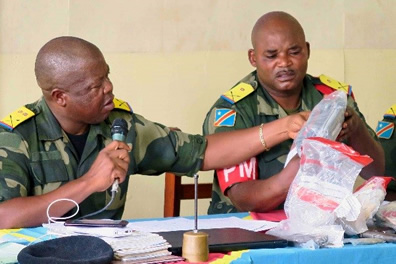
military judges
Military judges review evidence packaged and sealed by PHR-trained investigators. Photo: Physicians for Human Rights

Before the proceedings began, PHR and its local and international partners – including TRIAL International, whose representatives are also in the court room every day – pushed the judges in the Kavumu case to allow witnesses to testify without having to stand before the defense (read all of those recommendations here). The court allowed PHR to provide voice modification devices and said that witnesses and victims could use codenames instead of their real names.

“Congolese authorities and members of the UN peacekeeping force in the country have taken great strides to protect these important proceedings,” said PHR’s police and justice expert, Georges Kuzma, who has been attending every day of the trial so far. “Still, there are perhaps hundreds of supporters of Batumike and his alleged militia members in the community. Those who have spoken out against him have been murdered. These witnesses are bravely testifying in the hopes that such rampant impunity can be halted after so many years of uncertainty and terror.”
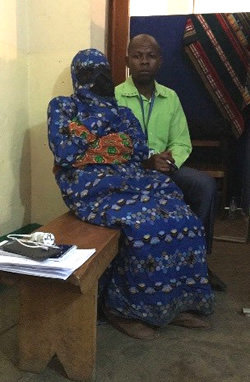
A witness identified only as T4 testified that defendants murdered her husband. Photo: Physicians for Human Rights

For the witness identified as T4, she knows firsthand about such reprisals. Her husband was a local community activist who spoke out against Batumike’s alleged crimes. Prosecutors say that is why, in March 2016, he was murdered. And, despite the safety precautions, an informant who testified against the defendants this past week was threatened outside the court at one point. Military judges warned they would accept no such intimidation during the course of the trial.

At every step of the way, PHR has worked to ensure that sound forensic and physical evidence was properly collected, documented, stored, and entered into the record. During the first week of trial, the panel of judges introduced bags of evidence collected by PHR-trained military investigators. Both Batumike and his wife were asked to answer for their possession of weapons and other incriminating evidence prosecutors presented to the court.

“Good evidence. Good forensics. Good police and medical work. These are the kinds of practices that can bring justice, and that’s why we’ve trained hundreds of health professionals, police, judges, and community activists in these best practices across Congo,” said PHR’s Naimer. “We and our partners believe that staunching sexual violence requires accountability. The survivors deserve at least that much, and trials like this one send a message to the powerful that they are not immune to the rule of law.”

Indeed, as a local lawmaker, Batumike had prosecutorial immunity, but in a show of increasing intolerance for lawlessness in Congo, his fellow lawmakers chose to lift his immunity before the trial. PHR’s Kuzma said that gives a degree of confidence to those who courageously testify against those in power.
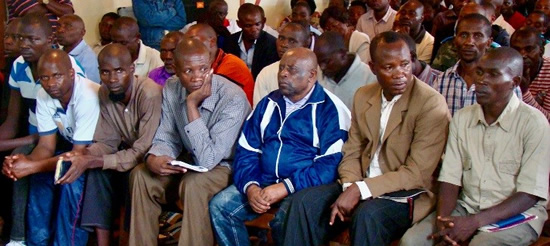
Batumike (center, blue jacket) had prosecutorial immunity that was lifted by his colleagues so he could stand trial. Photo: Physicians for Human Rights

“On Wednesday, a witness became very emotional while she was speaking,” Kuzma said. “But with the rigorous protection measures in place, she said she was motivated to speak and provide whatever information she could that would be helpful in bringing justice. That’s an incredible breakthrough.”

The trial is expected to last until late December. Follow day-to-day developments of the trial on our Twitter feed, review photos on our Facebook page, and, for more information, contact media@phr.org.
Blog

DNA Technology and the Denial of Justice for Survivors of Sexual Violence

This post also appeared on OpenGlobalRights.
En Español
En Français

In January 2011, a taxi driver in a remote town in Kenya raped a 28-year-old hotel receptionist on her way to work. She immediately went to the hospital and reported the crime to the police. The taxi driver was initially convicted of rape, but three years later, a judge in Kenya’s High Court in Mombasa overturned the conviction. The judge didn’t dispute that the victim was forced to have sex, nor did she challenge the doctor’s corroborating evidence.

The judge tossed the case because prosecutors failed to analyze the DNA from the victim’s biological samples. According to the judge, “Such testing is necessary to prove a charge of rape conclusively.” The judge found the accused guilty of indecent assault – a lesser charge that reduced his prison time to three years – and fined him 30,000 Kenyan schillings – around $300.

That decision –which still stands as precedent in Kenya today – reflects the dangers of over-reliance on DNA evidence worldwide. The expectation that “science will prove all” can actually undermine justice for survivors of sexual violence.

There’s no doubt DNA technology in sexual violence cases has strengthened investigations and prosecutions. The technology allows police to collect a wider range of compelling evidence, and DNA may also connect a suspect to a crime scene. But specimens are only meaningful when they can be matched with a reference sample – which means that the suspect must have already been identified, making DNA evidence less relevant in cases of gang rape or conflict-related violence, where perpetrators are often unknown.

What’s more, DNA evidence can’t establish whether sexual contact was consensual – one of the most fiercely contested issues in these cases. And in many instances, biological specimens cannot be produced, for example, if the perpetrator used a condom, or if the survivor bathed after the assault or the survivor didn’t visit a clinic until several days afterward.

But a survivor should not be denied access to justice when there is no DNA evidence. The absence of DNA does not mean the crime did not occur, just as its presence should not lead a judge to conclude a crime did occur.

The case in Kenya suggests the globalization of the “CSI Effect” – a phenomenon where juries and judges won’t convict without the kinds of forensic evidence they see glamorized on television. Yet several studies on sexual assault show that most victims don’t report to health care facilities within three or four days of an attack, the optimal time to collect biological evidence.

In parts of central and eastern Africa, transportation to health clinics can be difficult – in the Democratic Republic of the Congo, for example, poor roads, expensive fuel, and lack of access to a vehicle force survivors in rural areas to walk for several days to get treatment.

Furthermore, most health care providers in less developed regions have not been trained in collecting biological specimens, such as DNA, nor do they have the resources to adequately do so. Health care facilities in rural areas of even middle-income countries typically have limited or no access to rape kits. For those that do, many victims cannot afford the cost if personally charged for the DNA lab analysis. In some countries, including parts of the United States, a rape survivor may be required to pay between $500 and $1,500 for the analysis. And then there is the notorious delay in examining the kits. A lab in South Africa reported a backlog of 20,000 unanalyzed rape kits, and the reported numbers in the United States have reached a staggering 400,000 unexamined kits.

In Kenya, analysts in the country’s main crime lab lament that evidence frequently arrives degraded and contaminated due to poor collection, packaging, or delivery. On one visit, I saw the blade of a panga, a two-foot long bush knife, protruding from its paper wrapping. Samples often have little or no labeling or chain of custody documentation, often required by courts. Failure to adequately collect, preserve, and handle the evidence can destroy a case.

Kenya’s not alone. Studies analyzing sexual assault cases around the globe show that when it comes to the way evidence is collected, documented, preserved, and managed, there is a widespread lack of training and competence among medical, law enforcement, and legal professionals. These studies also indicate an urgent need to address “rape myths” commonly held by first responders – that is, a tendency to question victims’ credibility and minimize the gravity of the crime.

Rather than investing in complex and often expensive technology, policymakers in countries like Kenya must prioritize rigorous training to enhance core competencies. Clinicians should obtain a survivor’s history, conduct a comprehensive physical and psychological evaluation, and document findings in standardized forms to ensure consistency and to more efficiently inform police investigations. That doesn’t require anything beyond know-how and a notepad.

But it’s not just investigators who need training. First responders must be trained to work to support survivors. Physicians for Human Rights and our partners in Kenya and the Democratic Republic of the Congo – doctors, nurses, police officers, lawyers, magistrates, and judges – have seen the extraordinary power of collaborating as a network to develop a standard medical intake form or chain of custody label, simple devices that have resulted in successful prosecutions.

DNA technology may offer judges a tempting means of moving beyond the thickets of conflicting testimony, but it’s no substitute for effective investigations and trainings. DNA evidence should never be required to prove that rape took place. It should instead be viewed as one more tool in advancing justice for victims of sexual violence.

The scourge of sexual violence is an issue finally gaining critical attention. But this case in Kenya should sound a cautionary note against placing unrealistic faith in technological quick fixes. DNA testing is no substitute for the slow, sedulous work of training across sectors and developing basic capacity within domestic legal systems. Nothing less than the full complement of these tools will allow countries to challenge the deeper culture of impunity that enables these crimes and to bring survivors the justice they deserve.

Karen Naimer directs the Program on Sexual Violence in Conflict Zones at Physicians for Human Rights, a New York-based advocacy organization that uses medicine and science to stop severe human rights violations and mass atrocities.  

Blog

PHR Awarded 2017 Dodd Prize in Human Rights

PHR Executive Director Donna McKay and Board Chair Kerry Sulkowicz accept the 2017 Thomas J. Dodd Prize in International Justice and Human Rights at the Dodd Center. Photo: Dodd Center
On November 2, 2017, Physicians for Human Rights received the 2017 Thomas J. Dodd Prize in International Justice and Human Rights at the University of Connecticut’s Thomas J. Dodd Research Center in Storrs, Connecticut. As part of the formal award ceremony, former U.S. Senator Christopher Dodd and the Center’s leadership presented PHR Executive Director Donna McKay and board chairman Kerry Sulkowicz with the award.

 McKay then delivered the following keynote remarks to the audience: 

As Senator Dodd said, I’m Donna McKay, and I’m the executive director of Physicians for Human Rights.

On behalf of our founders, our amazing board and staff, and our heroic partners, thank you so much for this honor. To be honored alongside Louise Arbour, the Committee to Project Journalists, Tostan, Bill Clinton, and our good friend and board member Justice Richard Goldstone is really, truly humbling.

I want to thank you, Senator Dodd, for your leadership in supporting human rights as a cornerstone of U.S. policy. It’s precious to us, and I must say sorely missed right now at this moment in time. I want to thank you, Glenn, the director of the Dodd Center, for the incredible work that you do with students and young people, advisory board member Helena Foulkes, and, of course, University President Herbst. You’ve been extraordinarily generous hosts to us today and we’re looking forward to a full day tomorrow.

It’s really an honor that Kerry and I are able to accept this award on behalf of Physicians for Human Rights.

You know, it’s funny. Both of my parents were school teachers. And to their immense frustration, I often ended up in the principal’s office. It wasn’t because of my behavior, trust me. But it’s because I would find injustice everywhere. I was that little kid who challenged the teachers, calling them out for being unfair, standing up against the injustices of elementary and middle school.

Today, my job and others’ at PHR is to make trouble working at a human rights organization that speaks out against injustice wherever we see it. I hope my principal, Mr. Cirangle, would be proud of this.

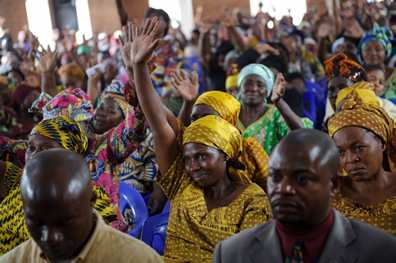
A Congolese woman raises her hand in a service for peace in the Democratic Republic of the Congo

A Congolese woman raises her hand in a service for peace in the Democratic Republic of the Congo. Photo: Phil Moore/AFP/GettyImages

So today I’m here with you to share my experiences at PHR; my honest assessment of where the global human rights movement stands; and what you all can do to help us, PHR, build the next generation of human rights advocates.

But first a bit about PHR. Physicians for Human Rights is a global advocacy organization. We investigate human rights abuses using the powerful lens of science and medicine. We believe – we know – that through evidence, change is possible.

For the past 30 years, PHR has shined the bright light of medicine and science to reveal human rights violations around the world. We exposed the use of chemical weapons by Saddam Hussein’s Iraqi forces against the Kurds in the 1980s. We documented genocide in Darfur, making the case before the International Criminal Court. We exhumed the graves of Bosnian men and boys slaughtered at Srebrenica. Just last year, one of the perpetrators of that worst war crime in Europe since World War II, Radovan Karadzic, was convicted on the basis of evidence that PHR experts gathered some two decades ago. The second, Mladic, is scheduled to be sentenced in The Hague later this month.

At PHR, we hold fast to facts – the cold, hard, unimpeachable truth that result from painstaking investigation and scientific documentation. And we believe that truth matters. Despite some claims to the contrary, there aren’t any alternatives to facts.

In this era of tweets and soundbites and spin, our staff and partners do the meticulous, usually unglamorous, and often traumatic work of careful evidence gathering. As human rights crimes unfold – or are unfolding or in their aftermath – we work with doctors, crime scene investigators, forensic scientists, and public health professionals to uncover patterns of human rights violations. Identifying patterns of violations enables us to determine, for example, whether crimes against humanity have occurred, since they’re defined as widespread and systematic.

Where there are patterns of abuse, there are perpetrators who set them in motion. So we and our partners take the evidence we uncover to courtrooms so the perpetrators will be prosecuted and held to account.

Sadly, the need for PHR has never been greater as human rights crises demand our attention on virtually every continent today. Take Myanmar. Six hundred thousand members of the minority Rohingya ethnic group have fled across the Myanmar/Bangladesh border in just a few months. 600,000. You’ve seen the haunting images and heard of the traumatic tales of violence: children ripped from the arms of mothers and hurled into fires, entire villages torched to the ground. Burmese attackers call them cockroaches, echoing the kind of hateful language that fueled genocides in Rwanda, in Bosnia, in Germany.

And while this madness is being conducted by the country’s military, it’s all taking place under the watchful eye of the country’s civilian leader, a Nobel Peace Prize laureate, Aung San Suu Kyi. The irony is devastating.

So today, a team of PHR experts have rushed to a front line of this catastrophe. They are there to conduct the crucial, painstaking task of documenting evidence of atrocities. They’ll use their medical and public health skills to evaluate physical and psychological injuries. They do this at the request of local human rights groups who hope that PHR’s scientific evidence will outweigh the current propaganda.

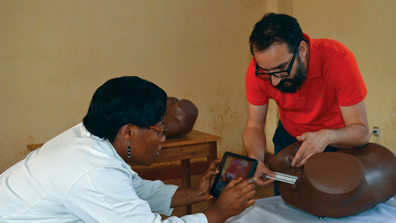
PHR consultant Georges Kuzma and Panzi Hospital’s Dr. Nadine Neema Rukunghu test a forensic documentation app.

PHR consultant Georges Kuzma and Panzi Hospital’s Dr. Nadine Neema Rukunghu test a forensic documentation app. Photo: PHR

PHR’s role in the human rights movement is unique: we ask doctors and health professionals to use the skills they have acquired, their code of ethics, and their

innate sense of humanity to become valiant defenders of human rights. It’s really part of the simple genius of our organization’s founders. They saw a gap in the human rights field that health professionals needed to fill.

I think those same founders would agree when I say that today our role couldn’t be more crucial. Governments and international institutions are failing the victims of human rights violations. Too many leaders incite fear and even hatred of others. Parties to conflicts systematically flout humanitarian norms with impunity.

I’m under no illusions that we are winning the struggle for human rights. But I’m here today to talk to you about how the movement must pivot, how we have to enlist experts like doctors and other professionals in this campaign for our rights, and how you all can be part of a greater drive toward building a world that is more fair and more just and more humane.

Twelve years ago, on this same stage, South African jurist Justice Richard Goldstone explained how the crucible of the Second World War defined our modern conception of human rights. The opening salvo was the 1948 UN Universal Declaration of Human Rights, whose 70th anniversary year, by the way, will be launched next month.

The Declaration was accompanied by the war crimes tribunals in Tokyo and Nuremberg, further galvanizing the ideas of universal rights and justice. It’s at Nuremberg that Thomas J. Dodd, this center’s namesake, cross-examined some of the war’s greatest war criminals. He would later call the trials “an autopsy on history’s most horrible catalogue of human crime.”

Fitting for us that he would use the word autopsy.

A decade later, at the height of the Cold War, the human rights movement began to take shape. Large international organizations and civil society movements emerged to expose rights violations and also promote and solidify norms. From the ashes of war emerged the hope of a new global order, institutions that were meant to protect rights and institutions that promised consequences for those who broke the law.

In 1986, Physicians for Human Rights was founded in Boston to perform the actual autopsies that the elder Senator Dodd mentioned after Nuremberg.

But we weren’t just focused on investigating violations. We also played a role in helping create new international treaties and norms. In 1991, we sent Dr. James Cobey to Cambodia to document the devastating effects of antipersonnel mines, a legacy of years of war. Using the tools of epidemiology, he concluded that one in every 236 people in Cambodia had stepped on a mine. Think about that number for a minute. Imagine walking in the streets of Manhattan, and every block or so passing someone with a leg or a hand that had been blown off by a mine. It’s really unthinkable.

That study led to the establishment of the International Campaign to Ban Landmines. As a founding member of that campaign, we organized medical associations around the world to call for a ban on the production, sale, and deployment of these sinister, indiscriminate weapons. A landmine doesn’t know if you’re a friend or a foe, or child, or an adult.

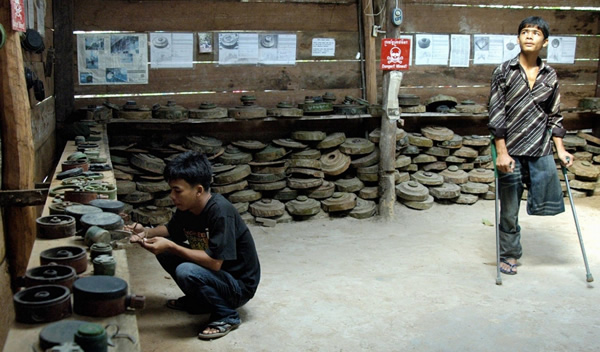
Landmine Cambodia

A Cambodian mine-affected boy stands next to hundreds of defused landmines in a private museum in Siem Reap. Photo: Tang Chin Sothy/AFP/Getty Images

A global mine ban treaty was signed in 1997. It came into force faster than any arms control treaty in modern history. For that work, we shared the Nobel Peace Prize.

But the truth is, our victory was and continues to be incomplete. The U.S., Russia, China, and dozens of other states have failed to ratify the treaty. And we fear that with recent deployment of mines in Myanmar, for example, the strong norm against such weapons could be softening. And it’s not the only international compact that’s at risk today.

One example of the undoing of norms is happening right now in Syria. According to data, painstakingly collected by PHR, there have been at least 478 intentionalor indiscriminate attacks on medical facilities since 2011. More than 800 medical personnel have been targeted and killed. The vast majority of these attacks have come at the hands of the Syrian government and their Russian allies.

This is not collateral damage. This is not a consequence of the fog of war. This is a despicable, efficient strategy to terrorize civilians, murder innocents, and destroy the health system so that those who can’t flee die from a lack of health care. It’s a war crime, and because it is now both widespread and systematic, it amounts to a crime against humanity, and it needs to stop. And, of course, those who carry out these crimes must be held to account.

Since the 19th century, there’s been an international consensus that doctors and hospitals are protected in times of warfare. Under the Geneva Conventions, patients, including soldiers or other combatants, are not a legitimate target once they’ve entered a hospital and laid down their arms.

It’s a concept known as medical neutrality, the principle of noninterference in the provision of medical services regardless of one’s political affiliations. And yet in recent decades – in Bahrain, in Türkiye, in Kashmir, in Afghanistan, in Yemen, and Sudan – we at PHR have seen those protections steadily wane.

In April, we contacted health professionals in the town of Khan Sheikhoun, where the Syrian government had unleashed a terrifying and illegal chemical weapons assault. Instead of running for their lives, medics and nurses ran into the danger.

They donned whatever protective gear they could find. And they watched children convulse, foam at the mouth, and then suddenly stop moving. And just as they were rushing patients into an underground clinic, bombs rained down on the clinic itself. At least 83 people were killed that day, one third of them children. Another pillar of international law appeared to crumble into dust.

In recent years, polio vaccination teams in Pakistan have been attacked. In Mali, militants have stolen ambulances and destroyed medical clinics. In Türkiye, security forces have taken over hospitals and blocked emergency vehicles from reaching clinics. And though many of these attacks are clear violations of international laws and norms, they almost always go unpunished.

We don’t have to live in these countries for this growing practice to offend every sensibility.

At Physicians for Human Rights, we are marshalling a global movement of health professionals and their allies to say: no more. We will not look away. We will not tolerate the murder of one more doctor or the bombing of one more hospital. And we will call out these atrocities wherever and whenever they occur.

Because here’s the thing. Laws and rights and norms like the prohibition against attacking hospitals or a global ban on landmines aren’t just won. They have to be defended every day.

But how do we do that when we sense that governments are failing us? When international treaties are routinely ignored? When members of UN Security Council are paralyzed by their politics?

When I first joined the human rights movement, we were at a similar junction. The Reagan administration was rolling back the implementation of human rights standards globally. And that’s exactly when I joined Amnesty International. Because each time the movement has had setbacks, we’ve rebuilt with greater strength.

We don’t fully know yet what will rise from the ashes of these times.

But it’s clear that it’s time for everyone – physicians, but also engineers and teachers and lawyers, really everyone who believes in human rights – to build a popular movement not just of resistance but of hope. A movement to support human rights that isn’t just elite organizations and western leaders but a movement of all, by all, and for all.

We alone won’t be able to lead a popular movement, but we are optimistic that we can mobilize physicians, nurses, scientists, and others in the health professions to bring their specialized skill set and inherent credibility to the goal of reclaiming lost ground and furthering human rights.

In many ways, this group, because of its stature in many communities, has an inherent credibility and thus a disproportionate impact. So we intend to double down. To invest in growing this network. To do that, we’re becoming force multipliers. We will plant the seeds of humanity in fertile ground. And there is no more fertile ground than in the minds and hearts of health professionals, those who are trained to heal and to protect.

Let me give you an example. One of our close friends and dear partners is a man named Dr. Denis Mukwege. At his Panzi Hospital in the Democratic Republic of the Congo, he performs gynecologic surgery to repair the bodies of women and girls who’ve been brutally raped. But after years of doing this painstaking work, he realized he could no longer just repair the broken bodies of his patients. He needed to become his patients’ advocate.

So we helped train him and his medical staff in best forensic practices. How to collect evidence. Document it. Preserve it. And present it in court.

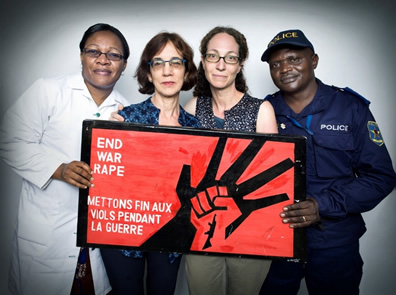
Platon Photo

Dr. Nadine Neema Rukunghu of Panzi Hospital in the DRC, PHR’s director of international policy and partnerships, Susannah Sirkin, PHR’s Program on Sexual Violence in Conflict Zones director, Karen Naimer, and DRC Police Col. David Bodeli Dombi. Photo: Platon for The People’s Portfolio

But it takes more than receptive health professionals. We also work with lawyers and police officers and judges to ensure that evidence can be wielded during justice proceedings. Dr. Mukwege is now a leader fighting impunity for sexual violence in Congo and all around the world.

The same thing has happened in Kenya, where nurses we trained have become trainers themselves.

And, last year, more than 35 years after the bodies of a group of Afghans were dumped into a mass grave, two dozen PHR-trained Afghan forensic scientists carried out their country’s first mass grave exhumation.

The women and men of our networks are expanding human rights and acting as agents of change in their own communities. And collectively, they advance human rights more than any one single organization ever could.

Think about some of the human rights violations we’ve experienced here in the United States. You’re familiar with the ongoing lead poisoning of drinking water in Flint, Michigan. What you may not realize is that it was a pediatrician who showed and spoke out about the doubling and sometimes tripling of lead levels in children’s blood.

For her efforts, she was accused of whipping up “hysteria.” And yet, she persisted. And, by the way, this courageous pediatrician, Dr. Mona Hanna-Attisha, is the daughter of Iraqi immigrants.

All of us must be willing to stand up against authority if that’s what’s required to be on the side of human rights. In the dark years following 9/11, the U.S. torture program was designed and enabled, grotesquely, by a small group of health professionals. Those trained explicitly to ‘do no harm’ implemented ineffective, illegal, and indeed harmful methods of torture that damaged countless lives.

This year, we broke ground with a report showing that health professionals in the U.S. torture program essentially engaged in human experimentation, testing their brutal methods on prisoners in direct violation of the Nuremberg Codes.

And you may have heard: two of the psychologists who designed the program just settled a lawsuit in the state of Washington with three former detainees, a major victory for accountability and a day of reckoning for all the torture program’s victims.

Health professionals should never be co-opted into violations of human rights, and we must support those who are asked to do so and, based on their ethics, must refuse. That’s why we publicly supported a Navy nurse stationed at Guantánamo Bay who, defying orders, refused to violate medical ethics and force feed a hunger-striking detainee.

It’s why we support health professionals like the Utah nurse who rejected a police officer’s demand that she draw blood from an unconscious patient. The more health professionals are willing to stand up against injustice, the better able we are to prevent human rights abuses, and the more successful our cause will be.

In short, we’re working to build a movement, led by health professionals but not exclusively limited to them. At a time of isolationism, we won’t be isolated. Our colleagues will communicate across borders. They will stand up for one another. And at a time when we face incredible challenges, they will help lead the way toward a better future. In fact, they already are.

A few years ago, we trained health professionals from Syria, many who crossed over the borders into Jordan and Türkiye, others still working inside Syria. We trained them in the international standards to document torture and ill-treatment – standards we helped develop in the 1990s. We did this because they wanted to be a part of the future justice process in their country, should one emerge. But we didn’t just supply technical skills. We imparted the language of human rights and shared the common currency of human welfare. These doctors thus become leaders in their own right.

I’m thinking about Dr. Mohammad who was part of our training program very early on, after the war started. And I can recall him sitting across the room as we’re doing this training and him saying, “Excuse me, but this language is new to us. This concept of human rights is not something we have experience with, and the freedoms you talk about are not something that we’ve had.”

We’ve stayed good friends. And just recently I saw a post on his Facebook page speaking out against the atrocities being brought upon the Rohingya. A doctor, right now working in a surgical hospital built into a cave for protection, speaking out against the injustices of another. They have become advocates, speaking out for others. And they’ve latched onto human rights, and they are not letting go.

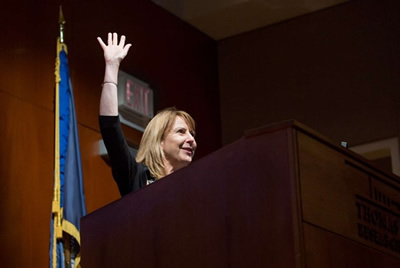
Donna_audience

PHR Executive Director Donna McKay delivers speech after accepting award at the Dodd Center in Connecticut, USA. Photo: Dodd Center

Now for the interactive part of the talk. So who in this room attended the women’s march?

Show of hands, please? Yeah, I thought it would be a lot.

So you’ve already enlisted in the movement. The women’s march was one of the largest global mobilizations in history. A new generation of leaders is emerging. More voices are speaking out, urging their governments, their companies, and their broader communities to live up to the highest standards of human rights.

It’s amazing to watch. History has proven that once you start speaking the language of rights and humanity, it’s nearly impossible to put that good genie back in the bottle.

One of the most inspiring figures I’ve met during my five years at PHR is Dr. Şebnem Korur Fincancı. A leading light in Türkiye’s anti-torture movement, she’s spent her career fighting for those at the margins of society: the disenfranchised and the dispossessed. She collected evidence for the first successful prosecution of Turkish security forces for torture.

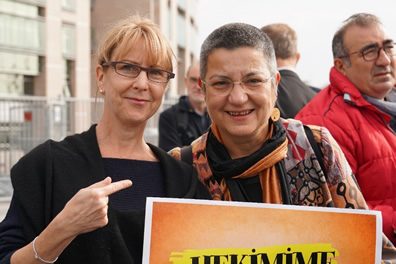
Donna_Sebnem

Şebnem Korur Fincancı and PHR Executive Director Donna McKay in Türkiye. Photo: PHR

But she doesn’t limit the struggle to her home country. She’s part of an international group of forensic and torture experts who go around the world, advising governments and policymakers on how to eliminate torture.

Instead of being honored as the hero that she is, back home she is facing serious persecution. She took part in a free speech campaign for a Turkish newspaper and was promptly arrested and charged with trumped up terrorism charges.

One year ago, I attended Dr. Fincancı’s first court appearance in Istanbul. Here was a hero of the human rights movement, staring down the real possibility of facing years in prison, and she was beaming. She joked about how after so many years of petitioning the government, she may finally have the chance to investigate Turkish prison conditions from the inside. But mostly, her joy and strength came from the many people who came from several countries to support her case. She actually turned her trial into what she called a celebration of humanity.

It’s that kind of resilience that I ask you to emulate. I ask you, in our cynical age, to be voices of optimism. In a time when we feel splintered and disconnected, to find purpose in our common humanity. Tyrants and dictators want us to despair. Because they know that despair leads to dejection and dejection leads to giving up.

Go search for your heroes and draw your energy and inspiration from them. They are everywhere.

One of my heroes is a man named Dr. Jack Geiger. One more story, if you’ll indulge me. Jack, a founder of PHR and a pioneer in the community health movement, helped start the country’s first rural community health center in Mound Bayou, Mississippi in 1965.

As he started working in the community of former sharecroppers, he found that so many of the kids were suffering from malnutrition. So, he started writing prescriptions for food that the local grocer would then bill back to the center’s pharmacy.

The federal office financing the health center caught wind of this system and dispatched an official to reprimand Jack for using dollars earmarked for medical services on food. When confronted, Jack just replied: “The last time I looked in my medical textbooks, the best therapy for malnutrition is food.” And the official let him be.

I pray for a world in which everyone thinks like Jack. A world in which we all look for solutions in earnest; tell the plain truth to those in power and see the value in every human life; stand up for those who don’t have a voice; and work tirelessly to empower every person to become a defender of human rights and human dignity.

Because you see, leadership doesn’t just come from governments, it comes from each and every one of us. From people like Jack. From you.

Thank you so much on behalf of all my colleagues for this honor. And thank you for believing in human rights. Thank you for honoring us and all those health professionals who are ready to stand up for justice and lead us to a brighter future.

You may watch a recording of the event here:

Blog

Landmark Child Rape Case in Congo Goes to Court

Kavumu trial marks turning point for justice and accountability

Today, in the small village of Kavumu in eastern Democratic Republic of the Congo (DRC), 18 defendants are set to go on trial for the systematic rape of 46 young children over a period of four years. The case represents a landmark step in the fight against rape in Congo, a country marked by widespread sexual violence for decades. Physicians for Human Rights (PHR) — along with TRIAL InternationalPanzi Hospital, and a host of Congolese partners — has worked to ensure evidence, as well as survivors’ testimony, will come to light in an open justice proceeding.


“A few years ago, a trial like this would have been unthinkable. For too long, perpetrators of rape in Congo have believed they were invincible, shielded from accountability because the country lacked the forensic and legal infrastructure to prosecute difficult cases of sexual violence. Slowly, signal cases are beginning to demonstrate that impunity is not inevitable. Alongside our national and international partners, PHR has worked to ensure doctors, nurses, police officers, judges, lawyers, and community members have the tools and expertise they require to effectively secure justice.”

Karen Naimer, Director of PHR’s Program on Sexual Violence in Conflict Zones

Absolute Despiration

Nestled in the country’s eastern South Kivu province, Kavumu has been overwhelmed by the abduction, rape, and mutilation of at least 46 young children, some as young as eight months old. The pattern emerged in April 2013, when a five-year-old girl was admitted to Dr. Denis Mukwege’s Panzi Hospital in nearby Bukavu with significant injuries related to sexual violence. Over the course of many months, as more patients with similar injuries presented at Panzi Hospital, it became clear this was not an isolated case. Children were apparently being spirited from their homes in the dead of night, raped and often mutilated, and left in the fields outside the village. As the toll mounted over months and years, the community’s suffering, the hospital’s pleas, and the urgent appeals of human rights organizations were met with silence and inaction by government authorities.


“I think it’s hard for people to comprehend the absolute desperation this campaign of rape inflicted on the people of Kavumu. There’s an abject terror that comes from seeing a community’s youngest and most vulnerable be subjected to such unthinkable violence that has continued unchecked for years. No matter the outcome of the trial, the justice process is a clear signal to communities across Congo and indeed across the region that such violence is intolerable and must be met with a coordinated response from the medical, legal, and law enforcement communities, as well as civil society, which demands the political will to prosecute these cases and support the survivors and their communities.”

Susannah Sirkin, PHR’s Director of International Policy and Partnerships
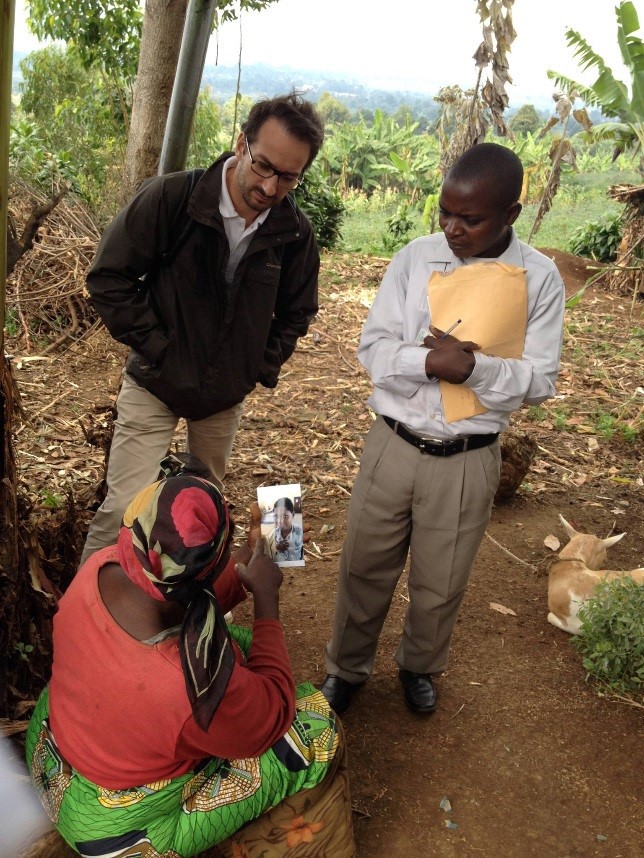
PHR legal and justice expert Georges Kuzma and a police investigator interview a Kavumu resident about alleged perpetrators. | PHR Photo

After the first cases were identified in 2013, PHR convened its local partners to look for patterns, collect information and evidence, and establish a working group alongside the UN mission in Congo’s Joint Human Rights Office, civil society activists, and medical and legal professionals. PHR’s medical, legal, and justice experts helped analyze records of the case, categorize injuries to help establish a pattern of criminality, and assisted in the collection of physical and psychological evidence.

A Priority Case

In March 2016, PHR and its partners urged Congolese authorities to deem the crimes a “priority case” and pursue these crimes as a single matter, constituting crimes against humanity. In March 2016, military justice assumed jurisdiction of the case and began its investigation. In June of that year, after intense pressure from national and international advocates and media, Congolese national authorities arrested several individuals believed to be responsible for these crimes, as well as a string of murders in the area.


“This process has been painstaking, and it would not have resulted in the trial we’re witnessing today had it not been for the Congolese experts who risked their lives to ensure these survivors would have a chance to obtain justice. These first responders have endured threats to their lives and the lives of their families, yet they insisted on doing the arduous work of collecting evidence and advocating on behalf of survivors. It’s a testament to the commitment that health professionals and other partners in Congo have to ensuring crimes of sexual violence are effectively prosecuted.”

Georges Kuzma, PHR legal and justice expert

The 18 suspects standing trial, including a local member of parliament, face charges of murder, as well as broader charges of crimes against humanity by rape, crimes against humanity by murder, and the organization of an armed group. The trial is expected to last three weeks and is being in conducted in a mobile court, a mechanism in which Congo’s military justice system conducts public trials in the communities where crimes have been committed. Judges are expected to hear testimony and will consider monetary and other reparations for survivors.


“When we started the Program on Sexual Violence in Conflict Zones in 2011, our goal was to ensure that sound, unimpeachable evidence would be used to prosecute offenders of horrific crimes. While we don’t know exactly how this trial will proceed, the fact that it is happening sends a signal to perpetrators not just in Congo, not just in central and eastern Africa, but globally that human rights advocates, empowered by science and medicine, will not let your crimes go unpunished.”

Donna McKay, PHR’s Executive Director

PHR’s Work in Democratic Republic of the Congo

The Democratic Republic of the Congo (DRC) has witnessed some of the world’s highest levels of sexual violence over the last two decades, and, as a result, has been a focus of global initiatives to prevent, stop, and punish rape in armed conflict.

PHR’s Program on Sexual Violence in Conflict Zones launched a training and advocacy initiative in eastern DRC in 2011 to help improve skills for forensic documentation and the collection and preservation of evidence of sexual violence. Over the last six years, we have trained more than 1,100 clinicians, police officers, lawyers, and judges in the DRC to collect and document forensic evidence of sexual violence to support local prosecutions of these crimes.

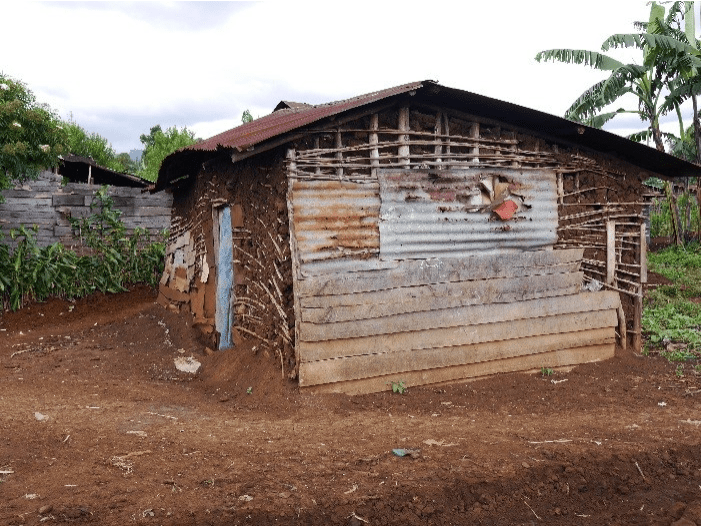
A typical home in Kavumu with a fabric door. Victims were often abducted in the middle of the night and raped in nearby fields. | PHR Photo

A Timeline of the Kavumu Cases

In April 2013, PHR was notified of a series of sexual violence cases coming into Panzi Hospital in Bukavu. Young children were presenting with significant abdominal and pelvic injuries related to sexual violence. In May of that year, a PHR medical advisor worked alongside doctors in Panzi’s sexual violence clinic to conduct the first forensic medical evaluations of survivors.

In the subsequent months, PHR’s network of medical and legal experts convened and traveled to Kavumu to gather more information on the emerging pattern of cases. Georges Kuzma, PHR’s police and justice expert based in Bukavu, led PHR’s efforts to track the cases. More than a dozen cases emerged with a similar pattern: children kidnapped at night from families’ houses and then assaulted nearby. By April 2014, PHR began working with the UN mission in Congo’s Joint Human Rights Office to establish a working group to investigate these cases as a single criminal campaign, with PHR taking on the role of principal technical advisor.

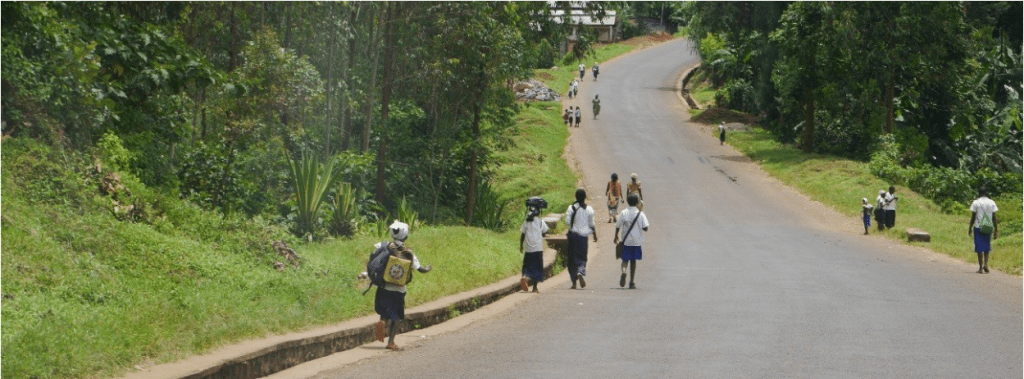
School children walk on a paved road outside of Kavumu. | PHR Photo

PHR’s medical and justice experts began assisting in collecting data gathered by the provincial police as well as Panzi Hospital, analyzing forensic medical forms and records to identify similar cases. Working alongside local investigators previously trained by PHR, PHR experts put together a full case review in May 2014, and in June of that year organized a crime scene investigation. Meanwhile, members of civil society organized demonstrations against child rape and accompanied security patrols in the community.

By August 2014, officials had identified 26 cases fitting the overall pattern of attacks. PHR continued to provide technical support to investigators. PHR’s expert medical consultant, Muriel Volpellier, MA, MD, trained health professionals in the sexual violence unit at Panzi Hospital on how to conduct comprehensive forensic medical evaluations — and how to document their findings using a form developed by PHR. She mentored the two clinicians responsible for responding to the Kavumu cases.

In late 2014, PHR facilitated contact between civil society leaders in Kavumu and the DRC president’s special representative on sexual and gender-based violence, Jeannine Mabunda Lioko Mudiayi, based in the country’s capital of Kinshasa more than 1,000 miles away. At the same time, the Congolese national police appointed a former PHR trainee to lead the sexual violence unit. In November 2014, a PHR delegation traveled to Kinshasa to meet with diplomats and raise concern about the Kavumu cases.

Kavumu Receives International Attention

After PHR and partners began calling attention to these cases in multiple international venues, journalists began reporting on the Kavumu story. By July 2015, a total of 33 cases had been identified. PHR continued working closely with health professionals at Panzi Hospital and among civil society leaders in Kavumu on the preservation of biological evidence to be used in the event the cases moved forward. Under the leadership of a PHR-trained police officer, the investigation was renewed in the last quarter of 2015.

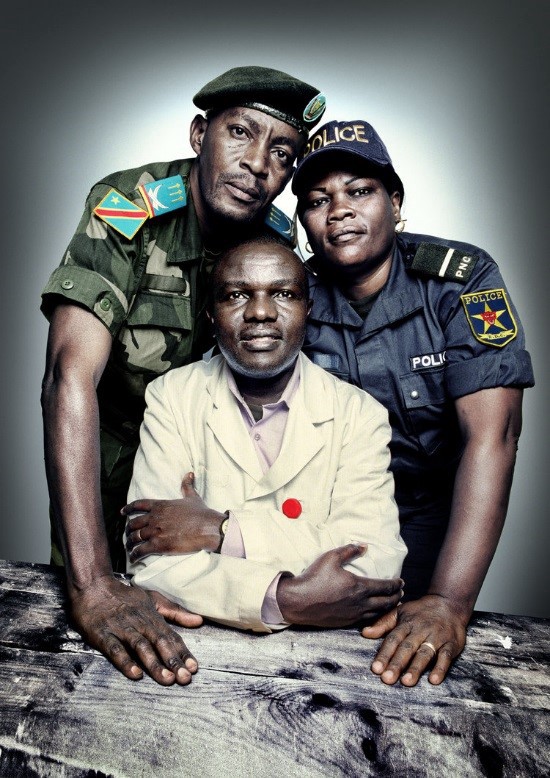
Captain David Kazadi Nzengu (standing left), a military prosecutor; Dr. Désiré Alumeti (seated), a pediatric surgeon at Panzi Hospital; and Honorata Uvoya (standing right), an officer in the Congolese police’s Women and Child Protection Unit. All three trained in best forensic practices with PHR. | Platon for The People’s Portfolio

The Congolese police sexual violence unit deployed two new investigators to Kavumu in November 2015. Evidence emerged of the involvement of a provincial deputy, Frederic Batumike, allegedly the leader of an armed militia. As a parliamentarian, he had some degree of criminal immunity. By March2016, PHR and partners approached military justice officials and convinced them to deem the matter a “priority case” and to pursue charges of crimes against humanity because the patterns of violence had widespread and systematic elements. Military justice officials assumed jurisdiction over the matter because militia members were allegedly involved and because the military justice system is well-positioned to pursue charges of crimes against humanity under international standards.

Also in March 2016, a PHR delegation traveled to Kavumu to meet with civil society leaders and families of survivors. PHR’s Susannah Sirkin published an op-ed on the cases with CNN. In subsequent months, political pressure began to grow to revoke Batumike’s immunity and urge the prosecution of the Kavumu cases. In June of that year, military justice officials arrested Batumike along with dozens of suspected militants in Bukavu and Kavumu. They were held in Bukavu Central Prison and charged with crimes against humanity by rape, crimes against humanity by murder, organization of an armed group, and other charges. Since the arrests, there have been no reports of similar rapes in the area.

In a major setback in late 2016, unknown assailants burned down the Kavumu Justice Hall, destroying numerous records on the Kavumu cases from 2013. Nonetheless, by year’s end, PHR, TRIAL, Panzi Hospital, and the UN Joint Human Rights Office in Congo launched a comprehensive review of the physical and psychological evidence being gathered for trials. As of December 2016, there were 42 total cases.

Putting Together a Case

At the end of 2016, PHR pediatric psychological consultant Dr. Jacqueline Fall and a Panzi psychologist conducted three dozen interviews of young survivors and worked together to document the psychological findings. PHR set up a secure video link to the interviews so that investigators could observe the proceedings. PHR expert medical consultant Dr. Volpellier and a physician at Panzi Hospital together examined survivors to establish additional medical findings and take DNA samples, which were then transferred into police custody. The Panzi physician took the lead and Dr. Volpellier provided support in writing up the forensic medical findings for the court.

In early 2017, PHR experts analyzed mobile phone data to provide mapping information to military justice officials preparing their case. PHR’s police and justice expert, Georges Kuzma, traveled to Bukavu Central Prison to take forensic photos of 14 alleged perpetrators and to collect DNA samples to pass along to military prosecutors. By early summer, Panzi Hospital transmitted its final medical findings from the December 2016 case review.

In September 2017, the case was scheduled to go to trial under case number RMP1653/BMG/NSK/WAV/2016. PHR and partners worked to organize a mobile court setting at a local church. Proceedings began in November 2017against 18 alleged perpetrators with 46 victims and 20 witnesses (though many of the survivors will not need to testify). PHR and partners are set to observe the full proceedings. As many of the defendants still have sympathizers in the region, security is expected to be heightened.

With the trial now getting underway, PHR continues to express our hope that the families of Kavumu can obtain justice for these crimes and that the community can ultimately live in peace. We also believe that the extraordinary collaboration between the medical and legal communities, as well as the involvement of national and international NGOs, can sustain a system of effective response to prevent or support investigations into future incidents of sexual violence.

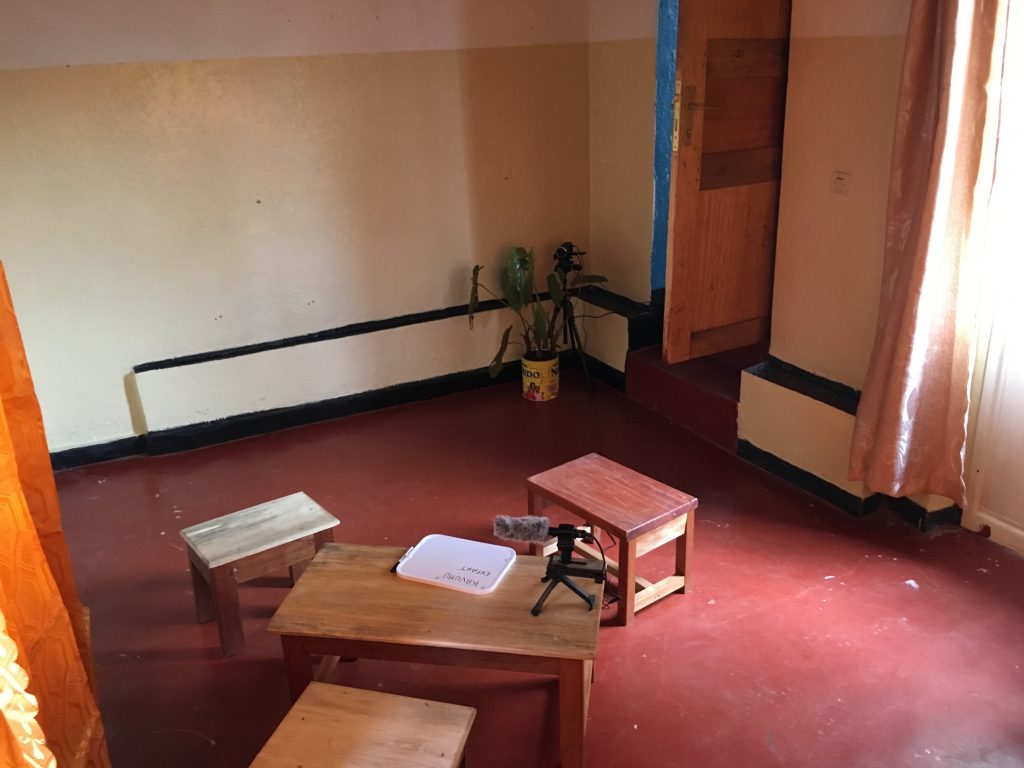
An interview room in Kavumu for recording survivor testimonies to be entered as evidence in the upcoming trial. | PHR Photo
Blog

“Our Work Isn’t Finished Yet”

A Cambodian mine-affected boy (R) stands next to hundreds of defused landmines and unexploded ordnance (UXO) placed in a room of a private museum in Siem Reap. Tang Chhin Sothy/AFP/Getty Images

Twenty years ago, the Norwegian Nobel Committee announced it would award the 1997 Nobel Peace Prize to the International Campaign to Ban Landmines and the campaign’s coordinator, Jody Williams, for their work in securing a landmark treaty to ban antipersonnel mines globally. Physicians for Human Rights (PHR), as a founding member of the Campaign, shared in the prize.

But the work to ban landmines began several years earlier with a joint investigative trip to Cambodia by PHR and Human Rights Watch. One the members of that team was orthopedic surgeon and epidemiologist James Cobey, MD, MPH, who co-authored the seminal report Land Mines in Cambodia: The Coward’s War. Among the findings: one in every 236 Cambodians at the time had been injured by a mine, the legacy of years of war. And that shocking statistic counted only those people who were taken to a hospital.

Dr. Cobey spoke to PHR about how he ended up on that first trip and the chain of events that led to the Mine Ban Treaty, which came into force faster than any arms control treaty in modern history.

How did you first get involved in the initial land mine investigation?

I was sitting in my office – it was March 1991 – seeing patients, and in walks Eric Stover [then a consultant for Human Rights Watch and later executive director of PHR]. He was working with a bunch of groups doing human rights work, and he says, “We’re going to Cambodia for a six week trip.” Eric told me they had been looking for someone with expertise in epidemiology, and before I could interrupt, he said he’d already asked my office to clear my schedule.

We took off a few days later. I was an epidemiologist and an orthopedic surgeon, but I learned a great deal about human rights. I knew the history of Cambodia pretty well, but I didn’t know much about landmines – and I learned a lot quickly. In addition to myself and Eric, we were joined on that first trip by Rae McGrath, an engineer in the U.S. Army. He knew about mines and had founded the Mines Advisory Group.

What were you looking to accomplish once you arrived in Cambodia?

I spoke enough French to get through customs, and when we arrived, Phnom Penh [Cambodia’s capital] was almost empty. There were few people downtown, and we ended up in a small hotel in the city center. It’s there that I came up with my first epidemiological questionnaire and a plan to get data about land mine injuries from other hospitals in the country. Eric, of course, wanted testimony, but I wanted the numbers.

We started going around to government hospitals, NGO hospitals, and ICRC hospitals to gather data. We went through surgical log books. I talked to nurses and looked through about two years of data to see just how many injuries had been caused by mines. We then estimated the total number of hospitals in the country, the overall population, and we came out with an estimate that one in every 236 people in Cambodia had stepped on a landmine and wound up in a hospital.

How did those findings lead to the International Campaign to Ban Landmines?

In 1992, the International Campaign to Ban Landmines began taking shape [read a timeline of the campaign]. The founding members included the Vietnam Veterans of America Foundation, Handicap International, Human Rights Watch, the Mines Advisory Group, Medico International, and of course PHR. Jody Williams came on board to run the whole project. So I went around lecturing medical groups trying to galvanize other health professionals. PHR got the American Medical Association and dozens of other medical and health associations other groups on board to say that landmines were a danger to public health everywhere and to support the call for a ban.

In 1995, Belgium became the first country to outright ban anti-personnel mines, and then, in October 1996, the Canadians said they would try and pull a treaty together in Ottawa. The treaty took shape and was signed just a week before the Nobel ceremony in December 1997.

What kind of injuries do landmines inflict?

Often a landmine destroys one of your legs. If it’s a fragment mine, you hit a tripwire and have additional injuries to the chest or eyes. Sometimes the foot itself becomes a weapon. I’ve had to extract toe bones from people’s eyes – the foot basically became shrapnel. People can also be injured by mines from picking them up. Children do this because kids will pick up anything that looks different. They might throw around a butterfly mine like a toy. In Bangladesh I found people who’d lost both hands from picking up mines, others who’d lost an eye or had traumatic injuries to the face and neck. And, of course, there are the social effects as well. People without a leg are often socially looked down upon, excluded, or can’t get jobs.

Twenty years later, do you see all these efforts as a success? What’s left to do?

Looking back, there are a lot less mines being manufactured. A lot fewer people are dying from mines. We saved many lives because the number of landmine injuries dropped dramatically in the 1990s. But then, after the United States invaded Afghanistan and then Iraq, the issue of IEDs [improvised explosive devices] came up. So now we’re back with people knowing how to make these things at home and back to some of the injuries we saw before the treaty.

And, of course, there are still countries that have not signed the treaty [including three of the five permanent members of the United Nations Security Council: China, Russia, and the United States.]. When I was at a meeting in Tbilisi, Georgia, we sat there with generals from other countries around the region. They said: “The United States has the best military in the world, and if the United States won’t sign the treaty, we won’t either.” So the United States not getting on board is still an excuse for other countries not to sign. Our efforts have certainly saved lives, but our work isn’t finished yet.

Blog

Reconciliation and Justice in Northern Iraq

Yazidi refugees celebrate news of the liberation of their homeland of Sinjar from ISIS in 2015. (Photo by John Moore/Getty Images)

I still remember it vividly. Just over three years ago, in August 2014, I woke up to the news that ISIS – also known as the Islamic State – had launched unprecedented, orchestrated attacks on Yazidi villages in Northern Iraq. Being from Syria, a country plagued by ISIS, I knew very well how ruthless these fighters are. But what happened to the Yazidis exceeded my most pessimistic predictions. ISIS besieged the Yazidi villages, separating the men and boys from the women and girls. They slaughtered thousands of men and older women. ISIS then divided the women according to their age, beauty, and virginity and then sold them into sexual slavery. Those women were raped, tortured, forced into marriages, and made to convert to Islam. As part of a prolonged effort to erase their identity – a crucial element of genocide – young boys were separated from their families and sent to ISIS indoctrination camps, where they were given Islamic names and trained to be child soldiers. This multiplicity of war crimes and crimes against humanity were recognized by many, including the United Nations, the United States, and the European Union, as a genocide. Sadly, it’s a genocide that is still ongoing.

Three years have passed, marked by various political changes and upheavals in Iraq and the region. Attention returned to Iraq recently after Iraqi forces – alongside an international coalition – freed the city of Mosul from ISIS’s grip. Despite that victory, the Yazidi ordeal is far from over. In principle, the Yazidis’ villages have been liberated from ISIS, but they are still unable to go back. Many of their homes are now rubble; others fear being caught again in the potentially explosive internal tensions caused by the proliferation of armed groups struggling for control over Iraq’s Sinjar district, a disputed area under control of several groups. Moreover, more than 3,000 women and children are still in ISIS captivity. Those fortunate enough to have escaped live with memories of violence and suffering etched in their minds, and with a constant worry about family members still in captivity.

In short, the people of northern Iraq have endured an unprecedented wave of violent crimes, destruction, and displacement. In response, Physicians for Human Rights has launched a project to train stakeholders in Iraq to document these crimes, establish a historical record, and contribute to the justice process. Since October 2016, PHR’s team of forensic, legal, and medical experts has met with representatives of governmental and non-governmental organizations, international organizations, and judicial bodies across northern Iraq, as well as doctors, lawyers, and health professionals.

Our initial aim was to gain a comprehensive understanding of the current capacities in Iraq to document, collect, and preserve evidence of war crimes and crimes against humanity. We found that there is a clear need to train local health care workers and first responders on the international standards of documentation of torture, while at the same time ensuring that survivors are protected in the process. Mindful that many international and national organizations, as well as Yazidi ones, are working on the ground, PHR seeks to enhance cooperation and coordination without stepping on toes. The idea is to promote the role of medical and forensic techniques in the investigation and documentation of crimes, but also to avoid potential duplication of efforts and to prevent re-traumatizing survivors.

Besides documentation, PHR is supporting local efforts to design patient-centered roadmaps for survivors who have suffered deep trauma and are in need of long-term psychological and psycho-social support.

“Survivors are severely traumatized and in need of specialized rehabilitation and treatment programs,” said Dr. Nagham Hussain, a Yazidi doctor at the Women and Girls Support Center in Dohuk, which has so far provided care for more than one thousand women and girls. She has taken part in PHR’s training programs in Iraq. “In some cases women don’t talk for months, and, in others, women still identify with their former captors.” In addition, many of the children indoctrinated by ISIS are showing violent tendencies around their families and communities. These boys also require psychological intervention, as do their families.

In our latest trip to the region, we convened health care professionals, forensic doctors, psychologists, psychotherapists, and nurses to discuss future training sessions. We presented the globally-recognized standards for forensic and psychological documentation of torture and sexual violence. We listened to feedback and recommendations from our Iraqi colleagues. Those recommendations will guide us as we design a curriculum that adheres to the religious, cultural, and traditional norms in the communities where we work. Our next trip will bring together not just health professionals but also police, judges, and other members of the community to showcase the importance of coordination among these sectors.

This isn’t PHR’s first foray into this work. We’re adapting what we learned conducting similar successful projects in Kenya, the Democratic Republic of the Congo, and elsewhere. Our Iraqi colleagues are eager to gain and spread the knowledge of international standards of documentation across the country, and we are positive that the training we aim to provide going forward will be the first milestone in a challenging yet hopeful road to provide adequate reconciliation, reparation, compensation, and justice for survivors of ISIS crimes in Iraq.

Blog

Defending Health Care is at the Heart of the Human Rights Agenda

As ambassadors, foreign ministers, and heads of state gather in New York this week for the opening of the United Nations General Assembly, hundreds of critical global issues and vital events vie for their attention. Terror and nuclear proliferation. Development goals and climate change. Reforming the UN itself, its meetings and its budgets. Refugees.

Across the Atlantic in Geneva, UN delegates have been convening at the 36th Human Rights Council for several weeks, and NGOs from every corner of the world have appealed for attention to the trauma and troubles they face: hunger and a collapsed economy in Venezuela; ethnic cleansing of the Rohingya in Myanmar; imprisonment of dissenters in China and Türkiye; conflicts in Iraq, Syria, and Yemen.

Into the mix of crises demanding the world’s concern is the horrifying erosion of the longstanding norms protecting the delivery of medical care during times of peace and war alike. Physicians for Human Rights (PHR) has, since our earliest days in the 1980s, documented and advocated to stop attacks on health personnel and facilities both during civil unrest and in armed conflicts, and to protect the rights of the sick and wounded to medical care.

We’ve worked to provide rigorous documentation of the worst of these violations in today’s troubled world via our online map of attacks on health in Syria. Now, PHR and a coalition of human rights and humanitarian organizations are urging the nations of the world to reiterate their commitments to the laws that protect health and to promise to punish those who violate them. In the case of Syria, the deliberate targeting of health care by governments and their militaries is, grotesquely, an actual strategy of war. The Syrian government and their Russian allies consider those who provide medical care to “the enemy” as the enemy itself.

On Tuesday, as I prepared to speak at an event in Geneva, I learned of the killing of a beloved International Committee of the Red Cross (ICRC) physiotherapist in Afghanistan who worked with those who had lost limbs during the country’s years of conflict. A few months ago, I witnessed the trial of a doctor in the southeastern Turkish town of Şırnak, arrested and jailed for doing his duty: providing emergency medical care to sick and wounded patients. Four witnesses for the prosecution, also prisoners themselves, stated in court that they had been tortured to sign statements against this doctor. Nevertheless, our medical colleague was sent back to prison.

The abduction, arrest, and outright killing of thousands of health care workers, as well as the destruction of and damage to hospitals and clinics, have profound impacts on the health and well-being of populations for years and even decades to come.

Governments have said the right things and passed appropriate statements. UN Security Council Resolution 2286, passed in May 2016, is the first-ever Council resolution that specifically addresses attacks on health services in armed conflicts. The resolution urges member states and the UN Secretary General to take specific proactive steps to prevent attacks and hold perpetrators accountable. But more than one year since its passage by the Council, the laws protecting medical care continue to be routinely violated with utter impunity in dozens of countries. And the Security Council has done virtually nothing to implement its resolution.

In Geneva this week, the governments of Switzerland and Colombia sought to focus on this crisis from a human rights perspective. It is clearly a humanitarian emergency, and humanitarian organizations such as Doctors Without Borders (MSF) and the ICRC have put this crisis squarely on their agendas. Attacks on health also represent a public health crisis, so the World Health Organization (WHO) has launched a vital data gathering effort to help gauge and report the scale and scope of the problem.

But this crisis also belongs at the heart of the human rights agenda as health workers are arrested, tortured, and executed for treating patients or advocating for them; as facilities are invaded, shelled, or bombed; as militaries and armed groups turn hospitals into bases for military operations; as ambulances are fired on; as aid convoys are blocked; and as medicines are stripped out of supply lines in deliberate attempts to harm civilian populations.

The most fundamental rights to life and security of the person are under attack: the right not to be arbitrarily arrested, the right not to be tortured, the right to freedom of movement, and of course, the right to the highest attainable standard of health. These all are threatened by the continual erosion of the rules protecting health care. Indeed, UN Special Rapporteur on the Right to Health Dainius Parus this week called out the ongoing assault on health facilities and workers as an attack on the right to health.

So what can be done? The Safeguarding Health in Conflict Coalition, of which PHR is a member, believes it is critical for the office of the UN High Commissioner for Human Rights and the Human Rights Council to document assaults on health as part of their routine human rights assessments. The UN Special Rapporteur on the Right to Health has made a critical commitment to studying and reporting on laws that improperly criminalize the delivery of health in a range of countries and situations, such as the case I witnessed in Türkiye.

We expect attacks on the medical mission to be incorporated into the next Human Rights Council resolution on the Right to Health, scheduled for June 2018. International Independent Commissions of Inquiry, such as one that must be established by the UN Security Council for Yemen, should pay special attention to the crimes of bombing and shelling hospitals, and of blocking medical supplies during armed conflicts. Critically, the UN’s human rights bodies should call out perpetrators and press for accountability.

Normalization of violence against health should shock the conscience of all states and all people. We look forward to deeper engagement of the UN Secretary General. The human rights and humanitarian responses of governments must be more robust. Working with NGOs and local health workers, we must tackle this crisis together. We have the laws, and we have the rhetoric. We now need action.

Blog

Human Rights Trailblazer at 100


Today, Physicians for Human Rights celebrates the 100th birthday of one of our co-founders, Dr. Carola Eisenberg. With a career spanning well over five decades, Dr. Eisenberg has been a trailblazing physician and human rights advocate. Among her extraordinary achievements, she conducted extensive human rights investigations across Latin America, became the first female dean for student affairs at both MIT and Harvard, and, as a scholar and educator, sparked a passion for human rights across generations of scholars and colleagues.

In 1989, Dr. Eisenberg wrote a landmark piece for the New England Journal of Medicine about the influx of women in the medical profession. In the article, she chastised medical faculties for not providing pathways for women to break out of the lower ranks, calling for more women to be elevated to senior leadership roles.

“Neither I nor any other advocate of women’s rights wants to see mediocre women promoted,” she wrote. “There are all too many mediocre men around already.”

The New England Journal of Medicine has graciously agreed to make the full text of Dr. Eisenberg’s piece available on the occasion of her birthday. Click here to read more.

In El Salvador, Dr. Eisenberg documented some of the most horrific atrocities that took place in the 1980s during the country’s civil war. Among the images seared in her mind: farms leveled by napalm; a woman with a phone book stuffed into her mouth; militias gunning people down in the streets.

“I never believed human beings could do such things to other human beings,” she said. “It was like Dante’s Inferno.”

Dr. Eisenberg returned to El Salvador two more times. She also visited imprisoned doctors in Chile during the Pinochet dictatorship. There, she met a student protester who had been doused with kerosene and set alight, scorching 80 percent of her body and killing a fellow student. Dr. Eisenberg helped transfer the woman to Canada to receive care.

A native of Argentina, Dr. Eisenberg left the country before Perón’s dictatorship, but, as Argentina’s “Dirty War” continued into the 1980s, she heard stories of the violence in her home country. In an interview with the Institute for Healthcare Improvement, she said two of her medical school classmates and close friends had been killed by the government.

“A couple of years later,” she said, “someone asked me whether I wanted to be part of a new organization with four other doctors — to give voice to the people who could not afford to talk. I said yes, so that’s how we formed PHR.”

On the occasion of her 100th birthday, PHR’s Board of Directors wrote:

“From removing gender barriers in the Dean’s offices at MIT and Harvard Medical School, to investigating human rights abuses in El Salvador and Chile, to committing your time and energy to founding and nurturing PHR through its fledgling years, you have provided a moral compass and have guided us by your example.”

Today, Dr. Eisenberg continues to advise and mentor all those whose lives she touched. And, of course, she continues to serve as board member emeritus of Physicians for Human Rights. Happy birthday to one of the heroes of the human rights movement.

Blog

What’s Next for Kenya?

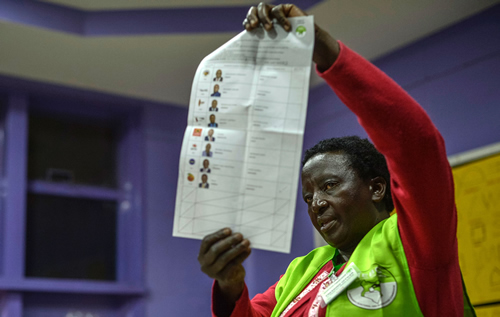
Voters cast their ballot in Kisumu, on Lake Victoria on August 8, 2017. Fredrik Lerneryd/AFP/Getty Images

A conversation with PHR’s Christine Alai

Following a decision by Kenya’s supreme court to nullify August’s presidential elections, the country has plunged back into campaign mode, with new elections slated for October 17. It’s a victory for the rule of law in Kenya, but also a time of uncertainty and potential turmoil.

Attorney Christine Alai is head of Physicians for Human Rights’ Kenya office and part of the organization’s Program on Sexual Violence in Conflict Zones, working to train health professionals, law enforcement personnel, and community health workers in documenting sexual violence. She offered her perspective on what comes next for Kenya.

With new elections now on the calendar, what role do civil society groups play to ensure calm over the coming weeks?

Christine Alai: Of course, first and foremost, we will be vigilant in calling for state agencies to ensure protections for those who might be most vulnerable to violence during this period. It’s a very short turnaround to go into fresh elections with all the complaints and constraints that the [Independent Electoral and Boundaries] Commission faced even during the August balloting, including challenges with the voters’ register, which inevitably disenfranchised a number of voters, as well as problems with the electronic results transmission system.

In fact, I witnessed some of these irregularities as an election observer with the Law Society of Kenya on August 8. At one center I monitored, we had approximately 1,980 registered voters in three polling stations, and by the end of the day there were at least 41 voters who said they were registered but couldn’t be identified using the new biometric voter system and therefore were not permitted to vote.

So, as you can imagine, as we go into another election with an already-contested process, there’s likely to be a contested outcome regardless of the winner. And contested elections often result in protests.

What kinds of demonstrations – and what kinds of human rights violations – did you see in the aftermath of the August balloting?

CA: There were three days between election day and when results were announced, and during that time, tensions had been building. So by the time the government announced that Kenyan President Uhuru Kenyatta had secured re-election, protests broke out, particularly in some of the strongholds of the opposition in Nairobi and Nyanza regions. In virtually all of the affected areas, there was already a heavy presence of police. And protesters were met with brutal force.

The Kenyan National Commission on Human Rights had monitors throughout these areas and said police conducted door-to-door operations. There were reports that police pulled out male civilians and looted and destroyed properties. We also heard allegations that police threatened sexual violence against people in their own homes.

Police used excessive force throughout that weekend and employed live ammunition against reportedly unarmed demonstrators. By August 12, there were reports of at least 24 deaths at the hands of police. A recent report from Human Rights Watch showed that hundreds were seriously injured, and that among the dead were two young children, a nine-year-old and a six-month-old.

There were also credible reports of rape and sexual violence, including at the hands of police and others who may have taken advantage of the turmoil following the elections. Our partners, including community health volunteers and medical professionals, have told us they’ve received cases and are working to refer survivors to ensure they receive holistic medical, psychosocial, and legal care, as well as proper forensic documentation that will ensure those survivors can seek justice in a court of law. So far, we’ve counted at least three dozen reported cases, but those are not final figures.

Kenyan Electoral Official

An electoral Commission official counts ballots at a polling station in Nairobi on August 8, 2017. TONY KARUMBA/AFP/Getty Images

PHR is still engaged in a court case brought by survivors of sexual violence from the aftermath of the 2007 elections. How does the knowledge from that case inform your work right now?

CA: Because of that case, we’re very cognizant of the potential gaps in terms of accountability and prevention when it comes to sexual violence. That’s why we feel it’s urgent that the state and other stakeholder not wait for survivors to come forward. Instead, the government must take proactive steps to encourage survivors to come forward and receive needed medical-legal services in a timely manner.

Today, we have confidence that among the health professionals and others we’ve trained we can get strong evidence to help fill the kinds of gaps we saw ten years ago. Now, we know that when survivors go to service providers we’ve trained, they will receive a proper exam and there will be the proper collection and preservation of evidence.

As much as we’ve accomplished, however, there are still significant shortcomings when it comes to preventing and effectively responding to the kind of violence we witnessed ten years ago. For instance, nurses in public hospitals in Kenya have been on strike for over 90 days. Thankfully, the violence in August was not that widespread and private hospitals were able to offer an adequate response, but other facilities were virtually nonfunctioning. Elsewhere, there were inadequate supplies of rape kits and other tools necessary for evidence collection.

We’ve been in court for many years now stressing accountability not only for the attackers of the eight survivors in this particular case, but for accountability in a broad sense. But because the proceedings have been delayed, there has been no demonstrable action from the state on the steps it is taking to ensure that police are not involved in the kinds of violations we saw in 2007. Because there hasn’t been accountability, we can say there isn’t yet sufficient deterrence or prevention.

Blog

Raqqa Offensive Has Destroyed City’s Health Care System

Physicians for Human Rights says the city is left with one remaining hospital for tens of thousands

Intense fighting in Raqqa has devastated the Syrian city’s health care system, even as the offensive to release the city from ISIS control has increased the need for emergency services among an ever more desperate population. In interviews with health professionals and relief personnel, Physicians for Human Rights (PHR) has confirmed that Raqqa’s poorly-equipped National Hospital is now the only health care facility operating to serve tens of thousands of people remaining in the city.

“The stories coming out of Raqqa right now are truly nightmarish. The city has been under nearly continuous bombardment since June, demolishing hospitals and clinics. Raqqa is a deathtrap where civilians who have already suffered for years under ISIS rule now also suffer the deadly consequences of the fight against ISIS.”

Racha Mouawieh, PHR’s Lead Syria Researcher

With virtually no emergency services or rescue personnel left in Raqqa, PHR’s sources said few civilians are even able to make it to the one remaining hospital. For those who do, the care is woefully inadequate. Ongoing fighting in the region has also prevented aid convoys carrying medical supplies from reaching the city since ISIS, also known as ISIL or the self-declared Islamic State, took control in 2013. And for those attempting to flee, they are at risk from ISIS landmines and snipers that ring the city, as well as coalition strikes.

“Conditions in Raqqa are truly unthinkable,” said Dr. Homer Venters, PHR’s director of programs. “At Raqqa’s National Hospital, we’ve been told wounds are sanitized with just water and salt. Traumatic injuries are only treated to stop the bleeding. And even if civilians can escape the snipers and landmines encircling Raqqa, they have to travel 90 miles or more to get any additional treatment. It’s hell on earth.”

The latest offensive in Raqqa, launched by U.S. and coalition forces in early June this year, has involved intense bombing and shelling. PHR field sources say that since that time, any civilian gathering in Raqqa appears to be interpreted as a military target for aerial bombing or shelling. They say that, as a result, residents have stopped attempting to rescue the injured from the rubble.

“Right now, our contacts on the ground are merely begging for time between the relentless bombings to at least be able to retrieve their wounded or dead family members from the rubble,” said Mouawieh. “Because Raqqa is ISIS’ self-proclaimed capital and main stronghold, coalition forces seem to feel they can totally disregard the lives and dignity of people trapped there.”

Since the beginning of the conflict, PHR has documented at least three attacks against Raqqa’s National Hospital. Today, PHR calls on all parties to ensure the protection of civilians, access to medical care, and safe evacuation for those seeking to flee.

A displaced Syrian woman walks near debris close to an abandoned building where people take refuge in the town of Tabqa, about 55 kilometres (35 miles) west of the embattled city of Raqqa on September 6, 2017. DELIL SOULEIMAN/AFP/Getty Images

Dr. Muhammad

When ISIS took control of Raqqa in 2013, thousands of civilians fled, including many health care professionals. Dr. Muhammad, a medical specialist whose name we’ve changed to protect his identity, was one of the few health professionals who continued working in the city until he was forced to flee due to the latest offensive.

Like other clinicians, Dr. Muhammad was forced to close his clinics and dispensaries and started receiving patients in his home. As medical supplies dwindled, he could only provide very basic medical care. Dr. Muhammad told PHR: “I went two or three times to a pharmacy, but it was always closed.” He said his patients would take any medication rather than go to the hospital, fearful that the hospital would be shelled or that they would face extortion or mistreatment from the ISIS fighters stationed at the facility.

Dr. Muhammad finally decided to leave Raqqa in mid-August after an airstrike killed two of his colleagues while they were at home. Their houses were reportedly leveled by coalition strikes. While Dr. Muhammad was fleeing the city with his daughter, a landmine exploded, injuring Dr. Muhammad and killing his daughter.

“You can hear about it but you will never imagine it. Living it is not like hearing about it. This is beyond imagination. We had nothing to do with anything in Raqqa, and we are paying the highest price. This is indescribable. There is misery at every level.”

Dr. Muhammad

Issa

Issa, a relief worker in Raqqa province who asked that we not identify him by name, confirmed the limited health care capacity remaining in Raqqa governorate, the province that includes the city of the same name. “There are two hospitals in Tal Abyad, a private hospital at al-Hakme, and the National Hospital,” he told PHR. Tal Abyad is located more than 50 miles from the city of Raqqa. “Last week, they opened a private hospital in Tabqa. The hospital has a capacity of 20 beds, an operating room, and an ICU. There are many doctors in Tabqa, as most were displaced here.”

Issa told PHR there is little coordination of health care in the region. There are two Médecins Sans Frontières mobile field clinics north of Raqqa. He said the injured receive first aid there and then get transferred to Tabqa, Tal Abyad, or Kobane. Kobane hospital is located some 90 miles from Raqqa and is the best equipped to treat traumatic injuries. If people are fleeing to the south, he explained, there is no triage point, and then patients attempt to travel to Tabqa, where treatment might not be available.

The provision of health care for chronic and acute illness is also inadequate in the governorate. Issa told PHR: “There is no insulin in the area. The insulin is rare and, when found, very expensive.”

“Tabqa national hospital should be rehabilitated. The area has been out of ISIS control for five months,” Issa told PHR. “The hospital is not severely damaged, and it was one of the most important hospitals in Syria. Putting the hospitals back in service should be a priority.”

Issa

Get Updates from PHR