Blog

A Time for Truth in Afghanistan

Afghans have endured injustice for decades. Victims languish in an environment where abuses are committed with impunity, fueling resentment and the country’s conflict itself. Amnesty International recently published a report examining accountability for civilian deaths caused by international military operations in Afghanistan. The report focused on 10 incidents involving the U.S. military between 2009 and 2013 where civilians were killed under questionable circumstances. The investigation found that in 140 cases of civilian deaths, there was “abundant and compelling evidence of war crimes.”

Medical and forensic experts from Physicians for Human Rights (PHR) have witnessed similar abuses committed with impunity in Afghanistan. Between January and February 2002, PHR experts traveled to northern Afghanistan and reported on the horrific detention conditions facing surrendered combatants and an apparent mass grave in Dasht-e-Leili, where as many as 2,000 prisoners may have been buried. Following the fall of Kunduz in November 2001, these prisoners surrendered to the Afghan Northern Alliance under General Rashid Dostum and to the U.S. Special Forces supporting him. Allegations suggest that Dostum’s forces suffocated the prisoners in cargo containers and then buried the dead in Dasht-e-Leili, on the outskirts of the northern city of Sheberghan. Allegations by Afghan detainees suggest that U.S. troops were either present at the time or knew about the killings. In April 2002, under the auspices of the UN, PHR uncovered the remains of more than a dozen bodies and confirmed that the cause of death was consistent with asphyxiation. PHR repeatedly called for the full protection of and a thorough investigation into what appeared to be a mass grave site.

PHR returned to Dasht-e-Leili on behalf of the UN to survey the site in 2008. Upon arrival, PHR found that the area had been disturbed and large parts of the alleged mass grave site had been removed. The UN denounced this development, as the site and the evidence had clearly been tampered with despite recommendations for an investigation back in 2002.

While calls have been made over the years for an investigation into Dostum and his forces, allegations against the United States around Dasht-e-Leili have gone unanswered. PHR requested an investigation into U.S. involvement, but silence has generally prevailed, even when the Bush administration was accused of deliberately impeding investigations by four separate government agencies into the killings.

U.S. mainstream media has also failed to take the allegations seriously. Salon reported that the New York Times withheld information suggesting that U.S. troops were present during the massacre, fueling speculation that the U.S. government opposed any investigation into the massacre out of fear that evidence of its role would be exposed.

PHR has continued to call for a full investigation into what happened to the victims of the mass grave at Dasht-e-Leili. A thorough and independent investigation would send a signal to Afghans that no one is above the law – not even U.S. officials. In many ways, the Dasht-e-Leili mass grave demonstrates how both the international community and the government of Afghanistan have failed the Afghan people. The lack of justice reinforces the norms experienced by everyday Afghans: impunity for the powerful and tolerance for brutality. Ignoring what happened at Dasht-e-Leili signaled to the surviving families that the international community had no interest in providing Afghan citizens with the truth.

Afghans have a right to know what happened to those buried in the mass graves that dot their countryside, and peace cannot be achieved until justice is served – especially for crimes committed or countenanced by the United States. The U.S. government must be held accountable for violations committed in the countries in which we wage war, and the withdrawal of troops does not relieve us of this responsibility.
Blog

Psychologists Must Stand by their Ethical Obligations

American psychologists designed and oversaw the brutal regime of interrogation used on detainees in U.S. military custody at Abu Ghraib, Guantánamo Bay, and elsewhere during the U.S. war on terror; but the profession has yet to punish any psychologist who participated in torture or to fully distance itself from this legacy.

The ties between psychologists, the American Psychological Association (APA), and the U.S. military date back at least a century. The APA directly recruited psychologists into military service during both world wars, where they evaluated new recruits, assisted in the treatment of soldiers with “shell shock,” and offered advice about captured enemy soldiers in order to make interrogations more effective. In 1919, the APA elected the army’s highest ranking psychologist as its president. After World War II, the navy established one of the first APA- approved internships. The tradition has continued and today the Department of Defense (DOD) is the single biggest provider of psychology internships in the country. Additionally, 7 percent of all psychologists are employed by the DOD.

After the involvement of psychologists in the CIA’s abusive detention and interrogation practices came to light in 2004, the American Medical Association and the American Psychiatric Association issued statements prohibiting participation in interrogations as a violation of medical ethics. In stark contrast, the APA allowed psychologists to participate in interrogations, including those that meet the definition of torture under international law. This position, which was adopted in 2005 with some secrecy about its drafters, was outlined in the APA’s PENS report. The position outlined in the report remained in effect until 2013, when it was repealed.

But the questions remain: Why did psychologists allow the PENS report – a policy condoning torture and the violation of APA’s own code of ethics – to be passed in the first place? And why did it take eight years to rescind it?

Medical colleagues and I were curious to know what psychology students knew about the ethical responsibilities of military psychologists, so we surveyed 185 students at 20 different graduate programs in clinical psychology. We wanted to find out whether they were aware of their professional obligations during military service, including under the Geneva Conventions – the most widely cited set of international standards.

Through our research, we found that 74 percent of psychology students had received less than one hour of instruction about military medical ethics. Even though 75 percent claimed to be familiar with the Geneva Conventions, the majority gave incorrect answers when tested on specific points. For example:

  • Only 37 percent could correctly identify that the Geneva Conventions apply irrespective of whether war has formally been declared
  • 43 percent did not know that the Geneva Conventions state that physicians should "treat the sickest first, regardless of nationality”
  • Half of the students did not know that the Geneva Conventions prohibit ever threatening or demeaning prisoners as well as depriving them of food or water for any length of time
  • 48 percent could not state when they would be required by the Geneva Conventions to disobey an unethical order from a superior

Based on these findings, my co-authors and I surmise that not only do psychology students learn little about the professional standards that constrain unlawful and unethical practices, but they also have a false sense of complacency about their knowledge of such matters. This is a troubling finding, given that psychologists lacking an understanding of their ethical obligations are less prepared to disobey, let alone protest, unethical orders, and are more likely to be compliant when told to assist interrogators in ways that violate international standards.

Although the APA recently annulled the PENS report, it still positions psychologists as adjuncts to national security by allowing them to participate in interrogations under certain circumstances. The Senate’s report on the CIA torture program — whose 500 page executive summary is poised to be released — will likely reveal further details of this complicity. Given the APA’s lack of moral clarity and flouting of international law, it is imperative that psychology students receive more education in military medical ethics in order to prevent a repeat of psychologist participation in abusive interrogations and torture.

The fact that the detention center at Guantánamo ever opened – much less is still in operation and continues to abuse detainees, most recently by force-feeding hunger strikers – will likely go down as one of our country’s most egregious ethical lapses. Psychologists need to be educated about the Geneva Conventions and other international codes of ethics to ensure they do not become pawns of the U.S. military establishment – inadvertently or otherwise.

APA members need to demand that their organization not take positions that are contrary to international law and to ensure that psychologists who have committed crimes in the name of patriotism are held accountable for their actions.

The complete findings of our research were published this month in the International Journal of Health Services.

Blog

Health Workers Must Treat with Medicine, Not Politics

The use of health programs by the United States Agency for International Development (USAID) to recruit political activists in Cuba is reprehensible and unacceptable. Using health care as a cover for political activities goes against the internationally accepted principle of medical neutrality and is harmful to the wider practice of providing medical aid in countries around the world.

An investigation by the Associated Press has revealed that USAID has sent nearly a dozen young people from Latin America to Cuba over the last two years to support democratic reform by recruiting political activists who are against the Castro government. These individuals used an HIV-prevention workshop as a ploy to find political activists within groups of patients. USAID documents referred to the HIV-prevention workshop as a “perfect excuse” to conduct political activities.

Health workers are protected under the international principle of medical neutrality, which specifically outlines that governments must not interfere with the duties of medical professionals, especially in times of national and international armed conflict and civil unrest. Political goals should never enter the trusted relationship between a doctor and a patient, and health facilities should never be used for covert political operations.

The concept of espionage runs directly against the notions of honesty and trust, which are essential to doctor-patient relationships and form the foundation of successful medical care. When health care workers have ulterior motives, such as political interests, the trust between doctor and patient is compromised and the broader reputation of public health programs is called into question.

Such activities jeopardize the credibility of the United States and put other USAID programs around the world at risk – programs that, when implemented properly, can significantly improve health care and other essential services. The recent operation has the potential to negatively affect the credibility of USAID health programs not only in Cuba, but around the world.

Similar methods have been employed to gather intelligence in the past, including the CIA’s use of a polio vaccination program in Pakistan to assist in locating Osama bin Laden. After the program was revealed in 2011, widespread distrust for health programs and vaccination campaigns in Pakistan followed, leading to the persecution of health workers and the resurgence of polio in the country. After condemnation by public health experts, President Barack Obama also denounced the CIA operation and vowed to never again use vaccination programs to gather intelligence. President Obama should make a similar decision to ban all subversive activities that interfere with important public health interventions, such as the program in Cuba.

Disease outbreaks around the world, from cholera to Ebola, demonstrate that disease management and eradication require global cooperation. When the credibility of these efforts are undermined, the potential risks to the global and local communities can be devastating. Health care efforts and medical facilities must remain refuges for medical care that strengthen, not erode, the trust between the health workers and communities they serve.

Multimedia

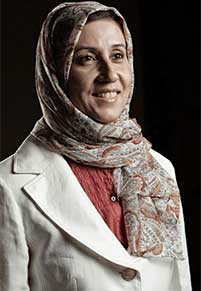
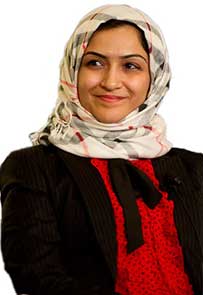
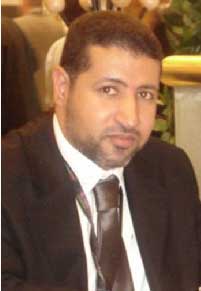
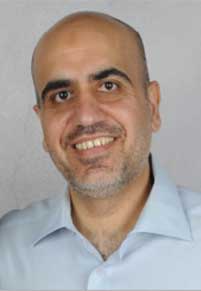
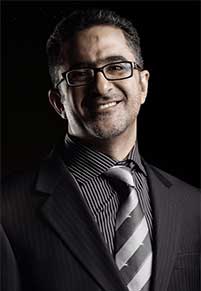
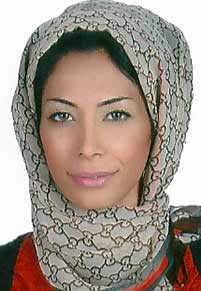
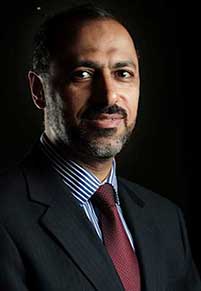
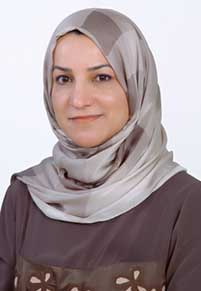
Doctors in Bahrain: In Their Own Words

Medical workers in Bahrain have endured some of the most egregious violations of medical neutrality in the wake of popular unrest that began in early 2011. Physicians for Human Rights documented the unbridled attacks by the Bahraini security forces on the Bahraini medical institution, including arresting and detaining medical workers for providing care to protesters, militarizing the health system, and obstructing access to care.

In addition to the individual health workers who suffered such attacks, the wider Bahraini community struggled under a system where the government interfered with the proper functioning of the health care system. Attacks on doctors and other medics reverberate throughout entire populations when people are unable to seek health care or are too fearful to approach medical centers.

More than two years after the start of the protests, the Bahraini government has not yet properly addressed medical neutrality violations. Those who were abducted, detained, abused, and tortured have not received any reparation from the government, or even acknowledgement of wrongdoing. Some remain in prison. Others, released from prison, continue to face harassment or intimidation from state officials.

The photo essay below highlights the experiences of several Bahraini medical workers who experienced harassment, detention, and/or physical abuse merely for assisting pro-democracy protesters. Their stories represent just some of the voices of those who endured medical neutrality violations in Bahrain, and they demonstrate the significant improvements still needed in order to secure medical neutrality in the country.

Bahraini Doctors:

Dr. Taha Al Derazi
Dr. Ali Al Ekri
Dr. Zahra Al Sammak
Dr. Amal Habib Al Yusuf
Dr. Abdulkhaliq Aloraibi
Dr. Mahmood Asghar
Dr. Ghassan Ahmed Ali Dhaif
Dr. Fatima Salman Hassan Haji
Dr. Ahmed Omran
Dr. Nayara Ali Sarhan
Dr. Nabeel Hasan Tammam

Dr. Taha Al Derazi Neurosurgeon

Dr. Taha Al Derazi

“Human rights violations by the Bahrain regime continues despite the [Bahrain Independent Commission of Inquiry] and Geneva recommendations. Wounded pro-democracy protesters are not feeling safe enough to seek treatment in public hospitals and health centers because of the fear of detention, which increases the number of wounded people who are managed at homes.”

Dr. Al Derazi was interrogated in May 2011 after he treated wounded protesters. While he was not detained or charged, he was forced to retire in January 2012 due to his provision of service to injured protesters. Dr. Al Derazi has now begun working again as a neurosurgeon in the private sector and volunteers his expertise to help injured Palestinians in Gaza.

Back to top

“I demand that the 17th of February become a day to protect medical neutrality. On that day in 2011, medical neutrality in Bahrain was violated by prohibiting ambulances from rescuing the injured protesters in Pearl Roundabout.”

Dr. Al Ekri was one of the 20 health workers charged with felonies for treating patients in need in the wake of the uprising that began in Bahrain in February 2011. He was detained in March 2011 and was subjected to torture. Dr. Al Ekri was sentenced to 15 years in prison by a military court, but a civilian court later reduced his sentence to five years. Of all the medical professionals arrested, tried, and convicted for administering care to protesters, Dr. Al Ekri faces the longest prison term.

Dr. Al Ekri is well known for his charity and humanitarian work, providing medical services to orphans, widows, and victims of war.

Back to top

Dr. Ali Al Ekri
Senior Consultant Pediatric Orthopedic Surgeon

Dr. Ali Al Ekri

Dr. Zahra Al Sammak
Anesthesiologist

Dr. Zahra Al Sammak

“Bahrain didn’t respect medical neutrality; that’s why doctors were targeted. I hope one day justice will prevail and any doctor will be able to treat any patient without fear of arrest or punishment.”

Dr. Al Sammak is widely known for her professional skills as well as her commitment to public service. She was arrested on April 11, 2011. Four masked men blindfolded her and took her to the Criminal Investigation Directorate (CID) for interrogation, where she faced insults, false accusations, and physical attacks. She was forced to sign papers without reading them, having her blindfold lifted a bit. After two days of interrogation, she was transferred to a jail where she spent 25 days. She was acquitted of all charges and was recently reinstated at work.

Back to top

“Such grave violations of medical neutrality and other horrific violations for human rights—like the indiscriminate, unprecedented misuse of tear gas as a weapon to kill and a tool for collective punishment—should stop now. I am afraid that what we are facing now in Bahrain is a form of a slow genocide against a segment of the Bahraini society for their political views. This is happening in front of the eyes of the international community including the U.S. Fifth Fleet, which is based in Bahrain. The time to act is now before it is too late.”

Dr. Al Yusuf was treating patients when she was trapped inside Salmaniya Hospital after it was taken over by Bahraini security forces. After sharing first-hand information on the violations committed by security forces with the international media and human rights groups, Dr. Al Yusuf endured humiliating interrogation. She was forced to sign a pledge promising that she would not share what she had seen to any foreign reporters, but continued to share information from Bahrain. Pro-government social media harassed her, asking people not to seek her medical services. Dr. Al Yusuf is also a founding member, alongside several of her colleagues, of the Bahrain Rehabilitation and Anti-Violence Organization (BRAVO) which is dedicated to documentation and rehabilitation of victims of violence.

Back to top

Dr. Amal Habib Al Yusuf
Ophthalmology Specialist

Dr. Amal Al Yusuf

Dr. Abdulkhaliq Aloraibi
Rheumatology Specialist

Dr. Abdulkhaliq Aloraibi

“I would like to thank all the good efforts and unlimited support we have received from international media, human rights organizations, friends, family members, our lawyers, witnesses who tell the truth, and the people of Bahrain.”

Dr. Aloraibi was arrested on unfounded charges of occupying the hospital, promoting the overthrow of the state, participating in unauthorized rallies, stealing medication, and discriminating against patients. During his arrest, he was dragged down a staircase, blindfolded, and beaten by several people. In detention, Dr. Aloraibi endured severe torture that has left him without sensation in his left hand. Dr. Aloraibi has been dismissed from the Ministry of Health and has not been allowed to work as a doctor in the private sector since his release from prison in September 2011.

Back to top

“I would like to express my sincere gratitude to those supporting our case, including international medical and human rights organizations, friends, family members, lawyers who are defending our case, and the colleagues who attended the court to witness for the defense.”

Dr. Asghar is known for his volunteer and charity work as well as his leadership positions as a teacher and trainer in his field. He was arrested on March 17, 2011 at gunpoint in the Salmaniya Hospital parking lot and endured kicks and punches by those arresting him. He was then detained for six months, during which time he was transferred between five detention centers. At first, he was confined to a dark solitary cell, and at a different detention center he was later detained in an underground solitary confinement cell for three days. At the five detention centers, Dr. Asghar was subjected to torture and other forms of cruel, inhuman, and degrading treatment. Although he was initially sentenced to 15 years in prison by a military court, the sentence was later reduced to six months. He was released from prison on October 7, 2012, having served his sentence. To date, he has been suspended from work, which has had a detrimental impact on him and his family.

Back to top

Dr. Mahmood Asghar
Pediatric Surgeon

Dr. Mahmood Asghar

Dr. Ghassan Ahmed Ali Dhaif
Oral and Maxillofacial Surgeon

Dr. Ghassan Dhaif

“I am a victim of violated medical neutrality who was arrested, tortured, and imprisoned for saving lives of innocent protestors and riot squads. Lately, I was dismissed from my job and denied a medical license to practice in private.”

Dr. Dhaif administered care to injured protesters at the beginning of the popular uprisings in Bahrain in February 2011. On March 19, 2011, he was arrested by masked men in civilian clothes as he and his family were preparing for a trip abroad. In front of his family, he was blindfolded and his face was covered with a black bag that was secured at his neck. He was then taken to the Criminal Investigation Directorate (CID) where he was severely beaten with a hose and sticks. After enduring significant abuse, he was interrogated about his treatment of the protesters and was forced to confess to leading protests, spreading false information, killing injured protesters, and stockpiling weapons, among other acts. He was then given papers to sign but was not allowed to read them. Over the next several months, he was detained and tortured, and his health suffered seriously. He was sentenced to 15 years in prison, but the sentence was later reduced to one year. He was released from prison in March 2013, but the Bahraini authorities are preventing him from practicing medicine.

Back to top

“My perspective is that human rights have no religion, sect, color, or race. They are rights given to all and deserved by all.”

Dr. Haji’s life changed on April 17, 2011. On that day, she was going about her daily routine at Salmaniya Medical Complex and was called to the emergency room to assist with patients presenting with trauma relating to tear gas misuse. Shortly thereafter, she was arrested at her apartment in the middle of the night by more than 30 masked men, imprisoned for three weeks, tortured, denied sleep and food, and forced to confess to crimes she did not commit. She faced felony charges, but was finally acquitted in June 2012. She has been suspended from work since her arrest in 2011, and the Bahraini authorities are not allowing her to return to Salmaniya Hospital nor to work in private practice. Since the start of the uprisings, she has become a leader and co-founder of the Bahrain Rehabilitation and Anti-Violence Organization (BRAVO). In April 2013, Dr. Haji shared that during her detainment, she and several other doctors were sexually assaulted and tortured in order for prison authorities to obtain false confessions.

Back to top

Dr. Fatima Salman Hassan Haji
Internal Medicine and Rheumatology Specialist

Dr. Fatima Haji

Dr. Ahmed Omran
Family Physician

Dr. Ahmed Omran

“Medical neutrality was seriously jeopardized since the uprising in 2011. Further, the future of the Bahrain health system is unclear because the highly qualified, experienced, talented medical and management staff were deprived from their positions and were replaced by pro-government staff, most of whom are neither qualified nor have enough experience in the fields of their new management positions.”

Dr. Omran is a senior consultant family physician who was the head of the Clinical Audit Group in the Medical Review Office and the coordinator of research and studies in the Ministry of Health (MOH) before the protests began in 2011. Dr. Omran was interrogated in April 2011 after helping the victims of a protest at Salmaniya Medical Complex and attempting to bring patients for medical treatment, for which he was beaten and humiliated. The MOH suspended Dr. Omran from work the day after interrogation. Later that month, he received a phone call requesting him to come to the Criminal Investigation Directorate for a short interrogation session. Once Dr. Omran arrived, he was blindfolded, handcuffed, and subjected to physical blows and verbal insults. Over the next four days, Dr. Omran was subjected to severe torture, including physical attacks, prolonged standing, and sleep deprivation. He was forced to give a false confession in front of cameras under the threat of electrocution if he refused. He was forbidden to see his family for almost a month and was allowed to meet a lawyer only after three months. Based on the false charges, which Dr. Omran denied, the military court initially sentenced Dr. Omran to fifteen years in prison. Following support from the international community, a civilian court later acquitted him. In spite of Dr. Omran’s repeated requests to get his medical license in private practice back, Dr. Omran received only a treating position in a health center, a position he obtained 21 years ago. The MOH refused to reinstate him to his previous position, and he was not compensated for any abuse he endured.

Back to top

“For me, the psychological abuse was more heartbreaking when I heard the voices of the male detainees suffering torture in the CID (Criminal Investigation Directorate). I heard their screams and crying and humiliation by repeatedly saying words that the torturers were forcing them to say. These voices were extended from midnight to morning every day.”

Dr. Sarhan was arrested on April 13, 2011 by 20 masked men and one masked woman, who first took her family members hostage in order to find and detain Dr. Sarhan. Blindfolded and sleep deprived, she was beaten and tortured in a detention center. She was accused and convicted of participating in an illegal gathering, but appealed the conviction and was acquitted on March 28, 2013.

A video of Dr. Sarhan was shown on Bahraini television that portrayed her administering care to a protester suffering convulsions. The host of the television segment claimed that Dr. Sarhan was falsely inducing the patient’s convulsions to generate media attention. Dr. Sarhan later explained to the police that injured protesters presented with abnormal symptoms including convulsions due to gas inhalation, but that it is still unclear what kind of gas was causing the symptoms.

Dr. Sarhan was suspended from work for 11 months, and is now back at work but in a different position without the possibility of promotion.

Back to top

Dr. Nayara Ali Sarhan
Consultant Family Physician

Dr. Nayara Sarhan

Dr. Nabeel Hasan Tammam
ENT Surgeon

Dr. Nabeel Tammam

“The 16th of March was a black day when the only public hospital in Bahrain was exposed to armed attack… things only got worse from there: encroachments on medical personnel and their civil institutions, the ongoing militarization of the health sector and impairment of health services, and discrimination against medical staff.”

Dr. Tammam was volunteering at a medical tent, treating minor casualties during the beginning of the protests in February and March 2011. Dr. Tammam was a Chairman of the ENT Department at Salmaniya Medical Complex when the hospital was attacked, and he was detained inside the hospital for four days. He was later arrested, subjected to torture and other mistreatment, and signed a confession under duress. He was charged with misdemeanor crimes of illegal gathering and distributing false information to the media. He was suspended from work for a year, and was only rehired at half his prior salary upon his return. He was denied access to his private clinic for three months and was fired from his position teaching at the Arabian Gulf University School of Medicine and Medical Sciences. Dr. Tammam was acquitted of all charges in March 2013. Despite his prior wrongful arrest, Dr. Tammam continues to be an advocate for change. In June 2013, he helped protestors in preparation for a rally supporting the poor conditions of political prisoners in A’ali, Bahrain.

Back to top

Blog

Vulnerable and Alone: Children Crossing the Border

Names have been changed in this post for security purposes.

Although Maria is just 13-years-old, she already suffers from post-traumatic stress disorder and major depression, reports Dr. Carol Kessler, a child psychiatrist and member of the Asylum Network at Physicians for Human Rights (PHR). Originally from El Salvador, Maria fled to the United States after a gang member attempted to rape her and force her to join his gang. Maria escaped the attempted assault physically unharmed, but then received death threats from gang members after her refusal to join them. They also threatened to kill her grandparents with whom she lived at the time, and Maria felt that the police could not protect her. Dr. Kessler, who documented Maria’s symptoms for her immigration court case, notes that Maria “would rather die than return to El Salvador,” and suffers from nightmares, a sense of helplessness, and acute anxiety.

Maria is one of the thousands of unaccompanied children who have recently fled El Salvador and are seeking humanitarian protection in the United States. Despite the harrowing events that Maria suffered, she is one of the lucky ones. Maria was able to secure pro bono legal counsel and her attorney requested a psychological evaluation through PHR’s Asylum Network. Dr. Kessler conducted a forensic evaluation of Maria, and wrote a medical-legal affidavit documenting the psychological symptoms that Maria suffers as a result of her experience in her home country. This young girl has to tell her story of abuse again and again because – even though she is a child – the burden of proof falls on her to provide evidence of past persecution.

Like Maria, many unaccompanied children entering the United States have suffered traumatic experiences and are fleeing violence in their home countries. They make a treacherous journey during which they often experience further physical and sexual violence. Understandably, it is often difficult for these children to tell a border patrol agent or asylum officer about the horrors they have escaped and the violence they have suffered – especially when these are the same agents and officers who detain the children upon arrival and place them in an overcrowded holding cell. The children are then interviewed by an immigration officer who is generally not trained to work with children.

It is alarming that some policy proposals have called for rolling back protections afforded to unaccompanied children under the Trafficking Victims Protection Reauthorization Act of 2008 (TVPRA) to give border patrol agents the power to immediately render deportation decisions. The TVPRA was passed unanimously because lawmakers recognized the need to protect this vulnerable population. Maria would not have had the opportunity to share her story with Dr. Kessler if she were immediately forced to undergo an interrogation with a border patrol agent. She had difficulty sharing her story with a trained expert in childhood trauma, so we can imagine how difficult, if not impossible, it would have been for Maria to tell her story to the border patrol agent who apprehended her.

Dr. Minal Giri, another member of PHR’s Asylum Network who has examined dozens of unaccompanied minors who have crossed the U.S. border, explains the struggle that children face after being apprehended: "These kids have been severely traumatized and will not be able to divulge their history in one entire session. It takes time for them. These kids often don’t have the cognitive ability to form a narrative, and it won’t necessarily be a linear narrative. Just like adults, they have trauma and injuries that may prevent them from remembering.”

According to a report by the UN High Commissioner for Refugees, 58 percent of unaccompanied children who the agency interviewed were forcibly displaced and suffered harms that indicated the need for international protection. Rolling back legal protections that were put in place to protect children from trafficking, violence, and enslavement is not an appropriate response. Before calling for expedited removal proceedings, the U.S. Government must consider whether it is sending these children back to life-threatening situations.

The children at the U.S. border who are currently attracting so much attention deserve to have their stories heard and receive the help of trained professionals. Their trauma is real, as is the danger they could face upon being summarily deported. Maria’s case should not be an outlier – it should be a model for the humane treatment of children who seek asylum.

Blog

While Syria Burns

This post originally appeared in The Huffington Post.

I had mixed emotions about the latest "good news" on humanitarian aid in Syria. The U.N. Security Council has passed a long overdue resolution that — if implemented — will save the lives of Syrians trapped in desperate circumstances by the war. That is a big if, given that the previous resolution aimed at providing life-saving aid was deftly undermined by Bashar al-Assad's government. The resolution represents the very least the Security Council can do after years of complacency and inaction and more than 150,000 deaths.

Nearly a quarter million civilians do not have regular access to food, water, and medicine due to government siege tactics, while another 40,000 have been cut off by opposition forces. This is a blatant violation of the laws of war, which explicitly prohibit attacks on civilians, including through the destruction or obstruction of objects necessary for survival. But with regard to Syria, even well-established norms seem not to apply. Physicians for Human Rights has documented the targeted killing of doctors and nurses and the bombing of hospitals in Syria, which are not only war crimes, but — taken together — also constitute crimes against humanity. A recent report indicates that just 20 doctors remain in the besieged city of Aleppo, where there once were more than 6,000. While government forces are primarily responsible for these crimes, Syrian suffering has been compounded by the failure at the international level of the very entities that are supposed to protect them.

Let's start with the UN Security Council, which is tasked with maintaining international peace and security. While Syria burned, the council remained deadlocked as Russia and China backed Syria by exercising their veto power against any resolution challenging the government's unlawful behavior. And unlawful behavior abounds — targeted attacks on civilians; torture and enforced disappearances; the use of indiscriminate weapons in crowded areas; the use of siege warfare against civilians; and the destruction of the health care system.

The Syrian government claims that sovereignty shields it from accountability for its actions, an argument that has no merit. The council stood by as government police detained, tortured, and disappeared people it perceived to oppose the government; as security forces and pro-Assad militias killed civilians; as the government ruthlessly and systematically destroyed the health care infrastructure and targeted medical professionals; and as people slowly starved in besieged cities.

Only after the Syrian government used chemical weapons was there any positive action by the council. First, a resolution aimed at preventing additional chemical weapon attacks was adopted in September, though the Syrian government skirted the resolution by using chlorine gas against civilians. Then, a resolution — which should not have even been necessary — aimed at ensuring that civilians receive lifesaving aid was passed in February. But even this resolution was implemented with deference to the Assad government. The UN and related agencies agreed that emergency aid would be funneled through Damascus, giving the Syrian government effective control over its distribution. Not surprisingly, the aid that did flow into Syria did not end up assisting those most in need. The UN estimates that more than 10 million Syrians, half of whom are living in rebel-controlled areas, are in need of emergency assistance.

Countless deaths later and in the face of unimaginable suffering, the UN Security Council finally passed a resolution this week ensuring that lifesaving assistance will not be subject to control by Damascus, but will be transferred in the most effective way possible, including through checkpoints controlled by opposition forces.

More than three years after peaceful protests were met with deadly force by security forces and the situation devolved into a civil war, the suffering of Syrians across the political spectrum has been prolonged because politics trumped peace and security, impunity prevailed over justice, and a system of international governance and its leadership failed.

I hope this latest resolution means food will finally reach people dying of starvation in Syria. But it is difficult to celebrate a resolution that should never have been necessary and has arrived too late for too many.

Statements

NGOs Welcome Unprecedented Step Towards Increased Aid in Syria

Physicians for Human Rights (PHR) and partner NGOs welcome the United Nations Security Council resolution, which directly authorizes UN agencies and their implementing partners to deliver aid across Syria’s borders and conflict lines. The resolution is an unprecedented further step towards ensuring millions of people in Syria get the humanitarian assistance they desperately need. It must also pave the way to further action on the crisis in Syria. Read the full statement here.

Blog

Honoring Victims of Torture Means Repairing Trust in Healers

Today, UN International Day in Support of Victims of Torture, marks 27 years since the UN Convention against Torture came into effect. June 26 has become, in the words of UN Secretary General Ban Ki-moon, “a day on which we pay our respects to those who have endured the unimaginable. This is an occasion for the world to speak up against the unspeakable.”

All too often, the victims of torture are forgotten. Hollywood and politicians alike frequently portray the victims of torture as powerful forces of evil, while those who torture are painted as willing to risk everything to save the world. We rarely see the story of the eloquent dissident who is tortured for refusing to be silenced or the teenage boy swept up in a police raid whose only crime is being poor or black. The excuses of public safety and national security are evoked to make us fearful and accepting of the crimes of torture. We are shielded from the horrors of such torture, which often occurs in classified locations, perpetrated by undisclosed actors, and justified through secret orders. The collective result is that those who argue torture is necessary are seen as our defenders, and those who are tortured are stigmatized.

Today, we must remember those who have borne the brunt of torture – the individuals, the families, and the communities harmed by a crime that is universally prohibited, but nonetheless widespread. The effects of this crime last long after the physical or psychological pain has ended. The memories and scars of torture will stay with victims and survivors for the rest of their lives. To suffer torture is to live with the fear that someone else can so easily violate your body and mind, with no consequences whatsoever.

Healing takes time. And part of this process involves neutralizing the stigma often associated with admitting to being a torture victim – victims who often face the question of what they did to deserve it. Victims must feel safe and be empowered to share their stories and have their experiences validated.

Part of recovery entails helping victims through the journey of transformation from victim to survivor – a process that requires the active participation of medical professionals. Both the physical and psychological harms suffered by survivors require professional attention for healing. Unfortunately, these same professionals – by virtue of their skill and proximity to power – are far too often drawn into facilitating and even perpetrating acts of torture. The recently leaked summary of a report on CIA detention techniques confirmed that physicians and psychologists have long been involved in devising so-called “enhanced interrogation” techniques meant to break the minds and bodies of prisoners. Their involvement has critically damaged trust in the health profession in jails, detention centers, and the like.

Of course, the vast majority of health professionals do adhere to their professional ethics, and they must be ever vigilant in looking for signs of torture and ill-treatment in the people they treat, especially those more vulnerable due to circumstances of identify, detention, or refugee status.

To truly honor victims and survivors of torture, we must restore trust in those charged with healing and helping. Everyone who has engaged in torture, including doctors and psychologists, must be held accountable in court and by their peers for undermining the crucial code of ethics that binds all doctors – namely – never, ever to do harm.

Blog

How to seize the huge opportunity created by the Global Summit to End Sexual Violence in Conflict

This post originally appeared on Women Under Siege.

“What a fabulous suit. She was perfect, perfect,” said a French woman standing behind me on the escalator. We had just emerged from two hours in a giant auditorium on the outskirts of London where we heard politicians, UN officials, and Nobel Peace Laureate Leymah Gbowee speaking at the Global Summit to End Sexual Violence in Conflict, billed as the largest gathering ever to focus attention and develop effective solutions to ending rape in war. With treaties and UN resolutions firmly in place, and ministers and representatives of more than 150 countries attending, the message of this summit was #TimeToAct. The suit in question was that of the movie star and humanitarian Angelina Jolie.

It’s hard not to be cynical when dozens of cameras flash for a glamorous celebrity and follow her through exhibits of survivors speaking out, more focused on her appearance than on the words of the assembled experts.

Many of the more than 400 international advocates attending the summit were rightfully dismayed when a day scheduled for ministerial dialogues failed to allow for serious interactions between government leaders and members of civil society living and working in places like Burma, Colombia, Democratic Republic of Congo, Somalia, Sudan, and Syria. Many of our colleagues responded to the call to act now by wondering what they’ve been doing in the trenches all these years, if not that.

Yet despite this expected cynicism, the summit created a huge opportunity. The initiative of UK Foreign Secretary William Hague convened world leaders with a single-minded focus of engaging government representatives and civil society actors in ending sexualized violence in conflict. And Jolie’s presence helped draw the global media, at the very least raising the issue to a higher rung on the international agenda. Doctors and police officers from remote areas of eastern DRC marveled at the enormity of the attention on rape in conflict. For them, this summit broke their isolation and sense of toiling in silence, anonymity, and—all too frequently—fear…

Read the full article on Women Under Siege.

Blog

How Leahy Vetting Could Help #BringBackOurGirls

The #BringBackOurGirls social media campaign, which is pressing for the rescue of over 200 Nigerian girls kidnapped by the terrorist group Boko Haram, brought unprecedented attention to impoverished northern Nigeria. Pundits and politicians have provided myriad reasons for the growth and audacity of Boko Haram; economics, politics, and religion have all been cited as ripening conditions for the extremist movement.

In early May, governments discussed what they should do to assist Nigeria, while Nigeria tried to determine if it would accept any assistance at all. Around the same time, a misguided comment about the Leahy Law, which prohibits official U.S. agencies from providing military assistance to foreign military units that violate human rights, was thrown into the fray.

During a media call focused on Boko Haram and hosted by the Council on Foreign Relations on May 7, former Assistant Secretary of State for African Affairs, Johnnie Carson, erroneously stated that “much of the Nigerian military cannot legally be assisted by the United States because [they] would not be able to pass the Leahy vetting.” Carson’s statement set off a flurry of claims that U.S. law was preventing the United States from helping Nigeria rescue the kidnapped girls. Representative Ed Royce (R-CA), chairman of the House Foreign Relations Committee, even called for a temporary waiver to the Leahy Law in order to assist Nigeria. However, a State Department inspector general found that Leahy vetting rejected only 211 out of 1,377 Nigerian applications for military training in 2013. The Leahy Law does, in fact, allow the United States to provide assistance to the majority of Nigerian forces.

The Leahy Law is not the problem in this, or in any other military training, scenario. Nigeria has a choice.

Imagine that Nigeria recognizes that it cannot deal with the threat of Boko Haram and needs help from the United States. In order to comply with U.S. law, the government agrees to pursue credible accountability mechanisms within its own security forces for violations of human rights. These reforms allow the United States to train Nigerian soldiers and police officers who realize that their role in protecting the people absolutely prohibits abuse. Nigerian civilians also see their government tackling impunity and begin to trust, instead of fear, security forces; the extremist narrative loses credibility. Nigeria gains a well-trained and professional security force that respects human rights and is capable of protecting its citizens from internal and external threats. The United States gains a military partner with whom it can work and trust in Africa. Terror groups like Boko Haram are successfully countered and young girls can attend school without fear of abduction. While the transformation won’t happen overnight, the trajectory that the Leahy Law sets can facilitate long-term success.

Senator Patrick Leahy (D-VT) first introduced the Leahy Law in 1997 after recognizing that U.S. funding for overseas security assistance had, at times, been used by foreign security forces to repress and abuse their own populations. The law mandates Leahy vetting, which evaluates credible evidence of security force units or individuals responsible for grave violations of human rights and blocks foreign military assistance to those perpetrators.

Fundamentally, the abuse of human rights runs contrary to basic U.S. principles. Furthermore, the association of the United States with rights-abusing governments damages our nation’s reputation overseas and lends justification to extremists who seek to target the United States. The Leahy Law places necessary limits on assistance in places like Nigeria where a small number of security forces have arrested citizens without charge, tortured people on grounds of “counterterrorism,” and been involved in extrajudicial killings. Leahy vetting ensures that U.S. tax dollars do not prop up security forces engaged in such practices. However, it also allows for clean units to receive military training and assistance from the United States, creating incentives for security forces to respect human rights.

For the sake of millions living under the threat of Boko Haram, I hope that Nigeria chooses a path that adheres to the conditions of the Leahy Law – a path that respects human rights.

Get Updates from PHR