PHR’s work to strengthen pathways to justice and healing for survivors of sexual violence and torture in Iraq and Ukraine has produced landmark achievements, made possible by the rare and meaningful access we have gained to key government bodies in both countries.
Prior to PHR’s intervention in Iraq in 2017, survivors of sexual violence and torture faced profound barriers to justice. Forensic doctors lacked standardized tools and practices for documenting these crimes, leaving the quality and completeness of forensic evidence inconsistent at best and unreliable at worst. Forensic doctors, investigators, and prosecutors operated in silos, rarely coordinating effectively on cases. And justice processes were not evidence-based, survivor-centered, or trauma-informed – more likely to retraumatize survivors than to deliver accountability.
PHR’s years of sustained collaboration with Iraqi authorities have fundamentally transformed justice processes and put justice within reach for many more survivors.
In 2025, we reached a critical milestone: the national adoption and implementation of the forensic medical form in Iraq. This powerful tool, which enables forensic doctors to document medical and psychological findings during examinations of sexual violence and torture survivors and capture standardized forensic evidence, serves as the basis for compiling forensic reports that are presented as evidence in court.
To date, the forensic medical form has been used to document more than 5,000 cases of sexual violence and torture in Baghdad alone. Beyond improving clinical practice, the forensic medical form has strengthened judicial decision-making and accountability processes in torture and sexual violence cases.
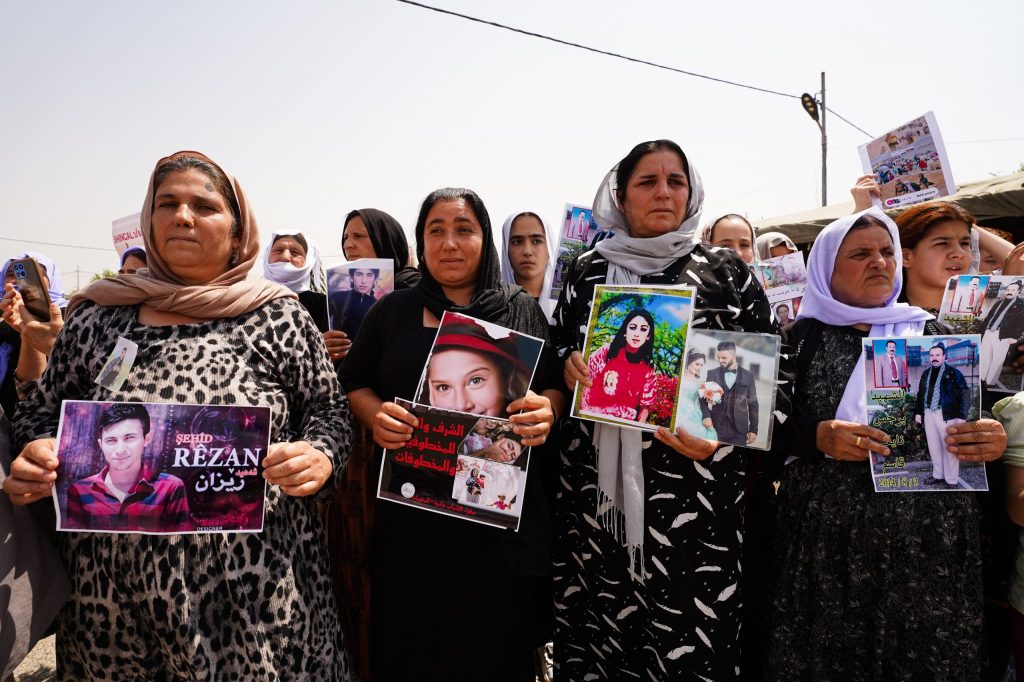
As one of the judges interviewed put it, “clear documentation helps judges make fair decisions.”
Building on the forensic medical form, PHR worked closely with Iraqi authorities in 2025 and 2026 to develop national guidelines for documenting, investigating, and prosecuting sexual violence, including sexual violence against children and conflict-related sexual violence. This comprehensive set of policies and standard operating procedures serves as a roadmap for the entire justice process, from forensic documentation through investigation to trial, bridging gaps between the forensic and judicial sectors that have long impeded effective collaboration and coordination on sexual violence cases. Once adopted in November 2026, all judges, judicial investigators, and forensic doctors across Iraq will be required to adhere to these guidelines, making survivor-centered justice processes the norm rather than the exception.
We also responded to surging rates of sexual violence – including conflict-related sexual violence – in Ukraine following Russia’s full-scale invasion in 2022.
Working in close partnership with Ukrainian authorities, as well as survivors’ organizations and international actors, PHR played a central role in advancing policy change through amendments to Order 278, a regulation that governs medical documentation of domestic and gender-based violence. Once adopted, these amendments will transform how domestic and gender-based violence – including conflict-related sexual violence, which Order 278 does not cover – is documented across Ukraine.
The amendments embed the principle of informed consent directly into documentation processes. They expand the scope of who can collect relevant documentation from forensic clinicians alone to the full range of doctors and nurses, dramatically broadening the pool of health professionals from whom survivors can access documentation services. And they introduce a new standardized forensic documentation form as well as more detailed protocols for clinical management of rape and documenting violations against children – among the most vulnerable survivors.
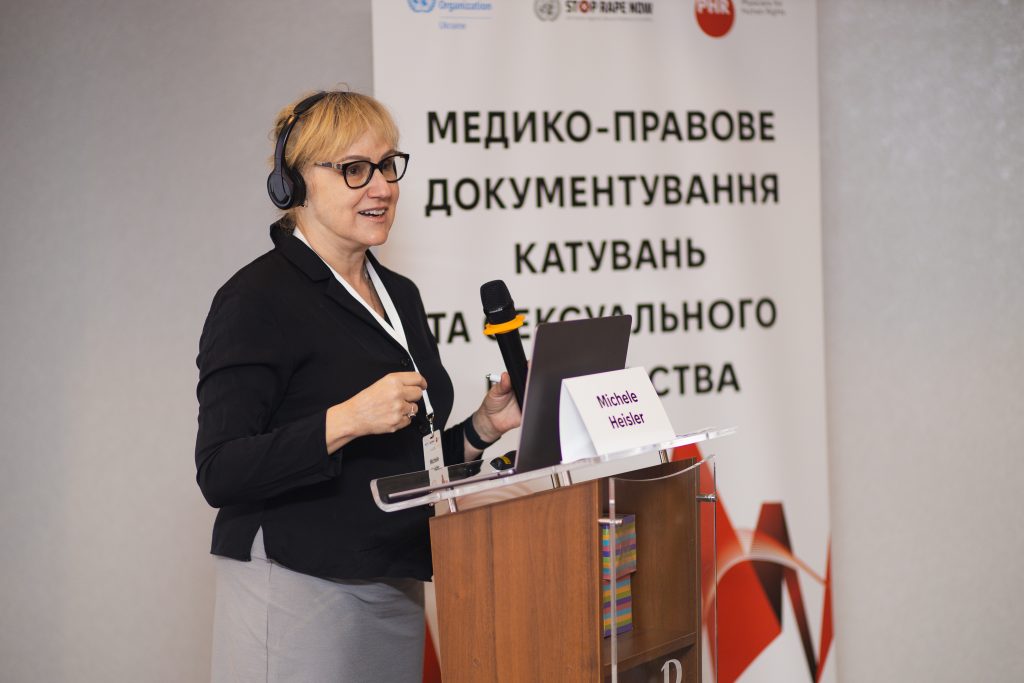
The amendments to Order 278 are in the final stages of review at the Ukrainian Ministry of Health and are likely to be adopted imminently. For survivors of domestic and gender-based violence, including conflict-related sexual violence, across Ukraine, this will ensure more accurate, consistent, and rights-based documentation of the violations they have endured.
MediCapt Delivers Justice for Survivors of Sexual Violence in Kenya
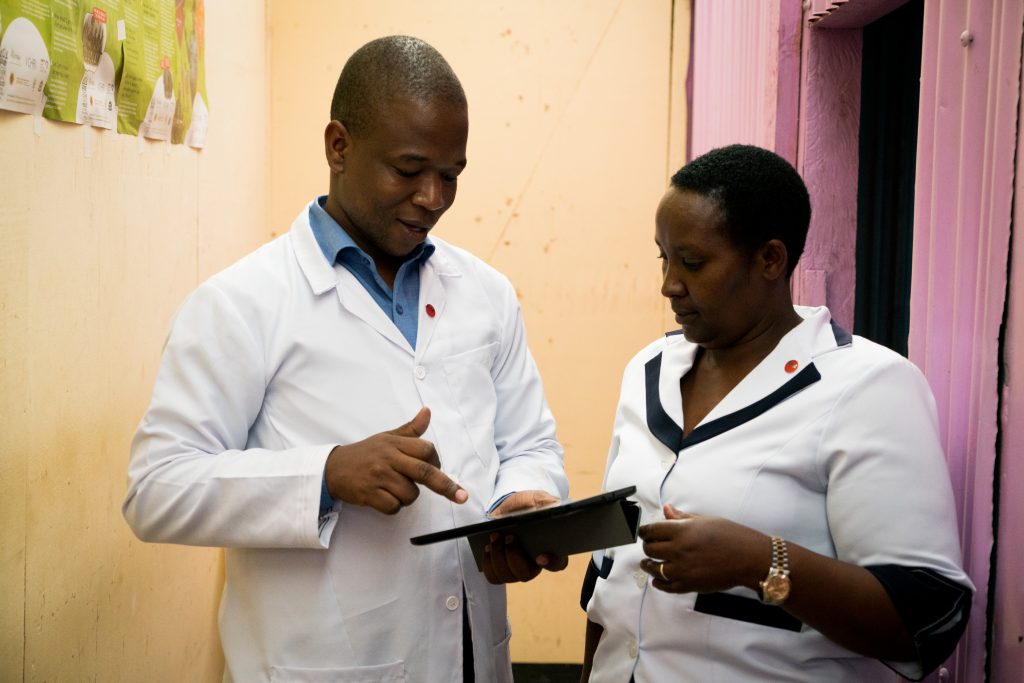
In Kenya, 139 partner clinicians across five health facilities are using PHR’s award-winning MediCapt app to document and securely store forensic medical evidence of sexual violence. Since 2018, MediCapt has been used to document more than 2,500 sexual violence cases in Kenya, including 681 cases in 2024 and 2025.
In 2025, an evaluation of MediCapt’s impact in Kenya showed that the tool is delivering justice for survivors. Based on a review of 350 sexual violence cases tried in Nakuru County between 2022 and 2025, 67 percent of cases supported by forensic medical evidence gathered using MediCapt resulted in convictions – more than double the 26 percent conviction rate for cases without it. A testament to MediCapt’s transformative potential, this serves as a powerful argument for putting this tool in the hands of every clinician who works with survivors of sexual violence.
This story was adapted from PHR’s 2025 Annual Report.