Blog

Under the Shadow of Conflict: Q&A with Health Professionals Network for Tigray  

One year after the international community shut down a United Nations monitoring mechanism, health workers in Ethiopia say the crisis in their country is far from over.

Since the conflict in Ethiopia began in 2020, the Tigray region has seen horrific atrocities committed against civilians. Physicians for Human Rights (PHR) and others have documented egregious human rights violations, including attacks on health care and conflict-related sexual violence  – abuses that did not stop even after the Cessation of Hostilities Agreement (CoHA) was signed in November 2022. In response to atrocities occurring largely in Tigray, the UN Human Rights Council (UN HRC) created the Independent Commission of Human Rights Experts on Ethiopia (ICHREE) in 2021.  

Despite ICHREE’s critical work to independently document evidence of human rights violations in Ethiopia, Member States of the UN Human Rights Council bent to political pressure from Ethiopia and failed to renew the body’s mandate in 2023. They did so despite dire warnings from Ethiopian and international civil society groups including Health Professionals Network for Tigray (HPN4Tigray) and PHR, that the failure of the HRC to renew ICHREE’s mandate would prevent victims of human rights violations from any credible access to justice and could lead to further atrocities. Since that time, Tigray and many other regions of Ethiopia have faced an ongoing humanitarian and human rights crisis. Food shortages, inadequate medical supplies, and widespread insecurity have been compounded by the lack of comprehensive human rights monitoring, leaving little hope for justice or accountability 

One year after the international community failed the people of Ethiopia, PHR spoke with a representative of HPN4Tigray, one of the leading organizations working to support survivors of traumatizing violence, including the thousands of people who have survived conflict-related sexual violence during the conflict.  

Names have been withheld due to ongoing security risks faced by health professionals in Ethiopia and the diaspora. 


PHR: What is happening now in Tigray? Give us a glimpse into daily life for communities who survived the conflict but continue to be impacted by this crisis.   

HPN4Tigray: Life in Tigray remains incredibly difficult for communities that have endured years of conflict and are still dealing with its devastating aftermath. Despite the signing of the Cessation of Hostilities Agreement (CoHA), the region continues to struggle with widespread insecurity and a painfully slow recovery. 

For survivors, daily life is a constant battle to access basic needs like food, clean water, and medical care. The destruction of infrastructure, including schools, health care facilities, and roads has made things even worse, cutting off many from essential services. Many families depend on the far too sporadic aid deliveries, and in addition, some roads are still unsafe or blocked, making this lifeline even more unreliable. Doctors in Tigray have told us of families who cannot afford health care are forced to take their children back home to die due to disease and malnutrition. Most schools, once a source of stability, are now either destroyed or serving as shelters for displaced families, leaving children without education or a safe space to heal.  

“Fear and uncertainty dominate life, with many unsure of what tomorrow will bring. Even though the conflict has faded from global headlines, the people of Tigray are still living under its shadow.” 

Over a third of Tigray remains occupied by non-Ethiopian National Defense forces from Eritrea and the Amhara region, and human rights abuses continue in these areas. Fear and uncertainty dominate life, with many unsure of what tomorrow will bring. Even though the conflict has faded from global headlines, the people of Tigray are still living under its shadow. 

HPN4Tigray is one of the organizations working to support survivors of traumatizing violence, including the thousands of people who have survived conflict-related sexual violence during the conflict. What challenges do they face, and how is HPN4Tigray working to provide support?  

In Tigray, survivors of conflict-related violence, including sexual violence, face serious challenges. With the widespread destruction of health care facilities and a shortage of mental health professionals, it is hard for survivors to get the medical and psychological support they need. In the Eastern zone of Tigray, I heard from our partners about survivors of conflict-related sexual violence traveling 12 hours to reach the nearest functioning clinic. By the time they arrive – often months after the incident  – they are dealing with severe health issues like fistulas and HIV, showing how more accessible health care is direly needed. 

Stigma is another huge barrier. Many survivors do not come forward because of the shame associated with sexual violence. Cultural barriers isolate them, and women who do speak out are sometimes rejected by their families or even divorced, adding to their trauma. 

“I heard from our partners about survivors of conflict-related sexual violence traveling 12 hours to reach the nearest functioning clinic. By the time they arrive – often months after the incident – they are dealing with severe health issues like fistulas and HIV.”

Despite these challenges, HPN4Tigray is dedicated to helping survivors heal and rebuild their lives. We work with local partners to provide trauma-informed care, addressing immediate medical needs and long-term psychological recovery. We are also raising awareness about the difficulties survivors face and pushing for international action to ensure they get the services they need. 

During the conflict in Tigray, health care was also targeted. How are health care workers there dealing with the aftermath of the violence, particularly now in the midst of the ongoing humanitarian crisis?   

Health care workers in Tigray have been profoundly impacted by the conflict, both personally and professionally. The health care system in Tigray was intentionally attacked during the conflict, with the majority of health care facilities being destroyed, looted, and vandalized. Additionally, a “de facto humanitarian aid blockade” was imposed on Tigray, with aid and medical supplies being blocked from entering the region, in addition to little to no access to telecommunications, electricity, and banking services.  

As a result, many health care professionals worked for several months without pay under dangerous and traumatic conditions. Often, they lost patients who could have been saved with proper supplies. Now, as they try to rebuild amid an ongoing humanitarian crisis, they face the daunting task of providing care with extremely limited resources.  

Many health care facilities still remain damaged and under-resourced, with critical shortages of medications and supplies, even for basic lab tests, which has led to the spread of preventable diseases. On top of this, health care workers are dealing with the psychological toll of the conflict, suffering from depression, burnout, and vicarious trauma. Some have lost colleagues, loved ones, and even their own homes. Despite these hardships, they continue to work long hours to treat patients suffering not just from war-related injuries, but also from the effects of malnutrition and disease. In the face of these overwhelming challenges, the resilience and dedication of these professionals stand out. They continue to provide life-saving care to their communities, even in the most difficult circumstances. 

PHR has been proud to partner with HPN4Tigray. What in your view has been the most impactful part of the collaboration with PHR?   

HPN4Tigray is deeply honored to partner with PHR. The most impactful aspect of our collaboration has been blending PHR’s expertise in documenting conflict-related sexual violence and other violations with HPN4Tigray’s commitment to providing survivors with comprehensive mental health and psychosocial support. This integrated approach not only shines a light on the atrocities but also ensures survivors get the care they need to heal. With our network of health care and mental health professionals in Ethiopia, along with our understanding of cultural context, we ensure all documentation protocols are culturally- and trauma-informed, as well as provide survivors access to essential referral networks. Our partnership has also been key in amplifying survivors’ voices, strengthening advocacy efforts, and pushing for stronger international action to address the ongoing crisis in Tigray. 

It has been a year since the Human Rights Council effectively closed ICHREE, the one international mechanism set up to independently monitor the situation in Ethiopia. What is HPN4Tigray calling for now a year later related to ongoing humanitarian needs, as well as for justice and accountability?   

HPN4Tigray was deeply disappointed by the disbandment of ICHREE. This closure undermined crucial efforts to address past and ongoing human rights violations in Ethiopia. On this one-year mark, we urge renewed international efforts to tackle the humanitarian crisis and ensure justice and accountability for the atrocities committed. We call on the international community to work with the Ethiopian government to secure unrestricted humanitarian access and ensure aid reaches all regions in need. 

“We urge the global community to remain focused on Ethiopia and continue to advocate for sufficient funding for humanitarian needs, rebuilding efforts, and initiatives aimed at justice and accountability”. 

Additionally, we advocate for international oversight of Ethiopia’s transitional justice process, ensuring that the voices of survivors are central to the implementation of the CoHA, including the safe return of internally displaced people. Ongoing monitoring and transparent reporting of humanitarian aid delivery and the CoHA’s implementation are essential, as is independent monitoring, investigation, and documentation of human rights violations across the country. 

It is crucial that future efforts prioritize justice for survivors, address their immediate needs, and provide long-term support for their recovery. We urge the global community to remain focused on Ethiopia and continue to advocate for sufficient funding for humanitarian needs, rebuilding efforts, and initiatives aimed at justice and accountability. 


Learn more about Health Professionals Network for Tigray

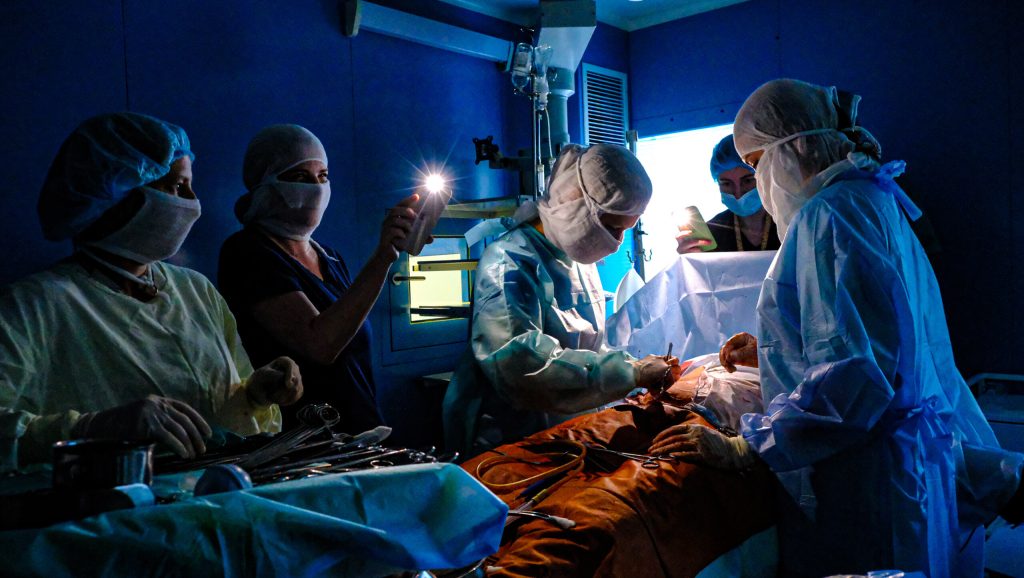
Photo (top): Dr. Genet attends to a mother and child in Yechila, Tigray, who are beneficiaries of the HPN4Tigray-RecTOR program in partnership with Ayder Comprehensive and Specialized Hospital. This initiative addresses rising maternal and child mortality rates by delivering essential obstetric, gynecologic, and pediatric care to Tigray’s most affected areas. Courtesy of HPN4Tigray. 

Brief

Delayed and Denied: How Florida’s Six-Week Abortion Ban Criminalizes Medical Care

Executive Summary

In June 2022, the U.S. Supreme Court’s ruling in Dobbs v. Jackson Women’s Health Organization overturned the federal constitutional right to abortion.[1] In July 2022, Florida enacted a ban on abortion care after 15 weeks of gestation from the first day of a pregnant person’s last menstrual period, with only limited exceptions.[2] Two years later, in April 2024 the Florida Supreme Court followed suit and overturned decades of precedent that the Florida Constitution’s Privacy Clause protects the right to abortion. This judgment cleared the way for a new, far more restrictive six-week abortion ban to take effect on May 1, 2024.[3] This ban shifted the legal limit for abortion from 15 weeks to six weeks from the first day of a pregnant person’s last menstrual period and included only very narrow exceptions that differed from those in the 15-week ban. The penalties for those who violate the ban are severe, including imprisonment, fines, and loss of medical licenses.[4] On the same day that the Florida Supreme Court revoked state constitutional protection of abortion rights, however, it also allowed a proposed amendment that would enshrine abortion rights into Florida’s Constitution to be included on the state’s November 2024 ballot for voters’ consideration.

Florida’s extreme abortion ban has created an unworkable legal landscape that endangers both patients and clinicians. The ban violates individual reproductive freedom, leads to preventable suffering, and compels clinicians to deviate from established standards of care and medical ethics. These denials constitute violations of Floridians’ fundamental rights, including their human rights to life, health, privacy, freedom from torture and cruelty, and equality.

In July and August 2024, PHR researchers conducted in-depth, semi-structured interviews with 25 reproductive health care clinicians and clinicians in training in Florida about their experiences caring for pregnant patients under the six-week ban. In these interviews, clinicians stated that while abortion clinics in the state continue to provide care where legally permitted, Florida’s six-week ban is creating insurmountable barriers to abortion care for many patients. Clinicians described how the unworkability of the ban’s narrow exceptions and the severe chilling effect on abortion provision caused by the sweeping criminalization of abortion from a very early stage of pregnancy are endangering patients’ health and survival and impairing clinicians’ ability to comply with their ethical obligations and medical standards of care.

Clinicians shared multiple examples of cases of delays and denials of reproductive health care including abortion care and miscarriage management, disruption of the patient-clinician relationship, deviations from standard medical care, impaired training of new clinicians, and an exodus of health care providers from the state, worsening Florida’s already severe health care provider shortages. Alarmingly, clinicians stated that patient care is being impeded by Florida’s broad abortion ban even in cases of ectopic pregnancy, molar pregnancy, and preterm premature rupture of membranes, despite state health agency rules that state that these conditions should not be considered abortion.[5]

Clinicians interviewed described the devastating consequences of the abortion ban for their patients. Many patients do not realize they are pregnant until after the legal limit – just two weeks after a missed period – and the required 24-hour waiting period between a first face-to-face appointment with an abortion provider and receiving an abortion further narrows the window for care. Patients are referred to tertiary care centers and abortion-providing facilities within the state as hospitals grapple with confusion about what the exceptions include and direct patients to seek more specialized clinicians’ authorization to avoid risk. Ultimately, the law’s narrow exceptions do not cover many serious conditions, forcing patients to either travel out of state for medical care or continue pregnancies with severe health risks. As clinicians deliberated whether they could legally offer care, patients experiencing medical emergencies requiring pregnancy termination, miscarriages where they needed medical intervention, and even cancer faced delays and even denials of treatment due to the ban. This disruption in medical care disproportionately impacts low-income and marginalized communities, who already face barriers to prenatal and maternal health care. Additionally, the emotional and physical toll on these patients is profound, as they are often left with few possible options for care.

The broader implications of Florida’s abortion ban are alarming. Clinicians’ testimonies highlight ways that Florida’s ban is jeopardizing prenatal care and will likely further worsen the state’s already poor maternal health outcomes.[6] The ban also threatens the future of reproductive health care in Florida, as medical training in essential procedures like dilations and curettages (D&C) and dilations and evacuations (D&E) after the first trimester is severely limited. This lack of training not only impacts abortion care but also the management of miscarriages and other pregnancy complications, posing a significant risk to patient safety. Reflecting on these devastating impacts, clinicians called for the lifting of the six-week ban.

Florida’s extreme abortion ban has created an unworkable legal landscape that endangers both patients and clinicians. The ban violates individual reproductive freedom, leads to preventable suffering, and compels clinicians to deviate from established standards of care and medical ethics. These denials constitute violations of Floridians’ fundamental rights, including their human rights to life, health, privacy, freedom from torture and cruelty, and equality. This research brief underscores the urgent need to ensure the right to comprehensive reproductive health care in Florida.

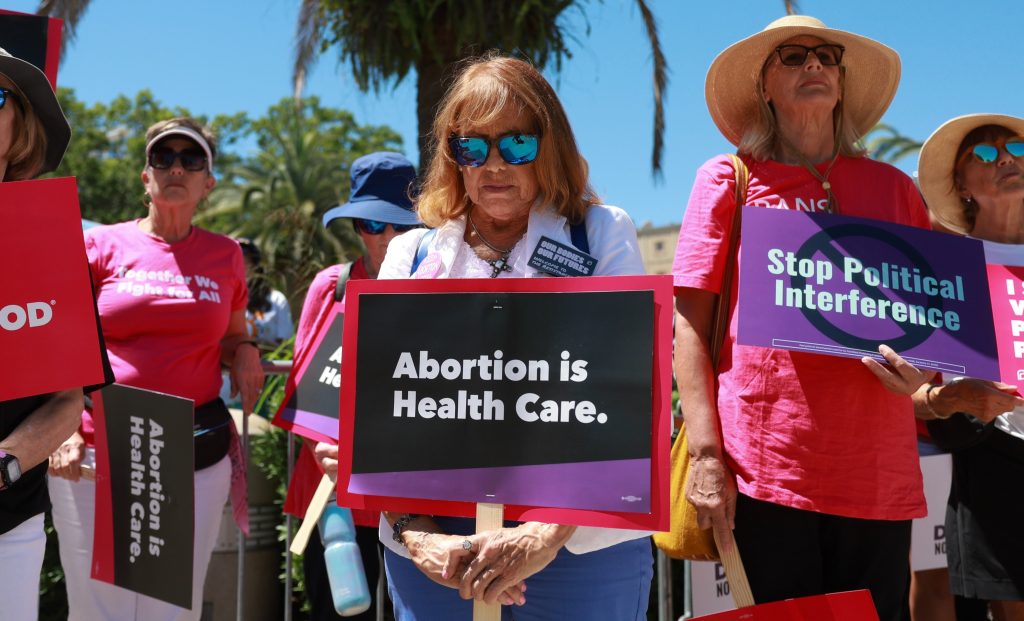
A rally against Florida’s six-week abortion ban held in Orlando, Florida in April 2024. Photo: Joe Raedle/Getty Images

Introduction

The United States (U.S.) Supreme Court ruling on June 24, 2022, in Dobbs v. Jackson Women’s Health Organization (Dobbs) overturned the 50-year-old precedent set by Roe v. Wade and eliminated the federal constitutional right to abortion.[7] Two years after Dobbs, in April 2024 the Florida Supreme Court followed suit and overturned its own 1989 judgment and decades of precedent that the Florida Constitution’s Privacy Clause protects the right to abortion.[8]  On May 1, 2024, Florida’s six-week ban took effect, shifting the legal limit for abortion from 15 weeks to six weeks from the first day of a pregnant person’s last menstrual period.[9] [10]  The six-week ban punishes any person who “willfully performs, or actively participates in, a termination of pregnancy” in violation of the law as a third-degree felony with up to five years in prison, up to a US$5000 fine, loss of medical licenses, or all the above. Unlike many other states, Florida’s ban does not clearly exempt pregnant people themselves from criminal prosecution.[11]

The six-week ban in Florida criminalizes the termination of pregnancy before many individuals are aware that they are pregnant – typically two weeks after a missed period in a standard four-week menstrual cycle. The new Florida ban provides limited exceptions in situations of medical necessity to save a pregnant person’s life; to “avert a serious risk of imminent substantial and irreversible physical impairment of a major bodily function…other than a psychological condition;” in cases of fatal fetal impairment where a pregnancy has not reached the third trimester; and in pregnancies resulting from rape, incest, or trafficking prior to 15 weeks only if the patient provides “a copy of a restraining order, police report, medical record, or other court order or documentation providing evidence” that they are obtaining the termination of pregnancy because they are a victim of rape, incest, or human trafficking.

The six-week ban replaces the previous 15-week ban that was instituted on July 1, 2022.[12] Some of the new ban’s exceptions differ from those of the 15-week ban, exacerbating confusion about when abortion is legally permitted.[13]  For example, the 15-week ban’s  “fatal fetal abnormality” exception allowed abortion “before viability,” unlike the six-week ban that states the limit is “before the third trimester.”[14]

On the same day that the Florida Supreme Court revoked state constitutional protection of abortion rights, in 2024, it also allowed a proposed amendment that would enshrine abortion rights into Florida’s Constitution to be included on the state’s November 2024 ballot for voters’ consideration.[15] The proposed Florida amendment says, in part, that no “law shall prohibit, penalize, delay, or restrict abortion before viability or when necessary to protect the patient’s health, as determined by the patient’s health care provider.” It would need approval from 60 percent of voters to be enacted.[16]

In addition, the day after the six-week ban went into effect, the Florida Agency for Health Care Administration (AHCA) released emergency rules – stating that certain pregnancy terminations, including for premature preterm rupture of membranes (PPROM), ectopic pregnancy, and trophoblastic tumors, should not be considered abortion for reporting purposes. These guidelines lack medical clarity, further confusing clinicians.[17] [18] Compounding these laws and guidelines, targeted restrictions on abortion providers (TRAP) laws (procedural requirements on facilities and individuals who can provide abortion care), along with the 24-hour waiting periods between the two required in-person abortion care appointments in Florida, further complicate service delivery and lead to confusion on how providers can best care for their patients.[19]

After the six-week ban went into effect, PHR undertook fact-finding interviews from July to August 2024 with 25 clinicians and clinicians in training to document whether and, if so, how Florida’s abortion ban is impacting patients, health care workers, and access to health care. We interviewed clinicians in obstetrics and gynecology, maternal-fetal medicine, family medicine, reproductive endocrinology, certified nurse midwifery, medical students, and genetic counselors across the state, with representation in varied practice types that include public and private hospitals, academic medical centers, private practices, and free-standing abortion-providing facilities.

In these interviews, clinicians described the serious and manifold harms the ban is causing pregnant people in the state who seek reproductive health care. The six-week ban is unclear in its guidelines and introduces barriers to care, delays in emergency reproductive services, and deviations from standard medical care. Moreover, the steep penalties, particularly when combined with other laws, create intensified fear and confusion among health care providers who do not know in what cases they legally can or cannot provide abortion care, creating strain in the patient-clinician relationship and inducing providers and trainees to leave the state. Clinicians report receiving warnings from hospital administrators, legislators, and others that they may be targeted for providing necessary abortions and that these laws are being strictly enforced. This has led to an overall chilling effect on the provision of reproductive health care and has hindered access to abortion care for pregnant people, many of whom have a medical necessity for the procedure.[20] Thus, the six-week ban has rendered the already complex legal landscape for abortion in Florida even more unworkable in practice, with restrictions that endanger both clinicians and pregnant patients in the state.

Florida’s Reproductive Health Landscape

As of 2024, 20 percent of Florida’s population – 4.6 million women- are of reproductive age (between 15 and 44 years old).[21] Health care costs and accessibility create significant barriers in access to health care generally for people of reproductive age in Florida. Florida’s health care system ranks among the worst in the U.S. in terms of accessibility and affordability, especially for women’s health, possibly driven by the lack of Medicaid expansion.[22] [23] Florida is currently experiencing extensive shortages of physicians, dentists, and mental health providers compared to the needs of the state’s population.[24] Further, an estimated 13 of Florida’s 67 counties are maternity care “deserts,” or counties without access to hospital or birth centers offering obstetric care or without obstetric care providers. Another 11 counties have low or moderate access to maternity care.

Pregnant people in Florida have long faced delays in accessing prenatal care.[25] In 2021, before the Dobbs decision, fewer than two out of every three pregnant people received prenatal care within the first four months of pregnancy (64.7 percent).[26] Florida is rated the second worst in the nation currently for the provision of prenatal care, which creates serious risks for pregnant people in the state, including already marginalized populations who face higher barriers to quality maternal health care.[27] For example, in Florida, in 2020, Black and Hispanic women died from pregnancy-related death at nearly four times and one and a half times the rate of non-Hispanic white women, respectively. [28] Of concern, nearly one in five of these pregnancy-related deaths in Florida were attributed to systemic care issues, such as a lack of standardized policies, procedures and care coordination.[29]

Over the past decades until the recent bans, abortion care was available throughout Florida. Even under the 15-week ban, Florida provided crucial access to abortion for Floridians and others in the U.S. South who lived in states with more extreme laws.[30] Prior to the Dobbs decision in June 2022, abortion was legal in Florida up to the third trimester, defined as starting 26 weeks after the last menstrual period.[31] A 24-hour waiting period for abortions went into effect in April 2022, followed shortly by the 15-week ban that went into effect in July 2022. As of March 2024, Florida had 54 abortion clinics.[32]

Once the six-week ban went into effect in May 2024, there have been significant decreases in abortions within the state in May and June compared to comparable periods last year in Florida.[33] While abortion clinics in the state continue to provide crucial care within the legal limits, many Floridians have been forced to travel outside the state for abortion care. The National Abortion Federation, which runs the largest patient assistance fund in the country to help people afford abortion care, reported a 575 percent increase in callers requesting funding in the two months since the ban went into effect in May, compared to the same time last year.[34] This has contributed to more than a 30 percent increase in wait times at abortion clinics across North Carolina, Virginia, Maryland, and Washington, DC. North Carolina has seen the largest increase despite having a 72-hour waiting period, with wait times increasing in half of the state’s 16 clinics.[35] The long-term impact on abortion clinics in Florida remains uncertain, but in other states with severe abortion restrictions 66 clinics closed across 15 states, with 14 states losing all abortion-providing facilities[36] within 100 days[37] of the Dobbs decision. Clinics in states with bans face significant challenges in maintaining[38] staff and financial viability, and even if abortion rights are restored, reversing closures can be difficult, creating lasting impacts on access to care.[39]

The passage of the six-week ban raises serious questions about the impact on Florida’s existing challenges in the provision of health care and specifically care for pregnant patients. Health care worker shortages, barriers to prenatal care, and barriers to abortion currently contribute to significant health harms in the state. Against this backdrop, it is critical to understand reproductive health care clinicians’ experiences providing care to pregnant patients under the six-week ban.

Research Methodology

In July and August 2024, the PHR research team conducted outreach to reproductive health community-based organizations and professional networks in Florida. These contacts facilitated connections to reproductive health care providers (“clinicians”), medical students and genetic counselors who have provided reproductive or pregnancy health care in Florida post-Dobbs. The research team then used snowball sampling, an established sampling strategy for research on hard-to-reach populations or sensitive topics, which has been used to conduct qualitative research in comparable studies.[40] Clinicians consented to 30- to 60-minute, semi-structured, in-depth, confidential interviews. Interview guides were developed based on the expertise of the research team and conversations with partner organizations. Transcripts were de-identified and cleaned by interviewers, and data was stored on a password-protected server and only accessed by the research teams. Study recruitment ended when we reached concept saturation, the point at which no new themes emerged from additional interviews.[41] Thematic analysis was used to identify experiences across interviews. The two interviewers (WA and MH) read transcripts of the clinician interviews after a third of the interviews were completed; through a hybrid approach they identified key themes emerging from the data (inductive analysis) and based on the research questions (deductive analysis) to develop a codebook. One interviewer (WA) coded all the transcripts, adding more codes as they emerged from the data. Illustrative quotes were selected based on key themes.[42] PHR’s Ethics Review Board (ERB) approved the study with exempt status. See Appendix 1 for characteristics of the 25 clinicians interviewed.

Findings

Florida’s abortion ban and unworkable exceptions pose insurmountable barriers to abortion care for many patients

Abortion is currently legal in Florida only until six weeks after a pregnant person’s last menstrual period (LMP) with limited exceptions.[43] As one obstetrician-gynecologist said: “While it is limited, abortion is still legal. There has definitely been some confusion. It is still legal.” While health care facilities across the state continue to provide abortion care to pregnant patients within the laws’ narrow confines, as one clinician emphasized, the unworkable exceptions and extreme gestational limits mean many patients are barred from care:

“It is virtually a total abortion ban. Most people do not know that they are pregnant at six weeks. Considering the 24-hour waiting period, it is virtually a complete ban. So, do not be fooled that this is a compromise. It is not.” (14)

Many people do not know that the timeline for calculating the abortion ban begins from the first day of the last menstrual period (LMP) on ultrasound and not the estimated date of conception

 Many clinicians noted that many of their patients did not realize that pregnancy is dated from the first day of their last menstrual period. The American College of Obstetrics and Gynecology (ACOG) measurement guidelines, for example, are based on the first day of the patient’s last menstrual period confirmed with an ultrasound measurement.[44] Clinicians reported that since the six-week ban, their patients who come in seeking an abortion right when they discover that they are pregnant are often distraught that they are considered further along in their pregnancy than they had assumed and are unable to receive an abortion within Florida. A clinician at an abortion care facility described how often she faces this:

“There is at least one person a week who is really angry and does not trust the ultrasound [results]. What is behind it is that they do not understand how the dating of pregnancy works, which is fair. It is just so confusing. And, the person is explaining to me, ‘There is no way I am six weeks pregnant. There is no way I am seven weeks pregnant, because this is when I had sex, and this is when I got pregnant.’ And I am like, ‘You are 100 percent right. I agree. That is when you got pregnant. But here is how the law and the medical world define the time of pregnancy. I am so sorry.’” (4) 

Patients who have irregular periods may have no idea what they will measure on an ultrasound once they have discovered that they are pregnant. One obstetrician-gynecologist told us: “The other day, we had a 14-week [patient] just because she does not menstruate. And she was like, ‘I have no idea. I do not know when my period was. I do not know when I conceived.’” (21)

Six weeks pass before many people realize they are pregnant or can secure an appointment with a provider to confirm results of a positive home pregnancy test

As many clinicians explained, many of their patients do not find out they are pregnant until after six weeks, at which point they no longer have the option to have an abortion in Florida except in narrow circumstances.[45] An obstetrician-gynecologist in private practice described:

“With the six-week ban, I would say it is more like the inability to really offer anything at all now. I mean, we see patients for their new obstetrician-gynecologist visits usually around eight weeks, and sometimes we see them earlier, if they are having bleeding or other issues where we end up scanning them earlier. But I do not think I have ever had a viable pregnancy that was less than six weeks that I could offer a termination. They are never less than six weeks, so it is essentially impossible. By the time we see them for their first visit, that option is already gone.” (19)

Multiple clinicians explained that because of a shortage of obstetrician-gynecologists in Florida, people are rarely able to secure a prenatal appointment to confirm the results of a pregnancy test with a dating ultrasound before six weeks of gestation. In the words of another obstetrician-gynecologist in private practice:

“The patients that I see in the office for an initial prenatal visit are almost never less than six weeks. It is incredibly rare for somebody to be able to get in less than six weeks. I would say more often it is closer to twelve. And part of that is because of the demand, we do not have enough providers to see patients, and we are a very big practice… And then patients who are coming in for something else and then discover that they are pregnant, if they are lucky enough to be less than six weeks, just have so little time to consider their options and then hopefully get in with somebody who can provide abortion if that’s what they choose.” (17)

Another obstetrician-gynecologist explained how impossible this timeline makes the option of abortion care for many of her patients:

“Most women do not know that they are pregnant that early. Also [because of] the way that we label pregnancies as six weeks of pregnancy…. they have actually only been pregnant for four weeks, and most pregnancy tests do not turn positive for those first two weeks. So, they really only have two weeks. And that is total days, not business days. They have two weeks to figure out that they are pregnant, even have that on their radar. Call and get an appointment, and then get a second appointment all within six weeks and zero days’ time, which is really hard.” (20)

Florida’s 24-hour waiting period creates an additional barrier to receiving abortion care within legal time limits

 In Florida, the first abortion appointment consists of an ultrasound to measure gestational age, where patients are read the state-mandated consent information. Patients then return at least 24 hours later for a medication (mifepristone and misoprostol) or procedural abortion (for example, D&C). Clinicians noted that clinics have been penalized by AHCA for performing abortions up to 15 weeks and six days rather than 15 weeks and zero days, under the 15-week abortion ban. While clinicians did not name a public document stating this policy, these accounts of aggressive enforcement have led facilities to err on the side of caution, and assume the same is true for the six-week ban- that to be legally eligible for abortion care under the six-week ban, the first appointment must occur no later than five weeks and six days after the beginning of a patient’s last menstrual period ifthey can schedule the abortion for the next day. However, most abortion-providing facilities are not open or do not provide abortion procedures every day of the week. As a clinician who provides abortion care described:

“[In Florida] abortion clinics are not open seven days a week. [One clinic is] open on Tuesday, Wednesday, and Thursday. So, if you are seen on Thursday and you are five weeks and four days – we cannot provide for your care. And, like, maybe a [city] an hour and a half away, is booked up, and they do not have appointments for you. And so, a six-week ban is not a six-week ban, depending on what day you are getting seen. …If you are not open for four days, it is not a six-week ban, it is a five [week] and four [day] ban.” (4)

Several obstetrician-gynecologists described how harmful the impact is on their patients who must travel to facilities hours away to receive their abortion before the six-week deadline:

“I have definitely seen patients who I do the consent, and then the next day they drive [to another city across the state] for their appointment for their abortion. …I have talked with many patients who are confused about why they are being asked to drive across the state on a day’s notice and have to drop everything they are doing, leave work, find childcare, pay for gas, and all these things. And I have to explain to them – this is not a rule that we implemented. This is based on state law, and we are just trying to help as much as we can.” (14) 

Many fetal anomalies are unable to be detected on early ultrasound imaging before six weeks

Florida’s six-week ban only permits abortion for “fatal fetal abnormalities” where termination is sought before the third trimester. The law states that “a fatal fetal anomaly” is one that is “a terminal condition that, in reasonable medical judgment, regardless of the provision of life-saving medical treatment, is incompatible with life outside the womb and will result in death upon birth or imminently thereafter.”[46]  Clinicians shared that patients faced delays and denials of abortion due to confusion about which fetal anomalies could be terminated legally, including severe anomalies that would lead to death in weeks or months – not just hours – from birth.” Clinicians described their experiences caring for patients with severe but not clearly fatal fetal anomalies during pregnancy that cannot be detected on early ultrasound imaging. One certified genetic counselor said:

“When I started practicing, the legal limit to have an abortion was 23 weeks and six days. So, for the majority of our patients at that time, we were able to get them the care. Some patients who were late to care or things were found later on ultrasounds, we helped them go out of state, but that was few and far in between. So, then when the 15-week abortion ban came into place, obviously that made things a lot harder, but we were still able to get in, not necessarily the ultrasound findings, because those are just very hard to see anything super well under 15 weeks, but the very severe ones, we would still be able to get them in. And then we really pushed for, in our practice, [getting people in] for chromosomal screening right at the 10-week mark when they can do it or as early as possible. So, when the results are back that we would be able to do diagnostic procedures at 12 weeks and then we can get those results back before the legal timing limit to get abortions. But it was hard because there was no time to spare, essentially. Like things had to get in very quickly. …But anything past that, any anomalies had to go out of state.” (22)

Fear of criminal charges has caused delays and denials of emergency reproductive health care to patients

Clinicians repeatedly shared how Florida’s narrow exceptions to the overall criminalization of abortion has led to widespread fear that has hindered access to care and harmed patients. Clinicians at tertiary care centers reported receiving increased referrals from clinicians afraid to care for complicated pregnant patients under the current laws. One obstetrician-gynecologist told us:

“I have seen a surge in patients coming to me that I was not seeing before that were being handled by the community and getting care elsewhere. Patients [are] coming desperate, [saying] ‘They would not sign off on this. I do not know what to do. They just said, go to [tertiary care hospital].’ So, I get a lot of phone calls from my residents about patients in the ER, [telling me], ‘They are 18 weeks, and they have bilateral renal agenesis [lack of both kidneys which is usually fatal] in the fetus …and they are like, ‘I want an abortion.’” (11)

One maternal-fetal medicine (MFM) specialist explained one basis for this fear: “The state has come down very hard on a couple abortion centers that [the state argued had] deviated on the cutoffs as the law changed from 15 weeks to 6 weeks. And so, the fear is that the state is actually looking for a scapegoat to go after.” (13) This MFM also noted referrals from providers afraid that they would not fill out correctly the extensive and confusing required paperwork by the state for legally allowable abortions and would thus be prosecuted:

“We are seeing tons of referrals that would not have been made before [the abortion ban]. I even see doctors that are two blocks away from me going, I am too intimidated by all the state paperwork. I know exactly that this fits the criteria, but I just do not know how to fill it out, how to date it, how to sign it. There are all these rules. We are just sending the patient to you so you can do the paperwork.” (13)               

Several clinicians described how fear and lack of clarity about the narrow medical exceptions are leading to patients being sent out of state for abortions even in situations where abortion care could be considered to be legal. One obstetrician-gynecologist hospitalist stated:

“I would say 99 percent of MFMs in our state are not entirely aware of the laws or they are scared of the laws. So instead of calling a clinician who does abortions [in Florida] and asking them, ‘Would this qualify for an exemption?’ They just automatically refer the patient out of state. Because they do not want to be on record saying that they think this is a lethal anomaly or that they think that this is going to endanger maternal life…. And so, they just say, ‘Go to North Carolina or Virginia or whatever it is. …Since the six-week [ban] went in place, literally zero clinician sign off has occurred [at my hospital], because I think people are just being directed elsewhere. [It is] just an even more unnecessary burden on the patient. Like, it is bad enough she is going through this bad outcome that she did not sign up for, now you are making her travel out of state when she really does not have to. There is a multitude of doctors in Florida who remain who are capable of doing [abortions]. But people are just scared.” (21)

Delays in securing hospital approvals due to hospital concerns about violating Florida’s abortion ban in turn are delaying emergency care for pregnant patients

Multiple clinicians recounted how the abortion ban vaguely defined narrow exceptions had led to difficulties in securing approval for medically necessary abortion care from their health care facilities. Several clinicians described cases of being required by their hospitals to wait until patients become “sick enough” to qualify for care. One obstetrician-gynecologist told us about an incident which occurred under the 15-week ban:

“I strongly remember a patient who had severe kidney disease and was admitted to the hospital and was teetering on the edge of that 15 weeks. I think she was 14 weeks or so, and she got admitted, and we were trying to figure out how best to help her. She was getting sicker and sicker…. [We] had to bring it to the head people of the hospital and be like, ‘What are we allowed to do?’ And they were like, ‘She is not sick enough yet.’ And we had to wait for her to get sicker before we were even allowed to offer her termination. And she was past 15 weeks at that point. …I think it took over two weeks for us to get an answer from the hospital administrators. …So that hit very strongly, because it was kind of insane that we had to wait for her to become sicker. We had to wait for her creatinine to bump and her kidneys to be about to fail before we were allowed to even offer her [termination]. Then we had to jump through so many hoops to be able to do it. It really changed everything that we did in our practice.” (19)

Another obstetrician-gynecologist recounted another case of delay in care for a patient facing a potentially fatal pregnancy complication:

“[There] was a patient who was like 20 to 21 weeks and developed severe Hemolysis, Elevated Liver enzymes and Low Platelets [HELLP], a life-threatening liver and blood clotting disorder of pregnancy whose definitive treatment requires removal of the fetus and placenta …She also had COVID-19 and she was very isolated and her care got significantly delayed because we had to get approval to terminate her pregnancy in the hospital and she got pretty sick.” (18)

Another obstetrician-gynecologist described the impacts on pregnant patients of long delays in securing hospital approval for medically necessary abortions:

“There were times where we had to wait weeks before we had answers. And then that is just pushing the pregnancy further and further along for a sick patient or someone who is already struggling with those choices that they were having to make.” (19)

While the six-week ban allows terminations where there is a serious risk of substantial and irreversible physical impairment of a major bodily function of the pregnant person, clinicians described delays in the provision of abortion due to confusion about what constitutes a “serious” risk as well as the need for approval by hospital administrations. One obstetrician-gynecologist shared the account of a patient with a cardiac issue who had an increased risk of death postpartum:

“After [my patient’s] fifth pregnancy, she had a spontaneous coronary artery dissection. Almost died … and she is pregnant again…. I had to present her case, and she was, I think, 18 weeks pregnant…. There is no question her life would be at risk carrying this pregnancy and it is happening again, most likely postpartum. Well, then, is the pregnancy really putting her at risk? And, you know, I had to sit before five or six or seven hospital administrators and make an argument for this woman. And the data I could pull was that there probably was up to about a 10 percent chance of this happening again, but it is a 10 percent chance of dying because if she had another spontaneous coronary dissection, she’s dead. And I had to hear these people say, ‘Well, is 10 percent a lot? Is that enough?’ I said, ‘Are you kidding me? I guarantee if you ask her five children is 10 percent a lot, a big chance of losing your mom? Does that sound like a lot? They would say yes.’ But it is this back and forth, and it is just this kind of chaos. But who makes these decisions? It just leaves you in a stalemate sometimes. … I eventually got to a point where my hospital said, okay, yes, we can do this. It took me two to three weeks to get to that point. And you obviously know [that delay] matters. You are 15 weeks, 16, 17, or 18. The procedure changes a little bit, and the risk changes a little bit.” (11)

Preterm premature rupture of membranes (PPROM) and ectopic pregnancy care is still being delayed despite AHCA emergency rule

Following the six-week ban going into effect, AHCA, a state agency, issued a rule stating procedures to treat PPROM, ectopic pregnancy, and trophoblastic tumors would not be considered abortions for state reporting purposes. Despite this, several obstetrician-gynecologists reported that their patients are afraid that they will not be able to receive care for these conditions, which makes it incredibly “challenging,” as one clinician worded it, to provide care. In the words of one: “[for] molar pregnancies, ectopic pregnancies, even though the state has said in their AHCA emergency rule that those are not, “abortion care,” there is still so much confusion and fear on the part of our patients that they are not going to be able to get care or that they will get in trouble.” (1)

Indeed, these fears are not unfounded. One obstetrician-gynecologist told us that her hospital still required them to have a two-doctor signoff for PPROM to protect them in case the state decided to prosecute, even though PPROM should not count as abortion provision under the AHCA emergency rule:

“We did get guidance after the six-week law was passed…. So now we are able to discuss with patients what we call active management if their water is broken at a PPROM. So, we are lucky compared to other states in that regard. But still, it is so intrusive. Okay, here you are. Tragic your water is broken. We are worried about these things. You do not want to stay pregnant. Let us roll in with a brochure of state paperwork. Let us start filling it all out together, because even though you know what you want, we have to do all this paperwork. And the law is not that clear. So, we still do two signatures. Like there is still a delay that occurs with all of this that seems unnecessary in a situation where delay potentially could increase the chance of infection.” (13)

Clinicians at small rural hospitals and at religious-affiliated hospitals described how their hospitals were recommending that patients with PPROM to be transferred to larger, academic hospitals or tertiary care. These delays in care could result in additional health complications for patients, and this chilling effect extends to broader pregnancy care. One obstetrician-gynecologist described a case of a patient who developed complications due to delays in referring her to another hospital for termination that the obstetrician-gynecologist would have provided before the abortion ban:

“We had a patient who had PPROM, she was like 18 weeks and she desired termination. Basically, what we have to do is send a referral to our MFM, who then can refer her to [academic hospital] for care, and in that process [the patient] got infected, got chorioamnionitis and became septic and ended up needing admission and IV antibiotics at the academic hospital. So, yeah, just not being able to just admit that patient that day and proceed with an induction was unfortunate for her.” (18)

And, as another obstetrician-gynecologist at a rural hospital recounted, options in Florida for transfers requiring abortion procedures are increasingly limited: “I have thought about that – where do I send people? So, I know if I get somebody in who wants a D&E who is PPROM, I have to send them to that one hospital because I do not think any of the other ones would do the procedure.” (5)

We also heard similar accounts about ectopic pregnancy care. One obstetrician-gynecologist told us care was still being delayed in their ER for ectopic pregnancies, as ER clinicians were afraid to provide methotrexate to patients as it was an “abortive agent”:

“I was on call and we were trying to give methotrexate and were getting pushback from one of the emergency room providers. It was mostly from nursing, but I guess the physician assistant [PA] was the one that was mediating this between us. But we had a patient who had an evacuation already and was still having rising human chorionic gonadotropin [HCGs], a hormone indicating pregnancy and to everybody in the obstetric world, that is an ectopic unless proven otherwise. And she had come in specifically to get methotrexate. Like she had been sent in from [abortion-providing facility] to get methotrexate from our team. And so, we ordered it, and we had to have this back and forth. We were EPIC chatting [texting within the medical record], having this kind of disagreement back and forth. I actually printed out the AHCA code and [a resident] brought it down and there was still a lot of back and forth. It ended up being one of our labor and delivery nurses just went down and gave the medication. It is like a very big conversation on a bunch of email threads now because of this. And we had [another] recent case, [a] similar situation where they were refusing to give it because they were concerned about the legality of giving it as an – they kept calling it an abortive agent.” (25)

Narrow and unclear exception for “fatal fetal anomalies” is causing confusion and leading to denial of care to patients with severe diagnoses

Clinicians noted that the Florida law’s exception for fatal fetal anomalies does not cover many serious conditions. The state has defined “fatal fetal abnormalities” as “a terminal condition” that is “incompatible with life outside the womb and will result in death upon birth or imminently thereafter.”[47] As one MFM specialist explained:

“So, the actual term is “imminently lethal,” which is not a medical term…. So, a patient comes in or has a condition that is genetic, and let us say 100 percent of the time, the baby is going to die of a debilitating neurologic condition by age three or by three months of age even, they cannot terminate in the state of Florida. And so, that is an interesting conversation to have with people because many people … have no idea that their rights have been stripped away. And so, I end up having conversations where people get really angry with me because they cannot terminate.” (13)

A genetic counselor told us that their hospital had decided in consultation with the lawyers that “imminently lethal” meant “lethal, essentially, within the first day of life.” (22) Another genetic counselor recounted the case of a patient whose fetal diagnosis was not considered “imminently lethal”:

“A patient had two children who had a very rare genetic condition. They passed away four months of age. …The patient came to me in her third pregnancy, had already had diagnostic testing done, and just to talk a little bit about coordinating out of state abortion. All the providers who have seen her … nobody felt comfortable saying that this is lethal immediately post-delivery. Right, because is four months immediately post-delivery? And I think it is things like that where you are sitting there and you are like, what defines, you know, severity? And this is for, you know, a mother who lost two children who did not want to go through that suffering again or see them go through that again in her words, we could not give a time limit [for lethal].” (12)

Multiple clinicians described conditions in the gray area of the law that might be quite severe, but did not meet the criteria for being lethal immediately upon delivery. These patients who do not meet this narrow criterion for exceptions are forced to travel out of state or continue the pregnancy. As one obstetrician-gynecologist said:

“There is no amount of legal wording that can account for and pay respect to the complexities of medical care that can arise. …And so, what I have seen with these families [who] are in this area of gray is that they end up needing to travel out of state for abortion care because these exceptions are very narrow. And if they happen to be unlucky enough that their baby has a condition that does not necessarily meet this narrow exception, their health care team is going to be reluctant to care for them because they do not want to be prosecuted for not following the law. And so, in many instances, I have had patients travel out of state.” (2)

Pregnant people who do not qualify for narrow exceptions must travel out of state or continue pregnancies with severe health consequences

Due to the concentration of abortion bans in the southern U.S., patients in Florida have limited options for facility-based care. The closest states with higher gestational limits are North Carolina, which currently limits abortion provision to 12 weeks with exceptions for life-limiting fetal anomalies up to 24 weeks, and Virginia, which allows abortion until viability.[48] For many patients, traveling to another state is impossible. Out-of-state travel requires that people have significant resources such as financial means, travel experience, childcare for their other children, and time off from work. A clinician at an abortion care facility said:

“There are patients who come in at six weeks, zero days to sign their consent, and 24 hours later, they would be six weeks, one day. They come in with a stroller with two babies: ‘I cannot go to North Carolina. I am a single mom. I do not have any [paid time off]. What do you want me to do here?’ And, I mean, what I am asking of them is, ‘Hey, can you travel 300 miles for a five-minute procedure or 800 miles for a five-minute procedure?’ It is insane.” (3) 

Another obstetrician-gynecologist who provided reproductive health care to incarcerated patients pointed out that they now have no options for abortion care, as the prisons will not send incarcerated pregnant people out of state for abortion care: “My patients who were in the jail, they will take them to the clinic down the street, but they are not taking them out of state.” (5)

Clinicians described patients for whom English is a second language or who have recently immigrated to the U.S. as being among those most affected, as they were often less familiar with navigating the U.S. health care system. A clinician described the difficulties of non-English-speaking patients with fetal anomalies trying to navigate the American medical system to make health care appointments in another state.

“I just had a case this past week of a very nice couple. They did not speak English. The baby had a severe, debilitating abnormality that was not lethal. … a very large spinal bifida defect. They did not have it in them to stay pregnant. And absolutely, they were going to travel out of state to get care. I went through the long discussion with the translator about everything and about the options and pulled up a couple of out of state places. And at this point, I am 45 minutes behind in my schedule… [and the patient asks,] ‘Can you call the doctors at the top three centers and tell them about me? And can you set up those appointments for me?’ And I felt so bad. I said, ‘No, actually, I cannot do that. That is something you have to do for yourself.’…. [Afterwards] it haunted me. I left her with a really daunting task.” (13)

Being forced to travel out-of-state or continue pregnancies can result in compounding harms. A genetic counselor described the emotional impacts on patients who must travel out-of-state for pregnancies with life-limiting fetal diagnoses, where people reported post-traumatic stress disorder (PTSD) and grief that was compounded by the stress of needing to leave the state to receive abortion care.

“I had some patients who … had to travel out of state for medically indicated terminations. [It] was a really traumatizing experience. [Thinking of one patient seen last week], …. to have to travel out of state and have to do everything with doctors that she did not know in a state and in a health care system she did not know. It was really hard for her. She got good care. But it is a really sad thing to have these patients you have established relationships with have to leave and be off work and hopefully have somebody with them also supporting them and spend all that money. It is just that they report PTSD and, of course, grief. But I think that the grief is a lot more complicated than it could have been.” (17)

Multiple clinicians interviewed recounted the stories of patients unable to travel out of state for care who were forced to continue their pregnancies, even if they faced precarious social, financial, or health situations. A MFM specialist recalled one recent patient:

“I had a patient who was Spanish speaking, who had a trisomy 18-week pregnancy with a heart defect. Now, 30 percent of those babies will die prior to labor, 30 percent will die in labor, and the majority that are born will die in the subsequent hours to days to weeks after birth, with a small minority able to survive beyond a year. So, we made this diagnosis at about 18 weeks gestation, but these babies can live for hours or days. And so, I knew that just sending this case for review based on state laws was unlikely to be approved because there is so much fear. So, I sent the patient to the pediatric cardiologist. They said, it is a heart defect, and the baby has trisomy 18, but I cannot say that it is a lethal heart defect. I was the one that had the relationship with the patient, so I had to crawl back to her with a translator and tell her that we could not take care of her within our hospital system. So that left her with the only option of going out of state. And that is when she started to cry. And she told me that she is the only caregiver of her mother with severe Alzheimer’s. She had two small children …it would take [two to three days] to travel out of state to get the care and to terminate. But she was like, ‘There is no one that my mother will allow in her dementia to care for her. I am stuck in this state, so I am stuck staying pregnant.’ And she did. And two months later, the baby died in utero. And you can think of all the hurt there was for her in carrying a pregnancy for eight weeks for no reason other than state laws intimidating and altering patient care.” (13)

A genetic counselor said about patients whose fetuses have severe anomalies and who continue their pregnancies because they did not meet narrow criteria for lethal fetal anomalies and could not travel:

“I am seeing patients continuing because they must. Because they do not have the finances or sometimes not even finances. A patient last week could not get childcare. She is a single mom [who] cannot travel out of state for a couple of days, even though financially, we can with some of the funds and things like that make that happen. Somebody has to take care of her kids, and she does not have that. … I feel like my job has become panic coordinator for people as opposed to, truly, we are aligning values, we are making decisions. I feel like there is this sense of panic.” (12)

Florida’s abortion ban causes deviations from standard of medical care clinicians otherwise would provide to patients, including molar pregnancies, miscarriage management, and cancer treatment

Clinicians spoke to how the ban led to violations of patient autonomy, violations of pregnant people’s freedom to make decisions about their bodies, that themselves constituted deviations from the standard of care and ethical treatment of patients:

“The standard of care is that patients have bodily autonomy, and that is one of the main ethical pillars of medicine. And when you take that away, it absolutely impacts the standard of care.” (24)

For example, another obstetrician-gynecologist told us about delays in abortion care for a patient with terminal cancer:

“She had recurrent metastatic pancreatic cancer. She beat it two times, and this was her third recurrence, and it was stage four, terminal. And because she had been on and off chemotherapy and radiation for the better part of five years, because of her recurrences, her periods had been irregular for ages…. And she has always wanted to be pregnant, but never could because of her treatments. And it was on a routine PET scan that she found out she was pregnant, unimaginable. And she was over 20 weeks, like 21 weeks. [She] had no clue because of all of the reasons I just said. Her oncologist said, ‘We have to stop treatment unless you have an abortion, essentially because this poses a risk to the pregnancy.’

She came to us for an abortion after the six-week ban at around 21 weeks pregnant, and given the oncologist saying, we have to withhold treatment, I was like, certainly that is a health exception. And it took so, so much legal back and forth to ensure that we had all this really specific documentation from her oncologist…. [And then I realized she needed hospital-based abortion care due to her medical risks which took time to find.] I ultimately found one about an hour flight away, probably about a four-hour drive away, who was willing to do it. And then we had to go through all of the legal hoop jumping for that hospital [all over again]. And then we had to tell the patient, you have to drive 4 hours for this care while you are literally dying of cancer. She ultimately got [the abortion], and, like, thank God that we were able to set it up. …

In the middle of all that, you want to grab these Supreme Court judges and bring them in the room and say, look what you are doing to people. Let this woman be able to receive palliative chemotherapy, which is the least we can do for her, for Christ’s sake. What we put her through was so cruel and unnecessary. It took over a week for her to be able to get the procedure.” (3)

Some clinicians discussed how Florida’s current abortion ban pushed them to provide abortion care earlier, when they otherwise would have strongly recommended that patients wait for more information about the pregnancy. A gestational sac is not visible at all on ultrasound until approximately 4.5 to 5 weeks of pregnancy,[49] so even in cases where a possible abnormality may be observed that early, clinicians have a limited amount of time to try to determine severity before the patients will be ineligible for abortion care.

A clinician working at an abortion care facility gave an example of this deviation from standard of care for the treatment of possible or partial molar pregnancies, which require more time to diagnose than allowed by the six-week ban[50]:

“It is happening a lot around possible molar pregnancies where it is just a weird looking ultrasound, and in an ideal world, it would be like, all right, let us get some blood work. I am not 100 percent sure this is a molar pregnancy. Let us have you come back in a week and just see what is going on. And you cannot [with a six-week ban]. It pushes you to do, like, substandard medical care.” (4)

Rather than being able to wait and confirm the molar pregnancy before deciding on treatment, clinicians need to treat patients early, before being able to confirm this on an ultrasound.[51] Additionally, clinicians noted that the law limited treatment of patients who have a medication abortion failure and needed a second round of treatment but are now past the six-week limit. Patients might then be forced to continue the pregnancy, and continuing a pregnancy after exposure to misoprostol has a small increased risk of fetal malformations.[52] A clinician at an abortion facility described the problem: 

“The other thing that worries me is if a patient who comes in and they are going to do a [medication] abortion, say, at five weeks and four days, okay, if they are one of the two percent of failure, and now they come in [for a follow-up appointment] and they are six weeks and three days, what do we tell them? Sorry, it is now illegal. That is a terrible conversation to have with somebody.” (9) 

Several clinicians described patients experiencing miscarriages being turned away from emergency departments and then facing additional barriers to care due to fear of legal risks.[53] One obstetrician-gynecologist described how Florida’s abortion ban has caused a chilling effect, where staff in the emergency department (ED) are frightened and unsure about what care they can provide under state law.

“We had a patient who must have been 13 to 14 weeks, quite small still, who came in with concern about having a miscarriage. And we had seen her down in the ED, and we could tell that she was dilated, and her water had broken…. At that time, we had not yet confirmed if there was still a heartbeat in the fetus. When I reexamined her, [she was beginning to deliver] …., and she is not bleeding out or anything, but she is crying. She and her partner are very upset. They know that this baby is not going to survive, whether it has a heartbeat or not, and that this is going to end in a miscarriage. And she is looking at me and telling me, ‘I cannot mentally handle this anymore. I know, we all know, what is going to happen. Just pull it out. I want to be done.’ And the ED nurse put her hand on my arm and was like, ‘I do not think you can do that.’ And it was just so heartbreaking to have to look at a patient and say, ‘I can see how much pain you are in right now. We know from the medical perspective that this is not a pregnancy that is going to survive into anything, and that we should just take it out. But because of everything that is happening legally right now, I do not know if I can. I need to get some more information, some more help.’” (16)

Another obstetrician-gynecologist told us about being referred cases from nearby emergency rooms (ER):

“We have gotten received a couple of [miscarriages] where an ER would not treat them for whatever reason, and the patient does not totally understand. [The ER] just kind of insisted well, just let your body take care of it. Patients are in pain, they are bleeding, they are out of work, waiting to get an appointment at [an abortion clinic], and then we have to bother them with, ‘Wait, what medical records do you have?’ Because we must legally make sure, can we clearly defend that this is a miscarriage? While the patient is standing there, frustrated and it has been a week, and they are bleeding and not working or trying to take care of their kids.” (20)

Outpatient obstetrician-gynecologists described multiple cases where a patient was clearly having a miscarriage, but care was delayed to ensure exact diagnostic criteria for miscarriage were met so that providers were protected from prosecution. One obstetrician-gynecologist told us:

“What I am seeing is just by nature of our ban and by nature of being in an outpatient setting is someone with an obvious first trimester miscarriage, but who does not quite meet diagnostic criteria for a miscarriage. Meaning, the sac must measure yay big without a yolk sac, or there must be a fetal pole that is yay big without cardiac activity. And that is how you define miscarriage strictly. But there are patients in this gray area where you come in with a big sac, and it is clearly deformed because this patient has been bleeding, but it does not yet meet those exact criteria. But the patient is bleeding and cramping and in pain and wants it out. And there is obviously a risk if this has been going on for several weeks of sepsis – it is clearly not a viable pregnancy, but it does not yet meet those exact measurement criteria…. I am always like, I could document the heck out of this, but is it enough? …I could have her come back in a couple days, show that the sac is not growing to prove that it is a miscarriage. But in that time, she is miserable, she is bleeding, she is cramping, she could, God forbid, get infected. It makes no medical sense to delay care. But legally, it is really vague. Really, really vague.” (3)

Many clinicians discussed the importance of recognizing that miscarriage treatment and abortions both may require the same medical procedures. One obstetrician-gynecologist noted that both abortion and miscarriage care are part of the full spectrum of reproductive health care that people need access to:

“Abortion care is miscarriage care. They go together and you cannot really provide one without the other. And obviously, women who have a miscarriage, that is like one of the worst times in their entire lives. And now we are making that even harder. So, women really need to have their own autonomy and be able to make decisions [in consultation with their doctors].” (18)

Clinicians described distress experienced by their pregnant patients unable to receive care, and their own distress from being unable to care for patients and uphold medical ethics

Many clinicians described the frustration, distress, and anger their patients are experiencing. One obstetrician-gynecologist said of the six-week ban, “I have had a few patients, it is very few, which is surprising to me, who are just angry at me because they need to be angry at somebody. And I just take it because I know that they are angry and I am angry, too.” (7) Another obstetrician-gynecologist said, “There is a lot of crying and there is a lot of you know, the amount of people that tell me that ‘I almost died last time [I was pregnant], what am I supposed to do now?’ is just alarming.” (21)

Clinicians discussed how hard it was to communicate to patients that they will have to travel out of state for their abortion care:

“As a doctor, you watch these patients process all of this, like, in real time, and they are all kinds of frustrated. They are confused. A couple of them ended up at some legalized harassment clinic [anti-abortion centers that try to dissuade pregnant people from having abortions] that they thought was going to provide them abortion services, and it did not and wasted their time. And they need help, and financially, they need help. Just the whole idea of transportation, a lot of them already have kids. How do they make this work? It is really urgent. And they are really vocally very frustrated.” (20)

 One clinician at an abortion-providing facility described a clinic visit after the current abortion ban with a pregnant patient from Vietnam:

“I was trying to explain to her that she was like, eight weeks or something like that. And she pleaded with me, and she started to cry, and I said, ‘I cannot do anything. It is illegal.’ And she said, ‘Just sell me the medication under the table.’ And I am like, ‘I cannot do that.’ And then she fainted in my office, and we had to revive her, and I felt really bad, and she kept [saying] ‘Please, I cannot have this baby. Please help me. Please help me.’ You know, what do you do? You just have to be as understanding and supportive as possible. But I am not going to violate the law.” (9)

Several clinicians described the reactions of pregnant patients who did not know about the abortion ban until they requested an abortion at a clinic visit with them:

“When you have to tell them that it is not available to them in their state, their frustration turns on us. Like, we had a patient [say], ‘I cannot believe that. Like, you are telling me that I cannot get [an abortion]?’ And we were like, ‘You should go out and vote in November, because, we did not make this decision, and we agree with you. You should be allowed [to have an abortion].’ So, I have definitely had the animosity of patients who maybe either knew about the laws, but it did not affect them or who did not even know that these laws were being put in place until it affected them and being really frustrated by it.” (19)

Multiple clinicians in hospitals that required them to complete the 24-hour consent paperwork with patients who were experiencing medical emergencies or fatal fetal diagnoses described how distressful this was for their patients and them. One clinician explained that her hospital required this as an extra precaution to make sure they were complying with state law and told us:

“[The state-mandated 24-hour consent] form is really painful to go through with patients… It basically says, I have been given the opportunity to view a live ultrasound image of my baby, and they have shown me specifically the heartbeat. Or like, I have been given materials and gone over materials for adoption or, you know, like, quote unquote, alternatives to proceeding through with the pregnancy. And it is a difficult conversation, especially instances where, like, the parent may not actually want to go through with having a termination of pregnancy but medically, it is in their best interest. Like, we got a transfer from an outside hospital one time for this lady who had presented to that outside hospital for a heart failure exacerbation. She was very sick from her heart failure and found out in that admission in the ED there that she was pregnant with twins at like, 16 weeks. …. She has an extremely high chance of dying just from the pregnancy. And even at this conservative, religious outside hospital that she was at, the MFM there told her that she needs to go somewhere that will help her end her pregnancy. So, they transfer her to us, of course…. And she understood. She was very much on board with, like, ‘I want to be pregnant, but I also want to be there for my five other children and my partner.’ And it is hard to just have that conversation with a patient, let alone after that conversation be like, now, here is this form where we are going to talk about all these things that are going to make you feel bad about making the right decision for yourself and your family right now.” (16)

Clinicians stated that the ban violated their overall medical ethics and that they experienced moral distress by not being able to provide the full range of reproductive health care options for patients. One clinician told us:

“Basically, what we are being asked to do with these bans is throw out everything we have learned, our judgment, our clinical decision making, patient-centered care, advocacy, equitable health care, autonomy, and beneficence. We are basically being asked to throw every tenet of medicine out the window, and for me, abortion care is health care. It is the highest level of compassion and care and love that you can give to someone. …I am being told I cannot be a doctor, and if I want to be a doctor, I will go to prison for five years. It just puts patients in horrible situations that you would not wish upon your worst enemy. And that you definitely would never, ever want to go through yourself or have someone that you loved or cared about go through.” (11)

Another obstetrician-gynecologist said:

“I can provide [abortion care] up to essentially 24 weeks. I have the skills to do that. It feels, again, dumb. Like, so stupid that I have to go into six weeks, one day patient and be like, yeah, I cannot do anything. We have to help you get out of state…. Especially when, you know, there is no medical reason for it. There is no other field of medicine where people are like, oh, sorry, I cannot do your colonoscopy or whatever, because I just cannot. And that is tough on all [the doctors at her facility]. I think everyone has the skills. We cannot use them. We have the knowledge; we know it is safe. And so, you are turning people away for no real reason except to avoid going to jail, which is crazy.” (23)

An obstetrician-gynecologist described succinctly the conflicts she and other reproductive health care providers face between adhering both with Florida’s laws and her medical ethical obligations to her patients:

“I tend to err on the side of, if I do not comply with the law, then I cannot help the next patient that needs this help. But it is a hard situation to be in just trying to do what is legal but also do what is right. It is not always the same thing.” (24)

Florida’s abortion ban is exacerbating maternal health and mortality due to impacts on training new clinicians and trained clinicians leaving the state

Clinicians involved with medical student and resident training described how the inability to provide training in abortion care is detrimental to the future of maternal health care in the state. Several obstetrician-gynecologists told us stories about how the lack of comprehensive abortion training impacts the provision of broader reproductive health care and noted that this problem pre-dates the Dobbs decision. One obstetrician-gynecologist explained that the lack of providers trained in D&E procedures was already a problem in Florida before the abortion ban and that this shortage would likely worsen if current residents did not receive training in Florida:

“I have graduated a large number of residents who end up staying somewhere in the area and they all inevitably end up calling me, [saying] ‘I have this stillbirth at 20 weeks. She has a previa and three sections. She is really not a candidate for an induction.’ And they are going to section her. What, you are going to cut this woman open at 20 weeks? Like literally you are going to just split her uterus in half for no good reason. But this is what is being done to everybody across the state because nobody knows how to remove a fetus through the vagina anymore.” (21)

This is a problem as D&E procedures are important to broader obstetrics and gynecology practice. As one clinician stated: “Even if you decide you are never going to provide abortion care, you are going to be in a situation where you are going to need to evacuate a pregnant uterus at 14 to 16 weeks. And it is essential that you know this.” (7)

Clinicians further noted that trainees and established reproductive health care providers are choosing to leave the state and thus are further exacerbating existing shortages of providers. In the words of one obstetrician-gynecologist: “We are seeing providers leave. We are seeing residents not apply to the state of Florida because they want that training.” (10) Another obstetrician-gynecologist told us:

“We are going to lose doctors. There is zero question. And what is interesting as well, you know, the state might say, ‘Well, good riddance of abortion providers like, we do not want you, we do not need you.’ But I am talking about general obstetrician-gynecologists, MFMs who are like, I cannot provide the care and the counseling I need to understand these laws. I am going to leave. And we already have a shortage of obstetrician-gynecologists in Florida.” (11)

 Several clinicians emphasized the adverse effects of the abortion ban on training for miscarriage management. As an obstetrician-gynecologist explained:

“One in three women in their lifetime will have a miscarriage. One of three pregnancies end in miscarriage. And so many people can be affected by this because the medical term for miscarriage is spontaneous abortion. And people writing these laws are not looking at the medical terminology, the medical understanding. At the end of the day, if we are not training our clinicians to be able to care for patients, for the one in three pregnancies needing this kind of care, hopefully not all of them need surgical intervention. But if we are not able to train our providers to safely provide this care, we are doing a huge disservice to the state of Florida.” (10)

Additionally, obstetrician-gynecologists described the negative impacts the abortion ban will have on maternal health and mortality overall in Florida, a state that already had poor maternal health outcomes.

“You, the bearer of the uterus, are 14 times more likely to die from being pregnant and delivering full term than from having an abortion. 14 times more likely to die. Forget hemorrhage, psychiatric dysfunction, infections, lacerations. I am not talking about morbidity. I am talking about mortality. And that is based on a study of a maternal mortality ratio of 8.8 to 100,000. Florida is in the low twenties. And that is even worse for people of color. So, we are actively condemning people to death by instituting these bans. And I feel like nobody understands this. Why are we trying to make our mothers die? That makes no sense. And I promise you that both Republican and Democratic mothers will die because this is not a partisan issue. This is medicine. …You need to be on alarm about the kind of training your doctor is getting because there are simply no doctors who can do this anymore. And the entire public should be alarmed because when a bad and weird and an unexpected thing happens in your pregnancy, your doctor will not know how to help you. And that is alarming.” (21)

Florida’s abortion ban interferes with individual freedom to access health care

When asked what they wished people knew about Florida’s abortion ban, many clinicians emphasized that the abortion ban interferes with individual freedom to access reproductive health care. International human rights law recognized that legal restrictions on abortion can violate numerous human rights, including the rights to life, health, equality, freedom from torture and cruelty, and reproductive autonomy.[54] The World Health Organization has found that the criminalization and penalization of abortion care – even with an exception for medical necessity – is fundamentally inconsistent with evidence-based, ethical, and patient-centered health care.[55] In the words of one Florida obstetrician-gynecologist: “It is really interfering in something that should never get interfered with, which is somebody’s private health care.” Another obstetrician-gynecologist said:

“I think I would like the public to see that abortion care is part of pregnancy care and basic health care. And when it comes to basic health care decisions, Floridians and Americans deserve the right to make these private medical decisions based on science within the context and support of their health care team and without politicians telling them what to do. That is the key thing. I would almost argue that it is not about abortion. You can choose to have an abortion, you can choose to continue the pregnancy and parent, you can choose to continue the pregnancy and make an adoption plan. It is about privacy and choice for your family and your body. Abortion is a part of that, but it is about the fundamental right to choice and privacy.” (2)

Several physicians emphasized the importance of recognizing the manifold physical harms of this governmental interference in private medical decisions between pregnant patients and their physicians. In the words of one obstetrician-gynecologist:

“Being able to provide this type of care without the fear of not only affecting your patient,     but your institution, your own license, it goes a very long way. And that this care that we are providing is lifesaving. I just feel like people have such a limited perception of what abortion care is and having seen the scary side of people being denied it, it is scary. And I am thankful that some people do not have to know the reality of that, but I sometimes wish that they did know the reality of the implications of limiting this.” (25)

Another obstetrician-gynecologist discussed how the bans on abortion also impact other reproductive health care, like in-vitro fertilization (IVF) and contraception:

“There is fear in the IVF community that fertility treatments will be the next to be banned because at the end of the day, whether it is abortion, fertility treatments, or contraception, it is all about bodily autonomy. Do women have autonomy over their own bodies? Who has control? It is clearly not about supporting families and children, because if you wanted families, then you would let IVF happen because that is creating more lives.” (10)

Multiple clinicians also discussed that they wanted people to know that abortion care is safe and should not be restricted through criminal bans. One obstetrician-gynecologist told us:

“Abortion is really safe, and there is this strange misconception that it is dangerous, but the risks of an abortion are lower than the risks of pregnancy at baseline. It is medical care, and we should not be restricting any type of medical procedure.” (17)

Conclusion

The findings of this research brief illustrate the urgent need to reverse Florida’s abortion ban and restore decision-making on individual health care to patients in consultation with their health care providers. The health care providers interviewed by PHR described multiple adverse effects of Florida’s abortion ban on pregnant people’s health, well-being, and human rights. They reported delays and denials of reproductive health care including in medical emergencies, deviations from standard medical care, disruption of the patient-clinician relationship, the need for patients to seek care outside of Florida, negative impacts on training new clinicians and retention of health care providers in the state, and adverse effects on individual freedom and bodily autonomy. Social determinants of health and racial and ethnic disparities significantly exacerbate these issues for many women in the state of Florida.

Florida’s current abortion ban has broadly impaired physicians’ ability to provide the proper standard of health care. Even the narrow exceptions to the ban have proven unworkable in practice, due to the confusion caused by non-medical terminology in the laws and fear arising from the significant penalties for violations of the ban. While physicians do continue to provide care where allowable under state law, the current abortion ban affords patients only a very narrow time frame to identify the pregnancy and access abortion care before five weeks and five days after the first day of a patient’s last menstrual period, the last day to make the first abortion appointment to be seen at six weeks with Florida’s 24-hour waiting period. Patients who receive severe fetal diagnoses later in pregnancy that are not deemed “imminently lethal” upon delivery are not able to receive abortion care in Florida and are being forced to leave the state for that care.

Furthermore, the fear of punishment for violating Florida’s abortion law by providing care to patients who are not experiencing an immediate risk of death has led clinicians to feel unable to provide treatment until patients develop additional health complications. Multiple clinicians at rural or religiously affiliated hospitals discussed having to refer patients to tertiary care centers for medical emergencies, due to hospital concerns about providing abortion care under Florida’s current laws. This included referring cases of miscarriage management and patients with conditions that were deemed exempt from Florida’s abortion ban.

These accounts demonstrate the extreme chilling effect caused by Florida’s unclear, punitive, and sweeping abortion ban on the provision of reproductive health care. Clinicians stated that Florida’s unworkable medical exceptions are leading to widespread fear and confusion that significantly threatens Floridians’ ability to access even routine medical care and jeopardizes their health and well-being. Clinicians stated that the abortion ban limits an individual’s reproductive freedom to make decisions about their reproductive health care. They reported feeling anguish that their inability to provide their patients with options for the full spectrum of standard medical care constituted a violation of their medical ethics and professional obligations to their patients. Many clinicians told us that they were considering leaving Florida and mentioned their colleagues who had already left the state due to this governmental infringement on their practice of medicine. They also expressed concerns about the impacts of the ban on training for residents and medical students, who need sufficient training in D&C and D&E procedures not just for abortion provision, but also for miscarriage management and emergency care later in pregnancy.

These concerns highlight that the state’s abortion ban has adverse consequences not just for the current landscape of abortion access but also for health care more broadly in Florida. It is essential to remedy the insurmountable barriers to care and devastating harm to Floridians caused by the state’s extreme abortion restrictions. Health care providers must be able to again meet their professional obligations to provide comprehensive reproductive health care for their patients, including termination of pregnancy.

Acknowledgements

This research brief was researched and written by Physicians for Human Rights (PHR) Consultant Whitney Arey, PhD; PHR staff members Michele Heisler, MD, MPA, medical director; and Payal Shah, JD, director of research, legal, and advocacy; and PHR intern Danielle Whisnant.

The brief was reviewed and edited by PHR staff members Saman Zia-Zarifi, JD, LLM, executive director; Karen Naimer, JD, LLM, MA, director of programs; Wacera Wathigo, MA, publications and communications manager; and by Elizabeth Singer, MD, MPH, PHR medical expert. Karla Torres, Elisabeth Smith, and Caroline Sacerdote also provided invaluable external reviews.

PHR is grateful to all the Florida clinicians who shared their time and experiences with our research team and to Dr Samantha Baer for assisting with recruitment.

Glossary of Terms

Cesarean birth: The birth of a fetus from the uterus through an incision (cut) made in the pregnant person’s abdomen.

Chorioamnionitis or intraamniotic infection: An acute inflammation of the membranes the placenta, typically due to bacterial infection after rupture of the membranes.

Dilation and Curettage (D&C): A procedure in which the cervix is opened (dilated) and a thin instrument is inserted into the uterus to remove tissue from inside the uterus (curettage). It is used for both diagnostic and therapeutic purposes, including for first-trimester abortion or after a miscarriage to remove all pregnancy tissue.

Dilation and Evacuation (D&E): The most common method of abortion after about 14 weeks pregnancy in which the cervix is opened (dilated) and the contents of the uterus are removed (evacuated) using instruments and a suction device. It is also a common procedure used after a miscarriage to remove all pregnancy tissue.

Ectopic pregnancy: A pregnancy in a place other than the uterus, usually in a fallopian tube.

Family Medicine: A medical specialty within primary care that provides continuing and comprehensive health care for the individual and family across all ages, genders, diseases, and parts of the body, including obstetric care.

Vacuum aspiration: The removal of the contents of the uterus using a suction device.

Maternal-Fetal Medicine (MFM) specialist: Also known as a perinatologist, an obstetrician-gynecologist with additional training in caring for pregnant patients with high-risk pregnancies.

Medical management of miscarriage: There are three main treatments for early pregnancy loss aimed at removing any pregnancy tissue left in the uterus: expectant management (letting the tissue pass on its own); medication; or a procedure (dilation and curettage).

Medication abortion: The use of medications to induce abortion. The World Health Organization endorses two regimens: one is the combination of mifepristone and misoprostol and the other uses misoprostol alone.

Obstetrics-gynecology (ob-gyn): The medical specialty that encompasses the two subspecialties of obstetrics (care of pregnant patients) and gynecology which focus on reproductive health and pregnancy. These clinicians are often called “ob-gyns” and the specialty of obstetrics is often called “OB.”

Preterm premature rupture of membranes (PPROM): A condition where the pregnant person’s amniotic sac (bag of water) breaks prior to 37 weeks’ gestation and prior to the onset of labor. Delivery occurs within one week of PPROM in 50 percent of patients.

Qualitative research: A type of research that gathers and analyzes nonnumerical data in order to gain an understanding of individuals’ social reality, including understanding their perceptions of their experiences, attitudes, beliefs, and motivations.

Self-managed abortion: Where a pregnant person performs their own abortion outside the formal health care system.

Spontaneous abortion: Also called a miscarriage, it is the loss of a pregnancy before 20 weeks’ gestation.

Standard of care: Treatment that is accepted by medical experts as the most appropriate for a certain type of disease in a particular setting and is widely used by health care professionals. Also called best practice, standard medical care, best available therapy, and standard therapy.

References


[1] Dobbs v. Jackson Women’s Health Organization. No. 19-1392, 597 U.S. (2022), https://www.supremecourt.gov/opinions/21pdf/19-1392_6j37.pdf

[2] Fla. Stat. § 390.0111(1)(d). Access: http://www.leg.state.fl.us/statutes/index.cfm?App_mode=Display_Statute&URL=0300-0399/0390/Sections/0390.0111.html

[3] Planned Parenthood of Southwest and Central Florida, et al. v. State of Florida et al. No. SC2022-1050 (2022), https://supremecourt.flcourts.gov/content/download/2285280/opinion/Opinion_SC2022-1050

[4]  Fla. Stat. § 390.0111(1)(d). Accessed September 9, 2024.    http://www.leg.state.fl.us/statutes/index.cfm?App_mode=Display_Statute&URL=0300-0399/0390/Sections/0390.0111.html

[5] “Florida Administrative Code and Florida Administrative Register,” Florida Department of State, May 2, 2024, https://www.flrules.org/bigdoc/view_section.asp?Issue=4132&Section=4

[6] “Maternal Deaths in Florida: Report by Month,” FL Health Charts, 2022, https://www.flhealthcharts.gov/ChartsDashboards/rdPage.aspx?rdReport=InfantDeath.DataViewer&cid=0392

[7] Dobbs v. Jackson Women’s Health Organization. No. 19-1392, 597 U.S., https://www.supremecourt.gov/opinions/21pdf/19-1392_6j37.pdf

[8] Planned Parenthood of Southwest and Central Florida, et al. v. State of Florida et al. No. SC2022-1050, (2022) https://supremecourt.flcourts.gov/content/download/2285280/opinion/Opinion_SC2022-1050

[9] “Why is a 6-week abortion ban nearly a total ban? It’s about how we date a pregnancy,”NPR, May 1, 2024. https://www.npr.org/sections/health-shots/2024/05/01/1248416546/6-week-abortion-ban-explainer-pregnancy-lmp

[10] Fla. Stat. § 390.0111(1)(d). Accessed September 9, 2024. http://www.leg.state.fl.us/statutes/index.cfm?App_mode=Display_Statute&URL=0300-0399/0390/Sections/0390.0111.html

[11] Florida Senate. Bill 300, An Act Relating to Abortion. 2023. https://www.flsenate.gov/Session/Bill/2023/300/BillText/er/PDF

[12] “Florida Abortion Ban Upheld by State Supreme Court,” AP News, May 1, 2024.  https://apnews.com/article/florida-abortion-ban-supreme-court-ruling-6a4949fc7459afe9b5e298086a793126

[13] “Florida Gov. Ron DeSantis signs a bill banning abortions after 15 weeks,” NPR, April 14, 2022, https://www.npr.org/2022/04/14/1084485963/florida-abortion-law-15-weeks

[14] http://www.leg.state.fl.us/statutes/index.cfm?App_mode=Display_Statute&URL=0300-0399/0390/0390.html

[15] “Florida’s 6-week abortion ban is now in effect, curbing access across the South,” NPR, May 1, 2024, https://www.npr.org/2024/05/01/1247990353/florida-6-week-abortion-ban-south

[16] “Florida Amendment 4, Right to Abortion Initiative (2024),” Ballotpedia, Accessed September 9, 2024. https://ballotpedia.org/Florida_Amendment_4,_Right_to_Abortion_Initiative_(2024)

[17] “Florida clarified abortion rules after enacting ban. Doctors say it’s ‘gaslighting’ and unhelpful,” Salon, May 8, 2024. https://www.salon.com/2024/05/08/florida-clarified-abortion-rules-after-enacting-ban-doctors-say-its-gaslighting-and-unhelpful/

[18] “Florida Administrative Code and Florida Administrative Register,” Florida Department of State, May 2, 2024, https://www.flrules.org/bigdoc/view_section.asp?Issue=4132&Section=4

[19] “TRAP Laws: A Threat to Abortion Rights You Don’t Know About,” ACLU of Florida, Accessed September 9, 2024. https://www.aclufl.org/en/news/trap-laws-are-threat-abortion-rights-you-dont-know-about

[20] “Number of Florida Abortions Are Down After the 6-Week Limit Goes into Effect,” Health News Florida, published August 12, 2024, https://health.wusf.usf.edu/health-news-florida/2024-08-13/number-of-florida-abortions-are-down-after-the-6-week-limit-goes-into-effect

[21] “Interactive Map: US Abortion Policies and Access After Roe,” Guttmacher, policies current as of September 5, 2024, https://states.guttmacher.org/policies/florida/demographic-info

[22] Radley, David C., Jesse C. Baumgartner, and Sara R. Collins. “2022 Scorecard on State Health System Performance: How Did States Do During the COVID-19 Pandemic?” Commonwealth Fund, June 2022, https://doi.org/10.26099/3127-xy78;

Radley, David C., Jesse C. Baumgartner, and Sara R. Collins. “The Commonwealth Fund 2023 Scorecard on State Health System Performance: Americans’ Health Declines and Access to Reproductive Care Shrinks, But States Have Options.” Commonwealth Fund, June 2023. https://doi.org/10.26099/fcas-cd24;

[23] “Interactive Map: US Abortion Policies and Access After Roe,” Guttmacher, policies current as of September 5, 2024,

https://states.guttmacher.org/policies/florida/demographic-info

[24]“Addressing Florida’s Escalating Physician Shortage: Strategies and Solutions,” Florida Tax Watch, published January 10, 2024, https://floridataxwatch.org/Research/Full-Library/addressing-floridas-escalating-physician-shortage-strategies-and-solutions

[25] March of Dimes. Perinatal Data Center State Summaries: Florida. 2022. https://www.marchofdimes.org/peristats/state-summaries/florida?lev=1&obj=3&reg=99&slev=4&sreg=12&stop=55&top=3

[26] “Adequate Prenatal Care in United States,” America’s Health Rankings, United Health Foundation, accessed September 9, 2024. https://www.americashealthrankings.org/explore/measures/prenatalcare_adquate

[27] “Adequate Prenatal Care in United States,” America’s Health Rankings, United Health Foundation, accessed September 9, 2024. https://www.americashealthrankings.org/explore/measures/prenatalcare_adquate

[28] “Pregnancy-Associated Mortality Review Update, 2020,” Florida Department of Health, Accessed September 9, 2024, https://www.floridahealth.gov/statistics-and-data/PAMR/FLMMRC-2020-update.pdf

[29] Pregnancy-Associated Mortality Review Update, 2020,” Florida Department of Health, Accessed September 9, 2024, https://www.floridahealth.gov/statistics-and-data/PAMR/FLMMRC-2020-update.pdf

[30] “Monthly Abortion Provision Study,” Guttmacher, Accessed September 9, 2024, https://www.guttmacher.org/monthly-abortion-provision-study

[31] Florida Senate. Bill 5, An Act Relating to Reproductive Health and Pregnancy. 2022.   https://www.flsenate.gov/Session/Bill/2022/5/BillText/er/PDF (showing how 2022 SB 5 modified the prior ban).

[32] “The Number of Brick-and-Mortar Abortion Clinics Drops, as US Abortion Rate Rises: New Data Underscore the Need for Policies that Support Providers,” Guttmacher Institute, June 2024, https://www.guttmacher.org/report/abortion-clinics-united-states-2020-2024

[33] “Number Of Florida Abortions Are Down After The 6-Week Limit Goes Into Effect”, Health News Florida, August 12, 2024. https://health.wusf.usf.edu/health-news-florida/2024-08-13/number-of-florida-abortions-are-down-after-the-6-week-limit-goes-into-effect

[34] “The Fallout Of Florida’s Abortion Ban Has Been ‘Chaos,’ Experts Say,” Salon, August 8, 2024, https://www.salon.com/2024/08/08/the-fallout-of-floridas-abortion-ban-has-been-chaos-experts-say/

[35] “How Florida’s Abortion Law Is Affecting East Coast Abortion Clinics,” Washington Post, published May 24, 2024, https://www.washingtonpost.com/nation/2024/05/24/abortion-clinics-wait-time-florida-law/

[36] “Clear and Growing Evidence That Dobbs Is Harming Reproductive Health and Freedom,” Guttmacher, May 2024,

https://www.guttmacher.org/2024/05/clear-and-growing-evidence-dobbs-harming-reproductive-health-and-freedom

[37] Quotes have been edited for clarity and conciseness. 

[38]  “Why Providers Say Abortion Ban Exceptions Continue to Cause Confusion,” NPR, published June 14, 2024, Access: https://www.npr.org/2024/06/06/nx-s1-4995739/abortion-exceptions-life-mother-florida#:~:text=That%20law%20includes%20an%20exception,could%20face%20felony%20criminal%20charges; Supreme Court of Florida, Planned Parenthood of Southwest and Central Florida, et al. v. State of Florida et al. Available at: https://supremecourt.flcourts.gov/content/download/2285280/opinion/Opinion_SC2022-1050

[39] “Post-Dobbs, abortion clinics find new ways to serve patients in states with bans,” CNN, published June 19, 2024,

 https://www.cnn.com/2024/06/19/health/abortion-clinics-in-banned-states-pivot/index.html; Hawkins SS, Ghiani M, Harper S, Baum CF, Kaufman JS. Impact of State-Level Changes on Maternal Mortality: A Population-Based, Quasi-Experimental Study. American Journal of Preventive Medicine. 2020;58(2):165-174. doi: 10.1016/j.amepre.2019.09.012

[40] Whitney Arey et al., Abortion Access and Medically Complex Pregnancies Before and After Texas Senate Bill 8, 141 Obstetrics & Gynecology 995 (2023); Whitney Arey et al., A Preview of the Dangerous Future of Abortion Bans – Texas Senate Bill 8, New England J. of Med. (Aug. 4, 2022), https://www.nejm.org/doi/full/10.1056/NEJMp2207423;

Carolyn Payne & Angela Frankel, Changes in Young Pro-Choice Physicians’ Attitudes Towards Abortion Provision in Residency and Early Practice [05J], 135 Obstetrics & Gynecology 104s (2020), DOI:10.1097/01.AOG.0000664264.55609.56 https://journals.lww.com/greenjournal/abstract/2020/05001/changes_in_young_pro_choice_physicians__attitudes.362.aspx;

J.A. Reeves et al., Anesthesia providers’ perspectives on abortion provision: deductive findings from a qualitative study, 49 Int’l J. of Obstetric Anesthesia 103239 (2021), https://doi.org/10.1016/j.ijoa.2021.103239;

Catherine Marshall & Gretchen B. Rossman, Designing Qualitative Research (6th ed. 2015).

[41] John W. Creswell, Research Design: Qualitative, Quantitative, and Mixed Methods Approaches (2nd ed. 2022).

[42] Quotes have been edited for clarity and conciseness.

[43] “Why Providers Say Abortion Ban Exceptions Continue to Cause Confusion,” NPR, published June 14, 2024, https://www.npr.org/2024/06/06/nx-s1-4995739/abortion-exceptions-life-mother-florida#:~:text=That%20law%20includes%20an%20exception,could%20face%20felony%20criminal%20charges;

Supreme Court of Florida, Planned Parenthood of Southwest and Central Florida, et al. v. State of Florida et al. Available at: https://supremecourt.flcourts.gov/content/download/2285280/opinion/Opinion_SC2022-1050

[44] “Methods for Estimating the Due Date,” American College of Obstetricians and Gynecologists (ACOG), May 2017, https://www.acog.org/clinical/clinical-guidance/committee-opinion/articles/2017/05/methods-for-estimating-the-due-date

[45] “The Frequency of Pregnancy Recognition Across The Gestational Spectrum and Its Consequences in The United States,” National Library of Medicine, published May 16, 2022; https://www.ncbi.nlm.nih.gov/pmc/articles/PMC9321827/

[46] Fla. Stat. § 390.011(6).

[47] ROA  15-16 (citing HB  5, §§ 3(6), 4 (codified at §§ 390.011(6), 390.0111(1)(a)-(c), Fla. Stat.)).  http://www.leg.state.fl.us/statutes/index.cfm?App_mode=Display_Statute&URL=0300-0399/0390/0390.html

[48] “Florida Abortion Ban Prompts Two Southern States to Prep for an Influx of Patients,” NBC News, April 4, 2024, https://www.nbcnews.com/health/womens-health/florida-abortion-ban-other-states-prepare-influx-rcna146130

[49] Richardson A, Gallos I, Dobson S, Campbell BK, Coomarasamy A, Raine-Fenning N. Accuracy of First-Trimester Ultrasound in Diagnosis of Intrauterine Pregnancy Prior to Visualization of The Yolk Sac: A Systematic Review and Meta-Analysis. Ultrasound Obstet Gynecology, 2015 August; 46(2):142-9.

[50] “Epidemiology, Diagnosis, and Treatment of Gestational Trophoblastic Disease: A Society of Gynecologic Oncology Evidenced-Based Review And Recommendation,” Gynecologic Oncology, December 2021, https://www.gynecologiconcology-online.net/article/S0090-8258(21)01421-9/fulltext; Zhang RQ, Zhang JR, Li SD. Termination of a Partial Hydatidiform Mole and Coexisting Fetus: A Case Report. World J Clin Cases. 2019 Oct 26;7(20):3289-3295. doi: 10.12998/wjcc. v7.i20.3289. PMID: 31667181; PMCID: PMC6819279.

[51] Soper, John T. MD. Gestational Trophoblastic Disease: Current Evaluation and Management. Obstetrics & Gynecology 137(2): p 355-370, February 2021. | DOI: 10.1097/AOG.0000000000004240

[52] “Risk of Fetal Malformations,”Clinical Updates in Reproductive Health, last reviewed: September 23, 2022,https://www.ipas.org/clinical-update/english/recommendations-for-abortion-before-13-weeks-gestation/medical-abortion/risk-of-fetal-malformations/; Grossman, Daniel et al. “Continuing Pregnancy After Mifepristone and ‘Reversal’ of First-Trimester Medical Abortion: A Systematic Review.” Contraception 92 (2015): 206–211

[53] “Dozens of Pregnant Women, Some Bleeding or In Labor, Being Turned Away from ERs Despite Federal Law,”

Associated Press, updated August 14, 2024, https://www.wusf.org/health-news-florida/2024-08-12/dozens-pregnant-women-bleeding-in-labor-turned-away-er-despite-federal-law-florida-abortion-bans

[54] “Office of the United Nations High Commissioner for Human Rights (OHCHR)”, Abortion: Information Series on Sexual and Reproductive Health and Rights (Geneva: OHCHR, 2020),  https://www.ohchr.org/sites/default/files/INFO_Abortion_WEB.pdf; See Commission on Economic, Social and Cultural. Rights, General Comment No. 22: On the right to sexual and reproductive health (Article 12 of the International Covenant on Economic, Social and Cultural Rights) UN Doc. E/C, 12/GC/22 (May 2, 2016); e UN Human Rights Commission, General Comment No. 36: On Article 6 of the International Covenant on Civil and Political Rights, on the right to life, UN Doc. CCPR/C/GC/36, at 8 (September 3, 2019), https://www.ohchr.org/sites/default/files/Documents/HRBodies/CCPR/_CCPR_C_GC_36.pdf ; Human Rights Commission, Siobhán Whelan v Ireland: Views Adopted by the Committee Under Article 5 (4) of the Optional Protocol, Concerning Communication No. 2425/2014, 7.5–7.7, 7.9, 7.11–7.12, U.N. Doc. CCPR/C/119/D/2425/2014 (2017); Human Rights Commission, Amanda Jane Mellet v Ireland: Views Adopted by the Committee under Article 5 (4) of the Optional Protocol, Concerning Communication No. 2324/2013, 7.4–7.6, 7.8, 7.10–7.11, UN Doc. CCPR/C/116/D/2324/2013 (2016); Brief for UN Mandate Holders as Amici Curiae Supporting Respondents, Dobbs v. Jackson Women’s Health Organization, No. 19-1392 (U.S. September 20, 2021), at 31-32.

[55] World Health Organization (WHO), Abortion Care Guideline, pp13-14 (2022), https://www.who.int/publications/i/item/9789240039483; CRR, WHO’s New Abortion Guideline: Highlights of Its Law and Policy Recommendations (March 2022), https://reproductiverights.org/wp-content/uploads/2022/03/CRR-Fact-sheet-on-WHO Guidelines.pdf.

Brief

Supporting Survivors of Torture and Conflict-Related Sexual Violence in Ukraine

How to Improve Medico-Legal Documentation and Access to Justice

Summary

Survivor-centered, trauma-informed, and rigorous medico-legal documentation is essential to offer survivors a pathway to justice, with standardized forensic medical evaluations playing a key role in documenting and corroborating accounts of sexual violence and torture. To support Ukrainian government officials, civil society, and international partners in building systems to support survivors, Physicians for Human Rights (PHR) assessed the medico-legal documentation pathway in Ukraine to identify opportunities to strengthen systems to center survivors’ well-being, autonomy, and access to remedies.

Physicians for Human Rights assessed the medico-legal documentation pathway in Ukraine to identify opportunities to strengthen systems to center survivors’ well-being, autonomy, and access to remedies.

Building on the numerous efforts by Ukrainian authorities and their partners to address challenges to medico-legal documentation, this policy brief outlines current obstacles that impede justice and healing for survivors and sets forth actionable opportunities for the Ukrainian government and other stakeholders for reform. The recommendations put forward in the brief emphasize the need to expand the pool of qualified professionals authorized to conduct forensic medical evaluations in cases of conflict-related sexual violence and torture. They also call for legislative reforms to empower survivors in the justice process, the development of standardized medico-legal documentation tools, and implementation of capacity-building initiatives to ensure trauma-informed, survivor-centered approaches. Together, these efforts can transform the experience of survivors as they seek remedy and reparation and ultimately facilitate greater accountability and healing.

Introduction

The Need for Effective Pathways to Justice for Crimes of Torture and Sexual Violence

There is strong and growing evidence that torture and sexual violence have been perpetrated on a widespread scale since Russia launched its full-scale invasion of Ukraine in February 2022.[1] As the UN Independent International Commission of Inquiry concluded, “In the context of their full-scale invasion of Ukraine, Russian authorities have committed a wide array of violations of international human rights law and international humanitarian law, as well as war crimes … of torture, willful killing, rape and sexual violence […]. The evidence gathered reinforced the Commission’s previous findings that Russian authorities had used torture in a widespread and systematic way.”[2] As of August 2024, the Prosecutor General’s Office of Ukraine has registered 310 cases of conflict-related sexual violence since the start of the full-scale invasion.[3]

At every stage of the pathway to justice, survivors should receive trauma-informed care and be provided with resources for treatment and support.

The thousands of people who have survived this torture and conflict-related sexual violence are entitled to (a) equal and effective access to justice; (b) adequate, effective, and prompt reparation for harm suffered; and (c) access to relevant information concerning violations and reparation mechanisms.[4] To achieve such accountability, it is essential that effective laws and protocols are in place to guide rigorous documentation and investigation of torture and other cruel, inhuman, and degrading treatment or punishment, including where it takes the form of sexual or other gender-based violence.[5]  The pathways for survivors of these violations to initiate access to justice can vary, with survivors initially reporting the harm they suffered to police officers, prosecutors, non-governmental organization representatives, or health care providers. However, at every stage of the pathway to justice, survivors should receive trauma-informed care and be provided with resources for treatment and support.  Trauma-informed approaches to medical care and treatment as well as access to justice must be paramount, centering on the well-being, dignity, and autonomy of the survivor.[6]

This policy brief, developed within the framework of the project “Strengthening capacities to fight impunity for torture and related crimes in Ukraine”, implemented by the World Organization Against Torture, the Media Initiative for Human Rights, Human Rights Centre ZMINA and Physicians for Human Rights, draws on an assessment of the capacity for medico-legal documentation of conflict-related sexual violence and torture undertaken by PHR[7] to provide actionable recommendations for strengthening medico-legal documentation of sexual violence, torture and other cruel, inhuman, degrading treatment or punishment, and other human rights violations in Ukraine. Its purpose is to guide policymakers, government stakeholders, law enforcement representatives, international justice actors, legal professionals, medical practitioners, and humanitarian aid actors in implementing trauma-informed and survivor-centered practices that enhance the quality and credibility of forensic evidence.  

The Critical Importance of Rigorous Medico-Legal Documentation

Medico-legal evaluations are a critical tool, among others, for documenting evidence and corroborating accounts of sexual violence, torture and other cruel, inhuman, degrading treatment or punishment, and other human rights violations. Such evaluation is a systematic medical and psychological evaluation of survivors. A trained clinician conducts a thorough interview with the survivor in which the survivor recounts their pre-trauma social, medical, and psychological history, describes the violent events they experienced, the course of their physical symptoms and signs since the violent events and at the time of the interview. The clinician then performs a physical, mental health, and psychological examination and documents physical and psychological findings and symptoms, collects physical evidence as well as biological samples such as blood or semen as feasible for lab testing, and brings all the findings together to provide an interpretation of their consistency with the reported incident/s. Because poorly conducted evaluations can re-traumatize the survivor and deter the pursuit of justice, it is essential that clinicians conducting them be well-trained in trauma-informed, survivor-centered approaches.[8]

The success of investigations of torture and conflict-related sexual violence depends on the quality of documentation, and collecting medico-legal evidence can be an integral part of this process.[9] Medico-legal documentation can have a significant value as part of the justice process concerning cases of conflict-related sexual violence and torture even when the evaluations are conducted weeks or months after the alleged criminal acts were carried out. Often, the documentation of mental health harms experienced by the survivor is the only evidence available to show the presence of ongoing trauma and other psychological injuries.

Physical and mental health documentation of these violations can also provide critical evidence that links perpetrators to the crimes they have committed and shows patterns of abuse. Identification of patterns can help establish where crimes are widespread and systematic and prove other important elements such as criminal intent, common purpose, command, or superior responsibility. Forensic reports can further support civil claims, reparations, and other justice efforts.

Current Context for Documentation and Investigation of Torture and Sexual Violence in Ukraine

In 2023, PHR assessed the clinical, legal, and technological capacity in Ukraine to conduct medico-legal documentation of conflict-related sexual violence and cases of torture, cruel, inhuman and degrading treatment or punishment, encompassing trauma-informed and survivor-centered approaches and patient privacy protections. [10] Our assessment and analysis, based on in-person and remote interviews[11] as well as desk research, has mapped the specific and persisting challenges survivors and medical and legal professionals are experiencing in Ukraine in implementing survivor-centered and trauma-informed practices for documenting forensic evidence of sexual violence and torture. It also revealed several promising opportunities for strengthening the forensic documentation system.

Our assessment noted the following challenges:

  • Existing legal, regulatory, and policy limitations in Ukraine restrict the pool of experts permitted to conduct forensic documentation and can create barriers for survivors. Medico-legal documentation in Ukraine happens through the forensic service where only state-certified forensic experts in state specialized institutions[12] are authorized to conduct forensic evaluations and draw up expert reports based on their results in distinct domains: forensic postmortem, medical, psychiatric, and psychological examinations.[13] Because these four domains are considered distinct in Ukraine, this can lead to fragmentation across different evaluations with the survivor subjected to multiple exams. Furthermore, the resulting need for multiple examinations combined with the limited numbers of state-certified forensic experts can lead to delays and deter survivors from pursuing follow-up.
  • Currently, there is no standardized medico-legal form to guide forensic evaluations to ensure that comprehensive data is documented in a standardized manner.
  • If the survivor’s entry point to the justice process is through their health care provider (by a medical professional reporting to law enforcement agencies), the results of the primary evaluation performed and documented by the provider by their very nature cannot be considered admissible evidence because only designated forensic experts who work in state specialized facilities are allowed to conduct forensic exams; while a forensic expert may include a high-quality evaluation as an addendum to their report or it can be added to the case at the request of a survivor for the court’s consideration, to date the clinical documentation provided by many first responders in Ukraine, like family doctors and gynecologists, that is submitted to forensic specialists is sometimes perceived as low quality and therefore excluded.
  • In the absence of Ukraine using a standardized medico-legal form, clinicians sometimes utilize an existing medical form for documenting the results of medical examinations of survivors of domestic violence or persons who are likely to be survivors of domestic violence for cases of conflict-related sexual violence. Use of this form leads to gaps in documentation of sexual violence and subjects survivors of conflict-related sexual violence to procedural requirements for domestic violence such as mandatory reporting.
    • While the domestic violence documentation framework includes some forensic elements, it is not designed to capture the comprehensive evidence necessary for the prosecution of conflict-related sexual violence including detailed information about incidents and perpetrators.  Moreover, the current domestic violence framework requires evidence of physical harm. Thus, cases of conflict-related sexual violence in which physical signs and symptoms have otherwise been resolved or where other forms of conflict-related sexual violence such as forced nudity are committed may not be recognized. The Prosecutor General’s Office has developed new guidelines for the identification of various forms of conflict-related sexual violence. This information is not immediately available to clinicians through the Ministry of Health distribution channels.
    • The domestic violence framework requires clinicians to mandatorily report domestic violence to law enforcement. No such requirement exists for survivors of conflict-related sexual violence and government policies, particularly the recently adopted Strategic Plan on the Implementation of Powers of the Prosecutor’s Office in the Field of Criminal Prosecution for Conflict-Related Sexual Violence,[14] affirm the need to respect such survivors’ will and right to informed consent. Yet, where clinicians are utilizing domestic violence protocols for documentation of conflict-related sexual violence, there is confusion amongst providers about whether these survivors must mandatorily be reported.
  • The adoption of a new form entitled the Certificate for the Documentation of Bodily Injuries[15] holds promise in allowing non-forensic expert clinicians to conduct and transmit standardized documentation of all forms of sexual violence and torture, including conflict-related. However, measures are necessary to build support and skills amongst the health and legal sectors to utilize the form effectively. Further, key amendments to the form could significantly improve its usefulness in capturing evidence for prosecution, referrals, and remedies. See box: Certificate for the Documentation of Bodily Injuries
  • Fragmentation of documentation into separate domains and the necessity to establish the severity of bodily injuries can add harmful delay to accountability efforts. For instance, survivors who might take weeks or months to come forward, as is often the case, or who may not have immediate access to law enforcement, will likely not be interviewed by forensic experts. Their cases may also not be reviewed seriously due to the perception by both physicians and survivors that little can be gained medically from an evaluation in the post-acute phase.
  • To date, there are insufficient practitioners in Ukraine trained in conducting rigorous, trauma-informed FMEs and individuals trained in trauma-informed practices and survivor-centered approaches at all stages of the pathway to justice.
  • There is currently a lack of coordination across sectors, with medical, judicial, law enforcement, and legal professionals working in silos. There is also a lack of multi-sectoral training to encourage effective collaboration among these sectors, including building the capacity of lawyers and judges to understand the full scope of information that can be gathered in forensic evaluations and how to interpret forensic evidence.

Current Legislative and Policy Efforts in Ukraine

Since February 2022, Ukrainian authorities have implemented positive steps to improve interaction with survivors and to strengthen the capacity to document crimes, including, for example, the establishment of a new, specialized unit within the Prosecutor General’s Office to investigate cases of conflict-related sexual violence as well as a Coordination Center for Victim and Witness Support, and the launch of a reform of the forensic service.[16]

In addition to Order No. 278[17], which regulates the documentation of medical exam results for survivors of domestic violence and serves as a significant framework for documentation, the Ministry of Health has also adopted a new standardized form: the Certificate for the Documentation of Bodily Injuries.[18] Based on the Istanbul Protocol, internationally renowned guidelines for documentation of torture, it is supposed to be rolled out to all doctors opening up documentation of sexual violence and torture to non-forensic experts.

Furthermore, certain legislative initiatives are registered in the Verkhovna Rada of Ukraine, which have a direct impact on the specifics of forensic evaluation. For example, the draft law No. 10420 on the implementation of the Istanbul Convention further proposes amendments to Article 242 of the Criminal Procedural Code of Ukraine (grounds for conducting an evaluation) regarding the immediate evaluation of survivors of criminal offences under Articles 152, 153, 155 and 156 of the Criminal Code of Ukraine at the request of the survivor (not voted by the Verkhovna Rada of Ukraine).[19]

The draft laws “On Forensic Expert Activity” No. 6284 from November 5, 2021,[20] and its alternatives No. 6284-1, 6284-2 and 6284-3 as well as No. 6285[21] from November 5, 2021, and its alternative No.6285-1, are aimed at changing approaches to forensic expert activity, determining the status, rights and duties of forensic experts and relevant institutions. Processing in the committees of the Verkhovna Rada of Ukraine and consideration by the Verkhovna Rada of Ukraine of relevant legislative initiatives will result in changes in the organization and conduct of forensic evaluations.

Civil society initiatives and international organizations are supporting the efforts to improve medico-legal documentation. Together with national and international advisors, the Prosecutor General’s Office developed and approved Standards for the Investigation of Torture which include basic guidelines for prosecutors and investigators on forensic evaluations.[22] Standard operating procedures are being drafted that would include guidelines for strengthening forensic pathways.[23]

International Standards

There are now global standards and benchmarks for forensic medical evaluations for conflict-related sexual violence, torture and other cruel, degrading treatment or punishment developed through robust international consultations and peer-reviewed evidence. These good practices are all built on the foundation of the principles outlined in three manuals to which PHR and our partners have contributed. These are:

  1. The Manual on the Effective Investigation and Documentation of Torture and Other Cruel, Inhuman or Degrading Treatment or Punishment (Istanbul Protocol), [24]which provides guidance for the investigation and documentation of all forms of torture, including sexual torture, and promotes the protection of torture survivors and advocacy work of civil society on behalf of survivors;
  2. The International Protocol on the Documentation and Investigation of Sexual Violence in Conflict, which highlights best practices in the medico-legal evaluation of survivors of conflict-related sexual violence;[25] and
  3. The Murad Code for Gathering and Using Information About Systematic and Conflict-Related Sexual Violence which focuses on cross-sectoral trauma-informed practices and survivor-centered approaches to engagement with survivors of sexual violence.[26]

These manuals are widely considered global references for the medico-legal evaluation of survivors and are used in conflict settings worldwide.  

According to the Istanbul Protocol, any licensed clinician can be trained to carry out forensic evaluations. The Istanbul Protocol notes (para 303): “Conducting evaluations in accordance with the Istanbul Protocol does not require certification as a forensic expert, even though this may be the normative practice in some States and is sometimes used to intentionally exclude the testimony of independent clinicians from court proceedings.”[27]  

Similarly, the World Health Organization’s guidelines for medico-legal care for victims of sexual violence explicitly state that “district medical officers, police surgeons, gynecologists, emergency room physicians and nurses, general practitioners, and mental health professionals” should be able to carry out such evaluations.[28] According to these guidelines, “It will be of great benefit to the patient if any forensic evidence, if relevant, is collected during the medical examination; ideally, the health worker performing the medical assessment should also provide the forensic or medico-legal service, if properly trained to do this.”[29]

For effective medico-legal documentation, whether it is an in-depth evaluation according to the Istanbul Protocol or a brief evaluation at the primary level, it is crucial to train front-line clinicians on effective documentation and referral protocols.[30] Clinicians should be trained in obtaining informed consent; in documenting current symptoms and signs, and in communicating how patients can report to local, national, or international entities for further investigation.[31]

Along with training, clinicians need standardized documentation tools and procedures, including medico-legal certificates, to ensure that collected evidence can be used in legal processes. Standardized documentation has been shown to lead to better outcomes for survivors in courts.[32] Standardized protocols such as the Istanbul Protocol for interviewing and examining survivors should be followed to enhance the quality, comprehensiveness, and accuracy of evidence collected on sexual violence and torture.

It is also important to reinforce that even when it is not possible to secure an evaluation, a strong case for establishing the veracity of a violation can still be made. As the International Protocol declares: “In international criminal practice, the use of medico-legal evidence to prove Conflict and Atrocity-Related Sexual Violence is not necessary. Such a requirement would impose an impossible barrier to justice for most victims who do not have access to medical services close to the time the sexual violence was perpetrated. This is particularly true in cases where the sexual violence has been perpetrated in the context of detention or forcible displacement, sexual slavery, and where ongoing violence makes mobility and access to health services impossible.”[33] While forensic evaluations are helpful when possible and can play an important part in an investigation, their absence should not be on their own an obstacle for survivors, prosecutors, investigators, and judges to proceed with a case.

Recommendations

The Government of Ukraine and Verkhovna Rada of Ukraine, as well as the Prosecutor General’s Office, National Police and other stakeholders should:

• Take measures to allow forensic medical evaluations from trained clinicians in addition to state-affiliated forensic experts, to be admissible in cases concerning conflict-related sexual violence as well as torture, cruel, inhuman, and degrading treatment or punishment or punishment brought by the Prosecutor General’s Office or other domestic or hybrid mechanisms. These measures should include allowing clinicians – including non-physicians (for instance, nurses) – to be trained on forensic documentation and permitted to conduct forensic medical evaluations and to allow international non-Ukrainian experts to be authorized to conduct evaluations where national capacity is insufficient.

  • Amend Article 7 of the Law of Ukraine “On Forensic Expertise” by deleting the provision: “forensic expert activities related to forensic, forensic medical and forensic psychiatric expertise are carried out exclusively by state specialized institutions” with the aim of increasing health workforce capacity to document and utilize medico-legal evidence of conflict-related sexual violence and torture.

• Clarify that investigators have discretion to determine when forensic medical evaluations are necessary, including but not limited to the grounds listed in the Criminal Procedure Code of Ukraine, and ensure survivors’ consent is obtained before performing an examination.

  • Review the grounds for mandatory forensic medical examination in war crimes proceedings in the event of the objective impossibility of conducting it in a timely manner to ensure compliance with the criminal procedure during the investigation of war crimes (art. 242, art. 615 of the Criminal Procedure Code of Ukraine). Part 2 of Art. 242 in its current version threatens the parties’ right and opportunity to choose the evidence they wish to present and poses a risk of acquittal of war criminals in the future in case of a failure to carry out an evaluation.

• Develop, adopt, and roll out comprehensive standardized forensic documentation to support clinicians and forensic experts in documenting conflict-related sexual violence, torture, cruel, inhuman and degrading treatment or punishment in a trauma-informed and survivor-centered manner, including requiring the use of the Certificate for the Documentation of Bodily Injuries with recommendations made by PHR. 

Certificate for the Documentation of Bodily Injuries. The adoption of this form has been a major improvement, but critical provisions still need to be strengthened. The following recommendations have been provided by PHR to the Ministry of Health:  

The medico-legal documentation form requires some enhancements to ensure comprehensive and survivor-centered documentation. First, it should incorporate a section addressing patient informed consent at the outset, aligning with ethical principles and legal requirements. Additionally, to facilitate a thorough understanding of the patient’s history, the form should include a dedicated section describing the circumstances of the assault or encounter. This would allow health care professionals to gather pertinent information before proceeding to the physical examination, ensuring a holistic approach to documentation. To streamline the documentation process and accommodate multiple examinations, it is essential to include fields capturing both the examination date and the certificate date. This would align with trauma-informed practices, recognizing that victims may require breaks during examinations. Also, by adding an “Other” category under the “Gender” section, the form can better accommodate diverse patient populations. Similarly, asking for “Nationality” would allow to document wider groups of the population.  

Expand the form to encompass psychological assessments and behavioral observations is imperative. This expansion would enable health care professionals to document not only physical health complaints but also the psychological impact of the assault or encounter. Additionally, incorporating fields for recording the circumstances of injuries, description of perpetrators, and injury context would ensure the form is aligned with international protocols and ensures thorough documentation. 

Relocate the “Diagnosis” section to the end of the form and redefine it as an “Assessment.” This adjustment would underscore the evaluative nature of the documentation, rather than prematurely assigning diagnoses. Furthermore, leaving descriptions of bruises and abrasions open-ended, rather than restricting them to specific categories, would prevent errors and enhance accuracy in documentation. 

Explicitly mention pregnancy and sexually transmitted infections (STI) tests in the form’s additional tests and examinations section to ensure comprehensive health care provision for survivors. Similarly, considering the inclusion of a children-specific chart would cater to the unique needs of pediatric patients, enhancing the form’s applicability across diverse demographics. Furthermore, incorporating sections for referrals and treatment/therapy plans would promote continuity of care and facilitate collaboration among health care providers. 

Specify each health care provider’s examination role and utilize higher-quality pictograms to enhance clarity and accountability in the documentation. It is also advised to expand the circle of those allowed to fill out the form from doctors to (trained) health care workers. The instructions accompanying the form should reflect all these changes. Clinicians should receive clear guidelines on how to incorporate the evaluation into their routine patient admissions and be trained on its implementation.

• Prioritize capacity-building for all clinicians, including non-forensics experts, on survivor-centered, trauma-informed forensic documentation of sexual violence, and torture, cruel, inhuman and degrading treatment or punishment in line with international standards, including through immediate training programs to respond to current cases as well as the adoption of such training into pre-service training for all clinicians. Legislative changes will have limited impact without their practical application, therefore, the National School of Judges, the Higher School of Advocacy, and the Training Center for Prosecutors should be supported to introduce training programs that would cover expert scientific methodology and how to effectively collaborate with forensic experts and the medical sector.

Update the procedure for conducting and documenting the results of medical examinations of survivors by amending the relevant regulations[34] or adopting a new bylaw, defining the specifics of reporting cases of sexual violence in a broad sense (which may fall under the scope of criminal offences against sexual freedom and integrity or conflict-related sexual violence), taking into account informed consent.

Procedure for Conducting and Documenting the Results of Medical Examination of Victims of Domestic Violence or Persons Who Are Likely to Be Victims of Domestic Violence and Providing Them with Medical Care.[35]

The medical certificate documentation form should be revised to include space for detailed injury descriptions, use of pictograms, and comprehensive information about the incident and perpetrator. It should also outline referral plans to ensure proper follow-up care and support. The form needs to account for STIs and pregnancy, ensuring a complete health assessment. While the domestic violence documentation framework is useful, it is incomplete for conflict-related sexual violence and should be adapted.

Other specific legislative changes are recommended to ensure a survivor-centered approach:

  • Amend Part 1 of Article 242 of the Criminal Procedure Code of Ukraine, providing the survivor the legal possibility to engage an expert in criminal proceedings.
  • Amend clauses 1 and 2 of Part 1 of Article 243 of the Criminal Code of Ukraine, giving the survivor the right to apply to the investigating judge in the presence of the circumstances provided for in Part 1 of Article 243 of the Criminal Code of Ukraine.
  • Include the survivor among the parties that can independently collect samples, petition the investigator, and investigating judge for the collection of biological samples.
  • Amend Part 1 of Article 244 of the Criminal Procedure Code in terms of conducting a forensic evaluation at the expense of the State Budget for survivors of war crimes without the need to prove the fact impossibility of attracting an expert independently due to lack of funds.

The international community and civil society actors should provide technical and financial resources to support the national efforts outlined above, as well as:

  • Support the introduction and dissemination of standardized forms for forensic documentation that align with international best practices and national regulations.
  • Support multisectoral and advanced specialized training to introduce standardized forensic documentation forms, build skills in high-quality survivor-centered forensic documentation and how to interpret such evidence, and promote collaboration, cooperation, and clarity concerning roles and protocols.
  • Introduce training for clinicians, social workers, and other providers across the system on vicarious trauma, as well as ensure the necessary resources for ongoing support.

Conclusion

Supporting survivors in their healing, recovery, and pursuit of justice requires innovative approaches and collaboration across sectors and among stakeholders. Addressing this crisis demands collective effort, particularly in strengthening medico-legal documentation, to ensure that survivors have access to comprehensive care and justice they deserve.


[1] Human Rights Council, Report of the Independent International Commission of Inquiry on Ukraine, U.N. A/HRC/55/66, March 18, 2024, para. 86, https://www.ohchr.org/sites/default/files/documents/hrbodies/hrcouncil/coiukraine/a-hrc-55-66-aev.pdf.   

[2] See footnote 1. 

[3] “310 cases of wartime sexual violence documented in Ukraine,” Mezha, August 8, 2024, https://mezha.net/ua/bukvy/v-ukraini-zadokumentovano-310-faktiv-seksualnoho-nasylstva-vchynenoho-v-umovakh-viiny/

[4] Committee on the Elimination of Discrimination against Women, General Recommendation No. 35 on Gender-Based Violence Against Women, U.N. Doc. CEDAW/C/GC/35 (2017); Committee on the Elimination of Discrimination against Women, General Recommendation No. 30 on Women in Conflict Prevention, Conflict, and Post-Conflict Situations, U.N. Doc. CEDAW/C/GC/30 (2013); Convention against Torture and Other Cruel, Inhuman or Degrading Treatment or Punishment arts. 13-14, Dec. 10, 1984, 1465 U.N.T.S. 85; Basic Principles and Guidelines on the Right to a Remedy and Reparation for Victims of Gross Violations of International Human Rights Law and Serious Violations of International Humanitarian Law, General Assembly resolution 60/147, 15 December 2005, VI. Treatment of victims, https://www.ohchr.org/en/instruments-mechanisms/instruments/basic-principles-and-guidelines-right-remedy-and-reparation#:~:text=Victims%20should%20be%20treated%20with%20humanity%20and%20respect%20for%20their,as%20those%20of%20their%20families.

[5] The prohibition on torture and CIDT has been recognized as including sexual and other forms of gender-based violence by numerous UN human rights bodies and international courts. Sexual and gender-based violence can amount to torture and cruel, inhuman, and degrading treatment where the requisite elements are met (severity, purpose, public official involvement and intent). It can also include “acts or threats as forced nudity, verbal sexualized threats, sexualized degrading or humiliating mocking and other verbal or physical treatment, sexual assault by touching intimate parts of the body, digital penetration, forced masturbation, forced insertion of an object into the vagina or anus, oral rape, anal rape and vaginal rape, ejaculation or urination onto the victim, sexual slavery, forced pregnancy and enforced sterilization.” Please see https://www.ohchr.org/en/calls-for-input/2024/identifying-documenting-investigating-and-prosecuting-crimes-sexual-torture. This brief will include a discussion of the full breadth of torture and ill-treatment, including where it manifests as sexual or other forms of gender-based violence such as reproductive violence. While we recognize that sexual and gender-based violence is a form of torture and ill-treatment, given that in many sectors torture and sexual and gender-based violence may be handled by different actors, this brief utilizes the term “torture and sexual violence.”

[6] General comment no. 3, 2012: Convention against Torture and Other Cruel, Inhuman or Degrading Treatment or Punishment: implementation of article 14 by States parties. See https://www.ohchr.org/en/documents/general-comments-and-recommendations/catcgc3-general-comment-no-3-2012-implementation; CEDAW General Recommendation 35, paragraph 28: All measures should be implemented with an approach centered around the victim/survivor, acknowledging women as right holders, and promoting their agency and autonomy, including the evolving capacity of girls, from childhood to adolescence. In addition, the measures should be designed and implemented with the participation of women, taking into account the particular situation of women affected by intersecting forms of discrimination. See https://www.securitycouncilreport.org/atf/cf/%7B65BFCF9B-6D27-4E9C-8CD3-CF6E4FF96FF9%7D/s_res_2467.pdf; UN Security Council Resolution 2467 (2019), S/RES/2467(2019): Strengthens justice and accountability and calls for a survivor-centered approach in the prevention and response to conflict-related sexual violence. See https://documents.un.org/doc/undoc/gen/n19/118/28/pdf/n1911828.pdf?token=TET993ahakTl1wPKnd&fe=true

[7] The initial assessment was undertaken with the support of the Dr Denis Mukwege Foundation.

[8] Office of the United Nations High Commissioner for Human Rights, “Istanbul Protocol: Manual on the Investigation and Documentation of Torture and Other Cruel, Inhuman or Degrading Treatment or Punishment,” HR/P/PT/8/Rev. 2, 2022, https://www.ohchr.org/sites/default/files/documents/publications/2022-06-29/Istanbul-Protocol_Rev2_EN.pdf; Sara Ferro Ribeiro and Danaé van der Straten Ponthoz, “International Protocol on the Documentation and Investigation of Sexual Violence in Conflict: Best Practice on the Documentation of Sexual Violence as a Crime or Violation of International Law,” UK Foreign & Commonwealth Office, March 2017, https://www.un.org/sexualviolenceinconflict/wp-content/uploads/2019/06/report/international-protocol-on-the-documentation-and-investigation-of-sexual-violence-in-conflict/International_Protocol_2017_2nd_Edition.pdf.

[9] Office of the United Nations High Commissioner for Human Rights, “Istanbul Protocol: Manual on the Investigation and Documentation of Torture and Other Cruel, Inhuman or Degrading Treatment or Punishment,” HR/P/PT/8/Rev. 2, 2022, https://www.ohchr.org/sites/default/files/documents/publications/2022-06-29/Istanbul-Protocol_Rev2_EN.pdf.

[10] “Strengthening Forensic Documentation of Torture and Conflict-Related Sexual Violence in Ukraine: Technical Assessment and Key Recommendations,” Physicians for Human Rights, May 2024, https://phr.org/wp-content/uploads/2024/07/PHR-Strengthening-Forensic-Documentation-of-Torture-ENG.pdf

[11] There were 21 semi-structured interviews conducted with stakeholders in Kyiv and Lviv, including health facility representatives, civil society organizations, survivors’ groups, legal experts, law enforcement, and government agencies. Several interviews involved multiple participants or representatives of several departments and were conducted uninterruptedly and are thus counted as one interview.

[12] Article 7 of the Law of Ukraine “On Forensic Examination” stipulates that forensic activities that are part of a criminal, medical, or psychiatric forensic evaluation are carried out exclusively by specialized governmental agencies, including by forensic medical experts.

[13] The organizational aspects of forensic expert activity are defined in the Law of Ukraine “On Forensic Expertise,” from February 25, 1994, № 4038-XII, https://zakon.rada.gov.ua/laws/show/4038-12#Text. Article 7 of the Law stipulates that forensic activities that are part of a postmortem, medical, or psychiatric forensic evaluation are carried out exclusively by specialized governmental agencies, including by forensic medical experts. In addition, psychological evaluations can also be carried out by other experts who are not necessarily part of state agencies but still have to be registered in the State Register of Certified Forensic Experts.

[14] Strategic Plan on the Implementation of Powers of the Prosecutor’s Office in the Field of Criminal Prosecution for Conflict-Related Sexual Violence, Prosecutor General’s Office of Ukraine, 2023, https://www.gp.gov.ua/ua/posts/specializovani-dokumenti

[15] On Amendments to Clause 1 of the Order of the Ministry of Health of Ukraine No. 110 dated 14 February 2012, Ministry of Health of Ukraine; Order, Certificate, Form […] from February 2, 2024, No. 186, https://zakon.rada.gov.ua/laws/show/z0243-24#n4

[16] “The Government has allocated a subvention for the functioning of forensic services during the transitional period of their reform,” Cabinet of Ministers of Ukraine, June 27, 2023, https://www.kmu.gov.ua/news/uriad-vydilyv-subventsiiu-na-funktsionuvannia-sudovo-medychnykh-sluzhb-pid-chas-perekhidnoho-periodu-ikh-reformuvannia; Order of the Ministry of Health of Ukraine dated 29.09.2023 No. 1712 “On Approval of the Action Plan for the Transformation of the Forensic Medicine System of Ukraine”, https://moz.gov.ua/article/ministry-mandates/nakaz-moz-ukraini-vid-29092023–1712-pro-zatverdzhennja-planu-zahodiv-z-realizacii-transformacii-sistemi-sudovo-medichnoi-ekspertizi-ukraini. In addition, in 2023, the Ministry of Health called for implementation of training on the Istanbul Protocol – international guidelines for the documentation of medical evidence of torture and its consequences – into the curriculum as part of the educational program “Health Care” at higher education institutions. See Report of the Ministry of Health of Ukraine on the implementation in 2022 of the Action Plan for the implementation of the National Human Rights Strategy for 2021-2023, approved by the Order of the Cabinet of Ministers of Ukraine No. 756-r dated June 23, 2021, https://moz.gov.ua/uploads/8/44409-dokument_no118_0_70_23_id3934000.pdf 

[17] Order 278 “On Approval of the Procedure for Conducting and Documenting the Results of Medical Examination of Victims of Domestic Violence or Persons Allegedly Affected by Domestic Violence and Providing Medical Care to Them,” February 1, 2019, https://zakon.rada.gov.ua/laws/show/z0262-19#Text.

[18] On Amendments to Clause 1 of the Order of the Ministry of Health of Ukraine No. 110 dated 14 February 2012, Ministry of Health of Ukraine; Order, Certificate, Form […] from February 2, 2024, No. 186, https://zakon.rada.gov.ua/laws/show/z0243-24#n4

[19] Draft Law “On Amendments to the Criminal Procedure Code of Ukraine on Examination and Expertise, Conclusion of Reconciliation Agreement and Criminal Proceedings in the Form of Private Prosecution in connection with the Ratification of the Council of Europe Convention on Preventing and Combating Violence against Women and Domestic Violence (Istanbul Convention),” No. 10420 from January 22, 2024, https://itd.rada.gov.ua/billInfo/Bills/Card/43531

[20] Draft Law “On Forensic Expertise,” No. 6284 from November 5, 2021, https://w1.c1.rada.gov.ua/pls/zweb2/webproc4_1?pf3511=73154

[21] Draft Law “On Amendments to the Criminal Procedure Code of Ukraine on Improving Certain Provisions Related to the Procedure for Appointing an Expertise,” No. 6285 from November 5, 2021, https://w1.c1.rada.gov.ua/pls/zweb2/webproc4_1?pf3511=73155

[22] “Standards for the investigation of war crimes. Illegal deprivation of liberty and torture,” Prosecutor General’s Office of Ukraine, 2023, https://justgroup.com.ua/wp-content/uploads/2023/05/standart-rozsliduvannya_katuvannya.pdf

[23] Standard Operation Procedures are being drafted by Global Rights Compliance, a nongovernmental organization and a law firm advising the Prosecutor General’s Office.

[24] See footnote 8.

[25] Sara Ferro Ribeiro and Danaé van der Straten Ponthoz, “International Protocol on the Documentation and Investigation of Sexual Violence in Conflict: Best Practice on the Documentation of Sexual Violence as a Crime or Violation of International Law,” UK Foreign & Commonwealth Office, March 2017, https://www.un.org/sexualviolenceinconflict/wp-content/uploads/2019/06/report/international-protocol-on-the-documentation-and-investigation-of-sexual-violence-in-conflict/International_Protocol_2017_2nd_Edition.pdf.

[26] Nadia’s Initiative, Institute for International Criminal Investigations, and United Kingdom Foreign, Commonwealth & Development Office, “Murad Code: Global Code of Conduct for Gathering and Using Information About Systematic and Conflict-Related Sexual Violence,” April 13, 2022, https://static1.squarespace.com/static/5eba1018487928493de323e7/t/6255fdf29113fa3f4be3add5/1649802738451/220413_Murad_Code_EN.pdf.

[27] Istanbul Protocol, p. 75. Paragraph 304 also stipulates the necessary qualifications of health practitioners who document violations: “Documentation of clinical evidence of torture requires specific knowledge by qualified health practitioners. Knowledge of torture and its physical and psychological consequences can be gained through publications, training courses, professional conferences and experience. In addition, knowledge about regional practices of torture and ill-treatment is important because such information may corroborate an individual’s accounts of these regional practices. Experience interviewing and examining individuals for physical and psychological evidence of torture or ill-treatment and documenting findings under the supervision of experienced clinicians is highly recommended.”

[28] Guidelines for medico-legal care for victims of sexual violence, World Health Organization, p. 3, 2003, https://iris.who.int/handle/10665/42788

[29] Ibid.

[30]Naimer K, Volpellier M, Mukwege D., “The case of Kavumu: a model of medicolegal collaboration,” Lancet,  Volume 393, Issue 10191, p.2651-2654, June 29, 2019, https://www.thelancet.com/journals/lancet/article/PIIS0140-6736(19)30649-X/abstract;

Mishori R, Naimer K, McHale T, Johnson K, Fateen D, Gillette-Pierce Z., “To confront sexual violence, we must train non-forensic experts to perform medico-legal evaluations,” Medicine, Science and the Law, Volume 62, Issue 2, June 29, https://journals.sagepub.com/doi/abs/10.1177/00258024211029075

[31] Christian De Vos, et. al, “Torture beyond carceral settings against individuals from marginalized communities: the important role for clinical documentation,” Torture Journal 33, no. 2 (2023), https://doi.org/10.7146/torture.v33i2.135272.    

[32] Naimer K, Volpellier M, Mukwege D., “The case of Kavumu: a model of medicolegal collaboration,” Lancet,  Volume 393, Issue 10191, p.2651-2654, June 29, 2019, https://www.thelancet.com/journals/lancet/article/PIIS0140-6736(19)30649-X/abstract; Rachel Jewkes et al., “Medico-Legal Findings, Legal Case Progression, and Outcomes in South African Rape Cases: Retrospective Review,” PLOS Medicine 6, no. 10 (2009), doi: 10.1371/journal.pmed.1000164; Margaret J. McGregor, Janice Du Mont, Terri L. Myher, “Sexual assault forensic medical examination: is evidence related to successful prosecution?” Annals of Emergency Medicine 39, no. 6 (2002); 639-647, doi: 10.1067/mem.2002.123694; Kelly Gray-Eurom et al., “The prosecution of sexual assault cases: correlation with forensic evidence,” Annals of Emergency Medicine 39, no. 1 (2002): 39-46, doi: 10.1067/mem.2002.118013; Mette Louise B. G. Kjærulff et al., “The significance of the forensic clinical examination on the judicial assessment of rape complaints – developments and trends,” Forensic Science International 297 (2019): 90–99, https://doi.org/10.1016/j.forsciint.2019.01.031.   

[33] Ribeiro and Straten Ponthoz, “International Protocol on the Documentation and Investigation of Sexual Violence in Conflict,” p. 158, https://www.un.org/sexualviolenceinconflict/wp-content/uploads/2019/06/report/international-protocol-on-the-documentation-and-investigation-of-sexual-violence-in-conflict/International_Protocol_2017_2nd_Edition.pdf

[34] Order 278 “On Approval of the Procedure for Conducting and Documenting the Results of Medical Examination of Victims of Domestic Violence or Persons Allegedly Affected by Domestic Violence and Providing Medical Care to Them,” February 1, 2019, https://zakon.rada.gov.ua/laws/show/z0262-19#Text

[35] Ibid.

Fact Sheet

Ukraine: Violence Against Health Care in Conflict

Safeguarding Health in Conflict Coalition (SHCC) 2023 Factsheet

The Safeguarding Health in Conflict Coalition (SHCC), of which PHR is a part, has released a report (available in English and Ukrainian) documenting 394 incidents of violence against or obstruction of health care in Ukraine in 2023. The ongoing conflict, initiated by Russia’s full-scale invasion in February 2022, has left nearly a fifth of Ukraine’s territory under occupation and has caused extensive damage to civilian and energy infrastructure. Over 12 million Ukrainians have faced energy disruptions, and severe flooding in June 2023 further exacerbated the humanitarian crisis, affecting over sixty thousand people. About 40% of the Ukrainian population is estimated to require humanitarian assistance in 2024. Read more in the SHCC Press Release

Downloads

English Factsheet

Ukrainian Factsheet

About

The Safeguarding Health in Conflict Coalition is a group of more than 40 organisations, including PHR, working to protect health workers and services threatened by war and civil unrest. It has raised awareness of global attacks on health and pressed United Nations agencies for greater global action to protect the security of health care. The SHCC monitors attacks, strengthens universal norms of respect for the right to health, and demands accountability for perpetrators.

Report

Deadly Failures: Preventable Deaths in U.S. Immigration Detention

Executive Summary

Since January 1, 2017, Immigration and Customs Enforcement (ICE) has reported that 68 people have died in its custody. This number does not include detained people who ICE released immediately prior to their deaths, which ICE has admitted reduces the number of reported deaths, and allows the agency to avoid accountability requirements.[1] These deaths raise serious concern about continued, systemic problems with medical and mental health care provided in immigration detention facilities, and the absence of accountability or consequences faced by facilities where detained people have died. ICE currently detains, on average, approximately 38,000 people each day in a network of approximately 130 detention facilities nationwide. Congress, however, recently increased ICE’s budget to detain 41,500 people on a daily basis for FY 2024, at a cost of $3.4 billion.[2]

This report, a joint project of the American Civil Liberties Union (ACLU), Physicians for Human Rights (PHR), and American Oversight, provides a comprehensive examination of the deaths of 52 people whom ICE reported to have died in its custody between January 1, 2017 and December 31, 2021. Our analysis is based on a review of over 14,500 pages of documents obtained from the Department of Homeland Security (DHS) and ICE through Freedom of Information Act (FOIA) requests; from local government agencies through state public record act requests; and from civil litigation. Report analysis also incorporates the review of ICE’s own investigatory reports into deaths in custody by independent medical experts, as well as interviews with two family members of people who died in ICE detention during the studied period.

Deadly Failures exposes the ways in which the Department of Homeland Security’s (DHS) internal oversight mechanisms have failed to conduct rigorous investigations, impose meaningful consequences, or improve conditions that cause immigrants to die in ICE detention. Based on independent medical expert reviews of deaths, the report further examines the ways in which systemic failures in medical and mental health care in ICE detention have caused otherwise preventable deaths.  

Summary of Findings

Key findings from our study include:

  • ICE’s current oversight and accountability mechanisms regarding death in detention are critically flawed and do little to prevent future deaths.
    • ICE’s detention death investigations have allowed the destruction of evidence, have failed to interview key witnesses, and have omitted key inculpatory facts.
      • In at least two different cases, ICE released key detained eyewitnesses from custody immediately before investigators could speak to them, and investigators did not further attempt to make contact with these eyewitnesses. For example, ICE released detained eyewitnesses from custody mere hours before—and even during—investigator facility visits regarding the deaths of Ben Owen and Efrain de la Rosa
      • In at least two cases, ICE allowed detention facilities to destroy or overwrite video evidence critical to its investigations into detention deaths. Detention facilities destroyed video evidence highly relevant to investigations into the deaths of Roxsana Hernandez and Gourgen Mirimanian.
      • ICE’s investigatory reports omit critical facts that may embarrass, or suggest fault by, detention facilities or ICE in cases of detainee death. For example, ICE investigatory reports failed to disclose that internal oversight staff had ignored reports of dangerous conditions in the death of Efrain de la Rosa. ICE investigators also chose to omit evidence that the Kay County Detention Center failed to accurately translate Maria Celeste Ochoa de Yoc’s requests for medical attention. Because Kay County staff did not speak Spanish, they interpreted Ochoa’s statement that “she felt like she was dying” as suicidal ideation, placing her in solitary confinement under suicide watch, instead of providing her proper treatment for liver failure. Ochoa died soon after.
  • ICE lacks standardized criteria for autopsies and autopsy reports in cases of detention deaths, leading to inconsistent and potentially unreliable results.
  • DHS and ICE investigations into detention deaths exclude analysis of key structural factors that have led to the deaths of detained people, and fail to require systemic changes that would prevent future deaths in custody. Detention death investigations typically focus on and assign blame to the lowest-level employees involved, but fail to address facility-wide policies and practices, and do not consider those who have the most authority to address these factors. Investigators also frequently fail to make recommendations for policy changes that would prevent similar deaths in the future.
  • ICE’s oversight process has failed to result in meaningful consequences for detention facilities, including those whose conditions have caused the greatest number of deaths.
    • Although Congress has legislated that ICE cannot expend funds on detention facilities that have failed two consecutive agency inspections, no facility has lost a detention contract or failed an ICE inspection in the period covered by this report, even where ICE’s death reviews have found multiple violations of detention standards.
    • To the authors’ knowledge, ICE has issued financial penalties against detention facilities on only three occasions out of the 67 deaths that have taken place between 2017 and June 2024, the date of this report’s publication. These financial penalties, however, had little impact on contractors’ bottom line, as ICE soon after expanded the scope of its detention contacts at the facilities in question.
  • Systemic failures in medical and mental health care have caused preventable deaths in ICE detention.
    • The overwhelming majority of deaths likely could have been prevented if ICE had provided clinically appropriate medical care. Medical experts concluded that of the 52 deaths reported by ICE between January 1, 2017 and December 31, 2021, that 49 deaths (95 percent) were preventable or possibly preventable if appropriate medical care had been provided. Only three deaths were deemed not preventable.
      • Medical experts considered a death to be preventable where the person’s life could have been saved or the outcome could have been different with appropriate medical care; a death was considered possibly preventable where there was a reasonable possibility that the person’s life could have been saved or the outcome could have been different with appropriate medical care.
  • ICE detention medical staff made incorrect or incomplete diagnoses in the overwhelming majority of cases of death. In 88 percent of the 52 death cases reviewed, ICE detention medical staff made incorrect, inappropriate, or incomplete diagnoses. For example:
    • Jesse Jerome Dean, Jr. died in ICE custody from an undiagnosed gastrointestinal hemorrhage after his detention at the Calhoun County Jail in Michigan. Although Dean was unable to eat, lost almost 20 pounds in three weeks, and suffered from severe nausea, the detention facility’s medical staff never even referred Dean to be seen by a physician. The night before Dean’s death, medical staff moved him to the medical observation unit after he had collapsed to the floor. But no one checked on him that night: surveillance footage showed that “for at least 2 hours and 45 minutes throughout her shift, [the nurse] was reclining in the nursing station chair with her feet propped up, texting on her cell phone.”[3]
    • Emigdio Abel Reyes Clemente died of undiagnosed and untreated bacterial pneumonia, after the detention facility medical staff assumed, without testing, that he had influenza. The detention facility never prescribed antibiotics, provided oxygen, or took a chest x-ray. Two days later, Reyes Clemente died in a medical isolation cell.
  • ICE detention medical staff provided incomplete, inappropriate, or delayed treatment and medication. In 79 percent of the 52 death cases reviewed, ICE detention medical staff provided treatment that did not meet evidence-based medical standards, was inadequate to resolve the medical issue, or was unreasonably delayed. Medical staff also failed to appropriately manage necessary medication, and prescribed contraindicated medications. For example:
    • Carlos Mejia-Bonilla struggled to receive his prescribed medication for cirrhosis while detained at the Hudson County Department of Corrections and Rehabilitation in New Jersey. Ultimately, the facility’s careless approach to medication management may have proved fatal. Mejia-Bonilla died of gastrointestinal bleeding four days after the detention facility prescribed him with naproxen, which is contraindicated for patients with cirrhosis.
    • Wilfredo Padron died of a heart attack at the Monroe County Detention Center in Florida after detention facility medical staff failed on multiple occasions to conduct an EKG test or refer him to a doctor when he complained of radiating chest pain and elevated blood pressure. 
    • Medical staff at the Aurora Detention Center in Colorado discontinued medication assisted treatment for opioid use disorder that Kamyar Samimi had been prescribed and had used for over two decades, putting him into withdrawal. Samimi deteriorated rapidly, experiencing nausea, repeated vomiting to the point of vomiting blood, and seizures, until he passed away sixteen days later.
  • ICE detention facilities failed to provide timely and appropriate emergency care. In 40 percent of the 52 death cases reviewed, ICE detention facilities failed to provide timely emergency health care or operable emergency equipment.
    • Anthony Alexander Jones died alone of a heart attack at the Adams County Detention Center in Mississippi, after medical staff failed to check on him in the medical unit waiting room. Medical staff did not discover him until 45 minutes after his heart attack and waited another 10 minutes before they initiated CPR. An ambulance did not arrive until 42 minutes after first being called.
    • After staff discovered that Nebane Abienwi had suffered a stroke at the Otay Mesa Detention Center, it took 50 more minutes for emergency medical services to arrive and provide the required higher-level care, because the on-call medical provider at the detention facility did not respond to a nurse’s request for authorization to call an ambulance.
    • After Huy Chi Tran was found unresponsive in his cell due to cardiac arrest at the Eloy Detention Center, medical staff failed to place automated external defibrillator pads in the correct position on his chest, and had no backup pads when the equipment failed to properly adhere to his body.
    • Confusion over who was responsible for calling an ambulance among staff at the El Valle Detention Facility in Texas caused a half-hour delay in calling an ambulance for Elba Maria Centeno Briones after her oxygen levels dropped dangerously low.
  • ICE detention facilities have faced repeated and increased deaths by suicide due to their failure to provide adequate mental health care, manage psychiatric medication, and ensure sufficient staff.
    • Efrain de la Rosa deteriorated for weeks and ultimatelydied by suicide at the Stewart Detention Center in Georgia after medical staff failed to ensure that he receive his prescribed antipsychotic medication used to treat his schizophrenia. After he died by suicide, nursing staff falsely recorded their administration of psychiatric medication.
    • Mergansana Amar died by suicide at the Northwest Detention Center in Washington within hours after ICE officers told him that the Board of Immigration Appeals had denied his case and that ICE had scheduled his deportation to Russia. Although Amar had exhibited several warning signs of suicidal ideation the previous days, ICE failed to provide him mental health support upon providing him news of his impending deportation. Moreover, had ICE officers fully informed Amar of his rights while providing him news of his deportation, he might have known that he could have further appealed his case and requested a stay of removal to prevent deportation during his appeal.
  • ICE detention facilities have failed to provide necessary interpretation and translation to detained people who do not speak English.
    • The nurse on duty at the La Paz County Adult Detention Facility in Arizona confirmed that the only words Simratpal Singh seemed to know in English were “court” and “lawyer,” but decided that he did not exhibit any suicidal ideations based on her observation of his appearance alone. The facility provided no security rounds of Singh’s cell to ensure suicide prevention. Three days after he was detained at the facility, Singh died by suicide.
  • ICE detention facilities failed to take basic precautions during the COVID-19 pandemic, depriving detained immigrants of basic protections such as soap and masks during a time where no vaccine or antiviral treatment existed. ICE transferred detained people from facilities with COVID-19 outbreaks across the country, further spreading the virus, and delayed or failed to release medically vulnerable people from custody in time for them to avoid the virus.
  • James Thomas Hill, a 72-year-old man, died of COVID-19 after contracting the virus at the Immigration Centers of America Farmville in Virginia, during a time when no vaccine or antiviral medications for the virus were available. Although an immigration judge had ordered Hill removed in May 2020, ICE did not set his deportation flight back to Canada until two months later. This delay proved fatal: Hill soon contracted COVID-19 after ICE transferred dozens of people from detention facilities in Florida and Arizona that had recently experienced COVID-19 outbreaks.
  • ICE detention facilities have consistently failed to provide adequate medical and mental health staff who are trained and licensed to ensure patient health and safety. Health care providers in detention facilities frequently provide care outside their licensed scope of practice. ICE detention facilities rely heavily on the lowest-level providers, and often prevent detained patients from receiving care from doctors. In 44 percent of the 52 detainee death cases reviewed, records indicated serious staffing issues, including shortages, improper training, or care outside the scope of practice.
  • Kamyar Samimi died after medical staff at the Aurora Detention Center in Colorado discontinued medication assisted treatment for opioid disorder. At the time of his death, the facility had only one doctor responsible for the entire facility and left multiple medical positions vacant. Samimi never received a health appraisal by either a physician or registered nurse during his detention. ICE’s own investigation concluded that “clinical supervision was inadequate to assure adherence to provider orders and necessary and appropriate care.”[4]
    • Jean Jimenez died by suicide at the Stewart Detention Center in Georgia after failing to receive timely mental health care treatment. At the time of Jimenez’s death, Stewart provided tele-psychiatry to detained people for six hours a week—a level of less than 20 precent of required staffing, with backlogs of 10-12 weeks for mental health services.
  • ICE detention staff falsified or made improper or insufficient documentation of patient checks and provision of medical care in 61 percent of detainee death cases.  
    • Detention center officers at the Baker County Detention Center in Florida falsified records to show that they had conducted wellness checks of Ben Owen in the hours before he was discovered to have died by suicide. The officers, moreover, reported that their method of logging security rounds without making visual contact of detained people was consistent with their training and an accepted practice at the facility.

Key Recommendations

To the Department of Homeland Security:

ICE’s reliance on immigration detention is unnecessary, expensive, and deeply harmful. We strongly urge that ICE dismantle the mass immigration detention machine. ICE should phase out the immigration detention system, invest in community-based social services instead of placing people in detention, and avoid surveillance of immigrants as an alternative to detention. As ICE shifts from a detention-based system, ICE should adopt the following recommendations to reduce the number of people held in detention and prevent deaths of people in detention:

  • Issue a directive ensuring the prompt release from ICE detention of people with medical and mental health vulnerabilities. It should include a presumption of release for people with medical and mental health vulnerabilities, ensure prompt medical screening of detained immigrants to identify those who face increased medical and/or mental health risk in detention, and set forth procedures to ensure the prompt release of these individuals from custody.
  • Immediately release from ICE detention people who have prevailed in their immigration cases before an Immigration Judge, instead of continuing detention upon ICE’s administrative appeal.
  • Require the release of people from and prohibition of the use of ICE detention facilities upon a finding by DHS’s Office of Civil Rights and Civil Liberties that health and safety standards are not being met, or cannot be met.
  • Prohibit solitary confinement. Until it is fully prohibited, issue and implement a directive barring solitary confinement for anyone who has a disability, has a diagnosed mental health condition, is pregnant, postpartum, or caring for a child, or has identified or is known or perceived to be LGBTQ+ or gender non-conforming.
  • Ensure meaningful consequences for detention facilities that have caused deaths of detained people. Promptly terminate ICE detention contracts for facilities with any death resulting from substandard medical and mental health care, including deaths that occur within 30 days of release from custody.
  • Undertake full, comprehensive, and unbiased investigation of deaths in detention. Ensure preservation of all relevant evidence, and ensure that interviews of detainee witnesses are conducted and included in death investigations and ensure protection from retaliation and deportation of detainee witnesses. Require that all detention facilities provide investigators unimpeded access to staff and contractors, and require full physical autopsies and full-spectrum forensic toxicology screen for all people who die in custody, and psychological autopsies for any apparent suicides.
  • Provide timely, quality medical and mental care to all in ICE detention, with the caveat that increased funding for detention has not resulted in improvement of health conditions for those in detention.
    • Ensure that all detention facilities, whether care is provided by ICE Health Service Corps (IHSC) or another entity, are bound by IHSC directives and standards for the provision of medical and mental health care through contract modifications or uniform updates to all detention standards. Violations of these directives and standards shall be immediately remedied.
    • Ensure that all detention facilities are bound by, and in compliance with, the 2016 Performance Based National Detention Standards.
    • Ensure routine collection and reporting on the number of individuals in detention with medical vulnerabilities, including chronic conditions, communicable and non-communicable diseases, and severe mental illness.
    • Ensure that all detention facilities provide sufficient and adequate levels of health care staffing by tracking and publishing vacancy rates for medical and mental health staff at each facility.
    • Require that detention population levels do not exceed medical and mental health staffing levels for the facility at any time.
    • Ensure that all ICE detention facilities strictly prohibit medical and mental health professionals from practicing outside the scope of licensed practice, and improve access of those in detention to physicians, nurse practitioners, and physicians’ assistants.
    • Ensure that all healthcare and detention staff are trained in and routinely participate in emergency (code) drills.
    • Ensure that all facilities are required to provide medical interpretation at all encounters, and that metrics of rates of medical interpretation use are publicly reported.
    • Create and enforce protocols for strict documentation and reporting of acute medical situations.  
    • Create and enforce protocols for immediate consultations 24/7 with physicians on call. ​​
    • Ensure that all ICE detention facilities provide translation and interpretation for all medical encounters, including the ability to request medical care, in accordance with Performance-Based National Detention Standards (PBNDS) standards. 
    • Ensure that all ICE detention facility medical staff are trained in and utilize screening tools for the Clinical Institute of Withdrawal Assessment (CIWA) and Clinical Opiate Withdrawal Symptoms (COWS).
    • Create, enforce, and audit protocols and implementation of regular wellness checks, every 15 minutes, to engage with the person in custody, evaluate and treat any urgent health needs, and attempt de-escalation if needed. ​​ 
    • Create and enforce protocols for routine and frequent inspection of medical equipment​​.
    • Perform regular quality audits of medical documentation and create mechanisms to identify gaps in management, errors, and other practice failures.
  • Comply with Requests for Public Records Under the Freedom of Information Act. Comply with FOIA requests more expeditiously, apply a “presumption of openness” at the outset when evaluating records, and share with the requester information about the scope of the agency’s search.

To the Department of Justice:

  • Ensure full implementation of the Death in Custody Reporting Act (DCRA). Ensure that DHS fully complies with its reporting obligations under the DCRA, and releases annual reports on key data trends of deaths in DHS custody.

​​​​To Congress:

  • Substantially reduce funding for immigration detention. Increase funding for community-based social support and legal representation programs as alternatives to detention that are far more effective and humane.
    • Conduct rigorous oversight of detention conditions, including through hearings with senior government officials. Request a GAO investigation into ICE’s failure to prevent the deaths of detained people, including those who have died in custody and those who have died, while hospitalized, within 30 days of release from ICE custody.
    • Require that ICE track, publicly report, and investigate the death of any detained person who died while hospitalized or within 30 days of release from ICE custody.
    • Require that ICE make publicly available on its website, as a matter of course, detainee death reviews, Healthcare and Security Compliance Analyses, Mortality Reviews, Root Cause Analyses, autopsy reports, and psychological autopsy reports, regarding all individuals who have died in ICE custody or those who have died while hospitalized, or within 30 days of release from ICE custody. Ensure disclosure of cause of death. Make only those redactions necessary to comply with federal privacy laws.
    • Require monthly publication of all medical and mental health vacancies by facility, as well as average length of time for detained patients to be seen by a physician, physician’s assistant, or nurse practitioner.
    • Require that ICE make publicly available within 30 days any corrective actions taken to enforce contract terms for the provision of medical or mental health care in ICE detention facilities or any other contract violations that may have contributed to a death in custody, as well as ODO inspection reports, OPR detainee death reviews, and IHSC mortality reviews.
    • Hold ICE accountable for meeting specific standards with regard to provision of care and data reporting.
    • Pass the Dignity for Detained Immigrants Act (H.R. 2760/S. 1208), and the End Solitary Confinement Act (H.R. 4972/S. 3409).

To State and Local Governments: 

  • Pass legislation to prohibit intergovernmental services agreements between state or local agencies and the federal government for civil immigration detention, and to prevent contract modifications to expand detention.
    • Pass local ordinances or legislation to prohibit the physical expansion of detention facilities that would allow increased capacity for detention.
    • Pass legislation that provides causes of action against for-profit detention facilities that deviate from contractually binding standards.
    • Require and ensure that local facilities that detain people in ICE custody expeditiously release and provide records relevant to deaths in detention for release under FOIA.
    • Pass legislation prohibiting 287(g) agreements and collaboration with ICE in civil immigration enforcement.

1 Nina Bernstein, “Officials Hid Truth of Immigrant Deaths in Jail,” New York Times, January 9, 2010, https://www.nytimes.com/2010/01/10/us/10detain.html [https://perma.cc/E9AH-Y7YL]; Andrea Castillo & Jie Jenny Zou, “ICE Rushed to Release a Sick Woman, Avoiding Responsibility for Her Death. She Isn’t Alone,” LA Times, May 13, 2022, https://www.latimes.com/world-nation/story/2022-05-13/ice-immigration-detention-deaths-sick-detainees [https://perma.cc/8J7D-VH8M]. ACLU NPP has also filed a pending FOIA request regarding these “hidden deaths,” see ACLU of Southern California. “ACLU Files Lawsuit Against ICE for Withholding Documents Related to Practice of Releasing People from Custody Prior to Imminent Death,” July 12, 2022, https://www.aclusocal.org/en/press-releases/aclu-files-lawsuit-against-ice-withholding-documents-related-practice-releasing.

2 ICE, “ICE Facilities Data,” April 15, 2024, https://www.ice.gov/doclib/detention/FY24_detentionStats04252024.xlsx

3 “Fiscal Year 2024 Homeland Security Appropriations Bill.” House Republicans Appropriations, accessed May 10, 2024, https://appropriations.house.gov/sites/evo-subsites/republicans-appropriations.house.gov/files/documents/FY24%20Homeland%20Security%20-%20Bill%20Summary%20Updated%206.21.23.pdf [https://perma.cc/MN9E-7RT7].

4 ICE Office of Professional Responsibility, “Detainee Death Review Report: Jesse Dean,”  August 19, 2021, 22 n.151, https://www.documentcloud.org/documents/24656097-part-1-selected-death-review-reports-and-related-documents-of-ice-detainees#document/p1682/a2558299.

5 Creative Corrections,“Detainee Death Review: Kamyar Samimi: Medical and Security Compliance Analysis,” March 14, 2017: 63,  https://www.documentcloud.org/documents/24656097-part-1-selected-death-review-reports-and-related-documents-of-ice-detainees#document/p1943/a2558311.

U.S. Abortion Bans and the Future of Medicine: A Conversation with Clinicians

In the two years since the Dobbs v. Jackson Women’s Health decision, 14 states have banned abortion in almost all circumstances. As a result, growing numbers of clinicians are facing possible criminal and civil penalties for the provision of basic health care, creating real threats to public health and human rights.  

Two years after the U.S. Supreme Court overturned, Roe v. Wade, PHR convened a conversation with medical professionals to unpack the devastating impact of abortion criminalization on health care, exposing worsening health disparities and the exodus of providers from affected states. In this discussion, moderated by PHR Board Member Monica E. Peek, MD, MPH, MS, FACP, and featuring PHR Medical Director Michele Heisler, MD, MPA, medical and legal experts share alarming findings and frontline clinician testimony on compromised care standards and needless delays. In this webinar, legal, medical, and public health experts share the findings of research undertaken in Louisiana, Idaho, and Oklahoma on the harmful impact on the practice of medicine and disparities in health care arising from the criminalization of abortion post-Dobbs.

Blog

Visual Diary: Caring for Child Survivors of Sexual Violence in Eastern Democratic Republic of Congo  

Child-rights experts from PHR are collaborating with clinicians at HEAL Africa to care for thousands of people displaced by conflict in North Kivu, including children who suffered sexual violence. 

In the eastern Democratic Republic of the Congo (DRC), rising levels of violence have shifted a very precarious security context into a deadly conflict. The intensified fighting has led to massive population displacement. According to the International Organization for Migration, the number of internally displaced persons (IDPs) in the DRC has reached nearly seven million people.  

HEAL Africa and PHR are working to facilitate safe documentation of the traumatic sexual violence children have experienced.

Widespread violence, including killings, destruction, rape, and other forms of sexual violence, has been committed with impunity. Communities in North Kivu, eastern DRC, where Physicians for Human Rights (PHR) works, have been particularly affected by devastating levels of conflict-related sexual violence. In 2023, more than 90,000 cases were reported. Children have not been spared, and those who have survived traumatizing violence are in urgent need of support and care. Many have been orphaned, finding themselves responsible for the care of younger siblings, or have been separated from their families altogether.  

Children are among the millions of people who have sought shelter in IDP camps. Bulengo IDP camp, near Goma, is home to about 90,000 people living in tents and makeshift buildings. The camp itself has not been spared from the direct impacts of conflict: in May, the camp was bombed, reportedly killing at least nine people. 

Temporary structures in Bulengo IDP camp, North-Kivu, DRC. An estimated 90,000 people displaced by conflict in the DRC are living in Bulengo camp. Photo: Physicians for Human Rights.
Temporary structures in Bulengo IDP camp, North-Kivu, DRC, May 2024. Photo: Physicians for Human Rights.

To provide care to survivors of conflict-related sexual violence in North Kivu, PHR has partnered with clinicians at HEAL Africa, which serves as a one-stop center for survivors to access medical, psychosocial, and legal support to the most vulnerable populations in the DRC.   

In 2023, PHR and HEAL Africa created a child-friendly interviewing facility dedicated to supporting child survivors of sexual violence living in the camp. Drawing on evidence-based best practices for designing child-friendly spaces in humanitarian settings; guidance from key interview protocols for child survivors of sexual violence; and the expertise of multi-sectoral stakeholders in North Kivu and the DRC, HEAL Africa and PHR are working to pilot this initiative to facilitate safe documentation of the traumatic sexual violence these children have experienced. The space continues to be a source of ongoing support for survivors while also serving as a space where evidence can be safely collected, with hopes that justice can eventually be served.  

Jacqueline and the HEAL Africa team meet outside the child-friendly space in Bulengo IDP camp, North-Kivu, DRC, May 2024. Photo: Physicians for Human Rights 
Jacqueline Muyisa, psychologist with HEAL Africa, speaks with a child in the child-friendly space at Bulengo IDP camp, North Kivu, DRC, May 2024. Photo: Physicians for Human Rights
PHR’s Joyeux Mushekuru, Michel Nzola, Georges Kuzma, and members of the HEAL Africa team outside the child-friendly space at Bulengo IDP camp, North-Kivu, DRC, May 2024. Photo: Physicians for Human Rights.   

For over a decade, PHR’s Program on Sexual Violence in Conflict Zones has forged partnerships with professionals from the health, police, legal, and justice sectors to build best practices for forensic documentation of sexual violence and successful prosecution of and reparations for these cases.  In doing so, we build multidisciplinary, survivor-centered networks that help break down barriers to justice for child survivors of sexual violence. Read more about PHR’s work on children’s rights.  

Blog

Sexual Violence in Ethiopia: The Health Care Providers Bringing Evidence to Light and Demanding Justice for Survivors

“Imagine providing critical care to patients with no access to medications or equipment, while your salary is withheld, your basic needs are unmet, and the very place you call home is no longer safe. Hospitals are routinely attacked by combatants. Insidious acts of sexual violence persist, and places of healing are turned into death traps. This has been the grim reality for civilians and health workers in Tigray since late 2020.”

These words, spoken by a representative of the Organization for Justice and Accountability in the Horn of Africa (OJAH) at the recent Physician for Human Rights (PHR) annual gala, provide a glimpse into the ongoing humanitarian and human rights crisis in Ethiopia, including ongoing physical and psychological harm inflicted on survivors of conflict-related sexual violence.

The Conflict in Ethiopia

The conflict between the government of Ethiopia and its allies against the Tigray People’s Liberation Front began in the northern parts of the nation in November 2020, claiming over 600,000 lives. Despite the Cessation of Hostilities Agreement in late 2022, human rights violations have continued and a humanitarian crisis has deepened. Alongside this, conflicts have reignited in the Amhara, Afar and Oromia regions. There are regular reports of armed conflict as well as increases in killings and abductions occurring in the Amhara region. There are also reports of escalating tensions on the borders between Tigray and both the Amhara and Afar regions. A prominent Oromo opposition leader was killed in April – another indication that violence in Oromia could escalate.

The ensuing violence has uprooted many from their homes, causing severe disruptions to social services and humanitarian operations and requiring an estimated US$3 billion in ongoing humanitarian supplies and aid for millions of people. While some efforts have been made, financial efforts have only covered 12 percent of what is required.

Recurring droughts and severe flooding have worsened displacement and destroyed infrastructure. Inadequate care access has led to Ethiopia’s longest cholera outbreak, with over 15,000 new cases since January 2024. The humanitarian crisis in Tigray is acute with an ongoing famine, in addition to a lack of access to medical services in the ongoing occupation of Tigray. Food insecurity and malnutrition are expected to reach 15 million people needing aid by late this summer.

Concurrent with other challenges, conflict-related sexual violence has stood out as a persistent and ongoing threat to the people of Ethiopia from the beginning of the conflict. Military actors have continued to perpetrate acts of conflict-related sexual violence in Tigray, despite the peace agreement.

The Organization for Justice and Accountability in the Horn of Africa

Amid these vicious cycles of suffering in Ethiopia, in 2020, OJAH was formed.

OJAH is a nonprofit, independent nongovernmental organization that consists of both Ethiopian citizens, and international professionals who are clinicians and human rights advocates dedicated to ensuring justice for victims of international crimes including war crimes, crimes against humanity, and genocide. It works to address grievances and facilitate justice for victims and survivors of conflict-related human rights abuses and atrocity crimes throughout the Horn of Africa.

OJAH has documented conflict-related sexual violence in Tigray and provided support to the staggering number of people impacted by this conflict.

As a representative from OJAH aptly put, “It is our collective responsibility to extend a lifeline of support, to help survivors of conflict-related sexual violence move toward a future where life is not merely about enduring, it is about thriving once again.”

Since its beginnings as a nonprofit born from grassroots concern from Ethiopian civilians as well as those in the global diaspora, the organization has grown swiftly, and now partners with several local and international entities. The OJAH team is now working on evidence collection and preservation, capacity building, and support for domestic and international justice and accountability efforts.

A Partnership for Justice

While several organizations reported on the large-scale human rights violations occurring in Ethiopia, OJAH recognized the need for standardized and rigorous documentation efforts to ensure justice for survivors and accountability for perpetrators. This is where PHR came in.

Since 2021, OJAH has worked in partnership with PHR to document and preserve data on violence and crimes, and expose sexual violence in Tigray. PHR provided OJAH with capacity development training on international standards for documenting atrocities, the use of standardized forensic certificates to document sexual violence, and provided technical support based on extensive experience working in conflict zones around the world. OJAH used the standardized tools and methods introduced by PHR to improve their documentation with the hope of ensuring future justice for survivors and accountability for perpetrators.

PHR and OJAH’s partnership led to the publication of a landmark report, “Broken Promises: Conflict-Related Sexual Violence Before and After the Cessation of Hostilities Agreement in Tigray, Ethiopia.”  This study exposed how conflict-related sexual violence was perpetrated in a widespread and systematic way in Tigray even after the signing of the truce in 2022. The irrefutable evidence of atrocities put the Ethiopian government, the African Union, the UN, and the global public on notice. The world knows about these heinous crimes because of the extraordinary bravery and expertise of OJAH and their partners.

“Without OJAH’s leadership, evidence would be lost, survivors would be silenced, and prospects for accountability would be dim,” said Payal Shah, director of the Program on Sexual Violence in Conflict Zones at PHR.

Based on mutual respect and benefit, the collective work between PHR and OJAH exemplifies the power of collaboration between prominent international human rights groups and emerging African-led organizations. Last month, OJAH was honored for its work at PHR’s annual gala for their expertise, courage, and resilience.

Despite the success of their partnership with PHR, OJAH’s journey has not been without challenges. Extreme scrutiny by the Ethiopian government on those investigating human rights has forced the organization to operate discretely and carefully to ensure that their field team is able to work safely.

Health care workers in Ethiopia have been targeted, attacked, and even killed simply for trying to fulfill their ethical duties to save lives and ease suffering. In a remarkable display of courage and commitment to care, health care workers in Ethiopia attended remote training sessions during the height of the conflict. They continued to learn even when one session was cut short by a drone strike.

Today, health care workers in Ethiopia continue to face the threat of violence, blockades, communications shutdowns, and food insecurity. Yet, OJAH reports that the resilience among the professionals remains high.

“Our colleagues are struggling, but they have not given up,” said an OJAH representative.“They continue to care for their patients and communities, in the face of overwhelming challenges. We must not forget their sacrifices.”

Looking Ahead: The Road to Accountability and Justice

OJAH continues to gather and analyze robust evidence, compiling cases and legal dossiers against perpetrators of atrocity crimes from all parties to the conflict in Ethiopia. OJAH also advocates with policymakers to ensure the evidence they gather has meaningful and legitimate outlets to pursue cases against perpetrators. After lobbying by the Ethiopian government led to the premature termination of the mandates of commission of inquiry established by the UN Human Rights Council and the African Union, there are no independent international accountability mechanisms available to accept evidence of violations in Ethiopia.

Looking toward the future, OJAH hopes to center their work on the needs of victims and survivors of conflict-related sexual violence. A key objective for the organization is to break the cycle of conflict and impunity. An OJAH representative shared with the PHR team, “Typically, conflict leads to human rights violations, atrocities and other crimes. When justice and accountability are absent, impunity prevails, perpetuating further conflict.” This was evident during the war in Tigray and ongoing conflicts across the country, where meaningful local or international accountability was lacking. Peace agreements were prioritized and used as a trade-off for credible and effective justice and accountability.

As similar crimes and atrocities play out on repeat in Ethiopia and other regions, OJAH continues to work to break the cycles of violence. They are a pioneer in the broader mission to ensure justice is served and perpetrators are held accountable — not only in Ethiopia but also in all conflict areas in the Horn of Africa.

Blog

In Iraq, a New Tool Helps Forensic Doctors Document Sexual Violence and Torture   

During its 2014 offensive, ISIS waged horrific violence in Iraq. ISIS targeted religious minorities, including the Yazidis, who suffered brutal attacks on their communities. Thousands of Yazidi men, women, and children were killed, forced into flight, or abducted, raped, and enslaved. Today, ten years later, most survivors are still waiting for justice.  

Recognizing the gaps in the Iraqi medical-legal system to respond to crises like this, Physicians for Human Rights (PHR) and the medical-legal sector in Iraq have partnered to improve it. The partnership brings new expertise and training to the country’s forensic doctors to help the Iraqi forensic professionals better conduct thorough investigations and build capacity to address such violations. The collaboration has yielded the introduction of a new forensic medical form: a powerful tool that helps to standardize survivor-centered documentation and improve access to justice for survivors of sexual and gender-based violence, as well as conflict-related sexual violence.  

Embarking on a Partnership for Change 

PHR’s forensic capacity work in Iraq began in 2017 in response to concerns raised by local partners on the need to expand forensic capacity in the country. PHR partnered with the Medical-Legal Directorate (MLD) in Baghdad, a government bureau affiliated with the Ministry of Health. The MLD oversees medical-legal institutes in 14 governorates across the country, facilities tasked with conducting forensic examinations of survivors of torture and sexual violence, and regularly produces forensic reports to be used as evidence in court. By 2021, PHR and the MLD recognized that the lack of a standardized tool and practices in forensic documentation across the country had led to inequitable outcomes for survivors. At the time, methods and procedures used by forensic doctors in Iraq varied widely depending on their qualifications, experience, and attitude towards survivor-centered approach. Likewise, the completeness – and even accuracy – of documentation varied by location. After extensive consultations with forensic doctors, legal and judicial experts as well as international experts; it was agreed that if survivors were to access equitable and evidence-based forensic documentation process, a common forensic medical form – that met international standards – was the key.   

To create a new form, PHR and the MLD jointly produced and piloted numerous drafts, conducted multiple validation sessions with physicians in Iraq as well as international health professionals, and held a series of workshops with Iraqi medical and legal experts to ensure the form reflected Iraqi cultural context and legal frameworks.  

To date, PHR has trained approximately 85 percent of forensic doctors across the country, including the Kurdistan region of Iraq.

A forensic doctor from Mosul was among those consulted and trained in the process. “I had doubts when we started the training with PHR,” he said. “I did not think implementing the form was feasible, since we receive many cases every day, and the new form is long and takes time to fill out. But after the training, I realized how straightforward it is. Once the doctors get accustomed to the different sections, the form should organize the way we collect information and evidence and will allow us all to do this systematically. We just need to practice using it more.”  

Another doctor at the MLD shared similar reflections after implementing the forensic form. “We take the time to get informed consent and go through the examination according to the form, the survivor becomes more at ease with the process. They collaborate and share more details [with the clinicians] about what happened to them.” 

To date, PHR has trained approximately 85 percent of forensic doctors across the country, including the Kurdistan region of Iraq. In early 2024, the MLD in Baghdad formally started implementing the new forensic medical form. To measure the progress of the form’s adoption, PHR and the MLD conducted a joint assessment to monitor the provision of survivor-centered care, implementation of the form in clinics and hospitals, ongoing evaluation and improvement, and sustainability. 

The outcomes of this assessment are guiding PHR and the MLD, along with other relevant stakeholders, to bridge existing gaps to transform the MLD’s practices, structure, and policies to support a survivor-centered approach to forensic documentation of sexual violence and torture moving forward. Some areas of focus include; the attitudes and the practices of forensic doctors and staff interacting with survivors to ensure that they center survivors’ needs, avoid discriminatory behaviors, and respect survivors’ dignity, privacy, and confidentiality. 

Looking Ahead 

A comprehensive and survivor-centered implementation of the form will support justice for survivors; although there is  the need for a multisectoral collaboration and understanding of the best standards to document, collect, preserve, and analyze forensic evidence among investigative authorities. Building on PHR’s successes with this model in other countries, PHR and the MLD will organize a series of multisectoral workshops to advance the coordination between the judicial, investigative, and medical sectors. These workshops will help forensic doctors to conduct comprehensive documentation of physical and psychological evidence; support judicial authorities to refer cases, interpret, and use forensic evidence following best standards; and, generally help all stakeholders to clarify roles and responsibilities.  

It will take time for Iraq to ensure all survivors of torture and sexual violence can access the medical and legal support they deserve. However, the ongoing collaboration is already providing better experiences for survivors and strengthening national justice mechanisms. For example, in March 2024, the MLD opened a new Clinical Management of Rape Unit tasked with conducting forensic documentation of survivors of sexual violence.

Creating the forensic medical form and strengthening the capacity to document physical and psychological evidence of conflict-related sexual violence are crucial elements to build justice and accountability, but this cannot be done without a clear legal pathway. To address conflict-related sexual violence, the Iraqi authorities need to develop the capacity of the Iraqi judicial system. The Iraqi legal and judicial system should incorporate international elements to prosecute and address the crimes that amount to war crimes, crimes against humanity, and genocide. 


This project is implemented with the support of the Peace & Stabilization Operations Program of the Government of Canada.

Open Letter

Letter: 475 Medical Professionals Demand an End to Solitary Confinement in U.S. Immigration Detention 

Dear President Biden, Secretary Mayorkas, and Acting Director Lechleitner: 

The undersigned 475 healthcare professionals – including, but not limited to, physicians, nurses, psychologists, social workers – write today in unison. In alignment with our professional and ethical obligations as healthcare professionals, we urge the U.S. government to immediately cease the use of solitary confinement in immigration detention. 

As members of the U.S. health care community, we are dedicated to the preservation and enhancement of human life and overall well-being. Our mandate extends to understanding the broader context of a person’s life circumstances and its potential impact on health, including the conditions in Immigration Customs Enforcement (ICE) detention and solitary confinement, the detrimental effects of which are already extensively documented.

The harm inflicted by solitary confinement includes significant, and sometimes permanent,  negative health outcomes, such as paranoia, experiencing hallucinations, confusion, heart palpitations, interrupted and disrupted sleep patterns, and a decline in cognitive abilities. Solitary confinement is also known to trigger Post Traumatic Stress Disorder, self-harm, and, at worst, raise the risk of suicide.  

A new report “Endless Nightmare”: Torture and Inhuman Treatment in Solitary Confinement in U.S. Immigration Detention (Endless Nightmare) details the horrors of solitary confinement in ICE detention centers. The report, a collaboration between Physicians for Human Rights, researchers at Harvard Medical School, and faculty and students at Harvard Law School, was the latest of numerous reports of ICE’s harmful and arbitrary use of solitary confinement, as well as the agency’s violations of international conventions and domestic and international legal standards.

ICE has isolated people for months and even years; in the last five years alone, ICE has placed people in solitary confinement over 14,000 times. It has used solitary confinement as punishment for minor infractions, such as using profanity or not getting out of bunk during count. ICE has isolated people with serious vulnerabilities, including people with mental health and physical conditions. ICE placed nearly 700 people in solitary confinement for more than 90 days and more than 40 people for more than one year. ICE has done all of this despite its own protocol instructing that disciplinary solitary confinement should last no longer than one month except in “extraordinary circumstances,” and its 2013 “Segregation Directive,” which stipulates that “placement in administrative segregation [solitary confinement] due to a special vulnerability should be used only as a last resort and when no other viable housing options exist.”  

Despite overwhelming evidence of the detrimental impacts solitary confinement has on physical and mental health, ICE has persistently neglected to address this issue adequately. This barbaric practice continues to expose thousands of people to the severe risk of enduring mental and physical health complications. In fact, since we released our report in February, a man who was still in solitary confinement at the time of our analysis, has died. Mr. Charles Daniel was in detention for almost four years, and spent virtually that entire time in solitary confinement, despite the fact that he was known to have serious mental health issues. ICE has repeatedly failed to respond effectively to the mountain of evidence that keeping people in solitary confinement is both unnecessary and dangerous, and at times life-threatening.  

It has now been over three months since the release of Endless Nightmare, and despite repeated, loud calls to end solitary confinement over the last decade, nothing appears to have changed. Solitary confinement continues to be used in ICE detention, inflicting serious and sometimes irreparable harm, including death, on people within our borders and in your custody. 

We echo the sentiments of the nearly 200 diverse organizations that wrote to you with an urgent call to action: the Department of Homeland Security (DHS) must end the practice of solitary confinement (“segregation”) in all immigration detention centers. 

See full letter and list of signatories

Get Updates from PHR