Fact Sheet

Ukraine: Violence Against Health Care in Conflict

Safeguarding Health in Conflict Coalition (SHCC) 2023 Factsheet

The Safeguarding Health in Conflict Coalition (SHCC), of which PHR is a part, has released a report (available in English and Ukrainian) documenting 394 incidents of violence against or obstruction of health care in Ukraine in 2023. The ongoing conflict, initiated by Russia’s full-scale invasion in February 2022, has left nearly a fifth of Ukraine’s territory under occupation and has caused extensive damage to civilian and energy infrastructure. Over 12 million Ukrainians have faced energy disruptions, and severe flooding in June 2023 further exacerbated the humanitarian crisis, affecting over sixty thousand people. About 40% of the Ukrainian population is estimated to require humanitarian assistance in 2024. Read more in the SHCC Press Release

Downloads

English Factsheet

Ukrainian Factsheet

About

The Safeguarding Health in Conflict Coalition is a group of more than 40 organisations, including PHR, working to protect health workers and services threatened by war and civil unrest. It has raised awareness of global attacks on health and pressed United Nations agencies for greater global action to protect the security of health care. The SHCC monitors attacks, strengthens universal norms of respect for the right to health, and demands accountability for perpetrators.

Report

Deadly Failures: Preventable Deaths in U.S. Immigration Detention

Executive Summary

Since January 1, 2017, Immigration and Customs Enforcement (ICE) has reported that 68 people have died in its custody. This number does not include detained people who ICE released immediately prior to their deaths, which ICE has admitted reduces the number of reported deaths, and allows the agency to avoid accountability requirements.[1] These deaths raise serious concern about continued, systemic problems with medical and mental health care provided in immigration detention facilities, and the absence of accountability or consequences faced by facilities where detained people have died. ICE currently detains, on average, approximately 38,000 people each day in a network of approximately 130 detention facilities nationwide. Congress, however, recently increased ICE’s budget to detain 41,500 people on a daily basis for FY 2024, at a cost of $3.4 billion.[2]

This report, a joint project of the American Civil Liberties Union (ACLU), Physicians for Human Rights (PHR), and American Oversight, provides a comprehensive examination of the deaths of 52 people whom ICE reported to have died in its custody between January 1, 2017 and December 31, 2021. Our analysis is based on a review of over 14,500 pages of documents obtained from the Department of Homeland Security (DHS) and ICE through Freedom of Information Act (FOIA) requests; from local government agencies through state public record act requests; and from civil litigation. Report analysis also incorporates the review of ICE’s own investigatory reports into deaths in custody by independent medical experts, as well as interviews with two family members of people who died in ICE detention during the studied period.

Deadly Failures exposes the ways in which the Department of Homeland Security’s (DHS) internal oversight mechanisms have failed to conduct rigorous investigations, impose meaningful consequences, or improve conditions that cause immigrants to die in ICE detention. Based on independent medical expert reviews of deaths, the report further examines the ways in which systemic failures in medical and mental health care in ICE detention have caused otherwise preventable deaths.  

Summary of Findings

Key findings from our study include:

  • ICE’s current oversight and accountability mechanisms regarding death in detention are critically flawed and do little to prevent future deaths.
    • ICE’s detention death investigations have allowed the destruction of evidence, have failed to interview key witnesses, and have omitted key inculpatory facts.
      • In at least two different cases, ICE released key detained eyewitnesses from custody immediately before investigators could speak to them, and investigators did not further attempt to make contact with these eyewitnesses. For example, ICE released detained eyewitnesses from custody mere hours before—and even during—investigator facility visits regarding the deaths of Ben Owen and Efrain de la Rosa
      • In at least two cases, ICE allowed detention facilities to destroy or overwrite video evidence critical to its investigations into detention deaths. Detention facilities destroyed video evidence highly relevant to investigations into the deaths of Roxsana Hernandez and Gourgen Mirimanian.
      • ICE’s investigatory reports omit critical facts that may embarrass, or suggest fault by, detention facilities or ICE in cases of detainee death. For example, ICE investigatory reports failed to disclose that internal oversight staff had ignored reports of dangerous conditions in the death of Efrain de la Rosa. ICE investigators also chose to omit evidence that the Kay County Detention Center failed to accurately translate Maria Celeste Ochoa de Yoc’s requests for medical attention. Because Kay County staff did not speak Spanish, they interpreted Ochoa’s statement that “she felt like she was dying” as suicidal ideation, placing her in solitary confinement under suicide watch, instead of providing her proper treatment for liver failure. Ochoa died soon after.
  • ICE lacks standardized criteria for autopsies and autopsy reports in cases of detention deaths, leading to inconsistent and potentially unreliable results.
  • DHS and ICE investigations into detention deaths exclude analysis of key structural factors that have led to the deaths of detained people, and fail to require systemic changes that would prevent future deaths in custody. Detention death investigations typically focus on and assign blame to the lowest-level employees involved, but fail to address facility-wide policies and practices, and do not consider those who have the most authority to address these factors. Investigators also frequently fail to make recommendations for policy changes that would prevent similar deaths in the future.
  • ICE’s oversight process has failed to result in meaningful consequences for detention facilities, including those whose conditions have caused the greatest number of deaths.
    • Although Congress has legislated that ICE cannot expend funds on detention facilities that have failed two consecutive agency inspections, no facility has lost a detention contract or failed an ICE inspection in the period covered by this report, even where ICE’s death reviews have found multiple violations of detention standards.
    • To the authors’ knowledge, ICE has issued financial penalties against detention facilities on only three occasions out of the 67 deaths that have taken place between 2017 and June 2024, the date of this report’s publication. These financial penalties, however, had little impact on contractors’ bottom line, as ICE soon after expanded the scope of its detention contacts at the facilities in question.
  • Systemic failures in medical and mental health care have caused preventable deaths in ICE detention.
    • The overwhelming majority of deaths likely could have been prevented if ICE had provided clinically appropriate medical care. Medical experts concluded that of the 52 deaths reported by ICE between January 1, 2017 and December 31, 2021, that 49 deaths (95 percent) were preventable or possibly preventable if appropriate medical care had been provided. Only three deaths were deemed not preventable.
      • Medical experts considered a death to be preventable where the person’s life could have been saved or the outcome could have been different with appropriate medical care; a death was considered possibly preventable where there was a reasonable possibility that the person’s life could have been saved or the outcome could have been different with appropriate medical care.
  • ICE detention medical staff made incorrect or incomplete diagnoses in the overwhelming majority of cases of death. In 88 percent of the 52 death cases reviewed, ICE detention medical staff made incorrect, inappropriate, or incomplete diagnoses. For example:
    • Jesse Jerome Dean, Jr. died in ICE custody from an undiagnosed gastrointestinal hemorrhage after his detention at the Calhoun County Jail in Michigan. Although Dean was unable to eat, lost almost 20 pounds in three weeks, and suffered from severe nausea, the detention facility’s medical staff never even referred Dean to be seen by a physician. The night before Dean’s death, medical staff moved him to the medical observation unit after he had collapsed to the floor. But no one checked on him that night: surveillance footage showed that “for at least 2 hours and 45 minutes throughout her shift, [the nurse] was reclining in the nursing station chair with her feet propped up, texting on her cell phone.”[3]
    • Emigdio Abel Reyes Clemente died of undiagnosed and untreated bacterial pneumonia, after the detention facility medical staff assumed, without testing, that he had influenza. The detention facility never prescribed antibiotics, provided oxygen, or took a chest x-ray. Two days later, Reyes Clemente died in a medical isolation cell.
  • ICE detention medical staff provided incomplete, inappropriate, or delayed treatment and medication. In 79 percent of the 52 death cases reviewed, ICE detention medical staff provided treatment that did not meet evidence-based medical standards, was inadequate to resolve the medical issue, or was unreasonably delayed. Medical staff also failed to appropriately manage necessary medication, and prescribed contraindicated medications. For example:
    • Carlos Mejia-Bonilla struggled to receive his prescribed medication for cirrhosis while detained at the Hudson County Department of Corrections and Rehabilitation in New Jersey. Ultimately, the facility’s careless approach to medication management may have proved fatal. Mejia-Bonilla died of gastrointestinal bleeding four days after the detention facility prescribed him with naproxen, which is contraindicated for patients with cirrhosis.
    • Wilfredo Padron died of a heart attack at the Monroe County Detention Center in Florida after detention facility medical staff failed on multiple occasions to conduct an EKG test or refer him to a doctor when he complained of radiating chest pain and elevated blood pressure. 
    • Medical staff at the Aurora Detention Center in Colorado discontinued medication assisted treatment for opioid use disorder that Kamyar Samimi had been prescribed and had used for over two decades, putting him into withdrawal. Samimi deteriorated rapidly, experiencing nausea, repeated vomiting to the point of vomiting blood, and seizures, until he passed away sixteen days later.
  • ICE detention facilities failed to provide timely and appropriate emergency care. In 40 percent of the 52 death cases reviewed, ICE detention facilities failed to provide timely emergency health care or operable emergency equipment.
    • Anthony Alexander Jones died alone of a heart attack at the Adams County Detention Center in Mississippi, after medical staff failed to check on him in the medical unit waiting room. Medical staff did not discover him until 45 minutes after his heart attack and waited another 10 minutes before they initiated CPR. An ambulance did not arrive until 42 minutes after first being called.
    • After staff discovered that Nebane Abienwi had suffered a stroke at the Otay Mesa Detention Center, it took 50 more minutes for emergency medical services to arrive and provide the required higher-level care, because the on-call medical provider at the detention facility did not respond to a nurse’s request for authorization to call an ambulance.
    • After Huy Chi Tran was found unresponsive in his cell due to cardiac arrest at the Eloy Detention Center, medical staff failed to place automated external defibrillator pads in the correct position on his chest, and had no backup pads when the equipment failed to properly adhere to his body.
    • Confusion over who was responsible for calling an ambulance among staff at the El Valle Detention Facility in Texas caused a half-hour delay in calling an ambulance for Elba Maria Centeno Briones after her oxygen levels dropped dangerously low.
  • ICE detention facilities have faced repeated and increased deaths by suicide due to their failure to provide adequate mental health care, manage psychiatric medication, and ensure sufficient staff.
    • Efrain de la Rosa deteriorated for weeks and ultimatelydied by suicide at the Stewart Detention Center in Georgia after medical staff failed to ensure that he receive his prescribed antipsychotic medication used to treat his schizophrenia. After he died by suicide, nursing staff falsely recorded their administration of psychiatric medication.
    • Mergansana Amar died by suicide at the Northwest Detention Center in Washington within hours after ICE officers told him that the Board of Immigration Appeals had denied his case and that ICE had scheduled his deportation to Russia. Although Amar had exhibited several warning signs of suicidal ideation the previous days, ICE failed to provide him mental health support upon providing him news of his impending deportation. Moreover, had ICE officers fully informed Amar of his rights while providing him news of his deportation, he might have known that he could have further appealed his case and requested a stay of removal to prevent deportation during his appeal.
  • ICE detention facilities have failed to provide necessary interpretation and translation to detained people who do not speak English.
    • The nurse on duty at the La Paz County Adult Detention Facility in Arizona confirmed that the only words Simratpal Singh seemed to know in English were “court” and “lawyer,” but decided that he did not exhibit any suicidal ideations based on her observation of his appearance alone. The facility provided no security rounds of Singh’s cell to ensure suicide prevention. Three days after he was detained at the facility, Singh died by suicide.
  • ICE detention facilities failed to take basic precautions during the COVID-19 pandemic, depriving detained immigrants of basic protections such as soap and masks during a time where no vaccine or antiviral treatment existed. ICE transferred detained people from facilities with COVID-19 outbreaks across the country, further spreading the virus, and delayed or failed to release medically vulnerable people from custody in time for them to avoid the virus.
  • James Thomas Hill, a 72-year-old man, died of COVID-19 after contracting the virus at the Immigration Centers of America Farmville in Virginia, during a time when no vaccine or antiviral medications for the virus were available. Although an immigration judge had ordered Hill removed in May 2020, ICE did not set his deportation flight back to Canada until two months later. This delay proved fatal: Hill soon contracted COVID-19 after ICE transferred dozens of people from detention facilities in Florida and Arizona that had recently experienced COVID-19 outbreaks.
  • ICE detention facilities have consistently failed to provide adequate medical and mental health staff who are trained and licensed to ensure patient health and safety. Health care providers in detention facilities frequently provide care outside their licensed scope of practice. ICE detention facilities rely heavily on the lowest-level providers, and often prevent detained patients from receiving care from doctors. In 44 percent of the 52 detainee death cases reviewed, records indicated serious staffing issues, including shortages, improper training, or care outside the scope of practice.
  • Kamyar Samimi died after medical staff at the Aurora Detention Center in Colorado discontinued medication assisted treatment for opioid disorder. At the time of his death, the facility had only one doctor responsible for the entire facility and left multiple medical positions vacant. Samimi never received a health appraisal by either a physician or registered nurse during his detention. ICE’s own investigation concluded that “clinical supervision was inadequate to assure adherence to provider orders and necessary and appropriate care.”[4]
    • Jean Jimenez died by suicide at the Stewart Detention Center in Georgia after failing to receive timely mental health care treatment. At the time of Jimenez’s death, Stewart provided tele-psychiatry to detained people for six hours a week—a level of less than 20 precent of required staffing, with backlogs of 10-12 weeks for mental health services.
  • ICE detention staff falsified or made improper or insufficient documentation of patient checks and provision of medical care in 61 percent of detainee death cases.  
    • Detention center officers at the Baker County Detention Center in Florida falsified records to show that they had conducted wellness checks of Ben Owen in the hours before he was discovered to have died by suicide. The officers, moreover, reported that their method of logging security rounds without making visual contact of detained people was consistent with their training and an accepted practice at the facility.

Key Recommendations

To the Department of Homeland Security:

ICE’s reliance on immigration detention is unnecessary, expensive, and deeply harmful. We strongly urge that ICE dismantle the mass immigration detention machine. ICE should phase out the immigration detention system, invest in community-based social services instead of placing people in detention, and avoid surveillance of immigrants as an alternative to detention. As ICE shifts from a detention-based system, ICE should adopt the following recommendations to reduce the number of people held in detention and prevent deaths of people in detention:

  • Issue a directive ensuring the prompt release from ICE detention of people with medical and mental health vulnerabilities. It should include a presumption of release for people with medical and mental health vulnerabilities, ensure prompt medical screening of detained immigrants to identify those who face increased medical and/or mental health risk in detention, and set forth procedures to ensure the prompt release of these individuals from custody.
  • Immediately release from ICE detention people who have prevailed in their immigration cases before an Immigration Judge, instead of continuing detention upon ICE’s administrative appeal.
  • Require the release of people from and prohibition of the use of ICE detention facilities upon a finding by DHS’s Office of Civil Rights and Civil Liberties that health and safety standards are not being met, or cannot be met.
  • Prohibit solitary confinement. Until it is fully prohibited, issue and implement a directive barring solitary confinement for anyone who has a disability, has a diagnosed mental health condition, is pregnant, postpartum, or caring for a child, or has identified or is known or perceived to be LGBTQ+ or gender non-conforming.
  • Ensure meaningful consequences for detention facilities that have caused deaths of detained people. Promptly terminate ICE detention contracts for facilities with any death resulting from substandard medical and mental health care, including deaths that occur within 30 days of release from custody.
  • Undertake full, comprehensive, and unbiased investigation of deaths in detention. Ensure preservation of all relevant evidence, and ensure that interviews of detainee witnesses are conducted and included in death investigations and ensure protection from retaliation and deportation of detainee witnesses. Require that all detention facilities provide investigators unimpeded access to staff and contractors, and require full physical autopsies and full-spectrum forensic toxicology screen for all people who die in custody, and psychological autopsies for any apparent suicides.
  • Provide timely, quality medical and mental care to all in ICE detention, with the caveat that increased funding for detention has not resulted in improvement of health conditions for those in detention.
    • Ensure that all detention facilities, whether care is provided by ICE Health Service Corps (IHSC) or another entity, are bound by IHSC directives and standards for the provision of medical and mental health care through contract modifications or uniform updates to all detention standards. Violations of these directives and standards shall be immediately remedied.
    • Ensure that all detention facilities are bound by, and in compliance with, the 2016 Performance Based National Detention Standards.
    • Ensure routine collection and reporting on the number of individuals in detention with medical vulnerabilities, including chronic conditions, communicable and non-communicable diseases, and severe mental illness.
    • Ensure that all detention facilities provide sufficient and adequate levels of health care staffing by tracking and publishing vacancy rates for medical and mental health staff at each facility.
    • Require that detention population levels do not exceed medical and mental health staffing levels for the facility at any time.
    • Ensure that all ICE detention facilities strictly prohibit medical and mental health professionals from practicing outside the scope of licensed practice, and improve access of those in detention to physicians, nurse practitioners, and physicians’ assistants.
    • Ensure that all healthcare and detention staff are trained in and routinely participate in emergency (code) drills.
    • Ensure that all facilities are required to provide medical interpretation at all encounters, and that metrics of rates of medical interpretation use are publicly reported.
    • Create and enforce protocols for strict documentation and reporting of acute medical situations.  
    • Create and enforce protocols for immediate consultations 24/7 with physicians on call. ​​
    • Ensure that all ICE detention facilities provide translation and interpretation for all medical encounters, including the ability to request medical care, in accordance with Performance-Based National Detention Standards (PBNDS) standards. 
    • Ensure that all ICE detention facility medical staff are trained in and utilize screening tools for the Clinical Institute of Withdrawal Assessment (CIWA) and Clinical Opiate Withdrawal Symptoms (COWS).
    • Create, enforce, and audit protocols and implementation of regular wellness checks, every 15 minutes, to engage with the person in custody, evaluate and treat any urgent health needs, and attempt de-escalation if needed. ​​ 
    • Create and enforce protocols for routine and frequent inspection of medical equipment​​.
    • Perform regular quality audits of medical documentation and create mechanisms to identify gaps in management, errors, and other practice failures.
  • Comply with Requests for Public Records Under the Freedom of Information Act. Comply with FOIA requests more expeditiously, apply a “presumption of openness” at the outset when evaluating records, and share with the requester information about the scope of the agency’s search.

To the Department of Justice:

  • Ensure full implementation of the Death in Custody Reporting Act (DCRA). Ensure that DHS fully complies with its reporting obligations under the DCRA, and releases annual reports on key data trends of deaths in DHS custody.

​​​​To Congress:

  • Substantially reduce funding for immigration detention. Increase funding for community-based social support and legal representation programs as alternatives to detention that are far more effective and humane.
    • Conduct rigorous oversight of detention conditions, including through hearings with senior government officials. Request a GAO investigation into ICE’s failure to prevent the deaths of detained people, including those who have died in custody and those who have died, while hospitalized, within 30 days of release from ICE custody.
    • Require that ICE track, publicly report, and investigate the death of any detained person who died while hospitalized or within 30 days of release from ICE custody.
    • Require that ICE make publicly available on its website, as a matter of course, detainee death reviews, Healthcare and Security Compliance Analyses, Mortality Reviews, Root Cause Analyses, autopsy reports, and psychological autopsy reports, regarding all individuals who have died in ICE custody or those who have died while hospitalized, or within 30 days of release from ICE custody. Ensure disclosure of cause of death. Make only those redactions necessary to comply with federal privacy laws.
    • Require monthly publication of all medical and mental health vacancies by facility, as well as average length of time for detained patients to be seen by a physician, physician’s assistant, or nurse practitioner.
    • Require that ICE make publicly available within 30 days any corrective actions taken to enforce contract terms for the provision of medical or mental health care in ICE detention facilities or any other contract violations that may have contributed to a death in custody, as well as ODO inspection reports, OPR detainee death reviews, and IHSC mortality reviews.
    • Hold ICE accountable for meeting specific standards with regard to provision of care and data reporting.
    • Pass the Dignity for Detained Immigrants Act (H.R. 2760/S. 1208), and the End Solitary Confinement Act (H.R. 4972/S. 3409).

To State and Local Governments: 

  • Pass legislation to prohibit intergovernmental services agreements between state or local agencies and the federal government for civil immigration detention, and to prevent contract modifications to expand detention.
    • Pass local ordinances or legislation to prohibit the physical expansion of detention facilities that would allow increased capacity for detention.
    • Pass legislation that provides causes of action against for-profit detention facilities that deviate from contractually binding standards.
    • Require and ensure that local facilities that detain people in ICE custody expeditiously release and provide records relevant to deaths in detention for release under FOIA.
    • Pass legislation prohibiting 287(g) agreements and collaboration with ICE in civil immigration enforcement.

1 Nina Bernstein, “Officials Hid Truth of Immigrant Deaths in Jail,” New York Times, January 9, 2010, https://www.nytimes.com/2010/01/10/us/10detain.html [https://perma.cc/E9AH-Y7YL]; Andrea Castillo & Jie Jenny Zou, “ICE Rushed to Release a Sick Woman, Avoiding Responsibility for Her Death. She Isn’t Alone,” LA Times, May 13, 2022, https://www.latimes.com/world-nation/story/2022-05-13/ice-immigration-detention-deaths-sick-detainees [https://perma.cc/8J7D-VH8M]. ACLU NPP has also filed a pending FOIA request regarding these “hidden deaths,” see ACLU of Southern California. “ACLU Files Lawsuit Against ICE for Withholding Documents Related to Practice of Releasing People from Custody Prior to Imminent Death,” July 12, 2022, https://www.aclusocal.org/en/press-releases/aclu-files-lawsuit-against-ice-withholding-documents-related-practice-releasing.

2 ICE, “ICE Facilities Data,” April 15, 2024, https://www.ice.gov/doclib/detention/FY24_detentionStats04252024.xlsx

3 “Fiscal Year 2024 Homeland Security Appropriations Bill.” House Republicans Appropriations, accessed May 10, 2024, https://appropriations.house.gov/sites/evo-subsites/republicans-appropriations.house.gov/files/documents/FY24%20Homeland%20Security%20-%20Bill%20Summary%20Updated%206.21.23.pdf [https://perma.cc/MN9E-7RT7].

4 ICE Office of Professional Responsibility, “Detainee Death Review Report: Jesse Dean,”  August 19, 2021, 22 n.151, https://www.documentcloud.org/documents/24656097-part-1-selected-death-review-reports-and-related-documents-of-ice-detainees#document/p1682/a2558299.

5 Creative Corrections,“Detainee Death Review: Kamyar Samimi: Medical and Security Compliance Analysis,” March 14, 2017: 63,  https://www.documentcloud.org/documents/24656097-part-1-selected-death-review-reports-and-related-documents-of-ice-detainees#document/p1943/a2558311.

U.S. Abortion Bans and the Future of Medicine: A Conversation with Clinicians

In the two years since the Dobbs v. Jackson Women’s Health decision, 14 states have banned abortion in almost all circumstances. As a result, growing numbers of clinicians are facing possible criminal and civil penalties for the provision of basic health care, creating real threats to public health and human rights.  

Two years after the U.S. Supreme Court overturned, Roe v. Wade, PHR convened a conversation with medical professionals to unpack the devastating impact of abortion criminalization on health care, exposing worsening health disparities and the exodus of providers from affected states. In this discussion, moderated by PHR Board Member Monica E. Peek, MD, MPH, MS, FACP, and featuring PHR Medical Director Michele Heisler, MD, MPA, medical and legal experts share alarming findings and frontline clinician testimony on compromised care standards and needless delays. In this webinar, legal, medical, and public health experts share the findings of research undertaken in Louisiana, Idaho, and Oklahoma on the harmful impact on the practice of medicine and disparities in health care arising from the criminalization of abortion post-Dobbs.

Blog

Visual Diary: Caring for Child Survivors of Sexual Violence in Eastern Democratic Republic of Congo  

Child-rights experts from PHR are collaborating with clinicians at HEAL Africa to care for thousands of people displaced by conflict in North Kivu, including children who suffered sexual violence. 

In the eastern Democratic Republic of the Congo (DRC), rising levels of violence have shifted a very precarious security context into a deadly conflict. The intensified fighting has led to massive population displacement. According to the International Organization for Migration, the number of internally displaced persons (IDPs) in the DRC has reached nearly seven million people.  

HEAL Africa and PHR are working to facilitate safe documentation of the traumatic sexual violence children have experienced.

Widespread violence, including killings, destruction, rape, and other forms of sexual violence, has been committed with impunity. Communities in North Kivu, eastern DRC, where Physicians for Human Rights (PHR) works, have been particularly affected by devastating levels of conflict-related sexual violence. In 2023, more than 90,000 cases were reported. Children have not been spared, and those who have survived traumatizing violence are in urgent need of support and care. Many have been orphaned, finding themselves responsible for the care of younger siblings, or have been separated from their families altogether.  

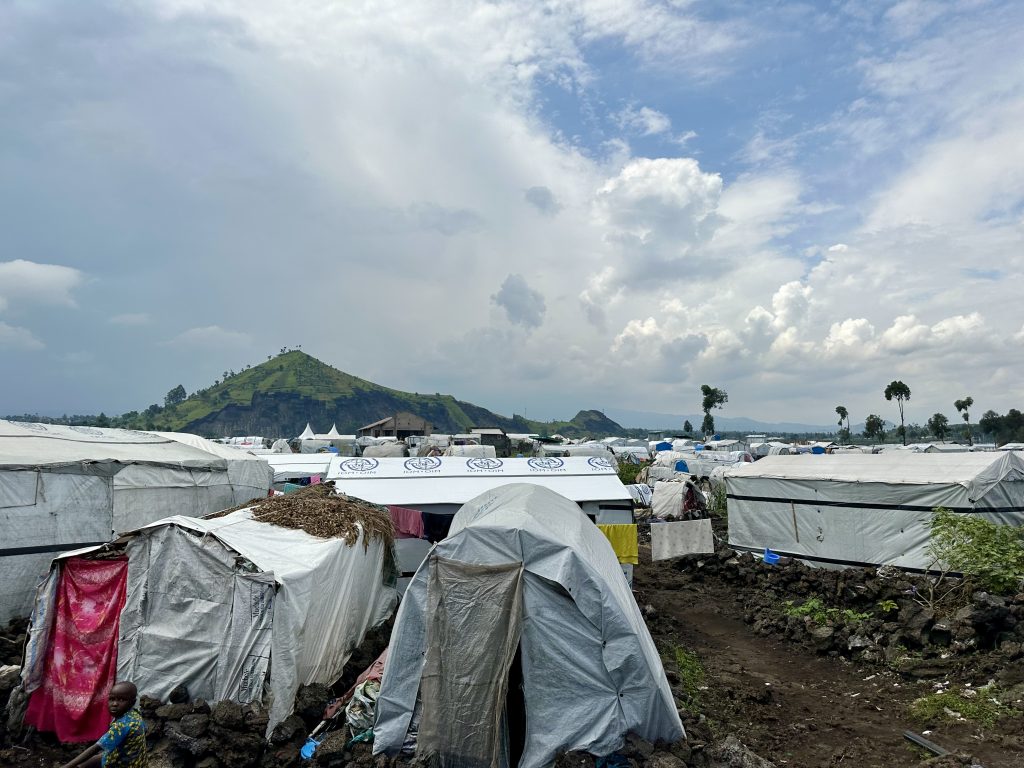
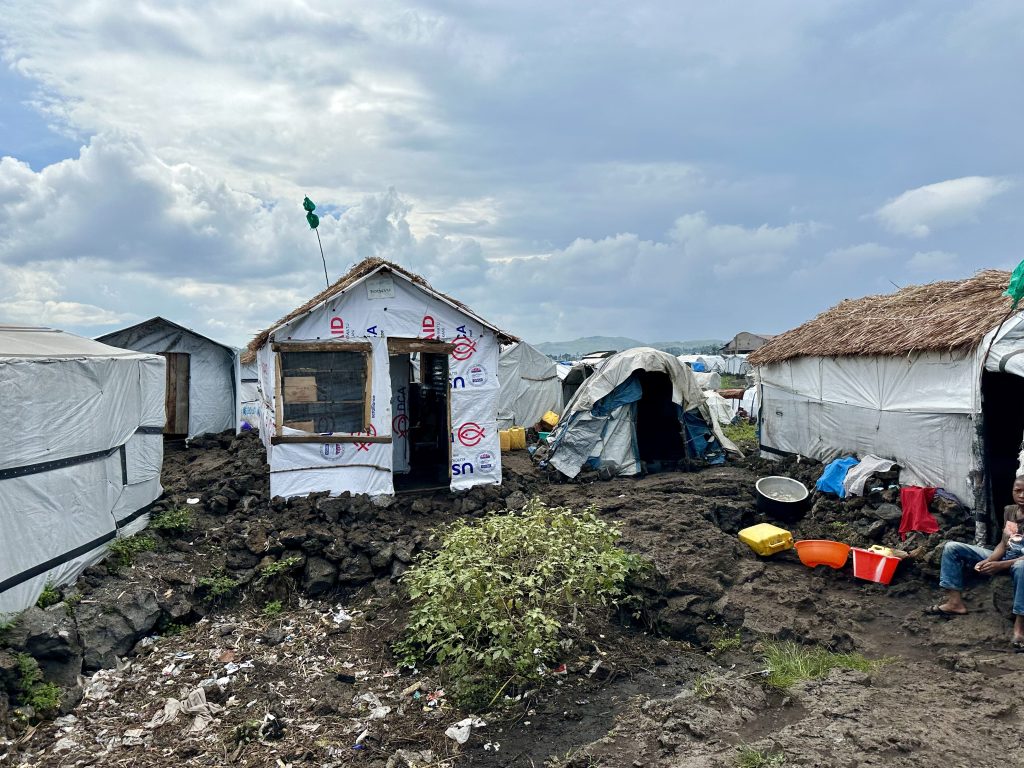
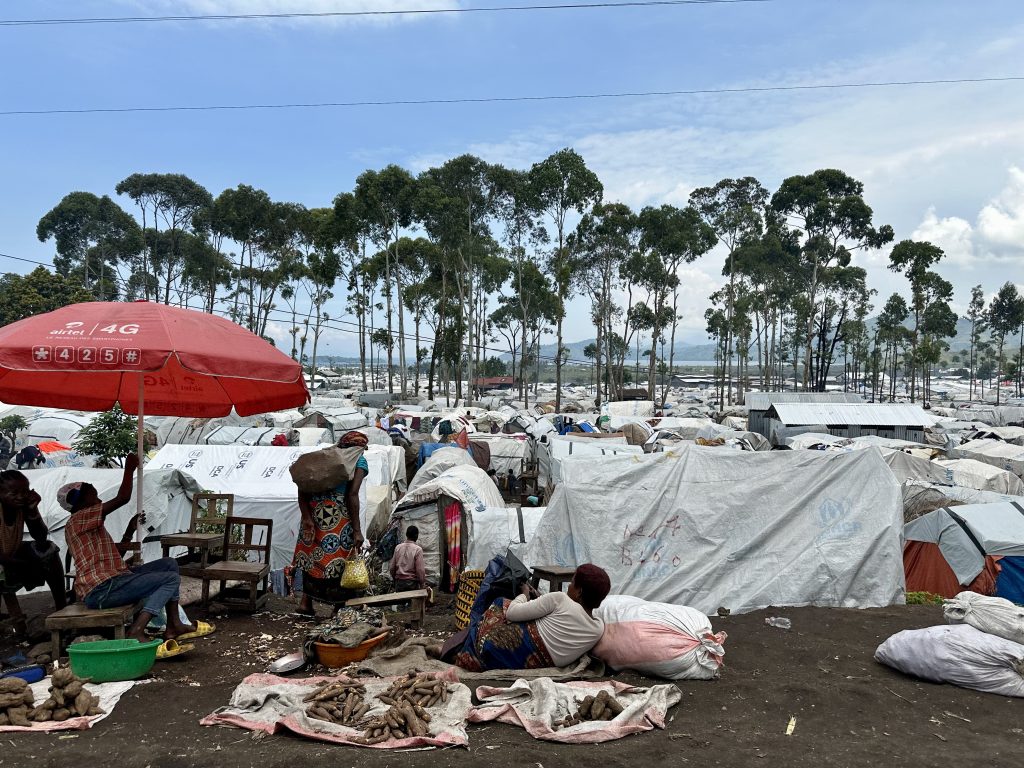
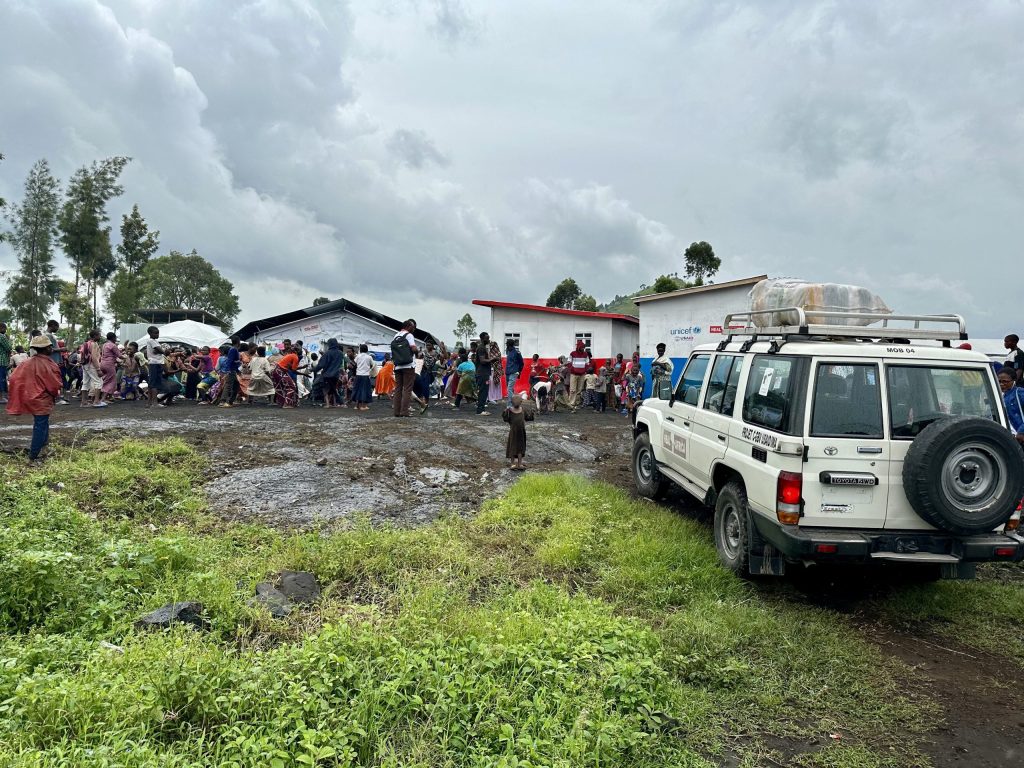
Children are among the millions of people who have sought shelter in IDP camps. Bulengo IDP camp, near Goma, is home to about 90,000 people living in tents and makeshift buildings. The camp itself has not been spared from the direct impacts of conflict: in May, the camp was bombed, reportedly killing at least nine people. 

Temporary structures in Bulengo IDP camp, North-Kivu, DRC. An estimated 90,000 people displaced by conflict in the DRC are living in Bulengo camp. Photo: Physicians for Human Rights.
Temporary structures in Bulengo IDP camp, North-Kivu, DRC, May 2024. Photo: Physicians for Human Rights.

To provide care to survivors of conflict-related sexual violence in North Kivu, PHR has partnered with clinicians at HEAL Africa, which serves as a one-stop center for survivors to access medical, psychosocial, and legal support to the most vulnerable populations in the DRC.   

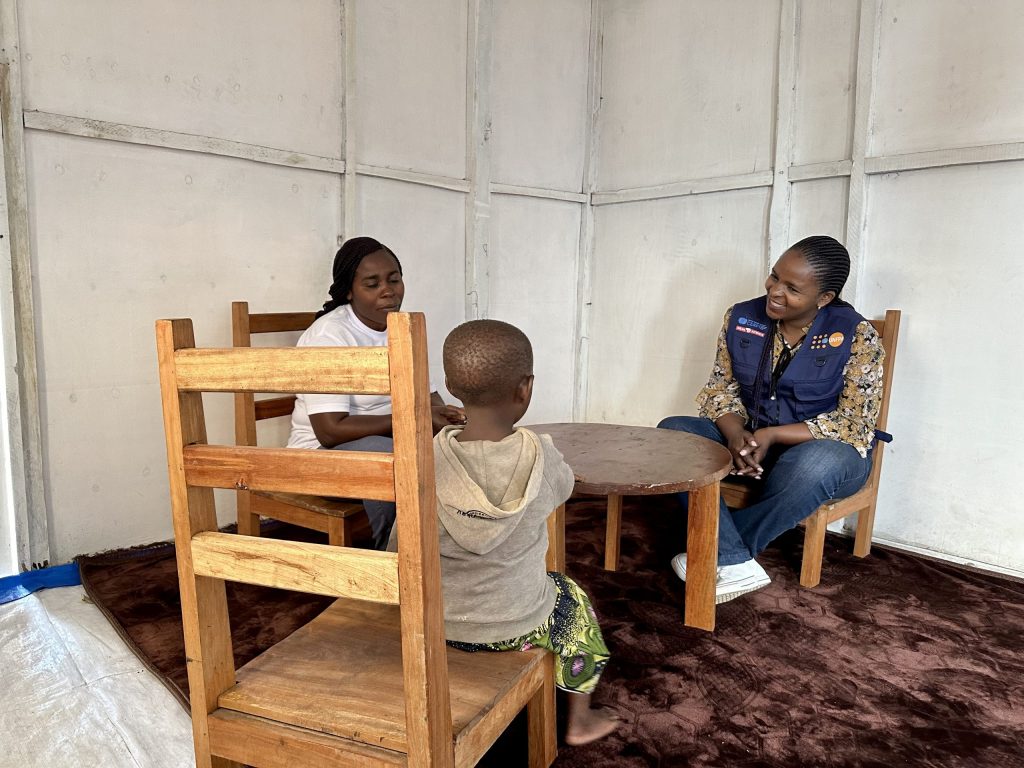
In 2023, PHR and HEAL Africa created a child-friendly interviewing facility dedicated to supporting child survivors of sexual violence living in the camp. Drawing on evidence-based best practices for designing child-friendly spaces in humanitarian settings; guidance from key interview protocols for child survivors of sexual violence; and the expertise of multi-sectoral stakeholders in North Kivu and the DRC, HEAL Africa and PHR are working to pilot this initiative to facilitate safe documentation of the traumatic sexual violence these children have experienced. The space continues to be a source of ongoing support for survivors while also serving as a space where evidence can be safely collected, with hopes that justice can eventually be served.  

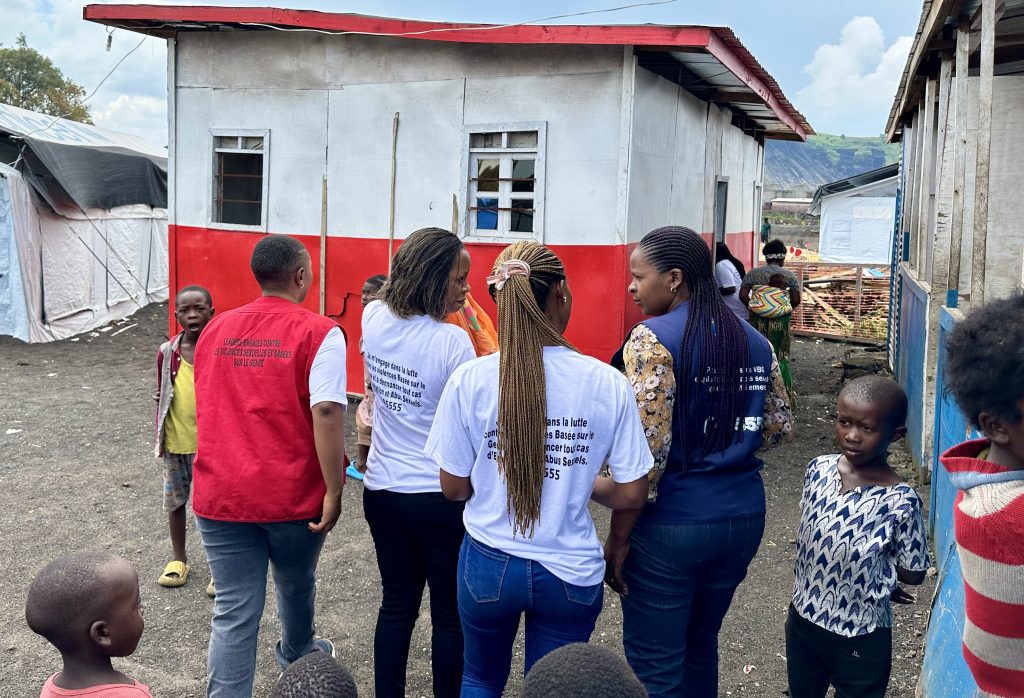
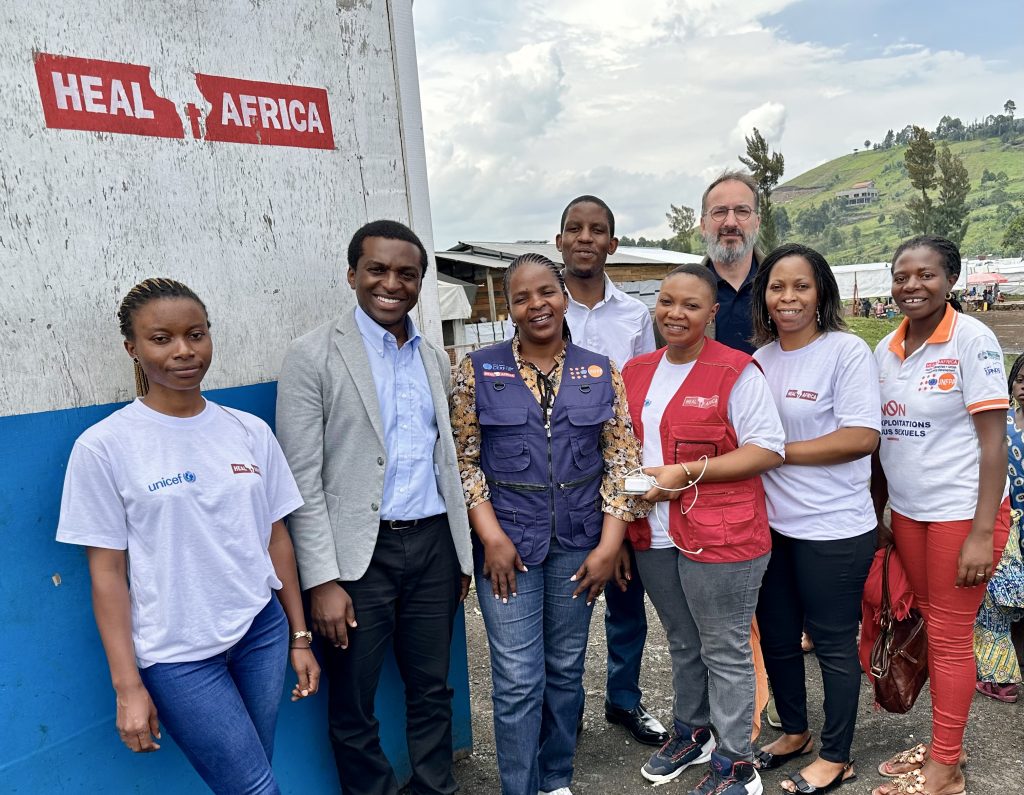
Jacqueline and the HEAL Africa team meet outside the child-friendly space in Bulengo IDP camp, North-Kivu, DRC, May 2024. Photo: Physicians for Human Rights 
Jacqueline Muyisa, psychologist with HEAL Africa, speaks with a child in the child-friendly space at Bulengo IDP camp, North Kivu, DRC, May 2024. Photo: Physicians for Human Rights
PHR’s Joyeux Mushekuru, Michel Nzola, Georges Kuzma, and members of the HEAL Africa team outside the child-friendly space at Bulengo IDP camp, North-Kivu, DRC, May 2024. Photo: Physicians for Human Rights.   

For over a decade, PHR’s Program on Sexual Violence in Conflict Zones has forged partnerships with professionals from the health, police, legal, and justice sectors to build best practices for forensic documentation of sexual violence and successful prosecution of and reparations for these cases.  In doing so, we build multidisciplinary, survivor-centered networks that help break down barriers to justice for child survivors of sexual violence. Read more about PHR’s work on children’s rights.  

Blog

Sexual Violence in Ethiopia: The Health Care Providers Bringing Evidence to Light and Demanding Justice for Survivors

“Imagine providing critical care to patients with no access to medications or equipment, while your salary is withheld, your basic needs are unmet, and the very place you call home is no longer safe. Hospitals are routinely attacked by combatants. Insidious acts of sexual violence persist, and places of healing are turned into death traps. This has been the grim reality for civilians and health workers in Tigray since late 2020.”

These words, spoken by a representative of the Organization for Justice and Accountability in the Horn of Africa (OJAH) at the recent Physician for Human Rights (PHR) annual gala, provide a glimpse into the ongoing humanitarian and human rights crisis in Ethiopia, including ongoing physical and psychological harm inflicted on survivors of conflict-related sexual violence.

The Conflict in Ethiopia

The conflict between the government of Ethiopia and its allies against the Tigray People’s Liberation Front began in the northern parts of the nation in November 2020, claiming over 600,000 lives. Despite the Cessation of Hostilities Agreement in late 2022, human rights violations have continued and a humanitarian crisis has deepened. Alongside this, conflicts have reignited in the Amhara, Afar and Oromia regions. There are regular reports of armed conflict as well as increases in killings and abductions occurring in the Amhara region. There are also reports of escalating tensions on the borders between Tigray and both the Amhara and Afar regions. A prominent Oromo opposition leader was killed in April – another indication that violence in Oromia could escalate.

The ensuing violence has uprooted many from their homes, causing severe disruptions to social services and humanitarian operations and requiring an estimated US$3 billion in ongoing humanitarian supplies and aid for millions of people. While some efforts have been made, financial efforts have only covered 12 percent of what is required.

Recurring droughts and severe flooding have worsened displacement and destroyed infrastructure. Inadequate care access has led to Ethiopia’s longest cholera outbreak, with over 15,000 new cases since January 2024. The humanitarian crisis in Tigray is acute with an ongoing famine, in addition to a lack of access to medical services in the ongoing occupation of Tigray. Food insecurity and malnutrition are expected to reach 15 million people needing aid by late this summer.

Concurrent with other challenges, conflict-related sexual violence has stood out as a persistent and ongoing threat to the people of Ethiopia from the beginning of the conflict. Military actors have continued to perpetrate acts of conflict-related sexual violence in Tigray, despite the peace agreement.

The Organization for Justice and Accountability in the Horn of Africa

Amid these vicious cycles of suffering in Ethiopia, in 2020, OJAH was formed.

OJAH is a nonprofit, independent nongovernmental organization that consists of both Ethiopian citizens, and international professionals who are clinicians and human rights advocates dedicated to ensuring justice for victims of international crimes including war crimes, crimes against humanity, and genocide. It works to address grievances and facilitate justice for victims and survivors of conflict-related human rights abuses and atrocity crimes throughout the Horn of Africa.

OJAH has documented conflict-related sexual violence in Tigray and provided support to the staggering number of people impacted by this conflict.

As a representative from OJAH aptly put, “It is our collective responsibility to extend a lifeline of support, to help survivors of conflict-related sexual violence move toward a future where life is not merely about enduring, it is about thriving once again.”

Since its beginnings as a nonprofit born from grassroots concern from Ethiopian civilians as well as those in the global diaspora, the organization has grown swiftly, and now partners with several local and international entities. The OJAH team is now working on evidence collection and preservation, capacity building, and support for domestic and international justice and accountability efforts.

A Partnership for Justice

While several organizations reported on the large-scale human rights violations occurring in Ethiopia, OJAH recognized the need for standardized and rigorous documentation efforts to ensure justice for survivors and accountability for perpetrators. This is where PHR came in.
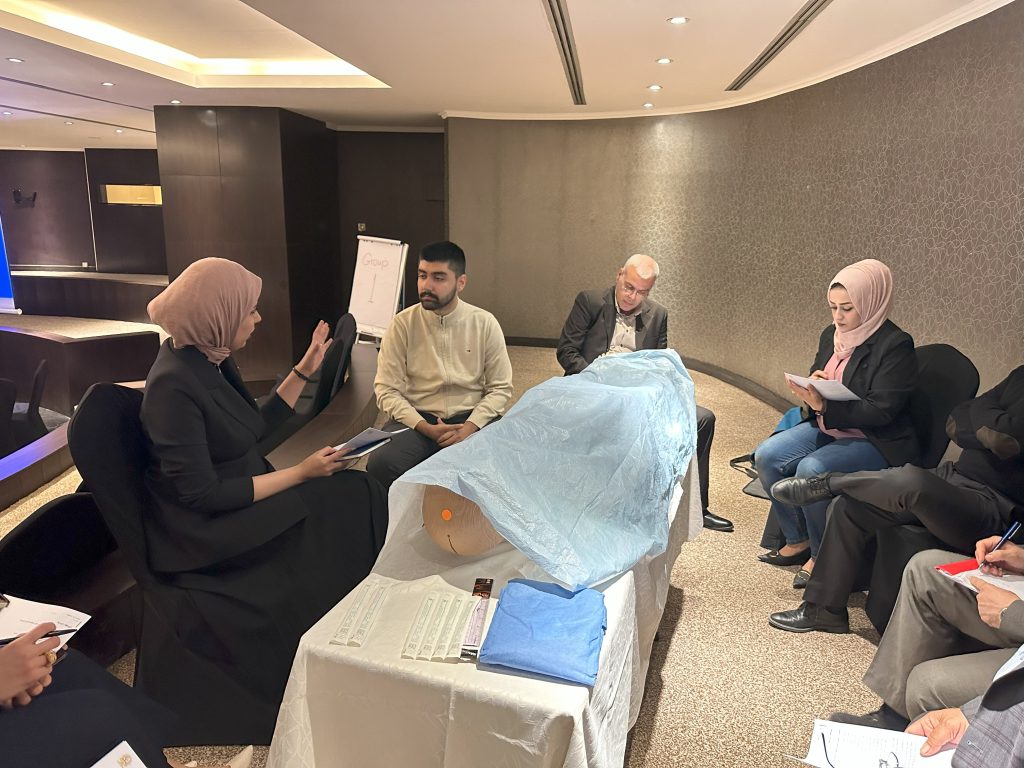
Since 2021, OJAH has worked in partnership with PHR to document and preserve data on violence and crimes, and expose sexual violence in Tigray. PHR provided OJAH with capacity development training on international standards for documenting atrocities, the use of standardized forensic certificates to document sexual violence, and provided technical support based on extensive experience working in conflict zones around the world. OJAH used the standardized tools and methods introduced by PHR to improve their documentation with the hope of ensuring future justice for survivors and accountability for perpetrators.
PHR and OJAH’s partnership led to the publication of a landmark report, “Broken Promises: Conflict-Related Sexual Violence Before and After the Cessation of Hostilities Agreement in Tigray, Ethiopia.”  This study exposed how conflict-related sexual violence was perpetrated in a widespread and systematic way in Tigray even after the signing of the truce in 2022. The irrefutable evidence of atrocities put the Ethiopian government, the African Union, the UN, and the global public on notice. The world knows about these heinous crimes because of the extraordinary bravery and expertise of OJAH and their partners.

“Without OJAH’s leadership, evidence would be lost, survivors would be silenced, and prospects for accountability would be dim,” said Payal Shah, director of the Program on Sexual Violence in Conflict Zones at PHR.

Based on mutual respect and benefit, the collective work between PHR and OJAH exemplifies the power of collaboration between prominent international human rights groups and emerging African-led organizations. Last month, OJAH was honored for its work at PHR’s annual gala for their expertise, courage, and resilience.

Despite the success of their partnership with PHR, OJAH’s journey has not been without challenges. Extreme scrutiny by the Ethiopian government on those investigating human rights has forced the organization to operate discretely and carefully to ensure that their field team is able to work safely.

Health care workers in Ethiopia have been targeted, attacked, and even killed simply for trying to fulfill their ethical duties to save lives and ease suffering. In a remarkable display of courage and commitment to care, health care workers in Ethiopia attended remote training sessions during the height of the conflict. They continued to learn even when one session was cut short by a drone strike.

Today, health care workers in Ethiopia continue to face the threat of violence, blockades, communications shutdowns, and food insecurity. Yet, OJAH reports that the resilience among the professionals remains high.

“Our colleagues are struggling, but they have not given up,” said an OJAH representative.“They continue to care for their patients and communities, in the face of overwhelming challenges. We must not forget their sacrifices.”

Looking Ahead: The Road to Accountability and Justice

OJAH continues to gather and analyze robust evidence, compiling cases and legal dossiers against perpetrators of atrocity crimes from all parties to the conflict in Ethiopia. OJAH also advocates with policymakers to ensure the evidence they gather has meaningful and legitimate outlets to pursue cases against perpetrators. After lobbying by the Ethiopian government led to the premature termination of the mandates of commission of inquiry established by the UN Human Rights Council and the African Union, there are no independent international accountability mechanisms available to accept evidence of violations in Ethiopia.
Looking toward the future, OJAH hopes to center their work on the needs of victims and survivors of conflict-related sexual violence. A key objective for the organization is to break the cycle of conflict and impunity. An OJAH representative shared with the PHR team, “Typically, conflict leads to human rights violations, atrocities and other crimes. When justice and accountability are absent, impunity prevails, perpetuating further conflict.” This was evident during the war in Tigray and ongoing conflicts across the country, where meaningful local or international accountability was lacking. Peace agreements were prioritized and used as a trade-off for credible and effective justice and accountability.

As similar crimes and atrocities play out on repeat in Ethiopia and other regions, OJAH continues to work to break the cycles of violence. They are a pioneer in the broader mission to ensure justice is served and perpetrators are held accountable — not only in Ethiopia but also in all conflict areas in the Horn of Africa.

Blog

In Iraq, a New Tool Helps Forensic Doctors Document Sexual Violence and Torture   

During its 2014 offensive, ISIS waged horrific violence in Iraq. ISIS targeted religious minorities, including the Yazidis, who suffered brutal attacks on their communities. Thousands of Yazidi men, women, and children were killed, forced into flight, or abducted, raped, and enslaved. Today, ten years later, most survivors are still waiting for justice.  

Recognizing the gaps in the Iraqi medical-legal system to respond to crises like this, Physicians for Human Rights (PHR) and the medical-legal sector in Iraq have partnered to improve it. The partnership brings new expertise and training to the country’s forensic doctors to help the Iraqi forensic professionals better conduct thorough investigations and build capacity to address such violations. The collaboration has yielded the introduction of a new forensic medical form: a powerful tool that helps to standardize survivor-centered documentation and improve access to justice for survivors of sexual and gender-based violence, as well as conflict-related sexual violence.  

Embarking on a Partnership for Change 

PHR’s forensic capacity work in Iraq began in 2017 in response to concerns raised by local partners on the need to expand forensic capacity in the country. PHR partnered with the Medical-Legal Directorate (MLD) in Baghdad, a government bureau affiliated with the Ministry of Health. The MLD oversees medical-legal institutes in 14 governorates across the country, facilities tasked with conducting forensic examinations of survivors of torture and sexual violence, and regularly produces forensic reports to be used as evidence in court. By 2021, PHR and the MLD recognized that the lack of a standardized tool and practices in forensic documentation across the country had led to inequitable outcomes for survivors. At the time, methods and procedures used by forensic doctors in Iraq varied widely depending on their qualifications, experience, and attitude towards survivor-centered approach. Likewise, the completeness – and even accuracy – of documentation varied by location. After extensive consultations with forensic doctors, legal and judicial experts as well as international experts; it was agreed that if survivors were to access equitable and evidence-based forensic documentation process, a common forensic medical form – that met international standards – was the key.   

To create a new form, PHR and the MLD jointly produced and piloted numerous drafts, conducted multiple validation sessions with physicians in Iraq as well as international health professionals, and held a series of workshops with Iraqi medical and legal experts to ensure the form reflected Iraqi cultural context and legal frameworks.  

To date, PHR has trained approximately 85 percent of forensic doctors across the country, including the Kurdistan region of Iraq.

A forensic doctor from Mosul was among those consulted and trained in the process. “I had doubts when we started the training with PHR,” he said. “I did not think implementing the form was feasible, since we receive many cases every day, and the new form is long and takes time to fill out. But after the training, I realized how straightforward it is. Once the doctors get accustomed to the different sections, the form should organize the way we collect information and evidence and will allow us all to do this systematically. We just need to practice using it more.”  

Another doctor at the MLD shared similar reflections after implementing the forensic form. “We take the time to get informed consent and go through the examination according to the form, the survivor becomes more at ease with the process. They collaborate and share more details [with the clinicians] about what happened to them.” 

To date, PHR has trained approximately 85 percent of forensic doctors across the country, including the Kurdistan region of Iraq. In early 2024, the MLD in Baghdad formally started implementing the new forensic medical form. To measure the progress of the form’s adoption, PHR and the MLD conducted a joint assessment to monitor the provision of survivor-centered care, implementation of the form in clinics and hospitals, ongoing evaluation and improvement, and sustainability. 

The outcomes of this assessment are guiding PHR and the MLD, along with other relevant stakeholders, to bridge existing gaps to transform the MLD’s practices, structure, and policies to support a survivor-centered approach to forensic documentation of sexual violence and torture moving forward. Some areas of focus include; the attitudes and the practices of forensic doctors and staff interacting with survivors to ensure that they center survivors’ needs, avoid discriminatory behaviors, and respect survivors’ dignity, privacy, and confidentiality. 

Looking Ahead 

A comprehensive and survivor-centered implementation of the form will support justice for survivors; although there is  the need for a multisectoral collaboration and understanding of the best standards to document, collect, preserve, and analyze forensic evidence among investigative authorities. Building on PHR’s successes with this model in other countries, PHR and the MLD will organize a series of multisectoral workshops to advance the coordination between the judicial, investigative, and medical sectors. These workshops will help forensic doctors to conduct comprehensive documentation of physical and psychological evidence; support judicial authorities to refer cases, interpret, and use forensic evidence following best standards; and, generally help all stakeholders to clarify roles and responsibilities.  

It will take time for Iraq to ensure all survivors of torture and sexual violence can access the medical and legal support they deserve. However, the ongoing collaboration is already providing better experiences for survivors and strengthening national justice mechanisms. For example, in March 2024, the MLD opened a new Clinical Management of Rape Unit tasked with conducting forensic documentation of survivors of sexual violence.

Creating the forensic medical form and strengthening the capacity to document physical and psychological evidence of conflict-related sexual violence are crucial elements to build justice and accountability, but this cannot be done without a clear legal pathway. To address conflict-related sexual violence, the Iraqi authorities need to develop the capacity of the Iraqi judicial system. The Iraqi legal and judicial system should incorporate international elements to prosecute and address the crimes that amount to war crimes, crimes against humanity, and genocide. 


This project is implemented with the support of the Peace & Stabilization Operations Program of the Government of Canada.

Open Letter

Letter: 475 Medical Professionals Demand an End to Solitary Confinement in U.S. Immigration Detention 

Dear President Biden, Secretary Mayorkas, and Acting Director Lechleitner: 

The undersigned 475 healthcare professionals – including, but not limited to, physicians, nurses, psychologists, social workers – write today in unison. In alignment with our professional and ethical obligations as healthcare professionals, we urge the U.S. government to immediately cease the use of solitary confinement in immigration detention. 

As members of the U.S. health care community, we are dedicated to the preservation and enhancement of human life and overall well-being. Our mandate extends to understanding the broader context of a person’s life circumstances and its potential impact on health, including the conditions in Immigration Customs Enforcement (ICE) detention and solitary confinement, the detrimental effects of which are already extensively documented.

The harm inflicted by solitary confinement includes significant, and sometimes permanent,  negative health outcomes, such as paranoia, experiencing hallucinations, confusion, heart palpitations, interrupted and disrupted sleep patterns, and a decline in cognitive abilities. Solitary confinement is also known to trigger Post Traumatic Stress Disorder, self-harm, and, at worst, raise the risk of suicide.  

A new report “Endless Nightmare”: Torture and Inhuman Treatment in Solitary Confinement in U.S. Immigration Detention (Endless Nightmare) details the horrors of solitary confinement in ICE detention centers. The report, a collaboration between Physicians for Human Rights, researchers at Harvard Medical School, and faculty and students at Harvard Law School, was the latest of numerous reports of ICE’s harmful and arbitrary use of solitary confinement, as well as the agency’s violations of international conventions and domestic and international legal standards.

ICE has isolated people for months and even years; in the last five years alone, ICE has placed people in solitary confinement over 14,000 times. It has used solitary confinement as punishment for minor infractions, such as using profanity or not getting out of bunk during count. ICE has isolated people with serious vulnerabilities, including people with mental health and physical conditions. ICE placed nearly 700 people in solitary confinement for more than 90 days and more than 40 people for more than one year. ICE has done all of this despite its own protocol instructing that disciplinary solitary confinement should last no longer than one month except in “extraordinary circumstances,” and its 2013 “Segregation Directive,” which stipulates that “placement in administrative segregation [solitary confinement] due to a special vulnerability should be used only as a last resort and when no other viable housing options exist.”  

Despite overwhelming evidence of the detrimental impacts solitary confinement has on physical and mental health, ICE has persistently neglected to address this issue adequately. This barbaric practice continues to expose thousands of people to the severe risk of enduring mental and physical health complications. In fact, since we released our report in February, a man who was still in solitary confinement at the time of our analysis, has died. Mr. Charles Daniel was in detention for almost four years, and spent virtually that entire time in solitary confinement, despite the fact that he was known to have serious mental health issues. ICE has repeatedly failed to respond effectively to the mountain of evidence that keeping people in solitary confinement is both unnecessary and dangerous, and at times life-threatening.  

It has now been over three months since the release of Endless Nightmare, and despite repeated, loud calls to end solitary confinement over the last decade, nothing appears to have changed. Solitary confinement continues to be used in ICE detention, inflicting serious and sometimes irreparable harm, including death, on people within our borders and in your custody. 

We echo the sentiments of the nearly 200 diverse organizations that wrote to you with an urgent call to action: the Department of Homeland Security (DHS) must end the practice of solitary confinement (“segregation”) in all immigration detention centers. 

See full letter and list of signatories

Submissions to the United Nations Universal Periodic Review: Democratic Republic of the Congo and Ethiopia

PHR submissions to the Fourth Cycle, 47th Session of the Human Rights Council (4 – 15 November, 2024):

Submission for Universal Periodic Review of the Democratic Republic of the Congo

Submission for Universal Periodic Review of Ethiopia

Report

Expert Report: Russia’s Attacks on Health Care in Syria

Introduction

  1. This expert report is presented by Physicians for Human Rights (PHR) to provide the U.N. Human Rights Committee with an expert view on widespread and systematic attacks against Syria’s health care system, including the extent to which Russian forces engaged in such attacks following Russia’s formal intervention in the conflict in Syria in October 2015 and their impact on respect for Article 6 of the International Covenant on Civil and Political Rights (ICCPR or Covenant).[1]
  2. PHR is an international human rights organization that works at the intersection of medicine, science, and law to end human suffering, save lives, and secure justice and universal human rights for all. It was established in 1986 to use the unique skills and credibility of health professionals to advocate for persecuted health workers, prevent torture, document mass atrocities, and hold those who violate human rights accountable.
  3. PHR’s global network of health professionals, lawyers, and human rights researchers and activists has worked across five continents to ensure accountability for attacks on health care infrastructure and personnel and for sexual violence in conflict zones, to end torture and ill-treatment, to speak out for the right to protest safely, to halt the use of excessive force by police and security forces, and to safeguard the rights and health of asylum seekers. PHR trains health, legal, and law enforcement professionals to document evidence of human rights abuses and to work together to bring that evidence to court, hold violators accountable, and secure justice for victims and survivors. We investigate mass atrocities and advocate to protect health care facilities and personnel from attack. The evidence PHR gathers has been used by international and local justice mechanisms, United Nations bodies, policymakers, and journalists to help bring human rights abusers to justice, prosecute war crimes, reform policies and practices that undermine human rights, secure reparations for survivors, and spur action in the face of growing rights violations.
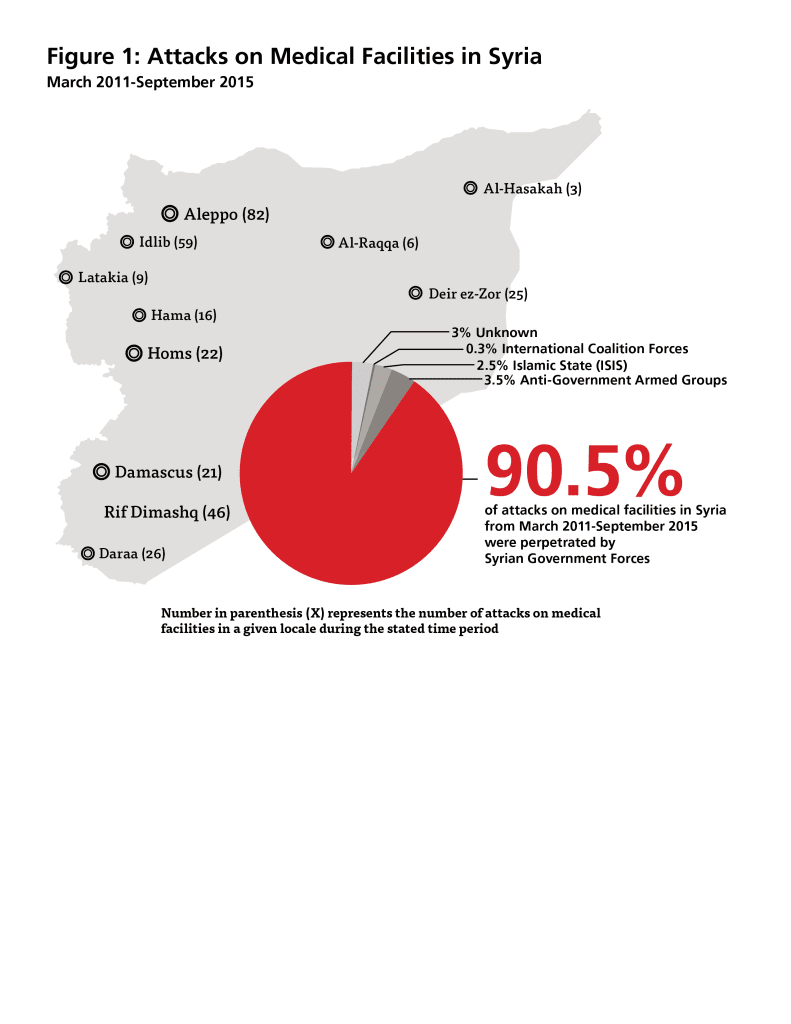
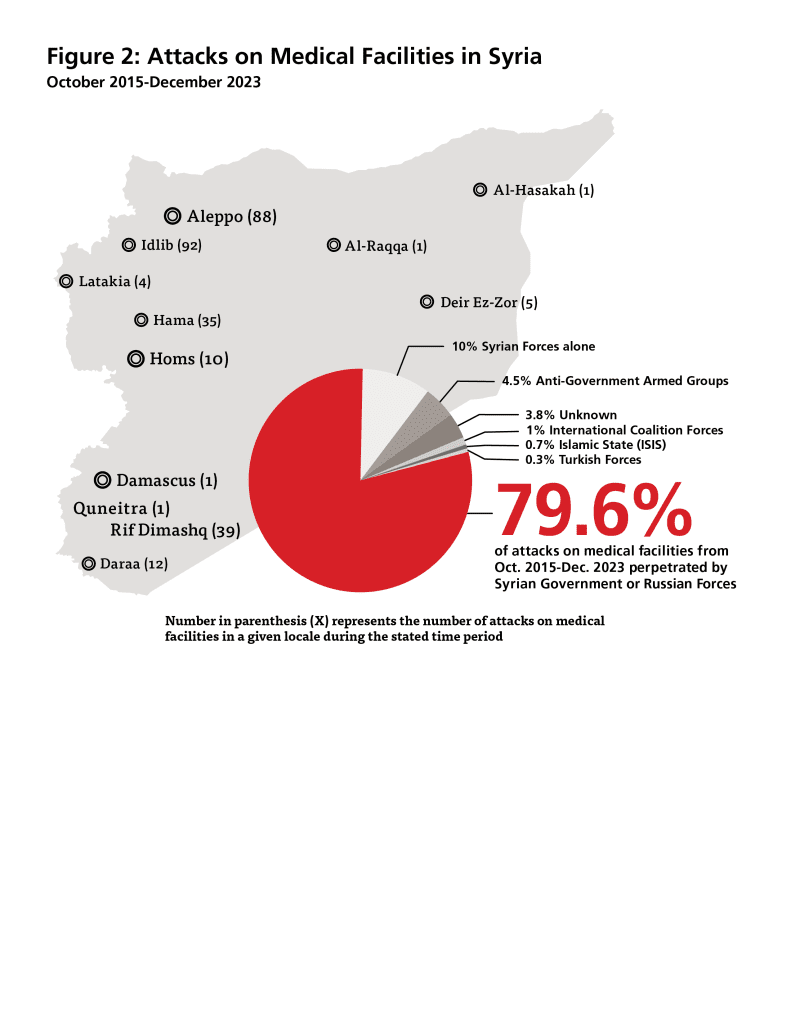
  4. PHR has been actively involved in documenting human rights abuses and violations of international humanitarian law (IHL) and international human rights law (IHRL) committed during the course of the conflict in Syria, with a particular focus on attacks on medical facilities and health care providers.[2] In 2011, PHR researchers began documenting attacks on Syrian health infrastructure, creating an interactive map of attacks with the purpose of documenting and visualizing attacks on health care facilities in Syria during the ongoing conflict. The map is publicly available on PHR’s website at https://syriamap.phr.org. PHR also documents attacks on medical personnel working in Syria, including unlawful detentions, ill-treatment, and the killing of health care workers. PHR has published multiple reports on this issue and has also developed a publicly available page to track the deaths of health care workers at https://phr.org/our-work/resources/medical-personnel-are-targeted-in-syria/.
  5. PHR’s map of attacks on health infrastructure is designed to document those attacks that either intentionally or indiscriminately damage health care facilities or workers.[3] Attacks that target a civilian object intentionally or indiscriminately are prohibited under IHL.[4] Health care facilities are [5] afforded special protection under IHL and may not be the object of attack (except under very narrow exceptions when they have been ‘militarized’). Medical personnel[6] are similarly entitled to carry out their duties impartially and without interference.[7] PHR’s map documents that the Syrian government and allied Russian forces have engaged in both intentional and indiscriminate attacks on health care facilities, in violation of IHL and IHRL, including the right to life and the right to health.
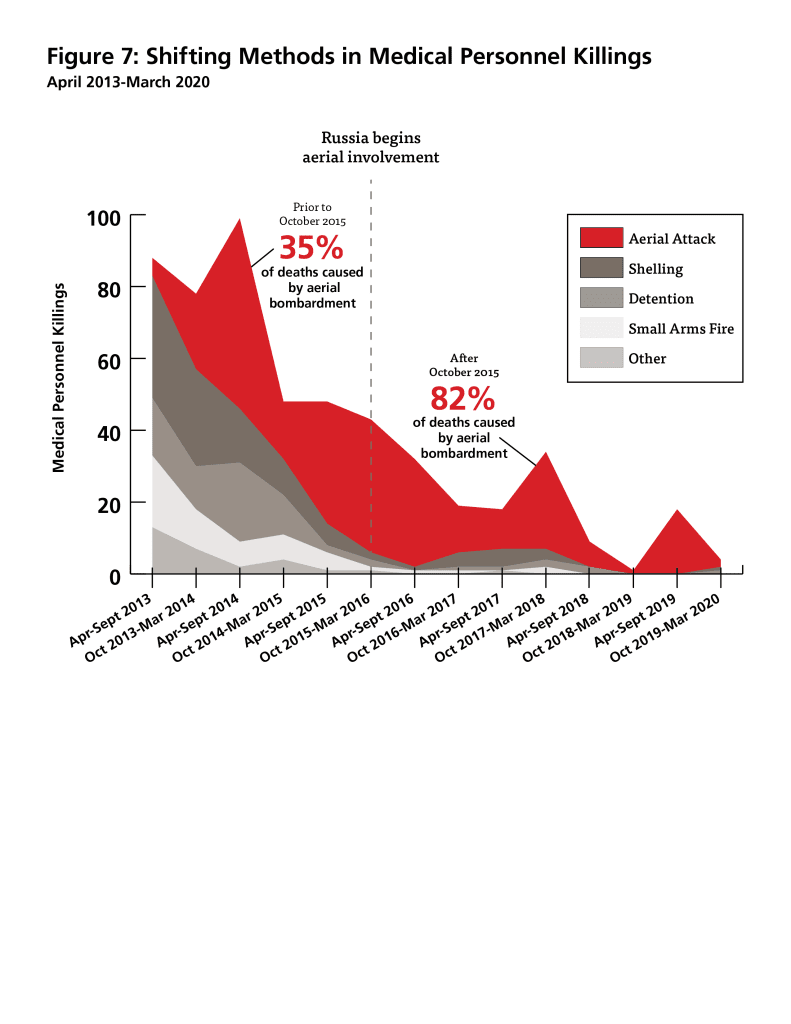
  6. PHR’s rigorous, original research, monitoring, and analysis of the conflict in Syria for more than a decade reflects the grave harms of attacks on health care. It has documented the killing of 949 medical professionals since March 2011, the vast majority of which can be attributed to the Syrian government and Russian forces.[8] PHR’s research has also established patterns of arrest, detention, and torture of health care workers in Syria.[9] It has published nine case studies to date documenting attacks on medical facilities throughout the country,[10] and since 2019, has closely examined the impact of attacks on civilian access to health care.[11] Most recently, PHR examined the link between conflict and diminished access to sexual and reproductive health services in northwest Syria.[12]
  7. This report first describes the numbers and patterns of attacks on health care in Syria and examines evidence pointing to Russia’s involvement in these attacks, which both increased and accelerated following its entry into the conflict on the Syrian government’s behalf in September 2015. The report then offers a case study of a 2021 attack on al-Atareb Hospital in western Aleppo, which killed seven patients. This attack is an example of the targeting of isolated health facilities that has been a hallmark of the Syrian conflict and the use of the “double tap” strategy by Russian forces.[13] The third section illustrates the devastating impact of these attacks on community health in Syria. The report then considers the various ways in which these attacks violate the right to life and the right to health and shows how current, continued attacks by Russia on the civilian population in Ukraine mirror the patterns observed in Syria.

Read the full report: English, Arabic, Russian

Graphic design generously contributed by Sarah Georgakopoulos.

On May 5, 2019, the Russian Air Force operating in Syria carried out a deadly attack on the hospital at Kafr Nabl, in the province of Idlib—one of a pattern of multiple attacks on healthcare facilities in Syria by Russian forces allied with Syria’s President Bashar al-Assad. On May 1, 2024, the Open Society Justice Initiative filed a complaint on behalf of Syrian applicants with the UN Human Rights Committee in Geneva, seeking a measure of justice for the Syrian victims and survivors, and in a bid to reinforce the global prohibition on attacks carried out on hospitals and other healthcare facilities. The complaint uses recordings, video, and other evidence of Russia’s responsibility for the attacks, including material included in this video.

[1] This expert report is provided to accompany a Communication submitted to the Human Rights Committee on May 1, 2024 concerning an alleged attack on a hospital in Syria – the Kafr Nabl Surgical Hospital – on May 5, 2019, by Russia. Physicians for Human Rights (PHR) hopes that this report may be of assistance to the Human Rights Committee in its consideration of the authors’ Communication.

[2] Significantly, PHR defines an “attack” more narrowly than IHL and focuses only on violent assaults upon a medical facility resulting in any destruction, damage, or loss of the facility’s function, equipment, or medical supplies. An attack can include bombing, shelling, artillery, car bombs, shooting, arson, or attack by armed personnel. “Medical facilities” refer to permanent facilities or mobile clinics used for medical purposes at the time of attack and therefore protected under IHL. For purposes this report, “health care facility” and “medical facility” are used interchangeably. See Physicians for Human Rights, “PHR Methodology for Collection of Data on Medical Facilities,” accessed April 17, 2024, https://syriamap.phr.org/#/en/methodology.

[3] See PHR, “Overview of Principles and Rules of International Humanitarian Law Applicable to Conduct of Hostilities with a Focus on Targeting of Hospitals and Medical Units,” 2012, https://s3.amazonaws.com/PHR_syria_map/ihl-methodology-appendix.pdf.

[4] See ICRC, “Rule 11: Indiscriminate attacks are prohibited,” International Humanitarian Law Databases, accessed April 2, 2024, https://ihl-databases.icrc.org/en/customary-ihl/v1/rule11; Protocol Additional to the Geneva Conventions of 12 August 1949, and relating to the Protection of Victims of International Armed Conflicts (Protocol I), December 7, 1978, Article 51. The description of “indiscriminate” targeting involves considerations beyond this report; however, under IHL, an indiscriminate attack is one that is not directed at a specific military project or that employs a “method or means of combat” which either cannot be directed at a specific military objective or the effect of which cannot be limited such they “are of nature to strike military objectives and civilians or civilian objects without distinction.” An attack that is not directed at any military objective is strictly prohibited. See e.g., ICRC “Rule 12: Definition of indiscriminate attacks,” International Humanitarian Law Databases, accessed April 2, 2024, https://ihl-databases.icrc.org/en/customary-ihl/v1/rule12; Protocol Additional I, Article 51.

[5] Protocol Additional to the Geneva Conventions of 12 August 1949, and relating to the Protection of Victims of Non-International Armed Conflicts (Protocol II), December 7, 1978, Article 51, https://ihl-databases.icrc.org/en/ihl-treaties/apii-1977/article-11.

For the limited exceptions to this rule, see ICRC, “Rule 25: Medical Personnel,” International Humanitarian Law Databases, accessed April 17, 2024, https://ihl-databases.icrc.org/en/customary-ihl/v1/rule25. PHR’s map excludes Syrian hospitals or clinics that the data show may have been militarized or used for military purposes.

[6] Medical personnel include any individual involved in the provision of health care such as physicians, nurses, technicians, dentists, pharmacists, ambulance drivers, non-professionally trained medical volunteers, and other hospital staff. Additional Protocol I, Article 8(c); ICRC, “Rule 25.”

[7] Common Article Three states “[t]he wounded and sick shall be collected and cared for.” Geneva Convention (IV) relative to the Protection of Civilian Persons in Time of War, October 21, 1950, Article 3, https://ihl-databases.icrc.org/en/ihl-treaties/gciv-1949/article-3.

[8] PHR, “Medical Personnel Are Targeted in Syria,” last modified February 2024, https://phr.org/our-work/resources/medical-personnel-are-targeted-in-syria/.

[9] See, e.g., PHR, “My Only Crime Was That I Was a Doctor,” December 2019, https://phr.org/our-work/resources/my-only-crime-was-that-i-was-a-doctor/; PHR, “The Survivors, the Dead, and the Disappeared: Detention of Health Care Workers in Syria, 2011-2012,” November 2021, https://phr.org/our-work/resources/the-survivors-the-dead-and-the-disappeared/?utm_source=website_promo.

[10] See, e.g., “No Place Is Safe for Health Care – The Attack on Syria’s Al-Atareb Hospital”; “At Syria’s Cave Hospital”; “Conducting Surgery under Bombardment and Siege; Al-Quds Hospital – The Last Hospital Standing in Aleppo”; “Kafr Nabl Hospital – in the crosshairs of a murderous barrage of attacks”; “The Destruction of Hospitals – A Strategic Component in Regime Military Offensives”; “Repeated attacks on underground medical facility demonstrate deliberate targeting”; “Attacking Health Care with Chemical Agents; Three Attacks in One Day”; “Heavy Bombardment by U.S. and Coalition Forces Devastate Hospitals in Raqqa.” All of these PHR case studies are available at PHR, “Case Studies,” accessed April 17, 2024, http://syriamap.phr.org/#/en/case-studies/.

[11] See, e.g., PHR, “The Syrian Conflict: Eight Years of Devastation and Destruction of the Health System,” March 2019, https://phr.org/our-work/resources/the-syrian-conflict-eight-years-of-devastation-and-destruction-of-the-health-system/; PHR, “Obstruction and Denial: Health System Disparities and COVID-19 in Daraa, Syria,” December 2020, https://phr.org/our-work/resources/obstruction-and-denial-health-system-disparities-and-covid-19-in-daraa-syria/; PHR, “Destruction, Obstruction, and Inaction: The Makings of a Health Crisis in Northern Syria,” December 2021, https://phr.org/our-work/resources/syria-health-disparities/.

[12] PHR, “She Pays the Highest Price: The Toll of Conflict on Sexual and Reproductive Health in Northwest Syria,” March 14, 2023, https://phr.org/our-work/resources/sexual-and-reproductive-health-in-northwest-syria/.

[13] As discussed further below, the “double tap” strategy refers to bombing a target multiple times in relatively quick succession, so the subsequent strikes often hit those responding to the first attack.

Report

Evidence for Impact, Advocacy for Justice

Physicians for Human Rights 2023 Annual Report

“If any of you worry about the issues that are going on in the world as you listen to the news every day and you feel somewhat powerless because the problems, the fractures, are too large and too many, I think you and I can take comfort that PHR is playing its part everywhere in the world in building trust, in seeking truth, and in providing service […] The work of PHR is there to testify, to give witness, and to help.” 

Yo-Yo Ma, world-renowned cellist and music ambassador 

Dear PHR Supporters: 

As we reflect on the peaks and valleys of a momentous year, we are pleased to share with you some stories of transformation and success that your generosity has enabled. Your dedication to the cause of human rights has bolstered PHR’s relentless pursuit of justice and the fulfillment of human rights for everyone.

In the following pages, you will read about the impact of our work around the globe, touching lives at the intersection of health and human rights. In the United States, your support empowered us to bring PHR’s unique expertise to the cause of reproductive justice following the overturn of Roe v. Wade, shining a light on the damage caused by abortion bans on patients’ right to information and health and clinicians’ ethical obligations. PHR’s trailblazing research and advocacy led California and Colorado to ban the unscientific term “excited delirium,” which has been used to mask racist police violence, as a cause of death.

Around the world, we documented atrocities and pursued accountability in global crises from Ethiopia to Ukraine, Gaza to the DRC, and Syria to Sudan, standing as advocates for those whose voices often go unheard. While many excellent organizations respond to human rights violations and advocate for change, PHR mobilizes the global medical community to use its unique skillset, professional credibility, and moral authority for the defense of human rights. PHR’s singular approach has for decades shown that when health professionals rigorously document evidence using medical and scientific methods, expose and speak out about health and human rights abuses, and champion accountability for them, the world is a safer, more rights-respecting place.

As you know all too well, 2023 was marred by global crises and catastrophes. The suffering was immense and weighed on all of us profoundly. But as you read this annual report, we invite you to pause for a moment and join us in celebrating the victories, big and small, that we achieved together. There are no easy or quick wins in human rights, and our battles are often fought over the course of decades.

In the coming year, your contributions will help us make an enduring impact across diverse regions, ensuring that we can advocate for the most vulnerable and foster positive change where it is needed most. Thank you for being the heart of our movement. Your belief in our work propels us forward, and we are truly grateful for your unwavering commitment to creating a world where human rights are upheld for all.  

With deepest thanks,  

Saman Zia-Zarifi, JD, LLM 

Executive Director 

Gerson H. Smoger, JD, PhD  

Board Chair 

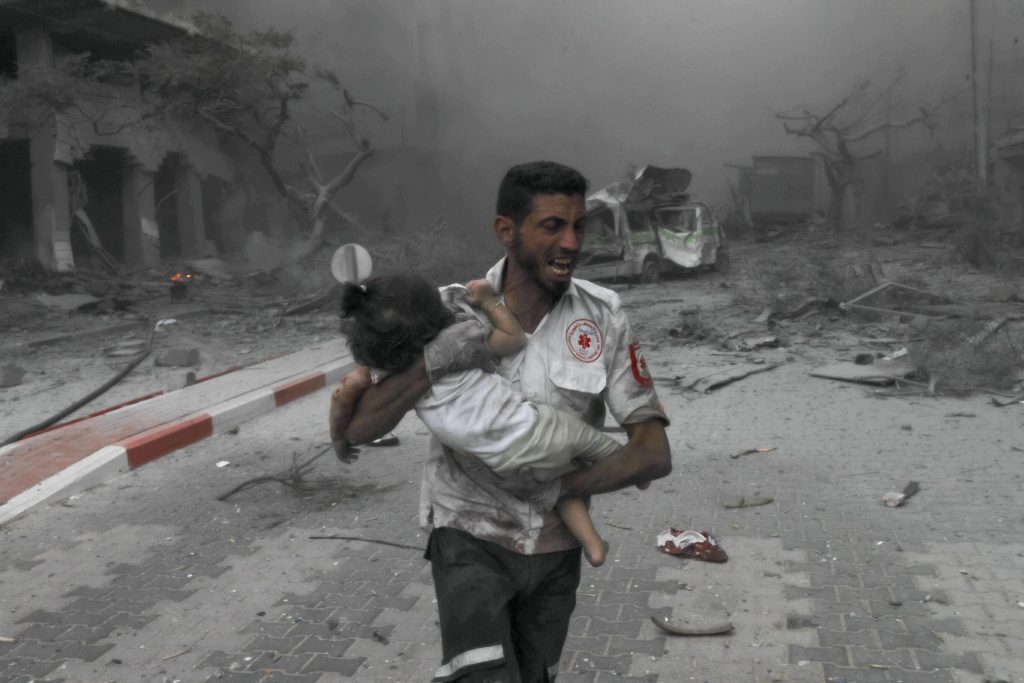
A medical worker rushes a child to an ambulance for treatment after Israeli airstrikes destroy buildings in Gaza City, Gaza on October 09, 2023. Photo: Belal Khaled/Anadolu Agency/ Getty Images

“PHR has elevated the voices of health professionals and used its vast networks, strong partnerships, and unwavering commitment to justice to fight for equal protection for all people.”  

Meryl Streep, Award-winning actress

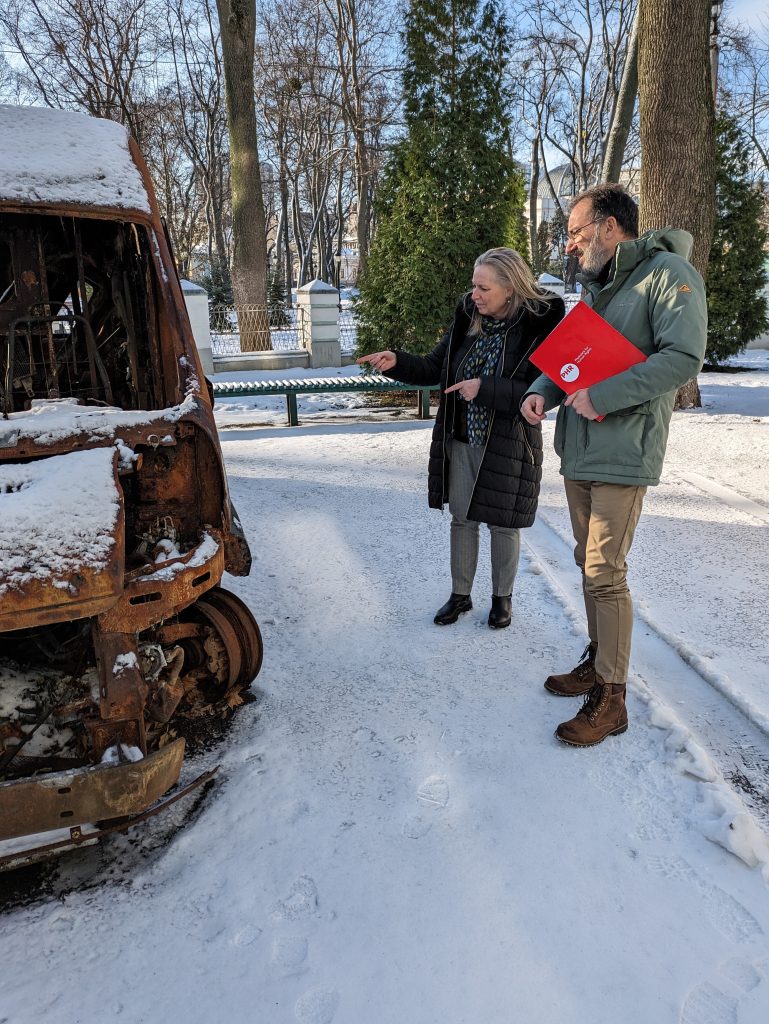
Photo: Ranit Mishori, MD, MHS, PHR’s former Senior Medical Adviser, and Georges Kuzma, PHR’s Police and Justice Expert Consultant, near the Ministry of Health building, Kyiv. Photo: Courtesy of PHR. 

Decades of Impacts in the Fight for Human Rights

1986

PHR is founded through its documentation of the detention and torture of doctors in Chile during the dictatorship of General Augusto Pinochet. 

1989

PHR conducts landmark investigation into Iraq’s use of chemical weapons against Kurds. 

1992

PHR exposes the population-level harms of landmines in Cambodia and joins the International Campaign to Ban Landmines (ICBL) Steering Committee. 

1994

PHR and Turkish medical colleagues launch the Istanbul Protocol, today the UN-backed global standard for the investigation and documentation of torture worldwide. 

1996

PHR exhumes mass graves, generating medical evidence used by the International Criminal Tribunals for Rwanda and the former Yugoslavia.  

1997

PHR shares the Nobel Peace Prize with 10 other groups from the ICBL Steering Committee. 

2015

After more than a decade of PHR’s anti-torture advocacy, the American Psychological Association bans psychologists from participating in national security interrogations. 

2017

PHR-trained clinicians in the Democratic Republic of the Congo provide crucial forensic medical evidence resulting in the landmark conviction of 11 men for crimes against humanity for raping dozens of young girls in the village of Kavumu.  

2020

PHR exposes the long-lasting psychological harms to children and parents of the U.S. government’s family separation policy, determining that cases of family separation met UN criteria for torture.  

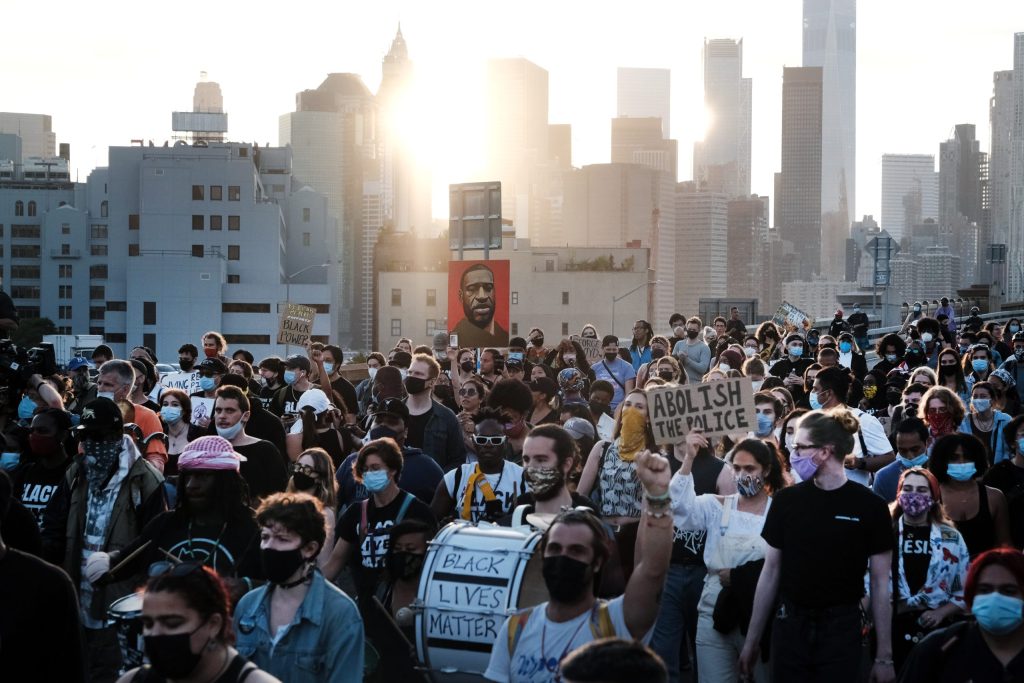
Black Lives Matter supporters and others march across the Brooklyn Bridge to honor George Floyd. Photo: Spencer Platt/Getty Images. 

Countering The Illegitimate Science That Masks Police Violence 

Physicians for Human Rights (PHR) has been at the forefront of efforts to expose and ban the baseless concept of “excited delirium,” recognizing its particular harm in cases involving law enforcement. “Excited delirium” has been described by proponents as a potentially fatal condition characterized by sudden aggression, high pain tolerance, extreme strength, and elevated temperature, often accompanied by drug use. The concept has been used to justify racialized police violence and absolve law enforcement officers for deaths of individuals in their custody. Our research concluded that “excited delirium” is not a valid medical diagnosis or cause of death yet has been disproportionately used by medical examiners and others to explain the deaths of Black men in police custody.

In our campaign to counter this pseudoscientific concept, 2023 was a watershed year. After tireless advocacy by PHR and partners, the American College of Emergency Physicians (ACEP) and National Association of Medical Examiners (NAME), the last two major U.S. medical associations supporting “excited delirium,” officially withdrew their endorsement of the medically baseless concept. ACEP and NAME recently joined the American Medical Association, American Psychiatric Association, American Academy of Emergency Medicine, American College of Medical Toxicology, and College of American Pathologists in disavowing the term. Following campaigning by PHR and partners, with particular champions in the family of Angelo Quinto, California became the first U.S. state to prohibit the use of the term “excited delirium” in death certificates, autopsy reports, police reports, and civil litigation. Colorado followed suit in 2024. Still, our work is not done. PHR is actively urging other states to follow California’s pioneering example by passing legislation to ban the use of “excited delirium” as a diagnosis and cause of death. Now that there is a medical consensus that “excited delirium” is an invalid concept, PHR will redouble efforts to educate physicians, law enforcement, attorneys, and others on the need to abolish “excited delirium” for good.

PHR’s Innovative Methods for Documenting Human Rights Violations

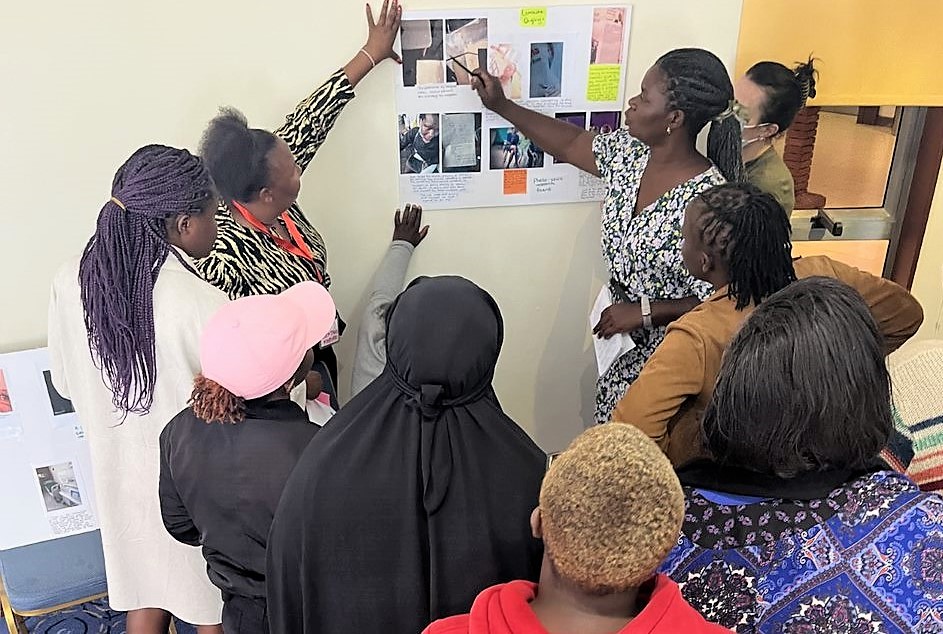
PhotoVoice has emerged as a valuable and empowering method for centering the perspectives of survivors of sexual and gender-based violence. This participatory research method, which allows survivors to document their experiences through photography and voice recordings, was utilized by Physicians for Human Rights (PHR) and partners to support survivors of sexual violence in Kenya.

The research, conducted by PHR in collaboration with the Survivors of Sexual Violence Network in Kenya, aimed to enhance access to mental health care for survivors and strengthen the legal and policy framework in Kenya. PhotoVoice supported survivors involved in the research to avoid potential re-traumatization associated with traditional interview-driven approaches and respected them as equal partners in research efforts. 

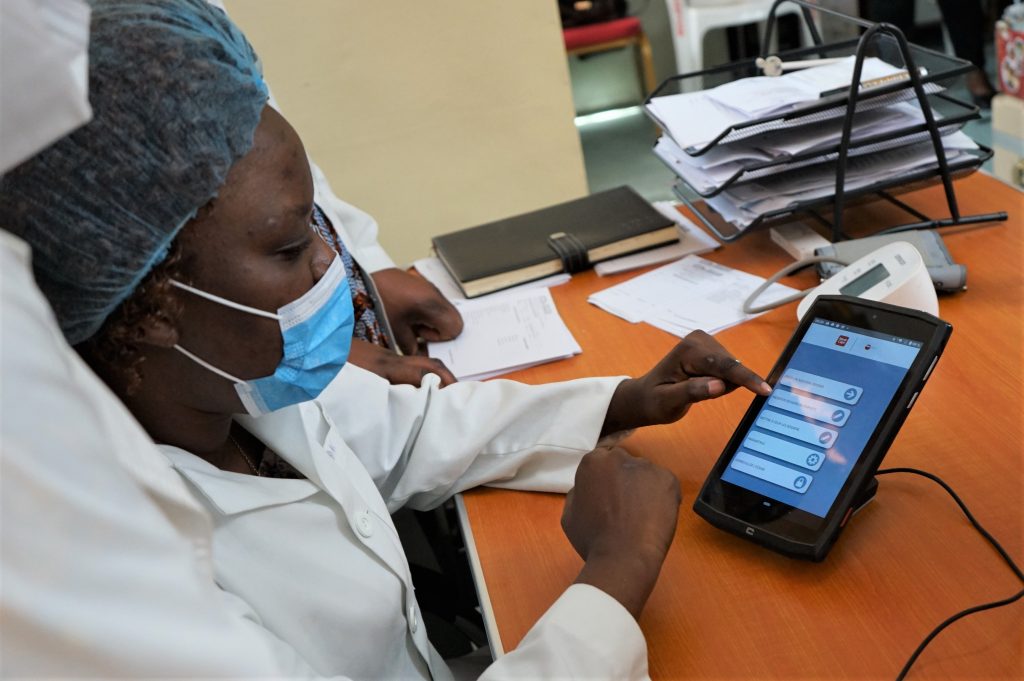
PHR continues to make strides with the use of MediCapt, our groundbreaking and Anthem Award-winning mobile application that enables secure and ethical documentation of medical evidence of sexual violence. This technology, which has been used in four hospitals in 2023, empowers health care professionals to collect, store, and share medical information while prioritizing the safety and well-being of survivors.

MediCapt is currently being deployed in the Democratic Republic of the Congo and Kenya – as of December 2023, we have 3,812 cases recorded on MediCapt for both the DRC and Kenya – and we are working toward scaling MediCapt across Kenya so that any survivor who experiences sexual violence in the country can access comprehensive forensic documentation services and ensure that evidence is available to pursue justice.  

Dr. Jeannette Katunga Mafika uses MediCapt at HEAL Africa Hospital in Goma, Democratic Republic of the Congo, 2022. Photo: Hannah Dunphy/Physicians for Human Rights 

A “simulated patient” research methodology equipped PHR and partner organizations to gather unprecedented information about the impacts of the Dobbs decision on the availability of abortion care in the United States. Following the U.S. Supreme Court overturn of Roe v. Wade, PHR and partners investigated the accessibility and quality of information related to emergency pregnancy care in the state of Oklahoma, where abortion bans had been implemented. The “simulated patient” approach involved research assistants posing as prospective patients and calling hospitals that provide prenatal and peripartum care across the state. The method aimed to replicate realistic interactions between patients and hospital staff, minimizing social desirability biases associated with self-reporting. The findings of this innovative research method have informed advocacy efforts, policy discussions, and, ultimately, the provision of emergency medical care for pregnant individuals in the challenging legal environment created by the recent abortion bans in Oklahoma. 

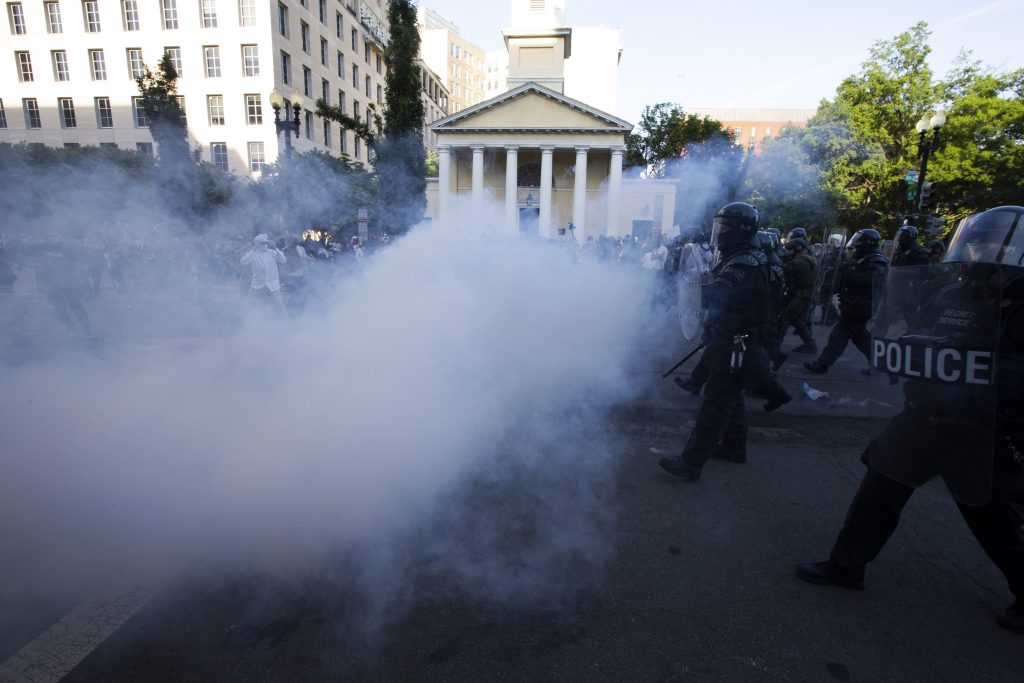
Police officers wearing riot gear push back demonstrators while shooting tear gas next to St. John’s Episcopal Church outside the White House in Washington D.C., during a 2020 protest over the death of George Floyd. Photo: JOSE LUIS MAGANA / AFP VIA GETTY IMAGES.

Exposing the Health and Human Rights Harms of Crowd-Control Weapons and other “Tools of Torture”  

In protests from Lima to Los Angeles to Lagos, rubber bullets, tear gas, and other dangerous crowd-control weapons have caused irreparable harm to the human body and to human rights. 

A 2023 investigation by Physicians for Human Rights (PHR) and partners revealed that more than 119,000 individuals have suffered injuries from chemical irritants like tear gas since 2015, and at least 2,190 people have been harmed by kinetic impact projectiles such as rubber bullets during global protests. Our study “Lethal in Disguise 2” stands as the most comprehensive research on crowd-control weapons to date and follows up on an earlier landmark report. In an era of global protest movements, the report unearthed new weapons used and new evidence of deaths, injuries and violations of freedom of assembly, association, and expression resulting from the abuse of crowd-control weapons. PHR has turned that research into action through leadership in the international campaign to adopt a legally binding Torture-Free Trade treaty. That campaign gained ground this year, with the UN being called on to end the use of inherently abusive weapons, such as multi-projectile kinetic impact projectiles. PHR’s advocacy has already contributed to improvements in law enforcement practices. Following a lawsuit which cited PHR’s research, the New York Police Department in 2023 banned kettling, a controversial crowd-control tactic that boxes in protestors, making them more vulnerable to harm. This victory manifests PHR’s commitment to reducing health and human rights harms by holding authorities accountable for abusive practices. 

Protecting the Right to Seek Asylum

In the face of unprecedented challenges to the right to seek asylum in the United States, Physicians for Human Rights (PHR) took action to safeguard and advance a secure, compassionate, and rights-centric asylum system.  

In the past 12 months, PHR has directly helped 730 individuals seeking asylum and other protections in the United States – including approximately 50 children – by connecting them with volunteer clinicians in our nationwide Asylum Network. Those clinicians conducted forensic medical evaluations that helped to corroborate accounts of their experiences for use as evidence in immigration court.

PHR has long been vocal in advocating for the rights and protection of people seeking asylum or other protection in the United States who have suffered harm through forced family separations. The Trump administration’s policy aimed to deter migrants from seeking asylum in the United States by systematically separating children from their parents, which PHR research showed to meet the UN criteria for torture. An estimated 4,500-5,000 children and their parents will be covered under a settlement deal reached between the lawyers representing asylum-seeking families and the U.S. Department of Justice regarding the forced family separations that occurred during the Trump administration. The long-awaited settlement permits these families to remain in the United States and apply for asylum, setting them on a path toward permanent legal residency.

In 2023 PHR helped 730 individuals seeking asylum and other protections in the United States. 

In February 2024 and in collaboration with Harvard Law School’s Immigration and Refugee Clinical Program and Harvard Medical School, PHR drew attention to the use of solitary confinement in U.S. Immigration and Customs Enforcement (ICE) facilities and called for the end to solitary confinement in ICE detention. Drawing on interviews with survivors of solitary confinement and extensive data gathered through Freedom of Information Act requests, the report offered critical insights into the often abusive and excessive deployment of solitary confinement within immigration detention.

As the report reveals, ICE oversaw more than 14,000 placements in solitary confinement between 2018 and 2023. Many people who are detained in solitary confinement have preexisting mental health conditions and other vulnerabilities. The average duration of solitary confinement is approximately one month, and some immigrants spend over two years in solitary confinement. Almost half of the ICE facilities with the lengthiest periods of solitary confinement detained people with mental health conditions and other vulnerabilities. Immigration detention facilities have also deviated from their intended purpose, becoming sites of discrimination and arbitrary punitive actions. Mistreatment of transgender immigrants, documented instances of discriminatory practices, and the arbitrary nature of punitive measures – such as placing individuals in solitary for minor infractions – cast a grim light on the treatment of people within these facilities. In many instances, such conditions would appear to meet the definition of torture, or cruel, inhuman, or degrading treatment under international human rights law. 

“Sometimes I feel like someone’s following me and I’m afraid they’ll take me to solitary confinement. Sometimes I’ll wake up and think that I’m in solitary confinement. I’ll have to look out of the window to remind myself I’m not there. I still have the same nightmares I did while in solitary confinement.”

33-year-old man, Caroline Detention Center, Bowling Green, VA
A destroyed ambulance in Trostianets, Sumska oblast, which was occupied by Russian forces at the start of the war. Photo: Oleg Pereverzev/Global Images Ukraine/Getty Images

Tracking Attacks on Health Workers and Facilities in Ukraine  

Russia has carried out both targeted and indiscriminate attacks on Ukraine’s hospitals, doctors, and health infrastructure as a barbaric strategy of war. Physicians for Human Rights (PHR) and partner organizations have documented and condemned more than 1,350 attacks on health care facilities and personnel in Ukraine since February 2022, averaging almost two attacks per day. After Russia’s full-scale invasion in Ukraine in 2022, we quickly identified and cultivated Ukrainian and international partners and jointly researched and documented attacks on health in Ukraine. In 2023, we jointly published a report, “Destruction and Devastation: One Year of Russia’s Assault on Ukraine’s Health Care System,” to mark one year of the full-scale invasion. We also launched a map tracking attacks on health and we’ve continued to maintain and update it in the months since.

Our case study, “Coercion and Control: Ukraine’s Health Care System under Russian Occupation” documented ways in which Russian forces have used health care to enforce control over Ukraine’s civilian population, including by limiting and conditioning access to health care in Russian-occupied territories through a range of coercive practices. Ukrainian medical personnel face significant pressure as they are forced to work in occupied hospitals, compelled to operate under Russian law, face reprisals, pushed to undergo retraining in Russia, and replaced by Russian doctors. Hundreds of health care workers have been detained, arrested, tortured or otherwise persecuted by Russian forces. These attacks on Ukraine’s health care system likely constitute war crimes and potentially crimes against humanity. The apparent policy to attack the Ukrainian health system as a means of punishing the civilian population cannot be viewed in isolation as similarly unlawful practices by Russian forces were also documented by PHR in prior conflict theaters in Syria and Chechnya. We have been cooperating with accountability mechanisms and are working to transfer evidence over to them to support case-building and accountability. With the strong partnership we have forged with a coalition of Ukrainian human rights organizations, we have developed a range of activities to strengthen and support rigorous documentation of torture and other forms of violence for accountability mechanisms. 

Dr. Kimberly Looney joins doctors from across the United States at an action to protect abortion access and demand an end to the current and future criminalization of providers who perform lifesaving abortion care outside the U.S. Capitol building on November 03, 2022 in Washington, DC. Photo: Paul Morigi/Getty Images for Doctors for Abortion Action

Spotlighting The Harms of Abortion Bans 

Together with U.S. partners, Physicians for Human Rights (PHR) has helped bring to light the far-reaching health and human rights harms of the Dobbs decision on pregnant people and health care providers across the United States.  

Abortion bans have disrupted the practice of medicine in Texas, exacerbating pregnancy-related mortality and morbidity and straining access to maternal health care. PHR filed an amicus brief in 2023 that argued that the bans have created “maternity care deserts” across the state, forcing patients to travel at great cost or over great distances for care while in crisis and delaying necessary medical care at the risk to patients. The brief, which focused on the impossibility of practicing medicine under these bans, asks the Texas Supreme Court to uphold a lower court order preventing the prosecution of clinicians for using their good faith medical judgment in consultation with their patients to perform life or health-saving abortions in accordance with medical ethical guidelines. Zurawski v. State of Texas is the first lawsuit brought on behalf of individuals denied abortions since the U.S. Supreme Court overturned the constitutional right to abortion in June 2022.

“The Dobbs decision has placed a target on the backs of pregnant patients and health care providers. The criminalization of abortion in many U.S. states has resulted in health care workers being mandated to act in complicity with violations of their patients’ rights, or to face imprisonment, professional sanction, fines, or harassment.”  

Payal Shah, Director of the Program on Sexual Violence in Conflict Zones at Physicians for Human Rights 

PHR is also training and supporting clinicians across the country to speak out against human rights violations in the context of reproductive autonomy and health. We spotlight how antiabortion legislation has exacerbated “dual loyalty” challenges for clinicians across the country, trapping providers between the law and their patients’ health. By shedding light on the consequences of restrictive abortion laws, PHR advocates for reproductive rights and equitable access to health care. 

A woman walks in front of a damaged house which was shelled as federal-aligned forces entered the city, in Wukro, north of Mekele, on March 1, 2021. Photo: Eduardo Soteras/AFP/Getty Images.

Documenting Widespread and Systematic Sexual Violence in Ethiopia  

Physicians for Human Rights (PHR) was instrumental in bringing to light widespread and systematic conflict-related sexual violence in the Tigray region of Ethiopia. PHR collaborated with the Organization for Justice and Accountability in the Horn of Africa to review hundreds of medical records of conflict-related sexual violence from multiple health facilities in Tigray, Ethiopia, between the start of the armed conflict in November 2020 and June 2023. The report revealed widespread and systematic acts of conflict-related sexual violence perpetrated by armed forces in Tigray, including the Eritrean and Ethiopian military, and ethnoregional militia groups. PHR’s research also showed that widespread conflict-related sexual violence continued despite the 2022 Cessation of Hostilities Agreement. PHR documented 128 cases of conflict-related sexual violence occurring after the signing of that agreement. The report emphasizes the urgent need for accountability and justice for war crimes and crimes against humanity in Ethiopia, access to immediate humanitarian support for survivors, and comprehensive support for their long term medical and psychosocial recovery. Through rigorous documentation and advocacy, PHR provided valuable medical evidence of the scale, scope, and impact of these human rights violations to the world. 

Bulengo Internally Displaced Persons Camp, North Kivu, DRC, November 2023. Photo: Physicians for Human Rights

Expanding Our Global Impacts 

In the Democratic Republic of the Congo (DRC), where violence has shifted a very precarious security context into a deadly conflict crisis, intensified fighting has led to massive population displacement. Communities in the eastern region of the DRC, such as those in North Kivu, where Physicians for Human Rights (PHR) works, have been particularly affected by devastating levels of conflict-related sexual violence, including more than 90,000 reported cases in 2023 alone. To provide care to survivors of conflict-related sexual violence in North Kivu, PHR has partnered with clinicians at HEAL Africa, which serves as a one-stop center to provide medical, psychosocial, and legal support to the most vulnerable populations in the DRC. Working at the center of a crisis where access to health has been disrupted and other health facilities have become non-functional due to the conflict, HEAL Africa is a beacon of hope and healing for survivors of conflict.

In collaboration with the Iraqi Medical-Legal Directorate and Institutes, we finalized a newly designed Forensic Medical Form that reflects good practice for documenting torture and sexual violence. In 2023, PHR conducted training workshops on the new form with 86 forensic doctors from across Iraq, including the Kurdistan Region of Iraq.

To date, PHR has trained more than 1,750 professionals in the DRC to provide survivor-centered, trauma-informed care and strengthen investigations and prosecutions.

In the wake of Hamas’s brutal October 7th attacks on Israeli civilians and the taking of more than 200 hostages, and the devastating Israeli government reprisals on Gaza, PHR has urgently demanded the protection of healthcare facilities and ensuring civilians retain access to healthcare. Even in this highly polarizing conflict our central message remains clear that atrocities by one side do not justify atrocities by the other. All parties to the conflict must abide by international law and civilians must be protected. Violations must be investigated and perpetrators brought to justice. Our experience around the world clearly shows that only by establishing the truth and providing accountability under the law can we advance human dignity and improve lives around the world. 

To date, PHR has trained more than 1,750 professionals in the DRC to provide survivor-centered, trauma-informed care and strengthen investigations and prosecutions. In September, PHR’s Medical Director Michele Heisler led a training in Peru for forensic physicians working for accountability mechanisms to investigate the deaths and injuries from police and military officials during the protests in Peru between December 2022 through March 2023. 

Doctors tend to Yazidi people at Al-Tun Kopri health centre, located half way between the northern Iraqi city of Kirkuk and Arbil, after they were released with around 200 mostly elderly members of Iraq’s Yazidi minority near Kirkuk on January 17, 2015 after being held by the Islamic State jihadist group for more than five months. Photo: Safin Hamid/AFP/Getty Images

Equipping Physicians to Advocate for Human Rights 

More than 125 people attended the 2023 National Student Conference at the University of Michigan Medical School. Attendees came from 16 states, 24 institutions, and a variety of disciplines, including medicine, social work, data science, nutrition, public health, law, global health, acupuncture, and engineering. PHR’s student program is comprised of over 90 chapters at leading universities around the globe. 

“The PHR SAB is a collective of incredibly passionate and fierce medical students fighting for change – it is here that I’ve been able to turn my ideas into actions and collaborate with others who share the same mindset.” 

Michele Naideck,
PHR Student Advisory Board

“PHR SAB gives me the opportunity to grow into a better physician who can serve not only the community I am in but also communities all over the world, whether it is through advocacy or educating myself.” 

Tanvi Shah, PHR Student Advisory Board

“Being a part of PHR’s student program has allowed me to see first-hand how advocacy can be integrated into my career, from clinical practice to policy.” 

Allison Lenselink, PHR Student Advisory Board
Ukrainian nurse Elena Bondarenko, 51, inspects the damaged in an operating room at a hospital in the town of Siversk, Donetsk region, amid the Russian invasion of Ukraine on April 14, 2023. Photo:A natolii STEPANOV/AFP/Getty Images

Financials

PHR received the highest Charity Navigator rating for the eighth consecutive year. 

We Thank All Our Donors  

Our work at Physicians for Human Rights (PHR) is made possible through the generosity of individuals, families, foundations, governments, and corporations. We are grateful for your continued support and dedication. PHR applies strict accountability and transparency standards to its funding relationships. Every contribution counts. Thank you for supporting us in our vital work to defend human rights.  

Top photo: PHR partner Christine Matindi, Government Chemist Analyst, at a laboratory in Nairobi, Kenya. Matindi, who is a PHR Trainer of Trainers, supports PHR’s programming in Kenya as an expert and mentor to the professional networks that PHR has fostered to combat sexual violence. Photo: Adriane Ohanesian for PHR, 2018 

Get Updates from PHR