Webinar

Structural Racism’s Exacerbating Impact on Health

On Thursday, March 25, 2021, Physicians for Human Rights hosted a discussion on the role that structural racism and systemic inequities play in health outcomes among communities of color and solutions to build systems that prioritize the health of these communities in vaccination distribution and in the public health system going forward.

The conversation was moderated by Olugbenga Ogedegbe, MD, MPH, director of the Institute for Excellence in Health Equity at NYU Langone Health, the Dr. Adolph and Margaret Berger professor of medicine, and director of the Division of Health and Behavior in the Department of Population Health at the NYU Grossman School of Medicine. He is a member of the National Academy of Medicine.

Featured panelists:

  • Giselle Corbie-Smith, MD, MSc is the founder and director of the University of North Carolina School of Medicine’s Center for Health Equity Research, a Kenan Distinguished Professor in the departments of social medicine and medicine, and a professor of internal medicine. She is a member of the National Academy of Medicine.
  • Monik C. Jiménez, ScD, SM, FAHA is an assistant professor of medicine at Harvard Medical School, a course director at the Harvard T.H. Chan School of Public Health, and an associate epidemiologist in the department of medicine at Brigham and Women’s Hospital. She is the principal investigator of the Harvard Liberation Lab study INdividuals Speak: Incarcerated during the COVID-19 Epidemic (INSIDE), which examines the lived experience of those incarcerated or detained during COVID-19.
  • Eric Ward is executive director of Western States Center, senior fellow with the Southern Poverty Law Center and Race Forward, and co-chair for The Proteus Fund. He is a nationally recognized expert on the relationship between authoritarian movements, hate violence, and preserving inclusive democracy. In his 30+-year civil rights career, he has worked with community groups, government and business leaders, human rights advocates, and philanthropy as an organizer, director, program officer, consultant, and board member.
See all events in PHR’s COVID-19 Webinar Series.

Blog

Syria’s Medical Workers Are Still Fighting for Justice

On the 10th anniversary of the Syrian conflict, the regime’s attacks on healthcare workers remain unpunished.

Originally published by Al Jazeera, March 19, 2021

Every day when I wake up, I think about August 18, 2012 – the day I finally saw the sun after weeks in captivity.

For the “crime” of providing healthcare to injured protesters, the Syrian government imprisoned and tortured me at the Military Intelligence Directorate in Aleppo for 17 days. It felt like I was stuck in a cemetery for the living dead – all we could do was breathe, and scream.

I was released only after being forced to sign a pledge to not deliver health services to the government’s perceived adversaries. When I took my first breath under the bright sun as a free man, however, I made another pledge – that I would not only provide healthcare without discrimination, but also document the Syrian government’s heinous crimes against all civilians, including healthcare workers. And to this day, I am driven by this commitment.

A decade of persecution

This month marks the 10th anniversary of the Syrian conflict. For a decade, my country endured unconscionable atrocities committed with impunity. Since March 2011, the Syrian government has consistently confronted the voices calling for freedom, democracy and social justice with various brutal means of suppression. In its relentless efforts to stifle dissent, the regime also targeted medical professionals, like myself, who dared to provide healthcare to anti-government protesters.

In the early days of the uprising, healthcare professionals formed several underground medical groups to help the civilians who were under attack by the government and in desperate need of healthcare. I was also part of one such group, “Noor Alhayat” (The light of life).

When I took my first breath under the bright sun as a free man, however, I made another pledge – that I would not only provide healthcare without discrimination, but also document the Syrian government’s heinous crimes against all civilians, including healthcare workers.

On June 7, 2012, the regime arrested three medical students from our group. That day, an officer from the security branch that arrested them called the mother of one of the students and said, “You did not raise your kid well. We will teach him how to behave.”

After 15 days, their bodies were returned to their families. They had blackened bruises from beatings, extracted nails and teeth, broken limbs and bullets in their heads.

With the violent murder of my three young colleagues, the regime sent a clear message to all healthcare workers in Syria: this will be your fate if you continue to treat injured and sick protesters.

We received the message, but refused to abandon our ethical duty to deliver healthcare to those in need.

And for this, we have been punished.

During the 10 years of conflict, hundreds of healthcare providers and medical students have been unlawfully imprisoned by the Syrian government, many never heard from again. At least 3,364 medical personnel in Syria are still detained or forcibly disappeared. The Syrian government and its allies have also killed more than 900 medical professionals and they have deliberately bombed and shelled hospitals. Since the onset of the conflict, Physicians for Human Rights (PHR) has documented 595 attacks on health facilities in Syria. Approximately 90 percent of these attacks are attributed to the Syrian government and its allies, including Russia. Even this is likely an undercount, as it is difficult to document such cases.

The regime specifically targeted medical workers because it knew that the Syrian people would be unable to continue their fight for justice and freedom without the support of healthcare professionals. When you kill a nurse or bomb a clinic, you cut off care to an entire community.

One doctor interviewed by my colleagues at Physicians for Human Rights reported that during an interrogation, an officer told him: “You [doctors] are far more dangerous than terrorists. We kill them, you bring them back.”

During the 10 years of conflict, hundreds of healthcare providers and medical students have been unlawfully imprisoned by the Syrian government, many never heard from again.

The Syrian government also tortured countless healthcare providers for the sole purpose of extracting information about their colleagues.

During my detention, I, too, was tortured for information about my peers. The interrogator forced me to lie on the ground and started beating my entire body. As he hit me, he kept asking “Who are you working with? What are the names of the other doctors in your group?”

His voice, and his insistent questions about those health professionals I worked with, continue to echo in my mind to this day.

Still waiting for justice

Victims and survivors of torture in Syria received a small measure of overdue justice in February, when a German court convicted a former Syrian intelligence officer for torture and crimes against humanity. This marked the first time ever that a member of the Assad government has been tried and convicted for aiding crimes against humanity.

With Russia and China having blocked the United Nations Security Council from referring the case of Syria to the International Criminal Court (ICC), some countries like Germany are using “universal jurisdiction” and other similar laws to prosecute the Syrian regime’s violations of international human rights law and war crimes in domestic courts. This approach, however, likely won’t succeed in holding high-level regime officials accountable for crimes committed under their direction. The international community needs to take a united stance to ensure those responsible for the worst atrocities of Syria’s conflict are brought to justice.

Moreover, thousands of Syrians continue to languish in the regime’s prisons to this day. All efforts to deliver justice to the Syrian people should therefore prioritise guaranteeing the release of all political detainees – including the doctors, nurses and medical students who have been targeted only because they did their jobs and provided care to those in need.

Medical workers not only provide crucial care, but also play a vital role in documenting human rights violations and war crimes. Physicians are front-line witnesses: every doctor is a lens which can observe and record the smallest details of the violence inflicted on the human body and mind. Syria’s health professionals have documented countless atrocities over this appalling decade, from the use of chemical weapons against civilians and the indiscriminate bombing of residential neighbourhoods to the systematic targeting of the country’s health infrastructure.

So far, most of these crimes remain unpunished, and the perpetrators retain much power. But we are patient. As doctors, as Syrians, we will continue to raise the voices of victims and survivors. We will continue to pressure the international community to take action and bring those responsible for the suffering of our people to justice. We provided care, we witnessed, we documented, and we will never forget.

Blog

Israel’s Vaccine Discrimination against Palestinians Must End

As vaccination campaigns against COVID-19 expand and intensify worldwide, we are witnessing clear systemic discrimination and inequity around who receives life-saving vaccines and who does not. Such vaccine inequity is particularly disturbing in the Israeli/Palestinian context, where Israel, the occupying power, has ignored its responsibilities under international law to provide for the health of the population in the territory it occupies.

Although Israel has been praised for rapidly vaccinating a significant percentage of its citizens, it has failed to fulfill its legal and moral obligations to provide COVID-19 vaccines for Palestinians living under Israeli occupation in the West Bank and Gaza. By early March, Israel had fully vaccinated more than half of its citizens, including Israeli settlers illegally living in the Occupied Palestinian Territory (OPT). Meanwhile, Palestinians living under Israeli control are still, by and large, ineligible to receive these life-saving inoculations – a separate and unequal system that leaves them exposed to infection and death while Israeli citizens develop immunity, amid the worst global health crisis in a century.

Given the dangers of COVID-19, and the compounding restrictions imposed by Israel on the OPT, the result of this vaccine discrimination could be deadly. According to the World Health Organization (WHO), as of March 4, at least 216,802 Palestinians in the OPT had contracted COVID-19 and 2,314 had died. And the situation worsening: the West Bank witnessed a 61 percent increase in deaths in the first week of March compared to the previous week.

A group of UN human rights experts, calling for Israel to ensure equal access to COVID-19 vaccines for Palestinians, voiced their concern about the potentially lethal impact of this vaccine discrimination: “The COVID-19 pandemic has been ravaging the West Bank and Gaza in recent months, and has fractured an already badly under-resourced Palestinian health care system. We are particularly concerned about the deteriorating health situation in Gaza, which suffers from a 13-year-old blockade, serious water and electricity shortages, and endemic poverty and unemployment.”

As the occupying power in the West Bank and Gaza Strip since 1967, Israel is required by the Fourth Geneva Convention to maintain public health services and to provide necessary medical supplies in the occupied territory “to the fullest extent of the means available to it.”

Article 56 of the Convention obligates the occupying power to ensure “the adoption and application of the prophylactic and preventive measures necessary to combat the spread of contagious diseases and epidemics.”

Israel’s legal responsibilities are also outlined in Article 12 of the International Covenant on Economic, Social and Cultural Rights, which Israel ratified in 1991. The International Court of Justice has explicitly confirmed that Israel’s duties under this covenant apply to the population of the OPT.

While some Israeli officials attempt to argue that the Palestinian Authority (PA) is responsible for vaccinating its population under the terms of the 1993 Oslo Accords, the existence of the PA – and any alternative efforts it makes to obtain vaccines – does not absolve Israel of its legal obligations as the occupying power.

Israel cannot claim that it does not have the means to fulfill these requirements. According to recent reporting, Israel plans to send thousands of vaccines to countries that have supported its expansionist policies and opened embassies in Jerusalem, the eastern half of which Israel illegally annexed and remains occupied territory. If Israel can send vaccines abroad as a diplomatic tool, it is able to distribute them to Palestinians living under its occupation.

Meanwhile, Israel has allowed the entry of some doses of the Sputnik V vaccine, donated by Russia, to the OPT – a vaccine not approved for use within Israel, which has instead procured the Pfizer-BioNTech vaccine for its own population. The move runs counter to the Paris Protocol on Economic Relations and the long-standing policy of Israel’s own Ministry of Health to only allow the distribution of medicines in the OPT which have undergone the necessary scientific and regulatory procedures.

As of mid-March, a total of roughly 70,000 doses of the Russian Sputnik V vaccine have been delivered to Palestinians in Gaza and 12,000 vaccines to the Palestinian Authority, primarily donated by the United Arab Emirates and Russia. Israel has sent only 2,000 vaccines from its own reserves to the PA, intended for Palestinian health care workers but covering only a fraction of their actual needs. Israel has now – after much delay – announced that it will vaccinate the roughly 120,000 Palestinians who work in Israel or in Israeli settlements but has consistently ignored its duty to the rest of the Palestinian population.  

Although the WHO-led COVAX mechanism is scheduled to deliver 37,000 vaccines to the PA by March 17, and 168,000 AstraZeneca vaccines are supposed to be delivered by the end of May, deadlines have previously been repeatedly announced and no vaccines delivered. 

As such, as of now, the vast majority of the adult Palestinian population is left vulnerable to infection. 

In this pandemic, no one is protected until everyone is protected, and that includes the deeply intertwined Israeli and Palestinian populations. In December 2020, 31 Palestinian and Israeli human rights groups, led by Physicians for Human Rights Israel, called on Israel to provide necessary vaccines to Palestinian health care systems and demanded that it fulfill its obligations, including by:

  • Publishing the quantity of vaccinations reserved for the Palestinian population and providing a specific timeline for their transfer.
  • Providing full financial support to the Palestinian Authority where the PA is unable to fund vaccines and their distribution, without deducting these funds from the PA’s tax revenues held by Israel.
  • Lifting the closure on the Gaza Strip to enable the proper functioning of its health system in the face of the COVID-19 pandemic.

With COVID-19 cases and deaths rising steadily in the OPT in recent weeks, Israel must fulfill its legal and moral obligations as quickly as possible to halt further preventable loss of life. Physicians for Human Rights (PHR) and Physicians for Human Rights Israel (PHRI) call on Israel to ensure swift delivery, transfer, and equitable access to COVID-19 vaccines for all Palestinians living in the Occupied Palestinian Territory at the same levels available to Israeli citizens. PHR and PHRI also call on the international community to take immediate action to ensure that international human rights law is respected and these duties are fulfilled.

Webinar

Syrian Health and Human Rights: 10 Years of Conflict

On Thursday, March 11, 2021, Physicians for Human Rights hosted an online briefing call commemorating 10 years of the Syrian conflict, where experts reflected on the state of health and human rights in Syria.

PHR Advisory Council member Jennifer Leaning, MD, SMH, senior research fellow at the FXB Center for Health and Human Rights at Harvard University, moderated the discussion.

Panelists:

  • Aula Abbara, MBBS, DTMH, MD is a consultant in infectious diseases and general internal medicine at Imperial College NHS Healthcare Trust in London, an honorary clinical senior lecturer, and a professor of global health at Imperial College London. She is the co-chair of Syria Public Health Network and chairs Health Professionals for Global Health.
  • Zahed “Hamza” al-Kateab, MD is a Syrian doctor, human rights activist, and public health advocate. He is founder of Al-Quds Hospital in Aleppo and is featured in the Oscar-nominated documentary “For Sama.”
  • Houssam al-Nahhas, MD, MPH is the Middle East and North Africa researcher at PHR.
  • Samer Jabbour, MD, MPH is a practicing cardiologist, a professor in the faculty of health sciences at the American University of Beirut (AUB) in Lebanon. He co-chairs the Lancet-AUB Commission on Syria.

Other

Advocacy Brief: Key Actions Governments Must Take Now to Uphold Human Rights After 10 Years of Conflict in Syria

Introduction

After 10 years of war and untold suffering in Syria, the landscape for human rights, justice, and accountability looks bleak. In the spring of 2011, peaceful protesters took to the streets across Syria, demanding basic human rights and dignity. They were met with a fierce crackdown by the Syrian government. That violence has since spiraled into a brutal and protracted conflict that has devastated the country. Hundreds of thousands of Syrians have been killed in the fighting, and millions have been displaced. Health professionals and other civilians have been relentlessly and unlawfully targeted, and international laws and treaties blatantly disregarded. Despite multiple peace talks and United Nations (UN) Security Council resolutions – a number of which were vetoed by Russia and China – the fighting and suffering have continued. The pandemic has made a dire situation so severe that it is hard to imagine a path forward that can end the suffering for Syrians.

But 10 years of war in Syria also provides an opportunity to forge a new path forward—one based not just on what must be done, but also what can be done. 2021 is decidedly a different time than 2020 or any other year of the conflict in Syria, a time which provides new opportunities to pursue meaningful change. Major shifts in the international landscape, including a new U.S. administration more inclined to hold human rights abusers accountable for their crimes and the imperative the COVID-19 pandemic, counsel in favor of redoubling efforts to secure overdue justice, accountability, and human rights protections in Syria.

During the past decade, Physicians for Human Rights (PHR) has used research, investigative, and training methodologies – combined with advocacy based on its unique medical voice – to advance efforts to secure justice and accountability for human rights abuses committed in the Syrian conflict. Our online, interactive map documents attacks on health care facilities and the killing of medical personnel, and provides location information and details on attacks which PHR was able to independently corroborate – 90 percent of which have been committed by the Syrian government and/or its Russian allies.

For years, PHR engaged in an extensive and multi-disciplinary training program for Syrian doctors, psychologists, and lawyers on documenting human rights abuses that have taken place during the conflict. PHR has also provided expertise on the health effects of chemical weapons used in the conflict and how best to treat those who have been exposed to such toxic and potentially lethal agents. In December 2019, PHR released the findings of its investigation into the arrest, detention, and torture of health workers in Syria in the report, “’My Only Crime Was That I Was a Doctor’: How the Syrian Government Targets Health Workers for Arrest, Detention, and Torture.” In December 2020, PHR released the findings of one of the only human rights reports on the current situation in southern Syria, “Obstruction and Denial: Health System Disparities and COVID-19 in Daraa, Syria,” which documents the intentional neglect of the health care system in Daraa governate during the pandemic.  The report found that “Daraa’s health system is undersupplied, understaffed, and incapable of handling a more widespread COVID-19 outbreak” after the Syrian government and its Russian allies targeted health care facilities in a bombing campaign and retook the governorate from opposition control in 2018. As the Syrian conflict enters its eleventh year, it is critically important to redouble efforts to uphold, promote, and respect the human rights of the Syrian people, and all who have been and still are impacted by this immense humanitarian and human rights crisis.

Below we outline key actions that governments and international institutions must take now within three issue areas that PHR has focused on over the last decade: justice and accountability, detainees and missing persons, humanitarian access, and – in the last year – the right to information during the COVID-19 pandemic.

Justice and Accountability

The Syrian conflict is marked by widespread human rights violations, war crimes, and the greatest refugee and displacement crisis since World War II. Physicians for Human Rights has held that these violations could constitute crimes against humanity. As part of its mission to document human rights abuses, PHR has documented over 595 attacks on hospitals and other health care facilities since the start of the conflict. These illegal attacks leave communities without the critical health care infrastructure they rely on. Our interactive map showcases the years, locations, and alleged perpetrators of these attacks. In a push for accountability for attacks on hospitals, PHR’s director of policy, Susannah Sirkin, briefed the UN Security Council in 2019 and urged an “investigation into attacks on health facilities and personnel in Idlib, northern Hama, and western Aleppo, and on the failure of the [UN] deconfliction mechanism.”

PHR has demanded accountability not only for attacks on health care, but also for the use of chemical weapons during the conflict. As part of this work, PHR has shared data with the Organisation for the Prohibition of Chemical Weapons and international justice mechanisms. As Syria marks a decade of conflict, pursuing accountability for crimes committed in Syria must be at the forefront of the international community’s efforts.

Recommendations

To the Syrian Arab Republic:

  • Cooperate with international justice mechanisms working to investigate crimes and violations committed during the Syrian conflict; and
  • Stop intimidating, threatening, arresting, disappearing, torturing, and killing health care workers.

To Officials in Charge of International, Regional, and National Justice and Accountability Mechanisms:

  • Because China and Russia – allies of the Syrian government on the United Nations Security Council – have blocked referral of the situation in Syria to the International Criminal Court (ICC), it is critical that officials in charge of other international, regional, and national justice and accountability mechanisms move forward to address the human rights abuses and war crimes committed in Syria. There are many international, regional, national, and hybrid justice and accountability models that are flexible enough to meet the unique requirements of these cases. In addition, courts and prosecutors in countries that may be willing to investigate and prosecute war crimes and grave human rights abuses nationally under universal jurisdiction can and should pursue accountability, justice, and remedies for these crimes. A recent successful prosecution of a former member of Syria’s security services for torture in a German court provides a roadmap for how such cases can be advanced in national courts in other countries.

To the United Nations:

  • The Independent Senior Advisory Panel on Humanitarian Deconfliction in the Syrian Arab Republic should provide recommendations not only on how to strengthen the requirements of the UN deconfliction mechanism and future compliance, but also on how best to enforce the requirements and hold accountable actors who violate them;
  • Demand accountability for previous and ongoing violations of civilians’ right to health across Syria, committed by both the Syrian government and its allies in areas retaken by the government; and
  • Ensure that refugee host states are cooperating with the principle of non-refoulement, or the right of a person not to be returned to a place where persecution is likely.

To the United States Government:

  • Investigate and prosecute possible perpetrators of crimes in Syria who are present in the United States;
  • Provide any additional resources and support that made be needed to advance the work of the UN Independent, Impartial, and Investigative Mechanism, the Commission of Inquiry, and the Humanitarian Deconfliction Mechanism for Humanitarian Organizations Operating in Syria; and
  • Immediately revoke sanctions against officials of the ICC, and rescind the executive order that provides authority for such sanctions.

Detainees and Missing Persons

The Syrian government has detained thousands of people since the start of the conflict in 2011. Many remain missing as families desperately seek information about them and their fate. In the report “’My Only Crime Was That I Was a Doctor’: How the Syrian Government Targets Health Workers for Arrest, Detention, and Torture,” PHR documents the systematic arrest of health care workers and the physical and psychological torture many were subjected to. PHR calls on all parties to the conflict, particularly the Syrian government and affiliated forces, to immediately and unconditionally release all arbitrarily or unlawfully detained individuals, allow unconditional access to detention sites in the country, and allow for unconditional access to health care to those who remain in detention.

PHR’s recommendations:

To the Syrian Arab Republic

  • Immediately and unconditionally release all arbitrarily or unlawfully detained individuals from official and unofficial detention sites, starting with health care workers and the most vulnerable, including children, women, the elderly, and the disabled;
  • Disclose the locations of all official and unofficial detention sites and provide comprehensive lists of all those held in those sites;
  • Allow humanitarian service providers, medical personnel, and human rights observers immediate access to enter facilities and speak with and provide services to any detainees held in custody, including administering vaccines and treatment for COVID-19;
  • Improve detention conditions in compliance with international standards, including through ensuring detainee contact with families, access to medical care, and sufficient water and food, as well as preventing torture, ill-treatment, and sexual violence; and
  • Make public all information regarding the whereabouts of missing persons, and provide the remains of the deceased to their loved ones.

To the Syrian Constitutional Committee:

  • Elevate release, care, and remedies for people who have been arbitrarily detained as a central outcome of ongoing negotiations.

To the United Nations Security Council:

  • Address non-implementation of prior UN Security Council resolutions – such as Security Council resolution 2474 (2019) – by adopting a stand-alone resolution on the situation of detainees and missing persons, setting out in detail the steps that all parties to the conflict are required to take under international law; and
  • Establish an independent commission to collect and analyze information on the whereabouts of missing persons.

To the United States Government:

  • Facilitate consensus within the international community on compliance with international human rights and humanitarian law in the conflict in Syria, including pathways to release of detainees and ensure adequate justice, accountability, rehabilitation, and remedies for individuals arbitrarily detained or subjected to torture or cruel, inhuman, or degrading treatment; and
  • Call for the release of arbitrarily arrested detainees as part of ongoing and future peace negotiations.

Humanitarian Access

In the 10 years since the start of the Syrian conflict, many Syrians have relied on UN-facilitated aid deliveries to support them. The UN estimates that more than 13 million Syrian civilians are in need of aid, including the six million who are internally displaced. Since 2014, the UN has authorized humanitarian aid deliveries to reach Syrians, initially through four border crossings. As of July 2020, the UNSC resolution 2533 renewed cross-border aid delivery through only one border crossing: Bab al-Hawa from Türkiye. After this decision, PHR’s director of policy, Susannah Sirkin, briefed the UN Security Council on the humanitarian situation in Syria amidst the COVID-19 pandemic. She highlighted that facilities in the northeast – which used to receive aid through the Al Yarubiyah border crossing from Iraq – are facing difficulties, with limited equipment and aid. The UN, member states, and donors must work to provide more aid to all parts of Syria, rather than limit aid delivery to one border crossing in the northwest.

PHR’s recommendations:

To the Syrian Arab Republic:

  • Expand access for desperately needed humanitarian aid to areas retaken by the government.

To the United Nations:

  • Pressure the Syrian government to permit the delivery of aid and allocation of health services so that organizations such as the WHO and other UN agencies, international NGOs, and local actors can reach populations in a neutral, effective, and equitable manner;
  • Reopen all four border crossings to distribute humanitarian aid; and
  • Allow humanitarian aid to reach internally displaced persons, those residing in Al-Hol, and those in the Rukban camp.

To the United States Government:

  • Pressure the governments of Syria and Jordan to allow access for aid to the Rukban camp, which is currently not receiving aid from the UN.

COVID-19 Pandemic

Due to systematic attacks by the Syrian government and its allies throughout the 10 years of conflict, the health care infrastructure in Syria has been significantly weakened. Syria is now having to face the COVID-19 pandemic. In PHR’s December 2020 report “Obstruction and Denial: Health System Disparities and COVID-19 in Daraa, Syria,” PHR found that, as the virus spreads in the country, the Syrian government has failed to implement adequate preventative measures, protect its health care workers with medical supplies and personal protective equipment (PPE), and test large numbers of people for COVID-19. 

PHR’s recommendations:

To the Syrian Arab Republic:

  • Release transparent data on COVID-19 cases in the country;
  • Adopt transparent measures to prevent diversion of assistance and provide donors with accounts of aid distribution in reconciled areas, including COVID-19 testing and PPE distribution;
  • Expand access for desperately needed humanitarian aid to areas retaken by the government; and
  • Cooperate with the World Health Organization (WHO) to distribute PPE and necessary medical aid to reconciled areas in the country and work with the WHO to develop an effective vaccine dissemination plan.

To the United Nations and the World Health Organization:

  • Demand the distribution of timely, detailed epidemiological information about the extent of the COVID-19 pandemic in Syria consistent with the right to information; and
  • Prioritize the vaccination of Syrian health care workers and the elderly in a timely manner, in all areas of the country.
Statements

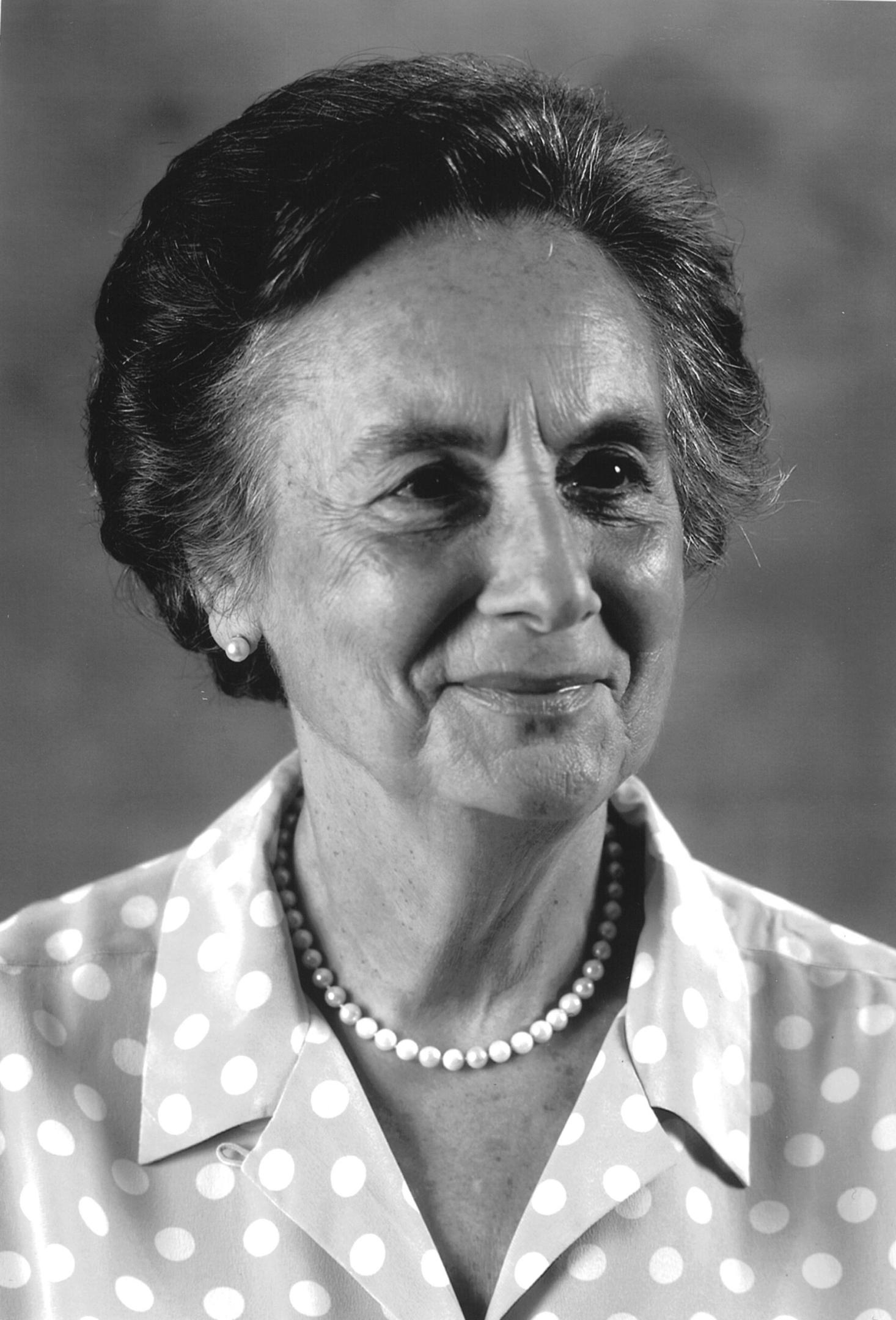
Dr. Carola Eisenberg, Founding Member and a Past Vice-President of PHR

A Trailblazing Physician and Tireless Advocate for Human Rights

Physicians for Human Rights (PHR) was deeply saddened to learn of the loss of Carola Eisenberg, MD, one of PHR’s founding members and former PHR vice-president, who passed away on March 11 at the age of 103.

An avid advocate for ethics in medicine and public health, and a pioneer in a medical field largely dominated by men, Dr. Carola Eisenberg championed human rights for well over five decades, exposing social justice atrocities throughout Latin America and across the globe.

“Carola Eisenberg was a trailblazer in the field of social medicine, psychiatry, and the human rights movement. As a physician, she broke gender barriers to bring her extraordinary intellect, courage, and compassion to help shape the fields of medicine and human rights,” said Donna McKay, PHR executive director and longtime friend of Dr. Eisenberg. “Her extraordinary sense of humanity, joy, and her deep compassion and insight into human nature made her a profound force for good and inspired generations of medical students and human rights activists.”

Dr. Eisenberg’s commitment to human rights began at an early age, when, as a teenager in the 1930s in her native Argentina, she accompanied her father on a tour of the country’s state psychiatric hospital. The horrors she witnessed there – 3,500 patients chained to their beds – fueled her activism and she began working at the hospital. Against the odds, Dr. Eisenberg received her medical degree in 1944 from the predominately male University of Buenos Aires before completing her psychiatric training at the Hospicio De Las Mercedes. She emigrated to the United States in 1945, where she became a fellow in Child Psychiatry and later an assistant professor of pediatrics and psychiatry at Johns Hopkins Hospital.

“[My medical school years] were so hard for me. I did not know whether I was going to be a good physician; I did not know whether I would be able to finish,” Dr. Eisenberg said in a documentary chronicling her life and successful medical career. “I was full of uncertainties. But I made it. Half of the time I don’t know how I did do it, except that I like to persevere.”

Among the many positions she held throughout her venerable career, Dr. Eisenberg served as the first female dean of student affairs at Massachusetts Institute of Technology and the first female dean for student affairs at Harvard Medical School.Dr. Eisenberg went on to be a lecturer in the department of global health and social medicine at Harvard Medical School, where she organized the first course in human rights at any U.S. medical school. Into her 90s, she was still teaching a new generation of students about the vital connection between medicine and human rights, helping to institute classes such as “How Does Medicine Apply to Human Rights Issues?” and “Race, Health and Human Rights in the U.S.” Dr. Eisenberg was also an Honorary Psychiatrist with the Massachusetts General Hospital in Boston and served on boards of the American Psychological Association (APA), the American Orthopsychiatric Association, and the Foundation for the History of Women in Medicine (FHWIM).

In 1983, Dr. Eisenberg and a group of physicians traveled to El Salvador on a fact-finding mission to investigate reports of atrocities and gross violations of human rights committed during the country’s civil war. Dr. Eisenberg could not forget what she witnessed, saying, “I never believed human beings could do such things to other human beings.” In 1986, she and five other doctors established Physicians for Human Rights out of a single rented room in Somerville, Massachusetts.

With her on the investigation in El Salvador was PHR co-founder Dr. Robert Lawrence. “Carola was a remarkable and inspiring woman,” said Dr. Lawrence. “She had family and friends who had been impacted by the ‘dirty war’ in Argentina. Their experiences informed and fueled her passion to call out and end abuses of human rights wherever and whenever they occurred. But she also nurtured and cared for her immediate associates. “How are you?” coming from Carola was a recurring sign of her empathy for and concern about the well-being of all who joined her in confronting the horrors of gross human rights abuses.”

When asked later about her inspiration to help form PHR, Dr. Eisenberg said, “I have talked about abuses in dictatorial regimes to some of my students … And I felt it was my moral obligation to do something about it. I have, and I hope I still have, a social conscience that made me both be truthful in political issues and express what I think and how I feel. And I just was delighted to be part of a group that could do things.”

PHR remained deeply meaningful to Dr. Eisenberg, who often referred to it as her “second child.” She played an active role in the organization and was greatly admired by her PHR colleagues.

“As a trailblazer for women in medicine and a deeply perceptive psychiatrist who was always ‘on the job,’ Carola was a mentor to many, a mother to PHR, and a guardian of our staff well-being at every level,” said PHR Director of Policy Susannah Sirkin, who knew Dr. Eisenberg for more than three decades. “Her passing leaves a huge hole in our hearts.”

“Carola was for decades an intrepid pioneer and a leader of indelible consequence in medicine, in education, and in human rights,” said PHR Board Chair Alan Jones. “We will certainly recall with awe and reverence her countless achievements and her remarkable number of firsts in so many fields, but I will always prefer to measure Carola’s impact on the world by the depth of her compassion, by the strength of her exemplary spirit of humanity, and by the unfathomable number of lives she managed to touch, to improve, to ease, and to save.”

Throughout the 1980s, Dr. Eisenberg embarked on several human rights missions to El Salvador, Chile, and Paraguay, documenting appalling war crimes against civilians and doctors. She co-founded PHR’s Asylum committee and served as vice president and chair, conducting psychiatric and primary care for asylum-seekers who fled to the United States to escape oppression and persecution in their home countries.

In her groundbreaking 1989 article for the New England Journal of Medicine titled “Medicine Is No Longer a Man’s Profession,” Dr. Eisenberg called attention to the influx of women in the medical field and criticized medical faculties for intentionally narrowing the path that would allow more women to be promoted to senior leadership positions. “We were ignored as women,” she said of her experiences in medical school. “I never experienced sexism because I learned later on the professors were so sure that we would get married and drop being in medical school that they never paid any attention.”

An inspiration for women, medical professionals, and activists around the globe, Dr. Eisenberg was awarded FHWIM’s Morani Renaissance Woman Award, Massachusetts Psychiatric Society’s Lifetime Achievement Award, and both APA’s Human Rights Award and its Distinguished Lifetime Service Award.

Until the last weeks of her life, Dr. Eisenberg remained active and outspoken, always intent on making the world a better place.

“Carola Eisenberg was a truly remarkable woman,” said Michele Heisler, PHR’s medical director and a former student of Dr. Eisenberg. “I am among the many who she inspired in the groundbreaking course she taught on health and human rights. All of us at PHR, and who work to defend health and human rights, stand on her shoulders and owe her a tremendous debt of gratitude.”

Dr. Adam Richards, a close friend and mentee of Dr. Eisenberg who served with her on PHR’s board of directors added: “Carola is survived by multiple generations of students, colleagues and friends who learned from her how to extend her caring, commitment, and hope globally: to recognize the dignity inherent in all people, and to believe that through collective action  — facilitated by PHR and other groups — a better world is possible.”

Blog

Celebrating Women in Health and Human Rights

March is Women’s History Month: 31 days to celebrate the contributions of women throughout the ages.

Unfortunately, the stories of too many influential women have been lost to time. In honor of International Women’s Day on March 8 and Women’s History Month, PHR is profiling extraordinary women who have made an impact in the movement for health and human rights around the world.

These are just a handful of the women who have influenced and paved the way for members of PHR’s staff. They’ve inspired us to stand up for what’s right – even putting their own lives at risk in the fight for progress. Our picks include doctors, medical professionals, activists, writers, and more. Our team members at PHR have been lucky to meet, work with, and even take classes from some of these women. They have been and continue to be fearless leaders in human rights, justice, and public health.

Have an inspirational woman you want to share with us this month? Tweet @P4HR so we can see!


Rouzan al-Najjar (1997-2018)

By Joseph Leone, PHR research and investigations fellow

“Rouzan al-Najjar was a 20-year-old Palestinian medic who was killed in 2018 while providing care to protestors in Gaza advocating for their human rights. Human rights groups reported that Rouzan was shot intentionally by the Israeli Defense Forces for carrying out her medical duties, despite being ‘a clearly identified medical staffer,’ according to the United Nations. Rouzan is an inspiring example of a first responder dedicated to providing emergency care to the wounded and fighting for human rights. Like many health care workers worldwide, Rouzan became a target for her lifesaving work. Her death was a tragedy, and her bravery and commitment to care, human rights, and liberation are a lasting inspiration.”

Dr. Amani Ballour

By Amal Rass, PHR advocacy and policy intern

“Dr. Amani Ballour is a Syrian pediatrician and women’s rights advocate who ran an underground hospital in Eastern Ghouta – a region outside Damascus that was under siege by the Syrian government. An inspiration for many, Ballour shattered gender norms when she became a doctor and risked her life to provide much-needed care for those in conflict zones. Her hospital was featured in the Oscar-nominated documentary The Cave.”

Dr. Carola Eisenberg (1918-2021)

By Dr. Michele Heisler, MD, MPH, PHR medical director

“Carola Eisenberg, a founding member of PHR, has dedicated her life to human rights and advocacy work. After traveling to El Salvador in the 1980s with several other physicians and witnessing horrifying human rights violations, Eisenberg and the group reconvened in Boston to address the atrocities. It was there that the idea of Physicians for Human Rights was born. Eisenberg also served as the first female dean of student affairs at both MIT and Harvard Medical School. She continued to teach students about the crucial connections between medicine and human rights into her 90s. Sadly, Eisenberg passed away on March 11, 2021. Learn more about her legacy.

Dr. Nawal el-Saadawi

By Dr. Ranit Mishori, MD, MHS, PHR senior medical expert

“An Egyptian physician, public health leader, human rights advocate, and feminist writer, Nawal el-Saadawi dedicated her career to fighting against women’s oppression and harmful traditional practices, such as female genital cutting. El-Saadawi always stayed true to her convictions and spoke out even when she knew her polemic would land her in jail – which it did. Using an eyebrow pencil and toilet paper, she wrote a memoir while incarcerated called Memoirs from the Women’s Prison, a first-hand account of women’s resistance to state violence. Her work has left a lasting impression on women around the world, myself included.”

Dr. Kadambini Ganguly (1861-1923)

By Karen Naimer, JD, LLM, MA, PHR director of programs

“At a time when women were largely barred from education, Kadambini Ganguly worked diligently to excel in higher education at the very first college for women in India. Not only would she become one of the first women to graduate college in India, but she became the country’s first Indian-educated female doctor in 1866. Ganguly was also a fierce advocate of the women’s rights movement, fighting hard to improve Indian women’s working conditions. She undoubtedly changed the face of Indian medicine.”

Nadia Murad

By Annum Sadana, PHR interim advocacy associate

“An Iraqi Yazidi human rights activist, Nadia Murad, alongside Panzi Hospital founder Dr. Denis Mukwege, won the Nobel Peace Prize in 2018 for her efforts to end the use of sexual violence as a weapon of war. Her courage in highlighting crimes of sexual violence against Yazidi women and sharing her personal story has inspired people around the world. PHR continues to support her courageous work to provide much-needed justice and care to survivors in Iraq and beyond.”

Teophila Murage

By Naitore Nyamu-Mathenge, LLM, MA, PHR Kenya head of office

“Sexual violence is a significant problem in Kenya that cuts across gender, geographical locations, economic status, and age – but many women are dedicating their careers to fighting it. Teophila Murage, the nursing officer in-charge of the Gender Based Violence and Recovery Center (GBVRC) at the Rift Valley Provincial General Hospital in Nakuru, Kenya, is one of these women. Through her efforts at the GBVRC, Murage has helped improve post-rape care and reduce the stigma against survivors of sexual and gender-based violence. Multiple PHR staff members have been lucky to partner with her and amplify the Center’s efforts.” Learn more.

Bertha von Suttner (1843-1914)

By Hannah Dunphy, PHR digital communications manager

“Bertha von Suttner, an Austrian writer, activist, and pacifist, saw the natural link between women’s suffrage and international discussions on how to prevent conflict and became determined to have a seat at the table. In 1899, she was the sole woman to attend the opening of the Hague Peace Conference, which eventually led to the establishment of the Permanent Court of Arbitration in The Hague. Her long-time friendship with Alfred Nobel helped convince him to create the Nobel prize, and, in 1905, von Suttner was the first woman to receive it. Thanks to the work of historians, activists, and educators, due light is finally being cast on Bertha von Suttner’s extraordinary life.”

Webinar

COVID-19 Misinformation and Disinformation

On Friday, March 5, 2021, Physicians for Human Rights (PHR) hosted a discussion on the consequences of mis- and disinformation during the pandemic, how the spread of false information impacts especially at-risk communities, and solutions for mitigating its spread.

The conversation was moderated by PHR Advisory Council Member Michael Posner, JD, founder and director of the NYU Stern Center for Business and Human Rights and the Jerome Kohlberg Professor of Ethics and Finance, and professor of business and society at the NYU Stern School of Business.

Featured panelists:

  • Paul Barrett, JD is deputy director of the NYU Stern Center for Business and Human Rights. He has authored reports studying the origins and effects of online mis- and disinformation, including both domestic and Russian “fake news”campaigns, as well as disinformation’s impact on the 2020 U.S. presidential election.
  • Daniel B. Fagbuyi, MD is an emergency physician who previously served as a biodefense and special medical advisor to the Obama administration, HHS, the CDC and the FDA. During the pandemic, he has been at the forefront of combating misinformation online. He is CEO of Erudition, LLC.
  • María Teresa Kumar, MA,Voto Latino’s founding president, is an American activist and social entrepreneur and an Emmy-nominated MSNBC contributor working to counter disinformation in the Latinx community, particularly around voting and the COVID-19 pandemic.

See all events in PHR’s COVID-19 Webinar Series.

Statements

New Iraqi Law Is Important First Step for Survivors of ISIS Violence: PHR

Physicians for Human Rights (PHR) welcomes the Iraqi Parliament’s adoption of the Yazidi Women Survivors’ Law and considers it a significant step towards recognition of the crimes committed by ISIS and the establishment of reparation programs for those who were subjected to sexual violence and slavery by ISIS. The law, passed on March 1, 2021, calls for compensation, rehabilitation, and education for survivors of sexual violence, which include members of the Yazidi and other ethno-religious minority groups, such as the Turkmen, Shabak, and Christian communities. The law also stipulates the establishment of a new government department, to be directed by a Yazidi, tasked to implement the reparation program. The law not only aims to compensate the survivors but also to rehabilitate and integrate them into society.

Susannah Sirkin, PHR’s director of policy said, “This Yazidi Survivors’ Law is an important first step to help the survivors of ISIS atrocities to recover and heal, and eventually enable meaningful justice in Iraq in the wake of these heinous crimes. We are hopeful that the newly enacted reparation program will respect the confidentiality and dignity of survivors and protect them from re-traumatization.” Further, Sirkin noted, “All Iraqi parties need to work together to ensure a survivor-based approach in the prosecution of sexual violence crimes, and to address the specificity of the ways in which ISIS perpetrators attempted to eradicate entire groups of people through murder, kidnapping, sexual slavery, and unspeakable violence. No effort should be spared to rescue and determine the fate of those who were kidnapped and those who are still missing and to enable the return of internally displaced people to their homes.” Sirkin added, “We also encourage the Iraqi government to address the needs of all the survivors of ISIS atrocities, regardless of gender, religion, or ethnicity.”

The newly enacted law memorializes August 3as a national day to commemorate ISIS crimes. This is the date that ISIS forces attacked the Sinjar area, murdered more than 5,000 Yazidi men, and took more than 6,000 Yazidi women and children as slaves. PHR calls on the Iraqi government and other governments and donor agencies to provide additional assistance to the Yazidi and other affected communities to help support their recovery and to hold the perpetrators of mass crimes accountable.

Fact Sheet

The Human Rights Implications of Global COVID-19 Vaccine Distribution

The novel coronavirus has spread rapidly around the globe, infecting more than 100 million people and killing more than two million, with the toll rising daily. There are more than 25 million cases of COVID-19 and more than 450,000 deaths in the United States alone. Meanwhile, new coronavirus variants originating from Brazil, South Africa, and the United Kingdom that appear to be even more transmissible are spreading rapidly and have been found in many countries, threatening to undermine vaccine effectiveness and to increase the already staggering death toll.

The development and distribution of effective COVID-19 vaccines provides much-needed hope in an era increasingly defined by sickness, death, and economic instability. At the same time, vaccine allocation and distribution are reinforcing deeply ingrained domestic and global inequities and threatening the health and rights of health care and other essential workers, as well as marginalized populations. A shocking number of health care workers still do not have basic workplace safety protections or access to the equipment they need. Such conditions force them to take on unnecessary, unjust, and disproportionate risk to themselves and their families. In many countries, despite a seeming consensus that health care workers should be prioritized in vaccine distributions, many will not receive vaccines until 2022 or even 2023. Some are facing attacks and abuse merely for speaking out in defense of a basic level of safety and human rights protections for themselves and others.

Marginalized and historically disadvantaged populations are also being left behind. In the United States – which has the highest global rates of incarceration – people in federal, state, and local prisons are often unable to follow public health mitigation measures, and are provided inadequate treatment and care. Asylum seekers and immigrants who have committed no crime are unnecessarily and unjustly detained without adequate protection and care, and in many cases face threats and abuse that reinforce their traumas. Globally, low- and middle-income countries in Africa and across the world are at risk of being excluded from vaccine distribution, as are refugees and populations in conflict zones. Without concerted action, the selective and discriminatory distribution of COVID-19 vaccines will reinforce global inequities, compromise critical rights protections, and fail to stop the global pandemic from spreading.

Get Updates from PHR