Blog

Don’t Believe the Trump Administration’s Misinformation: Domestic Violence Survivors Can Get Asylum in the United States

Two years ago, former Attorney General Jeff Sessions attempted to eviscerate refugee protection for women fleeing domestic violence, declaring that women were generally not eligible for asylum on that basis. Last month, in a significant win for survivors, a federal court of appeals recognized Sessions’ misguided pronouncement for what it was: “arbitrary and unexamined fiat.” 

The decision, which recognizes gender as a basis for asylum, is an important development that advocates have spent decades fighting for. Yet, the victory has been lost on many: at a training on asylum law for medical and mental health professionals just a few days after the decision, attendees raised the same question that we have heard repeatedly in recent years: Didn’t the Trump administration change the law to exclude domestic violence survivors from protection?

The short answer, recognized by the appeals court, is that Sessions did not, and could not, unilaterally rewrite asylum law. But that is exactly what the Trump administration has attempted to convince the public, and the courts, that it can do. And the insidious narrative the administration has relentlessly pushed will unfortunately take more than a groundbreaking federal court decision to counter.

Denials of asylum claims are on the rise, and confusion over whether gender can serve as the basis of a claim is only one piece of the puzzle. In order to establish asylum eligibility, applicants must prove that they suffered or fear persecution on account of a protected ground, in this case gender. Demonstrating that past harm or fear of future harm and the connection between those experiences or fears and her gender requires an asylum seeker to recall and recount all of the worst experiences of her life. Adjudicators also often demand extensive corroboration to supplement asylum seekers’ testimony – corroboration that may be difficult, if not impossible, for people to obtain. These obstacles often further stymie an asylum seeker’s chance for a positive ruling in her case.

And as heartbreaking news story after story has documented in recent weeks, fear of immigration enforcement has prevented many people from coming forward to access even the basic medical care necessary to survive during this pandemic, let alone the legal assistance that is so critical in asylum cases. Despite the well-documented risks of the rampant spread of COVID-19 and ongoing advocacy and litigation efforts to end immigration detention, the administration continues to ignore social distancing guidelines and to prioritize deportations over health and safety.

Medical and mental health professionals are on the front lines – not only in tackling the current pandemic and public health crisis we’re facing – but also in identifying and treating women and children who have fled and fear returning to domestic violence. Social workers, doctors, and nurses are integral to connecting asylum seekers to resources, including to legal representation to pursue their claims for protection in the United States. And medical and mental health professionals regularly serve an important role in documenting the harms asylum seekers have suffered and in providing expert testimony to adjudicators, who often rely on that objective evidence in granting asylum or other immigration relief.

Increased collaboration among lawyers, medical and mental health professionals, and others is needed to promote greater access to and understanding of the byzantine and bureaucratic U.S. immigration system and the protections that it can offer. Partnerships between hospitals or community health centers and law school clinics and legal service providers help increase access for asylum seekers to free legal advice, information, and referrals. And pro bono clinics​ that provide training for medical professionals and students on how to conduct physical and psychological evaluations of asylum seekers serve an important function in documenting asylum claims and improving outcomes.

But purposeful miseducation by the government about the asylum process and related issues like the recent public charge rule has confused medical professionals and their patients alike. Strong medical-legal collaborations are needed to dispel myths, tease out the nuances of how particular laws affect certain patients, and ensure that both attorneys and clinicians are operating on the most up-to-date and accurate information when assisting asylum seekers.

Forty years ago, the United States incorporated international refugee law into domestic law with the Refugee Act of 1980 to “respond to the urgent needs of persons subject to persecution in their homelands.” In doing so, we committed not to return individuals, including domestic violence survivors, to countries where their lives or freedom would be endangered.

The court’s rejection of Sessions’ effort to deny safe haven in the United States for domestic violence survivors reaffirmed the principle of fair treatment under the law and our longstanding commitment to providing asylum seekers with the safety they need. The decision will hopefully open the door for the specific asylum seeker in that case. But lawyers and medical and mental professionals, alike will need to continue their advocacy in order to make sure that other survivors of gender-based violence can access legal protections and a path to permanent residence and citizenship.
Blog

Justice for Genocide Does Not Stop for COVID-19

Sponsoring hate radio and purchasing large quantities of hand-wielded weapons can result in an arrest on charges of genocide, even more than 25 years after the fact. That was the rare “good news of the day” on Saturday.

One of the world’s most wanted men was finally captured in a dawn raid on May 16 near his hideout in a Paris suburb, where he had been living under an assumed name. It was heartening to know that the COVID-19 pandemic, which has consumed global attention, has not stopped the pursuit of justice for some of the most heinous atrocities of the last century.

Félicien Kabuga, 84, was charged in 1997 with crimes against humanity and genocide by the International Criminal Tribunal for Rwanda (ICTR) in Arusha, Tanzania. His alleged crimes include providing the main financing of the Hutu extremists who raped, pillaged, burned homes and churches, and in the space of three months massacred as many as 800,000 people in the small east African country in 1994. As the founder and lead funder of the infamous Radio Télévision Libre des Mille Collines (RTLM), Kabuga is accused of managing a media machine that literally told people to go out and kill their neighbors and fellow citizens – members of Rwanda’s minority Tutsi people and political opponents.

Because the ICTR closed in 2015, it is expected that Kabuga will be handed over to the International Residual Mechanism for Criminal Tribunals in The Hague, established to prosecute outstanding cases of the international crimes in the former Yugoslavia and Rwanda. By the time it shuttered, the ICTR’s accomplishments had included the first international prosecution for the crime of genocide, and the first conviction for rape and sexual violence as forms of genocide

Physicians for Human Rights (PHR) had contributed to ICTR investigations by organizing a team of forensic scientists from more than a dozen countries, who exhumed and examined a large mass grave near the Roman Catholic Church and Home St. Jean in the parish of Kibuye, above Lake Kivu in the northwest of Rwanda. From this single mass grave, one of many hundreds across the country, the PHR forensic team in 1996 uncovered and examined the remains of more than 450 people. Many of the bodies were not yet skeletons; 70 percent were women and children. Nearly 140 were the bodies of children and infants. The Kibuye site was investigated in connection with the indictment of the parish’s former prefect, Clemont Kayishema, a trained medical doctor whom the tribunal would eventually sentence to life in prison for the crime of genocide. 

But some of those accused of genocide in Rwanda have eluded justice for decades. The commitment to pursue these alleged war criminals has never let up for people like PHR’s board member, Ambassador Stephen H. Rapp. A former chief of prosecutions at the ICTR and later U.S. Department of State ambassador-at-large for war crimes issues, Rapp recalls that the Kabuga matter “was a case in which I was deeply engaged from the time I arrived in Arusha in 2001. [Kabuga] had been chair of the board of RTLM. I personally prosecuted in the “Media trial” (2001-2003). Thereafter, I revised the indictment against Kabuga, and organized efforts for greater state cooperation to achieve his arrest, pressing for action by Kenyan authorities and then establishing a task force of European police authorities with U.S. agency support to search for him in Europe.”

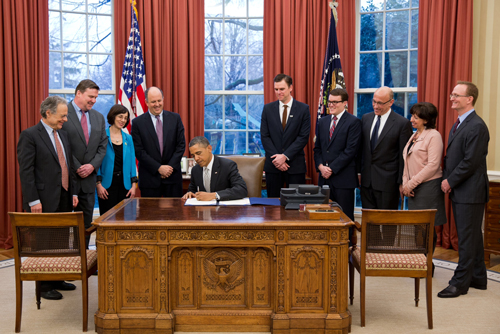
Kabuga was eventually located with the help of the U.S. Rewards for Justice Program listing. Through the program, the U.S. had offered $5 million for information leading to Kabuga’s arrest. In 2013, I was privileged to be invited as a representative of PHR to join other advocates for international justice at the Oval Office, when President Obama signed this key legislation that expanded the State Department’s incentives for capturing those wanted by international tribunals on charges of crimes against humanity, war crimes, and genocide.

Efforts to pursue indicted war criminals can take years, even decades, and require patience, persistence, and international collaboration. As Ambassador Rapp points out: “Félicien Kabuga was arrested because of the cooperative efforts of multiple governments. These efforts resulted from the effective advocacy of PHR and other groups in pushing for protection of human rights through the prosecution of major perpetrators. The arrest of Kabuga is a reminder that time and distance will not protect those charged with responsibility for mass atrocities from the reach of justice.”

Fomenting hate in the extreme can lead to mass murder.  Even in these uncertain times, it is reassuring to know that the perpetrators of the most heinous crimes can be pursued and brought to justice.

Global Standards for Rights-Based State Responses to the COVID-19 Pandemic

The COVID-19 pandemic has elicited a range of responses from states around the globe. Some countries have taken proactive measures to ensure widespread testing, access to health care, and personal protective equipment. Many others, however, have been slow or even reluctant to put in place measures to protect their populations from COVID-19 and its associated threats to public health and human rights. 

In the words of the United Nations secretary-general, Antonio Guterres, the pandemic presents “the greatest test that we have faced together since the formation of the United Nations” after the Second World War. The international human rights regime emerged in response to that crisis as a key pillar for international order and cooperation. These norms must be at the center of states’ responses to this new test we face globally today.

Working at the intersection of medicine, science, and human rights, Physicians for Human Rights (PHR) calls for states to adopt rights-based responses to COVID-19, driven by science and respect for human rights and public health directives. 

To this end, PHR recommends that states adopt the following measures as areas of priority:

Respect and promote the rights and safety of health workers

The inadequate supply of personal protective equipment (PPE), including basic surgical masks and N95 respirators, for health workers on the front lines of the COVID-19 pandemic is a global crisis. To ensure effective prevention and treatment, states must ensure that health workers and facilities are adequately resourced, including adequate training, PPE, and testing kits, to protect all health workers, covering a breadth of professions, ranging from doctors and nurses to technicians and cleaning staff who are exposed to SARS-CoV-2, the virus which causes COVID-19.

In response to inadequate safety conditions, many health workers have spoken out publicly and then faced threats and retaliation for having expressed their concerns. State-, regional- and international-level responses must actively protect the rights of health workers and offer them a safe platform to raise concerns. In addition, PHR calls for all health workers to have access to transparent and accurate information about the coronavirus threat level and associated health impacts in their community and workplace and to have the guarantee that they are able to perform their duties safe from physical attacks and verbal abuse from any source that threatens their work, safety, and well-being.

Ensure that accessible, acceptable, quality health care is available to all

To ensure an effective, rights-based response to the health threats of coronavirus, states must ensure that health care and public health responses are available, accessible, acceptable, and of sufficient quality, particularly for at-risk populations, in keeping with international human rights standards. The Committee on Economic, Social and Cultural Rights provides essential guidance on implementation of the right to the highest attainable standard of health. States must recognize, measure, and accurately account for disparities in access to health care. To this end, states must collect data disaggregated by demographics, such as gender, age, race, ethnicity, religion, and socio-economic status. A human rights lens is essential to ensuring an equitable response to the pandemic, including any steps towards providing universal access to treatments, vaccines, and tests.

Particular populations have been put in situations that make them especially vulnerable to the threat of the coronavirus, requiring close monitoring and proactive measures to prevent outbreaks and guarantee the right to health. Prisoners and detainees across the world are among those most vulnerable to coronavirus infection, given conditions of detention, typically poor hygiene, often dramatic overcrowding, and poor health care infrastructure. Refugees and internally displaced persons (IDP) living in camps face exceptionally high risks: many are living in cramped, densely populated areas without adequate access to health care, sanitation, and information. It is therefore of critical importance that states assess the health and prevention needs of all communities and consider those most at risk in their national and regional response plans.

Abide by humanitarian principles and ensure a robust humanitarian response in conflict settings

A vast number of the world’s population lives in conflict-affected areas, and a record 168 million people required humanitarian assistance and protection prior to the COVID-19 pandemic. In light of the unique dangers to these populations, states, regional, and multilateral bodies must ensure that their health and broader humanitarian needs are met at this time. As an immediate priority, attacks on health care – which PHR has documented across conflict zones – must cease immediately, and belligerents must commit to abiding by the laws of armed conflict without reservation. All parties must abide by international humanitarian law and cease all attacks on civilians and civilian infrastructure. State and local actors must guarantee full, safe, immediate, and unhindered access for humanitarian and medical personnel, their equipment, and supplies to areas at high risk. 

Recognize and mitigate the adverse impacts of COVID-19 responses on human rights

States have invoked “emergency powers” that can suppress basic human rights. These include unnecessary use of force, excessive militarization of civilian spaces, draconian and sweeping application of curfews and quarantines, suppression of freedom of movement, and undermining of the right to seek asylum. The Siracusa Principles on the Limitation and Derogation of Provisions in the International Covenant on Civil and Political Rights (1984) provide essential standards by which states’ responses can be legally assessed. When imposing any necessary restrictions on basic freedoms and services, states must consider and mitigate any subsequent human rights impacts or human rights violations committed against those at increased risk in this context. For example, there is an alarming rise in sexual and gender-based violence across the world, including intimate partner violence, and in violence used to “enforce” curfews and social distancing measures. Such second order impacts, if unaddressed, may give rise to serious violations of human rights of especially marginalized populations. 

Emergency situations, particularly in relation to public health, require both the protection of basic human rights and an enhancement of state reliance on human rights approaches and frameworks. For countries across the world, effective responses will rest on commitments to accountability, public oversight, transparency, and cooperation.

Webinar

Homelessness and COVID-19

People experiencing homelessness and unstable housing situations are at high risk of contracting COVID-19. Most support services in the United States have traditionally been offered in group settings that increase risk of infection, and many people who are homeless in this country are older or have underlying medical conditions that increase risk of severe illness. And the massive loss of livelihoods has placed millions more individuals and families at risk for homelessness.

Medical and public health experts discuss the particular challenges facing those who are homeless, and the programs and policies that are necessary to address these challenges now and going forward.

Featured panelists:

● Kelly Doran, MD, MHS, an emergency physician and assistant professor in the departments of emergency medicine and population health at NYU Grossman School of Medicine

● Margot Kushel, MD, professor of medicine at the University of California San Francisco (UCSF), director of the UCSF Center for Vulnerable Populations and the UCSF Benioff Homelessness and Housing Initiative, and practicing general internist at Zuckerberg San Francisco General Hospital

● Pascale Leone, director of diversity, equity, and inclusion at the Corporation for Supportive Housing

See all events in PHR’s COVID-19 Webinar Series.

Blog

Whistleblower Exposes Dangers of a Politicized Pandemic Response

“Science – not politics or cronyism – must lead the way to combat this deadly virus.”

That was Dr. Rick Bright’s guiding principle in his job at the U.S. government’s Department of Health and Human Services (HHS) as he confronted the threat of  the COVID-19 pandemic. Bright alleges that his dedication to that principle prompted punishment rather than praise.

Bright says that beginning in January 2020, HHS officials not only ignored his efforts to sound the alarm for a robust pandemic response “led by science,” but that his superiors took reprisals against him for doing so. He alleges those reprisals climaxed last month with HHS transferring him from a position leading HHS’ Biomedical Advanced Research and Development Authority (BARDA) to what he describes as “a more limited and less impactful position.” Bright subsequently filed an official whistleblower complaint on May 5. In testimony before the House Committee on Energy and Commerce, Subcommittee on Health yesterday,  Bright described a damning pattern of government failures to respond to his exhortations for precautions to protect the American people from the novel coronavirus.

One of those precautions was his call for urgent steps to secure adequate supplies of personal protective equipment (PPE) and other critical supplies for health workers and the American public. Bright says that those calls “didn’t result in action [and] I was told my urgings were causing a commotion and I was removed from those meetings.” Bright’s assertion that the Trump administration was willfully ignorant of the need for proactive preparations, including adequate PPE supplies, is appalling given the dire effect of PPE supply deficits. Health care workers have endured desperate shortages of PPE – forcing doctors and nurses to reuse masks, gowns, and gloves, which puts them at great risk for contracting and spreading the disease. Resulting exposure to infected people without PPE has compounded the stresses on the U.S. health system by compelling health workers to self-quarantine due to illness, further diminishing the ranks of health workers needed to treat COVID-19 patients.

More alarmingly, Bright linked the reprisals to his resistance to administration “efforts to promote and enable public access to unproven drugs, chloroquine and hydroxychloroquine, without transparent information on the potential health risks.” Instead, multiple senior Trump administration officials, including the president, widely touted the efficacy of hydroxychloroquine to treat COVID-19 and encouraged its use. President Trump continued to do so in defiance of warnings from the U.S. government’s  top medical voice on the pandemic and director of the National Institute of Allergy and Infectious Diseases, Dr. Anthony Fauci, about the danger of such recommendations. The Food and Drug Administration on April 30 issued an official advisory based on multiple studies warning consumers that the drug was neither safe nor effective for treating COVID-19.

Retaliation against health workers, including scientists like Dr. Bright, for merely advocating policies or practices based on medical and public health best practices is unacceptable.One of the tragic lessons of the U.S. government’s pandemic response is that overcoming this crisis requires putting medical, public health, and scientific expertise at the forefront of our response. Health workers who speak out about failures in that regard deserve praise and protection, not punishment.

Unfortunately, there are disturbing indications that the Trump administration is continuing to ignore, override, and muzzle science-based guidance on mitigating transmission of the novel coronavirus. On May 13 evidence emerged that the administration’s April 17 blueprint for reopening the economy didn’t include Centers for Disease Control and Prevention (CDC) guidance on the safest approach to doing so. The administration subsequently suppressed that CDC guidance and Republican lawmakers are blocking moves for its public release.

These revelations of deliberate government actions to undermine effective pandemic response are particularly poignant as the U.S. wrestles with a rapidly rising COVID-19 death toll now approaching 85,000. Bright’s allegations should prompt an urgent, bipartisan demand that the Trump administration prioritize science over politics in pandemic management. The necessity of such a response is underscored by President Trump’s attempt earlier today to malign Bright via Twitter as “a disgruntled employee, not liked or respected by people I spoke to and who, with his attitude, should no longer be working for our government!”

Time is short. And the consequences of continued politicization of the U.S. government pandemic response may be catastrophic in terms of more lives lost. The president needs to heed Dr. Bright’s warning that “Without clear planning and implementation of the steps that I and other experts have outlined, 2020 will be the darkest winter in modern history.”

Statements

100 Days Since the First COVID-19 Death in the United States: An Open Letter to President Trump

May 16, 2020

Dear President Trump,

Today marks 100 days since the first documented death related to COVID-19 in the United States.[i]  Since then, the United States has reported roughly 1.4 million cases of COVID-19 and registered nearly 85,000 deaths related to the disease.

For more than 30 years, Physicians for Human Rights (PHR) has worked at the intersection of medicine, science, and law to protect human rights and prevent violations. Since the beginning of the COVID-19 pandemic, we have worked with thousands of doctors, nurses, clinicians, and concerned citizens to strengthen the world’s response to COVID-19, and to better prepare for what lies ahead.

At this 100-day mark, we are writing to express our deep concern around these staggering numbers and your administration’s alarming handling of this pandemic. We urge you to implement the following key measures with respect to some of the most pressing issues in this ongoing crisis at the moment.

1) Adopt a science-based approach and transparent process to reopening the country’s economy

Release the full and complete CDC guidance on how to safely reopen during the coronavirus pandemic

PHR is gravely concerned that the medical, public health, and scientific expertise has been undercut and sidelined throughout this crisis. At this 100-day benchmark, this problem has only become exacerbated as reports indicate that your administration has disregarded and kept hidden guidance coming from the Centers for Disease Control and Prevention (CDC) on how to responsibly reopen the country. While the CDC has since released a “checklist” for reopening, the dismissal of such critical expert advice represents an enormous breach of public trust that sends a chilling signal to the American people. We urge you to put medical, public health, and scientific expertise at the forefront of the U.S. response by immediately releasing the CDC’s full analysis and recommendations and making public health guidance the centerpiece of your administration’s plan for reopening the country.

2) Ensure health workers are fully informed and free from unreasonable restrictions

Direct OSHA to promote accountability for workplace protection for health workers

Health workers have the right to access transparent and accurate information about the coronavirus threat level and associated health impacts in their community, as well as to speak out in certain situations when safety is threatened. However, numerous health workers who have raised or shared safety concerns have faced formal warnings, reassignment, suspension, or even termination. We urge your administration to institute increased whistleblower protections to guard against threats, as well as to direct the Occupational Safety and Health Administration (OSHA) to issue a mandatory and enforceable federal temporary emergency standard to protect health workers and swiftly address the complaints that have stemmed from the COVID-19 pandemic. 

3) Ensure health workers have adequate supplies of personal protective equipment (PPE)

Build a national stockpile of key equipment and ensure equitable distribution for any potential additional outbreaks

All health workers must have proper resources and conditions to address the COVID-19 emergency, including adequate training, personal protective equipment, medical equipment, and testing kits, among other supplies. To this end, we urge your administration to fully activate the Defense Production Act to produce all needed supplies. This emergency production should continue throughout the crisis to meet ongoing demands, and build a national strategic stockpile of such equipment, which should be distributed equitably during any possible resurgence of the virus and other future pandemics.

4) Stop using COVID-19 as a pretext to target refugees and asylum seekers

Rescind Rule 42 CFR 71, which shuts down U.S. borders and lacks a basis in public health

On March 20, your administration announced a rule and accompanying order that purport to empower it to immediately turn back asylum seekers at U.S. borders without affording them any legal process. This rule has since been extended until May 21. On May 13, leaked reports indicated that your administration is considering instating this rule indefinitely, or until the coronavirus “no longer poses a threat” to the United States – a logic that seems to contradict your administration’s current position that the country is ready to reopen. We urge you to rescind your policy of shutting the border and reinstate the right to seek asylum in the United States – with the guidance and involvement of public health, refugee assistance, and medical professionals – to protect our collective public health.

5) Protect communities who are at particularly high risk of contracting COVID-19

Direct ICE to release  immigrant detainees

Immigration and Customs Enforcement (ICE) registered its first COVID-19-related death on May 6 at Otay Mesa Detention Center in California. Thousands of doctors, public health experts, advocates, and even the former acting head of ICE have been sounding the alarm for months about the grave risks of holding people in immigration detention amid the COVID-19 pandemic. Nevertheless, today, more than 29,000 people are still in immigration detention, with no meaningful ability to practice the social distancing or meticulous hygiene required to prevent infection. We urge your administration to direct ICE to release all detainees – who pose no threat to the community – on humanitarian and public health grounds so they can safely shelter in place in community-based alternatives to detention to mitigate the risk of COVID-19 in detention centers.

6) Contribute constructively to the global response to the COVID-19 pandemic

Re-engage with the global community and support the Global Response Summit

Given the nature of this pandemic and the position of the United States as one of the most scientifically advanced nations in the world, your administration must mitigate the crisis beyond its own borders. Instead of weakening the capacity for multilateral collaboration and action, such as withdrawing funds from the World Health Organization, the United States should prove itself a global player by engaging in robust information-sharing on transmission rates, effective mitigation, vaccine developments, and immunity, as well as to ensure equal access to the global supply chain of medical equipment and treatment. In this regard, the United States should re-engage with its allies who co-hosted the Global Response Summit on May 4 and work to ensure the development and equitable distribution of COVID-19 diagnostics, therapies, and vaccines.

Mr. President, as medical and human rights experts, we outline these recommendations to combat the COVID-19 pandemic to try to curb this surge in cases. Over just 100 days, the number of deaths related to COVID-19 in the United States has catapulted from one to 85,000, and the number of confirmed COVID-19 cases soared from 11 to nearly 1.4 million. We are deeply unsettled about what the forthcoming days may bring the United States. To overcome this crisis and prepare for the future, PHR urges your administration to place medical, public health, and scientific expertise at the forefront of the U.S. response, with immediate attention to the measures outlined above and future recommendations from the medical and scientific community.  We look forward to monitoring their implementation.

Sincerely,

Donna McKay

Executive Director

Physicians for Human Rights


[i]  https://usafacts.org/visualizations/coronavirus-covid-19-spread-map/

Blog

For Asylum Seekers and Their Health Advocates, Adjusting to a New Normal in the Time of COVID-19

After surviving sexual abuse and female genital cutting as a young woman in her home country of Guinea, Assiatou[1] fled for her life. When she arrived in the United States, she was placed with a foster family, went to school, learned English, and gave birth to her son.

Now, as a 24-year-old in New York City, she is among the ranks of health workers caring for the most vulnerable and providing essential, frontline care in the U.S. epicenter of COVID-19.

She’s also waiting to find out whether she will be allowed to stay.

Assiatou is just one of thousands of people from around the world pursuing their legal right to seek asylum in the United States. In the midst of the COVID-19 pandemic, legal and medical teams that help represent these claims have had to navigate new hurdles in an already complex legal environment. But through a strong network of practitioners, teams are innovating to help their clients across the finish line.

Going Remote

Before the coronavirus outbreak turned into a full-blown global pandemic, a growing movement of volunteer health professionals were already providing critical support to attorneys and their clients in the U.S. asylum application process. For years, members of PHR’s Asylum Network have regularly provided pro bono forensic evaluations that allowed a medical expert to assess the consistency of an asylum seeker’s physical and psychological signs or symptoms with their claims of persecution and abuse. These evaluations, which are typically conducted in person, are the basis for medical affidavits that reinforce survivors’ accounts of torture and ill-treatment, a critical piece of supporting evidence for a successful asylum claim in the United States.

To help make the transition to this new way of evaluating clients, PHR has convened a series of online discussions for medical experts across the Unites States on best practices for conducting remote interviews.

When the pandemic began, however, clinicians had to find new ways to interview asylum seekers. Members of the PHR Asylum Network started conducting forensic evaluations through phone and video platforms, to ensure that Assiatou and others like her continue to have access to these services.

But how much detail can an expert evaluator elicit through a remote evaluation of past trauma? Quite a lot, as it turns out: extensive studies have shown that diagnosis and treatment outcomes are comparable in telemedicine, and both patient and provider satisfaction levels are high. Although there is less evidence regarding forensic evaluations for asylum cases, a December 2019 study assessed the quality of remote and in-person forensic evaluations, comparing 10 remote and 20 in-person evaluation reports. The study concluded that the ability to diagnose and advocate for asylum seekers through remote assessments is equivalent to in-person evaluations and noted the added benefit of being accessible to those in difficult-to-reach locations, like clients in detention.

So far, a number of clinicians in the PHR network have taken on this challenge to ensure services to asylum seekers can continue. To help make the transition to this new way of evaluating clients, PHR has convened a series of online discussions for medical experts across the Unites States on best practices for conducting remote interviews. In one such PHR webinar on remote psychological evaluations, Dr. Joanne Ahola, a New York-based psychiatrist and PHR Asylum Network member since 1999, remarked that she “found it surprisingly the same to do the evaluation remotely as in person.”

Eric Stone, a California-based licensed clinical social worker, agreed. “Online eval[uation]s are equally as effective as in-person. In fact, I think the clients are slightly less anxious online because they are in their own homes and not traveling to an ‘examination’ which tends to create a buildup of anxiety,” he said.

Though medical experts have so far seen remote evaluations positively, the determination of an affidavit’s reliability – and admissibility to the case – is ultimately made by an immigration judge or asylum officer. There, too, initial signs point in a positive direction. Former immigration judge Susan Roy addressed the reliability of remote evaluations: “Online evaluations, if they’re conducted with the same sort of protection of privacy and objective measures, would be given the same weight as in-person evaluations by immigration judges.”

New Hurdles for Asylum Seekers

While remote evaluations themselves might be an innovative response to the COVID-19 pandemic, new challenges concern U.S. asylum seekers and their advocates. There is a lack of clarity from the Department of Justice’s Executive Office of Immigration Review on the postponement of hearing dates, key appearances in court that are the milestones in an asylum case. Describing her experience with one immigration court in Dallas, attorney Fatma Marouf remarked that “we have three [different] orders by three judges within the court.” Additionally, many attorneys have noted that even if their clients’ hearing dates are postponed, the date by which they must submit all evidence has not necessarily changed. Despite the uncertain progression of the pandemic and its impact on immigration proceedings, attorneys continue to prepare their clients’ cases, knowing that hearting could start up again at any time. 

As attorneys and their clients must prepare everything for cases remotely, new communication needs arise. For example, since in-person visitation in immigration detention centers has been paused due to the pandemic, thousands of people in detention must share limited phones to connect with the outside world. Many attorneys report that the necessary technology has not been made available to detainees by Immigration and Customs Enforcement (ICE), posing serious due process issues of confidentiality and privacy.

Clinicians working with individuals in detention facilities have discovered that policies about remote communication vary greatly. For one client detained at Bergen County Jail in New Jersey, where ICE confirmed the first COVID-19 case in immigration detention on March 24, the PHR evaluation could not happen because the jail does not accommodate video visitation. For the case of this asylum seeker – who was scarred from having been beaten and raped by gang members in Guatemala – video technology was essential.

A Second Chance for Assiatou

Despite the new challenges, PHR experts have conducted more than 67 remote physical and psychological evaluations since mid-March, highlighting the agreement among asylum seekers, attorneys, and expert health professionals that remote evaluations are the safest and most reliable option during the COVID-19 pandemic.

This is welcome news to clients like Assiatou, for whom a psychological evaluation is critical to her claim for asylum: due to her ongoing trauma from the violence she faced in Guinea, she was unable to face the process of applying for asylum in the first year she arrived in the United States. Under restrictive U.S. immigration procedures, missing the one-year deadline is a bar which could have disqualified her from being eligible even to apply for asylum; but having a medical explanation for the delay could give her the chance to have her full story heard.

In the affidavit for Assiatou’s case, the psychiatrist notes that Assiatou “arrived for the Zoom-based interview [and] looked unsettled, possibly just sitting down after other responsibilities.” After an in-depth clinical evaluation, the psychiatrist diagnosed her with post-traumatic stress disorder and depression. Now, the psychiatrist’s affidavit will be presented to an asylum adjudicator, who will decide whether Assiatou can have an extension in her asylum application process. With luck, she will be allowed to stay in New York, continuing her work as a health provider and caring for others in need.


[1] All identifying details have been changed to protect this client’s identity.

Statements

Open letter from PHR to the Government of Myanmar to Protect Ethnic Minorities from COVID-19

In light of the global COVID-19 pandemic, Physicians for Human Rights Executive Director Donna McKay sent the following letter to the Government of Myanmar. The letter was sent electronically on May 11, 2020 at 9 a.m. EDT. A PDF version of the letter can be found here.


Daw Aung San Suu Kyi

State Counsellor of The Republic of the Union of Myanmar

Ministry of the Office of the State Counsellor

Open letter from Physicians for Human Rights to the Government of Myanmar

Your Excellency,

We are writing to call on the Government of Myanmar to take urgent action to protect ethnic minority populations who are at high risk of transmission of the severe acute respiratory syndrome coronavirus 2 (SARS-CoV-2). These populations are especially vulnerable to COVID-19, the disease caused by SARS-CoV-2, given lack of basic access to health care, inadequate food supplies and risks of malnutrition, underlying medical conditions, overcrowding in places of detention, government-mandated restrictions on access to information, and ongoing military operations.

As a state that is under international scrutiny for grave human rights violations committed against ethnic minorities, including allegations of genocide against the Rohingya, the Government of Myanmar has an opportunity to reverse course and demonstrate a new commitment to ensuring that life-saving preventative measures and care are provided to all populations with the deliberate speed required by this crisis.

The Government of Myanmar has an opportunity to reverse course and demonstrate a new commitment to ensuring that life-saving preventative measures and care are provided to all populations.

We are especially concerned about the health and lives of these populations, given the well-documented disproportionate threats presented by the country’s systemic inequalities, disenfranchisement of minorities, and discrimination against them. Our concerns are further compounded by the inadequacies of the Myanmar health system to prevent an outbreak of COVID-19 and treat those infected. Over the last decade, Physicians for Human Rights has documented ongoing violations of the rights of Myanmar’s ethnic minorities, including the widespread and systematic targeting of the Rohingya in Rakhine state in August 2017. The dangers posed by the novel coronavirus to the health and human rights of the country’s estimated 350,000 internally displaced persons (IDP) should be a matter of urgent priority for the Myanmar government.

More than 180 test-confirmed cases of COVID-19, and six deaths, have been reported to date in Myanmar, though it is critical to recognize that the actual number of those infected is likely much higher. With an unprepared health system and a history of systematic rights abuses, including denial of the right to health to certain populations, the spread of the coronavirus throughout the country risks disastrous consequences.[1] The Government’s announcement that it had doubled its testing capacity to a mere 600 per day as of April 5 does not adequately recognize or address the task at hand. For a country of 53 million people, investments to boost testing to a capacity of 600 people a day are wholly insufficient, representing less than 0.0003 percent of the population tested per month.

Physicians for Human Rights is seriously concerned by reports that communities in states with large ethnic minority populations have been displaced by renewed violence, only heightening the risk of viral transmission. UN Special Rapporteur Yanghee Lee recently detailed ongoing Myanmar military operations targeting civilians in Rakhine and Chin states, and there are further reports of military attacks in Karen and northern Shan states. In these conflict-affected areas, access to government-administered health services is extremely limited, and most internally displaced persons rely on local ethnic health organizations for public health and clinical care. Although civil society organizations are making the most of their limited resources to assist in pandemic preparedness or support, they require additional financial and technical support to meet international standards. The President’s Office recently constituted a committee to coordinate COVID-19 response with several ethnic armed organizations, although the scope, processes, and outcomes of the committee’s work remains opaque.

The government has shut down internet access to townships in Rakhine and Chin states since June 2019 – preventing the dissemination of public health messaging – and humanitarian access restrictions continue to impede life-saving aid from reaching these populations. The impact of ongoing hostilities on coronavirus prevention and response are highlighted by the recent killing of a World Health Organization (WHO) driver who was transporting coronavirus testing samples to Yangon when his  well-marked United Nations vehicle was hit by gunfire close to a military checkpoint in Rakhine state. 

For the estimated 350,000 Rohingya, Chin, Karen, Shan, and Kachin people held in IDP camps without adequate prevention resources, confinement poses an urgent threat. In Rakhine state, approximately 130,000 predominately Rohingya people are held in 24 detention camps with an average of 20 square meters of personal space per person, less than half of the international standard of 45 square meters, sharing one latrine with an average of 25 people. Conditions in camps in Kachin and northern Shan State are similarly dire, with reports that latrines are shared by hundreds of people and multiple families live in single shelters. IDPs in Chin State have sought shelter within already vulnerable host communities, cut off by fighting and experiencing chronic food shortages.

The risk posed by the novel coronavirus in these settings is significantly higher than in other settings, given the highly infectious nature of the virus, the overcrowding, and the inability of IDPs to practice physical distancing – one of the two main recommendations from the WHO to prevent the spread of the virus. For individuals who become infected and are trapped in these settings with limited health care resources not designed to respond to an outbreak, there is an increased risk of harm. The existing conditions of confinement and restrictions on movement and access to information for displaced populations in Myanmar do not make it possible to follow the WHO’s globally recommended directives.

Physicians for Human Rights calls on the Government of Myanmar to take the following measures to prevent a coronavirus health crisis among these at-risk populations:

  • Immediately cease all military offensives and agree to any calls for ceasefires with armed groups in order to allow for immediate, unconditional humanitarian access to ensure provision of medical care and humanitarian aid to displaced populations;
  • Ensure equitable availability and access to preventative services and medical care, and ensure that it is acceptable, of high quality, and delivered without discrimination to all, particularly in displaced communities;
  • Immediately provide for the voluntary, safe, and dignified relocation of populations in overcrowded IDP camps and host communities to areas where they have adequate shelter, food, and access to medical care and can safely practice social distancing and hygiene and sanitation measures to mitigate novel coronavirus transmission;
  • Prioritize rapid response and surveillance of novel coronavirus cases, ensuring the total number of tests performed in each state per capita is similar, and that reporting of infection rates among displaced populations and ethnic minorities is transparent, accurate, and disaggregated by state and region;
  • Ensure governance of coronavirus pandemic response planning and priority setting at the state and regional level includes representation from civil society as well as armed factions of local ethnic groups;
  • Enlist local ethnic and community-based organizations as partners in disaster preparedness and response and ensure these groups have access to resources that allow them to disseminate accurate information, contribute to testing and surveillance, and implement preventative and medical interventions;
  • Lift all restrictions on public access to information and communication, particularly the official internet blackouts in Rakhine and Chin states, and create information on the novel coronavirus for these populations in their native languages, in line with WHO guidance; and
  • Maintain support for equitable and affordable access to essential health services unrelated to COVID-19, in order to minimize the indirect adverse health consequences of the disease.

The above recommendations serve to provide actionable guidance for the Government of Myanmar to mitigate the consequences of a mass outbreak of the novel coronavirus as well as to offer benchmarks by which an appropriate response by the Government of Myanmar can be measured. Physicians for Human Rights stands ready to offer further guidance to those in a position to ensure that human rights are respected, protected, and fulfilled throughout Myanmar during this pandemic.

Sincerely,

Donna McKay

Executive Director


[1] The country’s score of 19.5/100 by the 2019 Global Health Security Index – an index of countries’ preparedness to respond to epidemics and pandemics – on the subject of whether Myanmar has a “sufficient and robust health sector to treat the sick and protect health workers” should be a cause for grave concern and urgent action.

Open Letter

Open Letter to Secretary-General Guterres on 2020 Children and Armed Conflict Report

On May 11, 2020, PHR joined 19 organizations to call upon the United Nations Secretary-General to name all perpetrators of grave violations involving children in the forthcoming annual report on children and armed conflict. Read the letter below or access it here.


Dear Mr. Secretary-General,

We, the undersigned organizations, are writing with regard to your forthcoming annual report on children and armed conflict and its annexes. As you finalize your decisions regarding the annexes, we urge you to ensure the publication of a complete list of perpetrators of grave violations that is evidence-based and accurately reflects data collected and verified by the United Nations Monitoring and Reporting Mechanism (MRM).

As a diverse group of nongovernmental organizations working on alleviating humanitarian suffering and protecting human rights, we strongly support UN Security Council Resolution 1612 (2005) and subsequent resolutions on children and armed conflict. The MRM, the annual report, and its annex listings are a crucial foundation for the UN’s engagement with parties to conflict, to secure concrete commitments through UN action plans.

These mechanisms have a proven power to influence warring parties’ behavior and promote accountability and compliance with international law. To date, 32 parties to conflict – including 12 government forces and 20 non-state armed groups – have signed action plans to end and prevent violations. Of these, 12 have fully complied with their commitments and been delisted – evidence that the listing mechanism can lead to positive change for children in armed conflict.

In recent years, we have noted with concern the exclusion of a number of parties to conflict from the annexes, despite patterns of violations rigorously verified by UN country teams and detailed in the narrative of the report. For example, in 2018, 286 children were killed or maimed by international forces in Afghanistan – a nearly threefold increase from 2017 – yet these forces were not listed in last year’s report annexes.

In a similar vein, we urge you to avoid prematurely delisting parties that continue to violate children’s rights in conflict, which undermines the power of the listing mechanism to effect changes in behavior. The 2010 annual report on children and armed conflict (A/64/742-S/2010/181, paras. 178-179) identifies the signing and timely implementation of action plans as the formal and only path for delisting. Furthermore, the same report specifies that a party will be delisted “on condition that there is UN-verified information that it has ceased commission of all the said grave violations against children for which the party is listed […] for a period of at least one reporting cycle” (A/64/742-S/2010/181, para. 178). Yet in 2018, the Saudi- and Emirati-led coalition was delisted for attacks on schools and hospitals in Yemen, despite having been responsible for 24 out of 31, or 77 percent, of all such attacks recorded by the UN in 2017. In 2018, the UN attributed 15 attacks on schools and hospitals to the coalition – the same number attributed to the Houthis, who remained listed, that year.

Furthermore, for the past three years, the annexes of your report have split listings for violations against children into two sections – A and B. As in the previous years, your 2019 report stated that “the annexes distinguish between listed parties that have put in place measures aimed at improving the protection of children during the reporting period [Section B] and parties that have not [Section A],” (A/73/907- S/2019/509, para. 4) – yet clear and transparent criteria explaining what constitute sufficient measures have not been provided. Last year, parties were included in Section B, despite an increase in violations as compared with the previous year. For example, the Somali National Army was responsible for 113 child casualties in 2018, an increase from 88 in 2017, and 155 cases of child recruitment, up from 119 in 2017 – yet it appeared in Section B for both violations. We continue to advise against making such distinctions, and instead urge you to identify, unequivocally condemn, and name those parties to conflict that have committed grave violations against children in a single list.

We believe that an evidence-based approach is vital to upholding the integrity of the listing mechanism and is central to avoiding any sort of politicization of the list, which would inevitably damage its credibility and weaken its impact in protecting children in conflict. All perpetrators of grave violations must be held to the same standard regardless of whether they are government security forces, international coalitions, regional forces, non-state armed groups, or even UN peacekeepers. As you finalize this year’s report and make your decisions regarding listings, we urge you to take into account the recommendations made by the Watchlist on Children and Armed Conflict and its April 20 “Credible List” policy brief.

We look forward to the publication of your annual report and reaffirm our call for a complete and accurate list of perpetrators of grave violations against children.

Yours sincerely,

  1. Amnesty International
  2. Center for Civilians in Conflict
  3. ChildFund Alliance
  4. Child Rights International Network
  5. Defence for Children International
  6. Global Centre for the Responsibility to Protect
  7. Human Rights Watch
  8. International Bureau for Children’s Rights
  9. International Coalition for the Responsibility to Protect
  10. International Rescue Committee
  11. Nonviolent Peaceforce
  12. Physicians for Human Rights
  13. Plan International
  14. Save the Children
  15. Terre des Hommes International Federation
  16. Unitarian Universalist Association
  17. Watchlist on Children and Armed Conflict
  18. Women’s Refugee Commission
  19. World Federalist Movement – Institute for Global Policy
  20. World Vision International

Webinar

Gender-based Violence and COVID-19

PHR Director of Programs Karen Naimer moderates a discussion on COVID-19 and gender-based violence featuring Wangechi Wachira and Drs. Claudia Garcia-Moreno and Lori Heise. The conversation addresses how the pandemic has exacerbated the crisis of sexual and gender-based violence and intimate partner violence on a global scale, how existing response programs may be adapted to protect survivors amid restrictions on movement during the pandemic, and possible solutions and policies to protect survivors and prevent and/or reduce violence in the long-term.

Distinguished panelists

  • Claudia Garcia-Moreno, MSc heads the World Health Organization’s Department of Sexual and Reproductive Health and Research unit addressing vulnerable populations. She has built a career in public health and global health policy, with a focus on women’s health, sexual and reproductive health, and HIV/AIDS. Since joining WHO in 1985, Dr. Garcia-Moreno has led the agency’s work on gender and women’s health and violence against women, including coordinating the WHO Multi-Country Study on Women’s Health and Domestic Violence and co-leading the first global and regional estimates on intimate partner violence and sexual violence against women. She is founder and past chair of the Sexual Violence Research Initiative (SVRI) and is SVRI forum chair of the What Works to Prevent Violence Against Women and Girls Programme.
  • Lori Heise, PhD is professor of gender violence and health at the Johns Hopkins Bloomberg School of Public Health, with a joint appointment in the School of Nursing. Her expertise is in the areas of gender equity, social change, and women’s economic and social empowerment. She is an internationally recognized expert on the causes and consequences of violence against women and is co-investigator on the What Works to Prevent Violence Against Women and Girls Programme, a six-year, multi-million-dollar project to reduce gender-based violence in low- and middle-income countries. She serves as technical director of the Prevention Collaborative, a global initiative designed to support evidence-based gender-based violence prevention programming in the Global South.
  • Wangechi Wachira, MA is executive director of the Centre for Rights Education and Awareness (CREAW) in Kenya. Her experience in advocacy, gender integration and inclusion, resource mobilization, and program management drives her work leading this national feminist women’s rights organization working to build a just society where women and girls experience full rights and social justice. Previously, she was a project officer at the NGO Council coordinating activities on economic recovery and the millennium development goals.

See all events in PHR’s COVID-19 Webinar Series.

Get Updates from PHR