Statements

New Asylum Ban, Recycled Pretext: Proposed Rule Would Illegally, Unjustly Bar Many Asylum Seekers on Public Health Grounds

Statement from PHR, Human Rights First, and Amnesty International.

Asserting specious public health justifications, a sweeping new rule proposed by the Trump administration on July 9, 2020 would expand and make permanent the administration’s illegal, discriminatory, and xenophobic restrictions on asylum and other humanitarian protections. For the past four months the administration has exploited COVID-19 as a pretext to effectively evade and eliminate protections for refugees and unaccompanied children at the border – despite public health experts’ conclusions that the March 2020 order used to block and expel asylum seekers and children fails to protect public health and despite U.S. laws that require U.S. authorities to provide key protections to adults and children seeking refuge.

Join us in telling the Trump administration that we oppose the proposed asylum ban. Submit your comment before August 8, 2020, using the template below.

Now, the administration is proposing to label asylum seekers as threats to national security on specious and expansive public health grounds, automatically block them from asylum and other humanitarian protections in the United States, summarily deport many without asylum hearings, and illegally send them to persecution and torture. The proposed rule is yet another attempt by the administration to achieve its long-held goal of exploiting baseless public health justifications to prevent refugees from seeking and receiving humanitarian protection in the United States. By once again banning asylum seekers on spurious public health grounds while uncontrolled community spread of COVID-19 within the United States poses the real threat, the administration makes transparent the xenophobic aims behind the rule. Legal guidance issued by UNHCR, the U.N. Refugee Agency, on asylum protections in the COVID-19 pandemic makes clear that states may not put in place measures that categorically deny people seeking protection an effective opportunity to seek asylum.

The proposed rule is yet another attempt by the administration to achieve its long-held goal of exploiting baseless public health justifications to prevent refugees from seeking and receiving humanitarian protection in the United States.

While the administration cites the spread of COVID-19 (and the potential for other communicable disease threats) as justification for the rule, this unprecedented public health asylum ban applies irrespective of whether an individual asylum seeker presents any public health risk. This new mandatory bar to refugee protection would ban asylum seekers merely for having recently transited through a country where COVID-19 is prevalent, “c[o]m[ing] into contact” with the coronavirus, including in U.S. immigration detention centers that medical experts have noted create conditions for contagion, and/or exhibiting “symptoms” possibly linked to COVID-19, like a cough or fever. The rule would also give the Department of Homeland Security (DHS) and the Department of Justice (DOJ) expansive authority to declare a potentially vast array of other treatable diseases as national security threats to deny asylum to refugees even after the coronavirus threat abates. The rule, if codified, would be used to significantly elevate the credible fear standard set by Congress making it virtually impossible for asylum seekers to pass preliminary screenings and blocking them from even requesting protection in the United States before an immigration judge.

This cruel rule does not further public health. The United States can respond to this pandemic and future potential public health concerns with policies that preserve the right to seek asylum and also protect public health through non-discriminatory screening, isolation, treatment, and other measures. Procedures are already in place to address communicable diseases that do not baselessly target asylum seekers, and leading experts have recommended other evidence-based measures that the administration has chosen not to implement that would safeguard the processing of asylum seekers while the coronavirus circulates in the United States and elsewhere.
Webinar

COVID-19 and Native American Populations

PHR held a public discussion on the compounding impacts of the COVID-19 pandemic on American Indian and Alaska Native populations, including the excessive rate of infection and death, threats to livelihood, and systemic inequalities that affect community members’ safety and well-being.

Distinguished panelists

  • Shaquita Bell, MD is the medical director of the Seattle Children’s Hospital’s Center for Diversity and Health Equity, a practicing pediatrician at the Seattle Children’s Odessa Brown Children’s Clinic, and a clinical associate professor of pediatrics at the University of Washington.
  • Abigail Echo-Hawk, MA is the director of the Urban Indian Health Institute, chief research officer for the Seattle Indian Health Board, and an enrolled member of the Pawnee Nation of Oklahoma.
  • Spero Manson, PhD is a distinguished professor of public health and psychiatry and director of the Centers for American Indian and Alaska Native Health at the Colorado School of Public Health, the Colorado Trust Chair in American Indian Health at the University of Colorado Anschutz Medical Campus, and a member of the National Advisory Council on Minority Health and Health Disparities and the Tribal Collaboration Working Group of the National Institutes of Health All of Us Research Program Advisory Panel.

The panel was moderated by Dr. Beyrer, who is the Desmond M. Tutu Professor of Public Health and Human Rights and professor of epidemiology, international health, health, behavior and society, and nursing at the Johns Hopkins Bloomberg School of Public Health, director of the Johns Hopkins HIV Epidemiology and Prevention Science Training Program, and a member of PHR’s Advisory Council.

See all events in PHR’s COVID-19 Webinar Series

Blog

Voices from the COVID-19 Pandemic: “Since she started working in the isolation ward, her colleagues have shunned her.”

COVID-19 is on the rise in Kenya, where there have been approximately 12,000 confirmed cases of the disease and 217 deaths. Dr. Angeline Ithondeka is the medical superintendant of Naivasha County Referral Hospital in Nakuru, Kenya, northwest of Nairobi, which is a longtime partner of Physicians for Human Rights. Though Nakuru County has had relatively few cases so far, Dr. Ithondeka warns that stigma, against both COVID-19 patients and the health workers caring for them, can be a challenge in halting the spread of the disease.

PHR: How would you describe the COVID-19 preparations and response in Kenya and, more specifically, in Nakuru County?

Dr. Ithondeka: At the hospital level, the two major hospitals in Nakuru County are well prepared when it comes to the set-up of treatment centers and patient management. At the preventive level, there still needs to be more effort in public awareness and behavior change. Testing is also not happening very well because of the nationwide challenges in accessing reagents. However, Naivasha and Nakuru are participating in targeted testing, with Naivasha testing truck drivers and Nakuru testing food handlers and health workers.

Quarantine facilities are experiencing challenges because of the cost, since patients are no longer being billed if they are quarantined as a result of public health guidance. But these centers have a lot of costs and it is unclear on how they will be covered. There is also a lot of stigma surrounding these centers and those working in these centers.

PHR: There are reports of shortages of personal protective equipment (PPE) all over the world, affecting the ability of health care workers to provide care safely. Has this been a cause of concern for you and your team?

Dr. Ithondeka: PPE is definitely a concern. The consumption of PPE at all levels has gone up. For example, we use 350 – 400 surgical face masks every day. In the early stages of the outbreak in Kenya, there were no coveralls countrywide for about a month. Our county is currently providing them for us. N95 masks are also expensive, not reusable, and in short supply. However, we have found a way to make face-shields locally, so these are easily accessible.

PHR: Have health workers across the county been adequately trained to address COVID-19 and the use of related equipment? 

Dr. Ithondeka: Naivasha has done a good job with training. Initially, I stayed updated on the progression of the disease and gave weekly 10-minute talks to inform staff on the rapid changes. When the disease was declared a pandemic, these turned into full hour-long sessions where we would develop hypothetical plans about what our response as a hospital would be if we received a COVID-19 patient.

So far, we have trained approximately 250 (out of 400) of our staff from the hospital. The same hospital training team has been called upon to train the regional prison wardens in the south rift, about nine prisons.

PHR: When it comes to the spread of the virus and the impact on health workers, what is the worst-case scenario, in your opinion? And the best-case scenario?

Dr. Ithondeka: Worst case scenario: having health professionals infected and it ends up being fatal or they end up with chronic complications. It would be devastating to the health sector to have a significant population of health professionals affected.

Best case: the disease is contained well enough and we don’t have many health professionals testing positive for coronavirus. That they remain motivated, supported, and have minimal trauma/distress/negative psychosocial effects.

PHR: Many health care workers are being stigmatized for working on COVID-19. Are you seeing this in Naivasha?

Dr. Ithondeka: Stigma is alive! Look at COVID 19 patients who have died at home, this is as a result of stigma! They are afraid of being identified by the community or even going to quarantine centers.

This was [also] a major problem [among hospital staff] in the beginning. During the training at the hospital, not everyone was willing to be among the first to be trained. They believed that training will mean that they will be the first to be called to assist with coronavirus positive patients. Very few wanted to work in the isolation center as well. Some departments would discriminate against them for fear of infection.

Another health professional from a different hospital mentioned that since she started working in the isolation ward, her colleagues have shunned her. She no longer eats or sits with them, and if she comes next to them, they keep their distance, wear their masks, and start aggressively sanitizing – passing the message that she is a danger to them.

We have spoken to the staff, addressing this behavior, and there has been some improvement.

PHR: How are you coping personally? What has been your source of strength during this challenging period, what keeps you moving?

Dr. Ithondeka: It has been very tiring and stressful. I have been experiencing both physical and mental fatigue. I have a lot of things to deal with, managing the hospital, staff, expenses, and dealing with the pandemic. I would like to visit my family, but I can’t.

I am coping well, but it has not been easy. I have tried to be strict with my work hours so that I do not make a habit of working after hours.

Photo: Staff at Kenyatta National Hospital in Nairobi, Kenya don protective equipment before visiting patients in March 2020. Yasoyoshi Chiba/AFP/Getty Images.

Blog

Despite COVID-19, Five Milestones for International Justice


The COVID-19 pandemic has left no community unscathed. In some countries, health workers face personal protective equipment shortages; in others, governments actively exploit the pandemic to restrict rights to freedom of speech or assembly and suppress access to information about COVID-19. But even in this challenging context, the pursuit of justice for some of the most heinous atrocities of the last century across the globe has not stopped. 

Today is International Justice Day, marking the twenty-second anniversary of the adoption of the Rome Statute, the treaty that established the International Criminal Court (ICC). The ICC exists as a last resort to hold powerful actors accountable for the most serious human rights abuses. It is a beacon of hope against impunity when domestic legal systems are unwilling or unable to hold leaders accountable for grave crimes. Since the ICC’s establishment in 2002, human rights advocates, legal practitioners, victims of atrocities, faith-based organizations, and other constituencies have often looked to the Court to complement and reinforce their work for justice, prospects for lasting peace, and respect for the dignity of all. 

As Physicians for Human Rights (PHR) draws attention to the profound threats facing health workers and communities worldwide because of the pandemic, these grave human rights issues still remain top of mind. Accountability is needed now more than ever for sexual violence in conflict and war crimes and crimes against humanity in Afghanistan, Myanmar, Rwanda, Sudan, and Syria. Here are five international justice issues you should pay attention to as we acknowledge International Criminal Justice Day. #JusticeMatters

Rwanda: The trial of genocidaire Félicien Kabuga  

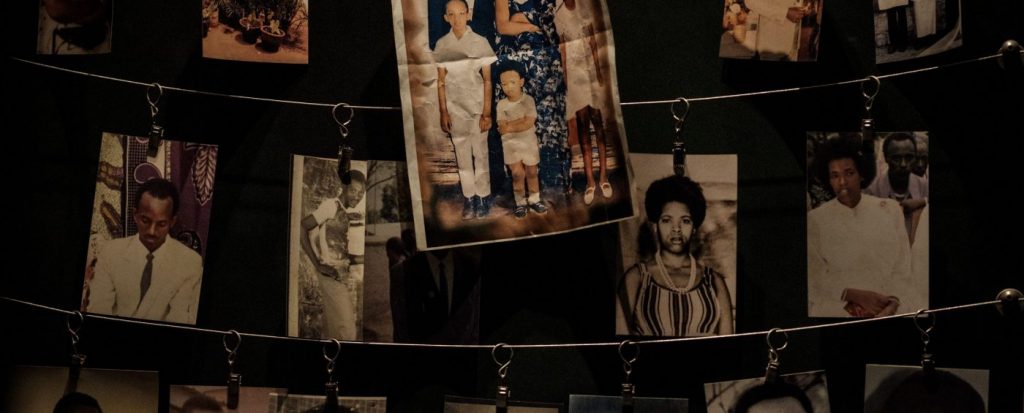
In May 2020, after 25 years on the run, one of the most wanted fugitives from Rwanda’s 1994 genocide – Félicien  Kabunga – was arrested in France. His alleged crimes include financing Hutu extremists who raped, pillaged, burned homes and churches, and massacred some 800,000 people. As founder and lead funder of the infamous Radio Télévision Libre des Mille Collines, Kabuga is also accused of managing a propaganda machine that instructed people to go out and kill members of Rwanda’s minority Tutsi.

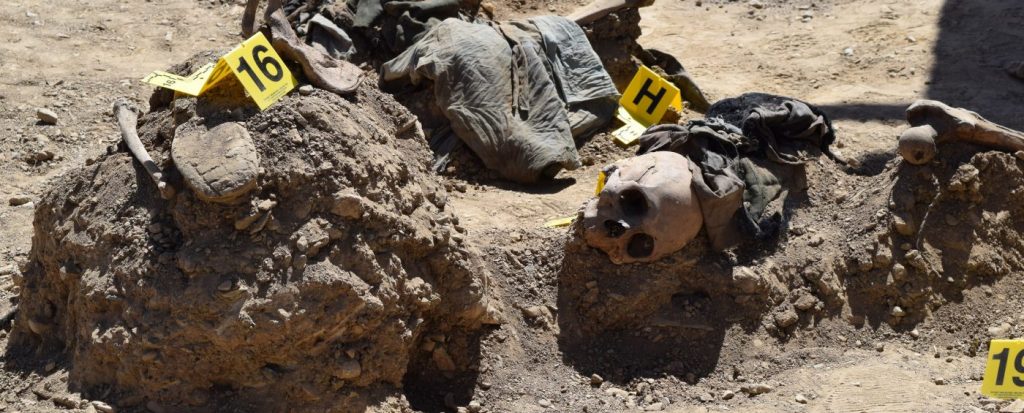
Holding Kabunga to account is something PHR has worked towards for decades. We contributed to the International Criminal Tribunal for Rwanda (ICTR) investigations by organizing forensic scientists to exhume and examine a large mass grave. A shocking 70 percent of the bodies belonged to women and children. In 1997, Kabunga was charged with crimes against humanity and genocide by the ICTR in Arusha, Tanzania. Kabunga’s arrest has reignited hope and we look forward to the day when justice will be served for the victims of his crimes.

Myanmar: The Gambia v. Myanmar genocide case

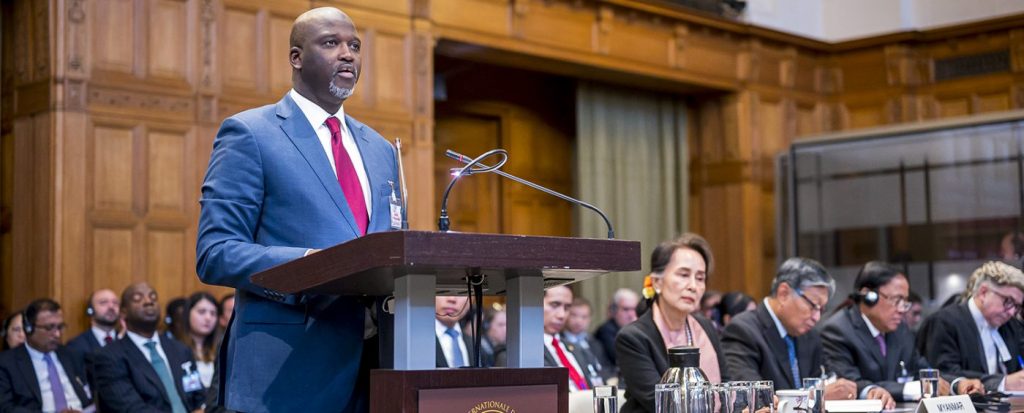
In August 2017, security forces and civilians in Myanmar’s northern Rakhine state led brutal attacks against Rohingya women, men, and children. PHR has documented the scale and scope of the violence perpetrated, and we have evidence that Myanmar’s government and civilians launched a campaign of widespread and systematic violence with the support of the military and security forces. The United Nations’ Special Rapporteur on the situation of human rights in Myanmar has said that the government’s violent operations against the Rohingya bear “the hallmarks of a genocide.”

More than two years after the violence, the International Court of Justice (ICJ) supported The Gambia’s request that the Myanmar government take all necessary actions to protect the country’s Muslim Rohingya minority from the threats of genocide. This ICJ decision on the request for provisional measures, issued in January 2020, marks an important milestone toward accountability for Myanmar’s crimes against the Rohingya and was the court’s first official response to The Gambia’s official complaint of Myanmar’s violations of the United Nations’ 1948 Genocide Convention

As we approach the third anniversary on August 25 of these atrocities, PHR reiterates its support for parallel legal proceedings underway that give some promise to victims of future justice and accountability. These proceedings include the ICC’s investigation into the alleged crimes against humanity of the deportation of Rohingya civilians across the Myanmar-Bangladesh border.

Afghanistan: ICC Investigation into War Crimes and Crimes Against Humanity

In March 2020, the ICC cleared the way for an investigation into possible war crimes in Afghanistan since 2003, when the country became party to the Rome Statute. The ruling authorized an investigation into alleged war crimes and crimes against humanity, including abuses committed by the U.S. armed forces and intelligence personnel, the Taliban, Afghan National Security Forces, and other combatants in the country.

The ICC probe will also investigate potential war crimes, such as torture or inhuman treatment conducted by the U.S. Central Intelligence Agency (CIA) in secret detention facilities in Afghanistan, as well as in CIA black sites in Lithuania, Poland, and Romania.

This ruling is potentially a major turning point for the pursuit of truth, justice, and accountability at the international level. Yet, the United States is taking punitive measures against ICC investigators and prosecutors as well as other groups supporting the Court’s work. PHR urges the administration to be a powerful voice for justice and accountability for mass atrocities and reverse the steps it has announced, and we urge members of Congress to clearly and publicly oppose this policy. No one is above the law, regardless of how powerful or how influential.

Syria: Universal jurisdiction cases examine state-sponsored torture

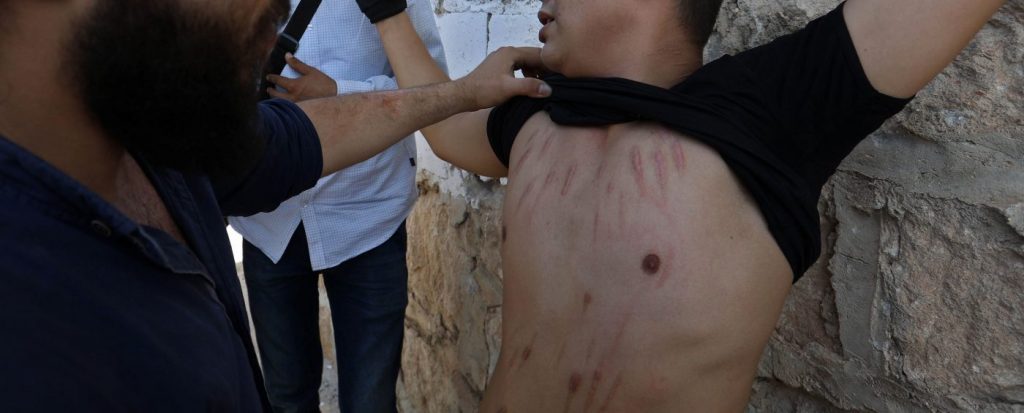
Since 2011, the Syrian government has systematically tortured civilians, among them health professionals who frequently have been in the position of capturing the evidence of brutal crimes committed by the government. Nine years later, despite the widespread sense of impunity enjoyed by the Syrian regime with the backing of its Russian and Iranian allies, Syrian regime officials are being prosecuted in national courts. In April 2020, a landmark trial on state torture began in Koblenz, Germany against Anwar R. and Eyad A., an alleged former intelligence officer and a lower-ranking subordinate at Syria’s General Intelligence Directorate.

Because Syria is not a party to the Rome Statute, the ICC is not authorized to investigate crimes in Syria without a referral by the UN Security Council. Yet, Germany’s laws allow for universal jurisdiction for war crimes, crimes against humanity, and genocide. Due to the large numbers of Syrian asylum seekers and refugees in Germany, previously unavailable victims, witnesses, material evidence, and even some suspects are now within the reach of the judicial authorities there.

As evidence builds for these crimes, Germany and other European states must continue to actively explore all avenues available for criminal accountability for those accused of the gravest crimes and for the continued attacks on Syria’s civilian population.

Sudan: Trial of Ali Kushayb, Janjaweed commander in Darfur

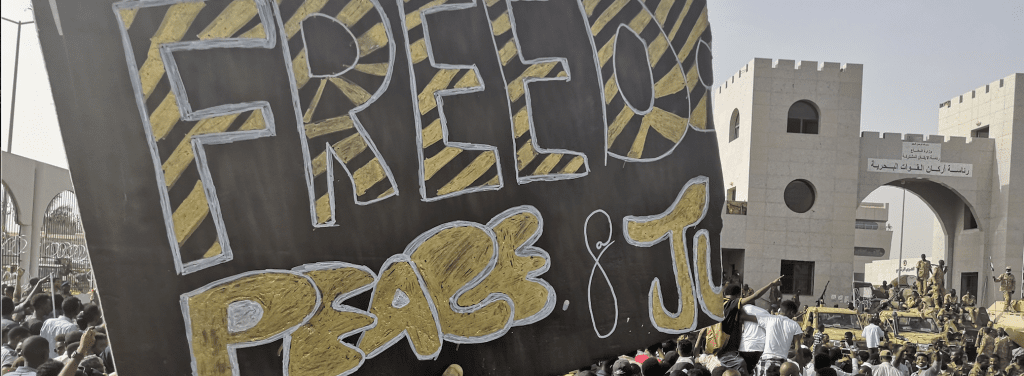
Last month, the ICC announced that Darfur militia leader Ali Kushayb was being held in its detention center on charges of war crimes and crimes against humanity after surrendering in the Central African Republic. Kushayb is the first Sudanese suspect taken into ICC custody in The Hague. The Court issued an arrest warrant for him in 2007, accusing him of persecution, murder, and rape in the western Sudanese region of Darfur between 2003 and 2004.

The UN Security Council referred the situation in Darfur to the ICC in 2002. Kushayb’s transfer – almost 20 years after his alleged crimes – was long overdue and represents an important milestone. But we must not forget the five other arrest warrants related to Darfur that are still outstanding, including that of former Sudanese president Omar al-Bashir.


In a landscape fraught with political and procedural obstacles, avenues to justice must be pursued at every opportunity, from local efforts towards truth-telling to international criminal justice proceedings. In these five cases, and despite the COVID-19 crisis, the pursuit of justice has not stopped. PHR and human rights advocates globally are working to build evidence for cases so that victims and survivors can finally obtain their day in court and justice can be served.

Statements

PHR Public Comment: Proposed New Rule Will Deeply Harm Asylum Seekers Protected By Law

In this public statement, Physicians for Human Rights argues that a proposed Rule would have a deeply harmful impact on asylum seekers seeking protection in the United States by dismantling most of the remaining U.S. asylum system and foreclosing the possibility of relief for many groups who are protected under domestic and international law. Read the comment here.

Webinar

Rebuilding a Global Approach to Health

The devastating spread of COVID-19 has ravaged health care systems around the globe, laying bare the gaping holes in a broken system. When we eventually emerge from this crisis that has changed the world as we know it, our health care systems must change with it. This moment presents an opportunity to reconstruct our global approach to health care in order to create systems that respect health as a human right.

PHR hosted a discussion on these challenges and the collaboration needed to develop solutions to improve health care. The conversation covered the importance of approaching solutions through an intersectional analysis of COVID-19’s impact.

Distinguished panelists

  • John Ayanian, MD, MPP is the inaugural director of the Institute for Healthcare Policy and Innovation at the University of Michigan Medical School.
  • Giselle Corbie-Smith, MD, MSc is the founder and director of the UNC School of Medicine’s Center for Health Equity Research and a member of the National Academy of Medicine.
  • Roshmi Goswami, PhD is a feminist and human rights activist known for her pioneering work documenting and analyzing the impact of war and conflict on the lives of women in India. She is a bureau member of South Asians for Human Rights and formerly served as a program officer at the Ford Foundation in New Delhi.

PHR Advisory Council Member Patricia Sellers moderated a discussion on envisioning a more equitable future for health. The panel featured Dr. John Ayanian, Dr. Giselle Corbie-Smith, and Dr. Roshmi Goswani.

See all events in PHR’s COVID-19 Webinar series.

Blog

Forced Family Separation During COVID-19: Preventing Torture and Inhumane Treatment in Crisis

Originally published on Just Security

The global community has made significant progress in codifying the prohibition of torture in international law. And yet, torture continues in countries around the world, including in the United States, because it is cloaked in other names – such as “enhanced interrogation” – and is presented as an accepted form of brutality in times of crisis. There are also cases in which the public is not even aware that some government practices in fact constitute torture.

This familiar pattern played out on the U.S.-Mexico border from April through June 2018, when U.S. border officials forcibly separated migrant parents and children in the name of security. The United States denied that the families were fleeing targeted acts of violence in their own countries, ignored medical evidence that forced family separation results in psychological trauma, and equated child detention centers with “summer camps.”

So far, the government has only offered parents a “binary choice”: sign away your parental rights and we will release your children from dangerous detention centers – otherwise, you may be detained indefinitely with your children in a potential COVID-19 hotspot.

Today, the U.S. government is considering separating families once again. With COVID-19 infections raging in family detention centers, a federal judge has ordered the government to release all children by July 17, 2020. But the judge is not able to order parents and children to be released together. As the judge pointed out, the authority to release families together lies with the U.S. Immigration and Customs Enforcement (ICE). Yet so far, the government has only offered parents a “binary choice”: sign away your parental rights and we will release your children from dangerous detention centers – otherwise, you may be detained indefinitely with your children in a potential COVID-19 hotspot.

In May 2020, ICE gave parents the option of consenting to family separation in order for their children to be released; at that time, there were 185 children in family detention centers. The parents, familiar with the harsh consequences of family separation, refused this option. Today, there are still approximately 124 children in family detention centers. The government reaffirmed the possibility that it may separate these parents and children before a federal judge on Tuesday.

An investigation published in February by Physicians for Human Rights (PHR) documented the dangerous consequences of the 2018 separations, which resulted in psychological distress and functional impairment even a year after children and parents were reunited. The practice, intended to threaten and frighten migrants, caused severe pain and suffering, and was used to intimidate and coerce asylum seekers to give up their asylum claims while deterring others from seeking asylum. These are the very features that constitute the definition of torture in the UN Convention Against Torture (CAT), Article 1(1). (Beth Van Schaack explained in an October 2018 analysis for Just Security how forcibly separating children from their parents constitutes torture under the CAT).

The PHR study (of which Kathryn is a co-author) found that the 26 cases documented constitute torture of asylum seekers by the U.S. government.

One of us, Juan, is a survivor of torture, targeted as a human rights lawyer in his own country of Argentina. After he was detained incommunicado by the Argentinian government, he was pressured to sign documents which would “legalize” his detention. Thankfully, his signature on these documents was invalidated by medical evidence, when a court doctor certified that marks on his skin were consistent with electrical torture.

In the U.S. legal system, evidence, statements, or signatures obtained under duress or coercion should not be given legal weight. But during the U.S. practice of forced family separation, parents separated from their children were pressured to sign deportation documents and documents signing away their right to parental custody with threats that they would never see their children again or would damage their child’s asylum claims. In Dora v. Sessions (D.D.C. 2018)—in which the government settled with 29 parents who were forcibly separated from their children by the federal government—the government admitted that on the basis of clinical evidence such as that provided by PHR evaluators, the separated parents were not able to meaningfully participate in immigration processes, due to the intense psychological pressure they experienced.

Today, amid the COVID-19 pandemic, detained migrant parents are faced with two options: consent to forced separation from their children, some as young as six months old and breastfeeding, or allow their children to be exposed to coronavirus in detention centers experiencing outbreaks, a highly coercive situation.

Detained migrant parents are faced with two options: consent to forced separation from their children, some as young as six months old and breastfeeding, or allow their children to be exposed to coronavirus in detention centers experiencing outbreaks.

Indeed, the most troubling aspect of forced family separation is that this practice, and others like it, is still happening – and it can continue into the future. Because of the lack of adequate protections in U.S. immigration policy, the U.S. border enforcement and immigration detention system inherently creates conditions in which torture and cruel, inhuman, or degrading treatment can occur.

How can we create an immigration system that effectively prevents torture or cruel, inhuman or degrading treatment? The UN Committee Against Torture has detailed recommendations on how states can prevent torture by improving safeguards in detention systems, such as proper record keeping and tracking systems for detainee whereabouts and well-being, facilitating access to independent legal and medical assistance, and meaningful access to judicial remedies to challenge the legality of detention or treatment (UN CAT General Comment 2, para 13). These guarantees are especially essential in the case of populations in vulnerable situations, such as asylum seekers (UN CAT General Comment 2, para 21). While family separation is abhorrent, children should never be held in immigration detention, even with their parent(s).

These basic protections are not implemented in the U.S. immigration detention system. On the contrary, government agencies and non-governmental organizations have documented barriers to access adequate medical care and legal assistance, denial of access for independent monitoring, even by members of Congress, and a lack of recordkeeping across agencies, which did not track separated family members.

Immigration processes also should be reformed to prevent coercion and intimidation. One of us (Juan) was a member of the Inter-American Commission on Human Rights of the Organization of American States from 2000 to 2003, in the capacity of Special Rapporteur on migrant workers and their families. That work sought to decrease the very high risk of ill-treatment in immigration processing by developing due process standards for determining status and deportation. These standards were based on criminal law protections, such as exclusion of evidence obtained through coercion. Quite simply, coercion and intimidation can never result in efficient or accurate judicial rulings, including asylum decisions.

Whether interviews take place for the purpose of immigration proceedings or for any other reason, it is essential to ensure that interviews are conducted free from coercion. Over the past several years, Juan has worked with a group of experts to reform interviewing practices globally by developing a universal set of standards for non-coercive interviewing methods and procedural safeguards, to be applied in criminal inquiries but also in administrative processes such as immigration-related investigations.

Public pressure is critical to ensure that states comply with their obligations. In Juan’s case, a campaign by his family, friends, and Amnesty International put his government on notice that it would have to produce him, alive, and soon. In the case of family separation, massive public outcry pressured the administration to issue an Executive Order that affirmed the principle of family unity in immigration enforcement and was cited by a federal court as a factor in its preliminary injunction halting family separation (Ms L v ICE, Preliminary injunction). And yet, without systemic reform to the immigration system, just two years after the 2018 family separation crisis, 124 children are again facing separation from their families, this time compounded by the risk of coronavirus exposure.

But while public opinion and moral outrage have a significant impact, we must persist if we want to see long-term change. Even in these trying times, we must not become too jaded or resigned to care about the fate of those who are being subjected to inhumane practices. The U.S. government must take all measures to reunite separated families, to provide reparations to affected families, and, most of all, to enact systemic changes in accordance with international standards to ensure an immigration enforcement system that is free from coercion and has strong safeguards to prevent torture. Naming torture is one of the surest ways to prevent it in the future and to obtain justice for survivors.

Webinar

COVID-19 Mental Health Impacts on At-Risk Populations

PHR hosted a conversation on the compounding mental health impacts of the pandemic on members of at-risk populations, including lack of access to care, inequities in access to telehealth, absence of culturally responsive care, and how to combat the existing barriers to care these communities already face.

Distinguished paneltists

  • Monica Hooper, PhD, the Deputy Director of the National Institute on Minority Health and Health Disparities (NIMHD)
  • William Lopez, PhD, MPH, a clinical assistant professor at the University of Michigan School of Public Health and Faculty Director of Public Scholarship at the National Center for Institutional Diversity
  • Kerry Sulkowicz, MD, a clinical professor of psychiatry at NYU School of Medicine, founder and managing principal of Boswell Group LLC, a New York-based management consulting firm, and president-elect of the American Psychoanalytic Association. He is a PHR board member and PHR board chair emeritus, and currently chairs PHR’s Scientific Advisory Council.

Gail Saltz, MD, a clinical associate professor of psychiatry at the New York Presbyterian Hospital Weill-Cornell School of Medicine, a psychoanalyst with the New York Psychoanalytic Institute, and a PHR board member, moderated the discussion.

See all events in PHR’s COVID-19 Webinar Series.

Blog

It’s Time to Live Up to Our National Moral Conscience

The image is seared in my brain. The visibly nervous woman, speaking in hushed tones via WhatsApp from Mexico, shows me the sparse items in her tiny one-room dwelling: a sleeping bag on the cement floor and two plastic grocery bags filled with personal items. “This is all I own in the world,” she tells me in Spanish. As a medical expert with Physicians for Human Rights (PHR), I have seen much injustice around the globe. But this stark visual of a middle-aged asylum seeker’s entire possessions laid out in such a meager space – when she had a home and life that she was forced to flee – brings our work into sharp focus.

PHR clinicians provide pro bono medical and psychological examinations of asylum seekers to support their applications for protection in the United States. These examinations can corroborate narratives of the horrific violence that many asylum seekers have endured in their home countries. But in this time of COVID-19, when everything is vastly more challenging and the U.S. asylum system has essentially come to a halt, doing forensic examinations appears implausible. As it is, we expect people to tell their manifested worst nightmares to us, complete strangers, with little preparation. Now, in this era, we are required to establish this deepest human connection over the internet in a matter of moments. How does one hug a person via Zoom, when they reveal that their child was raped as an intimidation tactic? How does one offer support, when our usual comfort cues of touch and body language are rendered impotent over buffered video?

And yet we continue this work, in collaboration with immigration attorneys, because we understand that the alternative to asylum would likely be calamitous for these families. It would mean one of three fates for those coming through the U.S southern border: being imprisoned in Immigration and Customs Enforcement (ICE) detention facilities, being caught in the limbo of the Migrant Protection Protocols (MPP), which require people to wait in Mexico for their U.S. court date, or being deported back to extremely dangerous conditions in Central America.

The ICE detention facilities are a COVID-19 breeding ground. It is clear that we have a public health and humanitarian catastrophe on our hands, as the virus spreads through the crowded facilities. Many physicians from around the country have been writing about this issue, calling for the release of immigration detainees and community-based alternatives to detention. As of now, there are more than 750 positive cases out of more than 10,500 detainees tested. The fatality implications are clear. It is abject cruelty to keep them detained, when the vast majority of people there have not been convicted of any criminal offense.

People stranded across the closed southern border in MPP camps do not fare much better. They are also forced into crowded living spaces, with shared utensils and limited access to sanitation/hygiene. These are all contrary to U.S. pandemic public health guidelines. The worst scenario, getting deported back to Central America, is widespread. Apart from the real public health hazard of deporting potentially infected people, sending people back into the whirlpool of danger that they escaped is unfathomable for most.

Certainly, there are many social justice causes that require our attention, particularly now. Fellow Michigan pediatrician and child advocate Dr. Mona Hanna-Attisha has repeatedly made the case that children should not have to sacrifice their health just because of the zip code in which they were born. The pandemic has laid bare for us the dynamic interplay of race in the injustices running throughout our society. Domestic violence and child abuse experts know that the risks are multiplied during times of quarantine. Physical abuse is predictably rampant now in our own country.

Still, this doesn’t mean that our neighbors should be ignored. It is a fallacy to believe that our national attention can or should only be on ourselves. By feeding others, we are nourished. The means are discrete and easily accomplished: release people who are unnecessarily detained to avoid the risk of COVID exposure; provide adequate access to hygiene products and protocols for those who remain in detention and MPP, and allow avenues to appropriate medical care. More upstream, we need to process asylum claims more efficiently, and afford these families the due process they deserve.

If I had to fit my life into two grocery bags, what items would I choose? The majority of us are fortunate enough not to have to make that decision. At the very least, we should choose to make life possible for others. The pandemic has shown us that fortunes can change in the blink of an eye. Now is the time for us to keep our eyes open and live up to our national moral conscience.

Statements

PHR Briefing to the United Nations Security Council on the Humanitarian Situation in Syria


Delivered by PHR Director of Policy and Senior Advisor Susannah Sirkin to the United Nations Security Council on June 29, 2020.


Thank you, Mr. President. And thank you for the opportunity to provide this briefing to the Council on the humanitarian crisis in Syria. 

It is a historic moment for the Council’s work, as you face a global pandemic and hear the growing calls for a future of international peace and security built on respect for human rights, equality, and justice for all. It is this spirit that created the United Nations and this body after World War II. The biggest pandemic since the UN’s founding presents an urgent call to conscience for the Security Council.

My name is Susannah Sirkin and I am Director of Policy at Physicians for Human Rights – an international non-governmental organization that brings the expertise of science and medicine to the defense of human rights. We have been rigorously documenting and reporting on violations of international humanitarian law in Syria for the past nine years.

It has been just under one year since I last briefed this Council about attacks on health workers and facilities in Syria, and the devastating impacts of these crimes on the health and lives of people there.  

Today’s humanitarian crisis in Syria is inextricably linked to the Syrian government’s behavior over the course of the conflict: while all parties to the conflict have committed violations, the government’s deliberate destruction of health facilities, its criminalization of health care, its targeting of health professionals, and its forced displacement of millions of women, men, and children have no parallel.

No health system in the world has suffered more violent and systematic targeting than Syria’s. And when you kill a doctor, you attack her patients. When you bomb a health clinic, you terrorize a community. In our analysis, this has been part of the strategy of the Syrian government — to break the spirit of Syrians who oppose the brutal regime by crushing their health care.

Since the beginning of the conflict in 2011, the Syrian government and its allies, including the Russian Federation in the later years, have done just that, again and again.

Physicians for Human Rights has verified 595 individual attacks on more than 350 facilities over the span of these nine terrible years. Taken together, these attacks constitute crimes against humanity. It is a bleak, distressing tally that challenges the duties of this Council. With widespread impunity, we fear this number will continue to rise, given the fragility of the current ceasefire and the recent spike in hostilities in northern Hama and southern Idlib.

Physicians for Human Rights has verified 595 individual attacks on more than 350 facilities over the span of these nine terrible years. Taken together, these attacks constitute crimes against humanity.

Much has changed in our world in the past year. But the core behavior of the parties to the conflict has not. The governments of Syria and Russia, represented here today at this Council meeting, have cynically continued to flout international laws and norms for military advantage.

Impunity has thrived where diplomacy has failed. Meaningful accountability for the long list of crimes committed has been practically nonexistent. It will continue to be a blight on this Council’s standing that it failed repeatedly to refer the crimes of the Syrian conflict to the International Criminal Court, the essential institution of last resort when accountability for the gravest crimes known to humanity is glaringly absent. But while the road to justice may be long, we know that more avenues to criminal accountability will arise. As we speak, documentation of grave violations is being used in national courts under universal jurisdiction to build more legal cases and to give hope to survivors.

During the past four months, we have seen our world upended by COVID-19. The pandemic has put even the most well-equipped health systems to the test and has exacted an unprecedented toll, sparing no country. But after years of conflict – the Syrian population is more exposed than most to the impacts of COVID-19. In northwest and northeast Syria, where meeting the most basic health needs is a daunting task, the spread of COVID-19 would be catastrophic. While reported cases remain low, it is only a matter of time before coronavirus finds its way into the internally displaced persons camps and dense population centers of this region.

Despite record-level cross-border aid deliveries into northwest Syria, the humanitarian needs remain overwhelming, and the health system is nowhere near strong enough nor supported enough to effectively respond to a serious outbreak of COVID-19. Overcrowding, malnutrition, and persistent gaps in water, sanitation, qualified medical personnel, and essential medical resources – from oxygen to personal protective equipment – all make it very likely that the virus will spread like wildfire through the northwest of the country. According to MedGlobal, and as a result of attacks on healthcare and displacement in northwest Syria, there is an average of only .14 doctors per 1,000 people, compared to 1.3 per 1000 in the rest of the country.

The situation in the northeast is also critical. The shortages in medical equipment and supplies in an area hosting two million people are truly shocking. The gaps have grown more severe since the Council removed the Al-Yarubiyah crossing point, funneling critical health aid from Iraq into the northeast.

According to NGOs in the northeast, 11 health facilities are at imminent risk of closure or severe disruption to their services, while another 86 facilities are facing shortages of essential health kits that were usually supplied by the UN via the Al-Yarubiyah crossing. Cross-line aid has clearly not compensated for that loss of the channel, despite recent improvements. For the Council to expect a government responsible for igniting and perpetuating one of the worst humanitarian crises of our time to turn around and facilitate access to aid in good faith is an exercise in self-delusion.

For the Council to expect a government responsible for igniting and perpetuating one of the worst humanitarian crises of our time to turn around and facilitate access to aid in good faith is an exercise in self-delusion.

Our partners in Syria have warned us about the lack of resources they face, about the impossibility of effectively enacting mitigation measures in overflowing border camps and overpopulated towns. They have warned us – as they have warned you – of the impending collapse of their frail health care system and of the hundreds of thousands of lives hanging in the balance. These doctors, and nurses, and paramedics have sacrificed years of their lives under the threat of bombs and bullets, enduring unconscionable persecution and unfathomable loss in order to save as many lives as they can. As one Syrian doctor told us, “We’ve died a thousand times over. From chemical attacks, and barrel bombs, and rockets, and hunger, and torture, and freezing weather.”

Now, nine years into a brutally executed conflict, they are faced with one of their biggest challenges yet, physically and psychologically exhausted and lacking the most basic of resources to protect themselves and tend to their patients.  “All we can do is pray for our patients,” a doctor from a town in western Aleppo recently told us. The Council knows it can and should do more. More to support these health workers, more to put critical resources into their hands, and a lot more to prepare them to confront one of the biggest threats to public health the world has seen in a hundred years.

We call on this Council to enable humanitarian assistance through all available channels and to renew the cross-border aid resolution to secure access to lifesaving aid for the four million Syrians in need.

In this context, we call on this Council to enable humanitarian assistance through all available channels and to renew the cross-border aid resolution to secure access to lifesaving aid for the four million Syrians in need. We and our many colleague NGOs are calling on you to renew the mechanism for a minimum of 12 months, and to re-authorize the Al-Yarubiyah crossing point that was removed by this Council in January.

The need for effective and principled humanitarian aid cannot be overstated. But more than anything else, Syrian civilians and health workers need a sustained reprieve from violence. This Council must not spare any effort to sustain and expand the existing ceasefire.

At this historic juncture, when we are all assessing our own countries’ vulnerabilities and glaring inequities, it is critical for the Council to place humanity before political wrangling and posturing. The Council must not to bargain with the lives and the health of Syrians. We and our colleagues working to protect health across the globe implore you to do what is right: to support a nationwide ceasefire so urgent during the Covid pandemic; to unite in your resolve to ensure that aid reaches civilians in need, wherever they may be.  And to unite toward achieving a sustainable peace through meaningful accountability in Syria. Anything less will only further stain the record of this Council.

Get Updates from PHR